Daegu Modern Culture Alley is a themed street-tour area in Jung-gu, Daegu, built around modern churches, missionary houses, historic homes, museum spaces, and alley routes that preserve traces of the city before and after the Korean War. This guide covers the central modern-culture route, nearby museums, art streets, and the Apsan viewpoint as a wider Daegu culture day.
1. Start with Daegu Modern Culture Alley
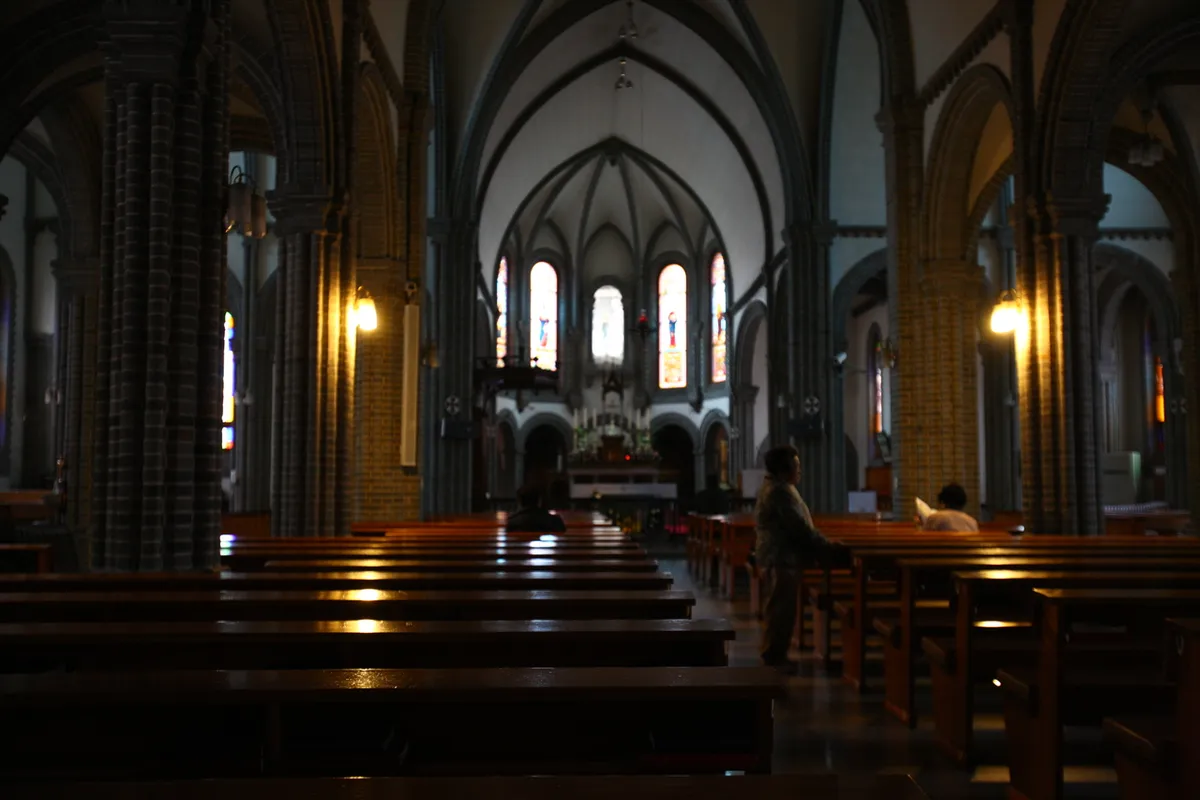
Daegu Modern History Streets, also presented as the Tour of Modern Streets, is the core route for understanding central Daegu's modern urban layers. The route is based in Jung-gu, where alleyways, churches, former residences, schools, and civic landmarks sit close together rather than in a single museum complex.
The main visitor route is Course 2, the Modern Cultural Street. It links major sites associated with Daegu's modern period, including Gyesan Catholic Church, Jeil Church, old houses, and former school buildings. The area is especially useful for travelers who want a walkable cultural route rather than a single stop.
The official visitor record lists 13 courses in total for the wider modern-street program, each arranged around a different theme or district. For international visitors, multilingual tours are listed in English, Japanese, and Chinese. Regular tours are noted for Saturdays at 14:00, and on-demand tours are available for groups when reserved through the official channel.
Key visitor details: The Ssamji Park Tourist Information Center lists the phone number +82-53-661-3327 / 053-661-3327 in Korea. The route information lists April to October hours as 10:00-19:00 and November to March hours as 10:00-18:00. Parking is not available at the route itself.
📍 TripKorea's Tip: Treat this area as a district route, not a single attraction gate. Stay near Dongseongro or central Daegu if you want the easiest base for the alley, cathedral, museum, and medicine-market area. Hotels near Dongseongro in Daegu keep the central route close without adding a separate hotel transfer.
2. Cheongna Hill, Missionary Houses, and March 1st Road
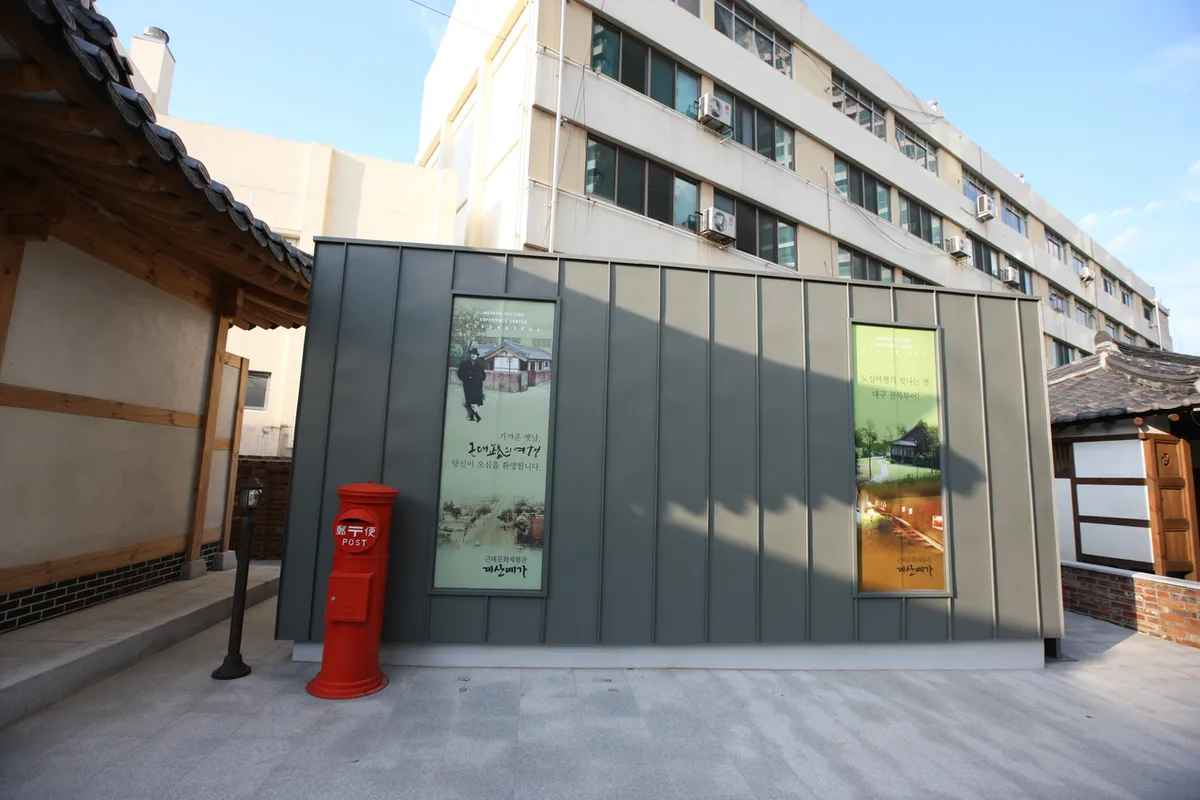
Dongsan Cheongna Hill is one of the route's strongest historical clusters. The hill is associated with early 20th-century Christian missionaries, and the visitor record identifies Chamness' House, Switzer's House, Blair's House, the 90 stairs, Daegu 3.1 Independence Movement Road, Daegu's first western apple tree, a memorial stone, and the missionary cemetery as points within the area.
Cheongna Hill is also listed as the starting point of Daegu Street Tour Course 2. Its role is practical: it introduces the missionary residential area, then leads toward the independence-movement stairs and Gyesan Cathedral. The hill itself is open 24 hours and is listed as open year-round, while individual houses or museums may follow separate schedules.
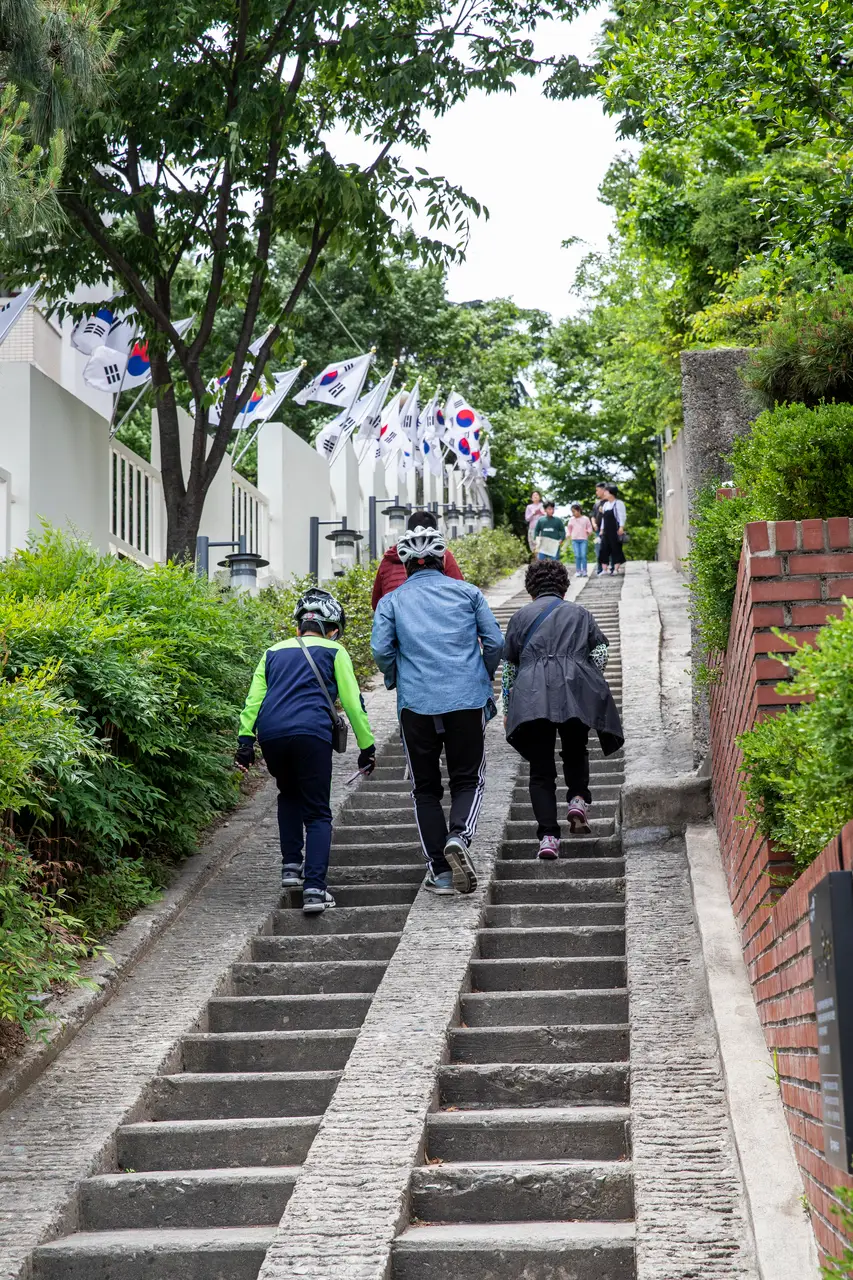
March 1st Independence Movement Road, also called the 90 Stairs, marks the place where Daegu citizens gathered for the independence movement on March 8, 1919. The route passes Cheongna Hill, missionary houses, and Jeil Church before leading toward Gyesan Cathedral. The stairs include murals connected to the independence movement and an AR experience zone.
The House of Missionary Switze was built between 1906 and 1910 as a Western-style residence with two above-ground floors and one basement level. It later became a missionary museum displaying items used by residents of the house. The listed opening hours are Monday to Friday 10:00-12:30 and 13:30-16:00, and Saturday 10:00-12:30, with last admission one hour before closing.
House of Missionary Chamness is another Western-style residence connected to American missionary life in Korea. The building has been converted into a small museum using artifacts from the missionary period. Together, these houses give the alley route a residential scale that differs from palace or fortress tourism.
💡 Local Tip: If you only have time for one historical cluster, use Cheongna Hill as the anchor. It connects missionary residences, the independence-movement road, and Gyesan Cathedral in a compact sequence.
3. Gyesan Cathedral and the Historic Homes Nearby
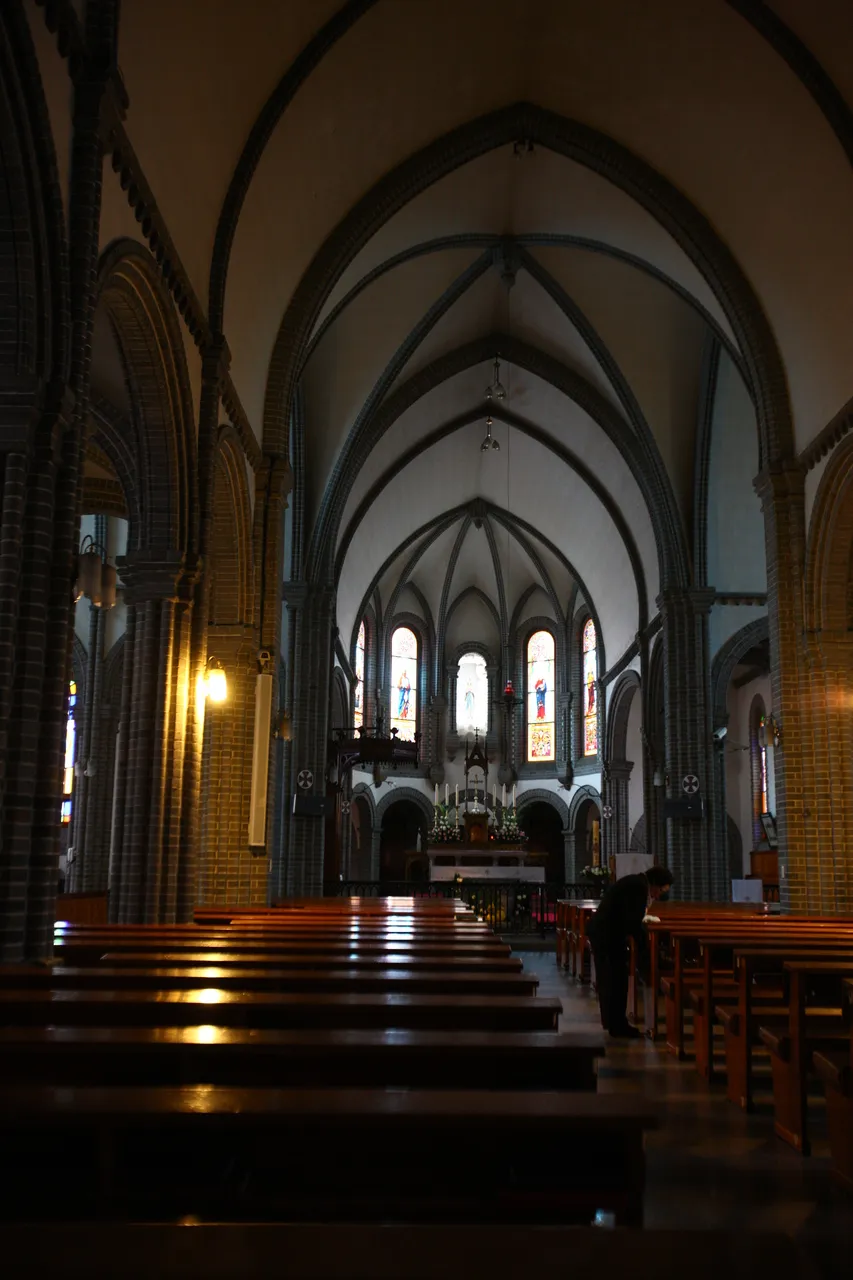
Daegu Gyesan Cathedral is one of Daegu's main Catholic churches and a central landmark on the modern-culture route. The cathedral was designed by Father Poisnel, who also designed Myeongdong Cathedral in Seoul, and the stained glass was imported directly from France.
The cathedral's address is 10 Seoseong-ro, Jung-gu, Daegu. The listed information center is +82-53-254-2300 / 053-254-2300 in Korea. Paid parking is available, but the area works better as part of the surrounding walking route than as a drive-in stop.
Near the cathedral, the House of Yi Sang-hwa adds a literary and independence-history layer to the route. Yi Sang-hwa was a nationalist poet who resisted Japanese colonialism, and the house was his residence from 1939 until his death in 1943. A citizens' movement to preserve the house began in 1999, and the property was donated to the City of Daegu on October 27, 2005. It has since been restored and opened to the public.
The listed hours for the House of Yi Sang-hwa are 10:00-18:00 in summer and 10:00-17:00 in winter. The rest day is Monday, plus Seollal and Chuseok holidays. The listed information number is +82-53-256-3762 / 053-256-3762 in Korea.
🚨 Visitor Note: Cathedral mass times and house opening hours are not the same. If you plan to enter individual buildings rather than only view the exterior route, check the current schedule before arrival.
4. Museums: Medicine, Modern History, and Civic Memory
The Daegu Yangnyeongsi Museum of Oriental Medicine sits in the old medicine-market district at 49, Dalgubeol-daero 415-gil, Jung-gu, Daegu. The museum presents the 350-year tradition of oriental medicine and medicine markets through exhibitions and hands-on programs. Its first floor also houses the nation's only wholesale market of traditional medicinal herbs.
The listed programs include medicinal herb foot bath, oriental herb soap making, herbal natural air freshener making, oriental herb mist making, oriental herb lip balm making, traditional nurse and doctor costume experience, traditional herbal tea sampling, and self health examination. The museum lists an accommodation count of 150 people and is open to visitors of all ages.
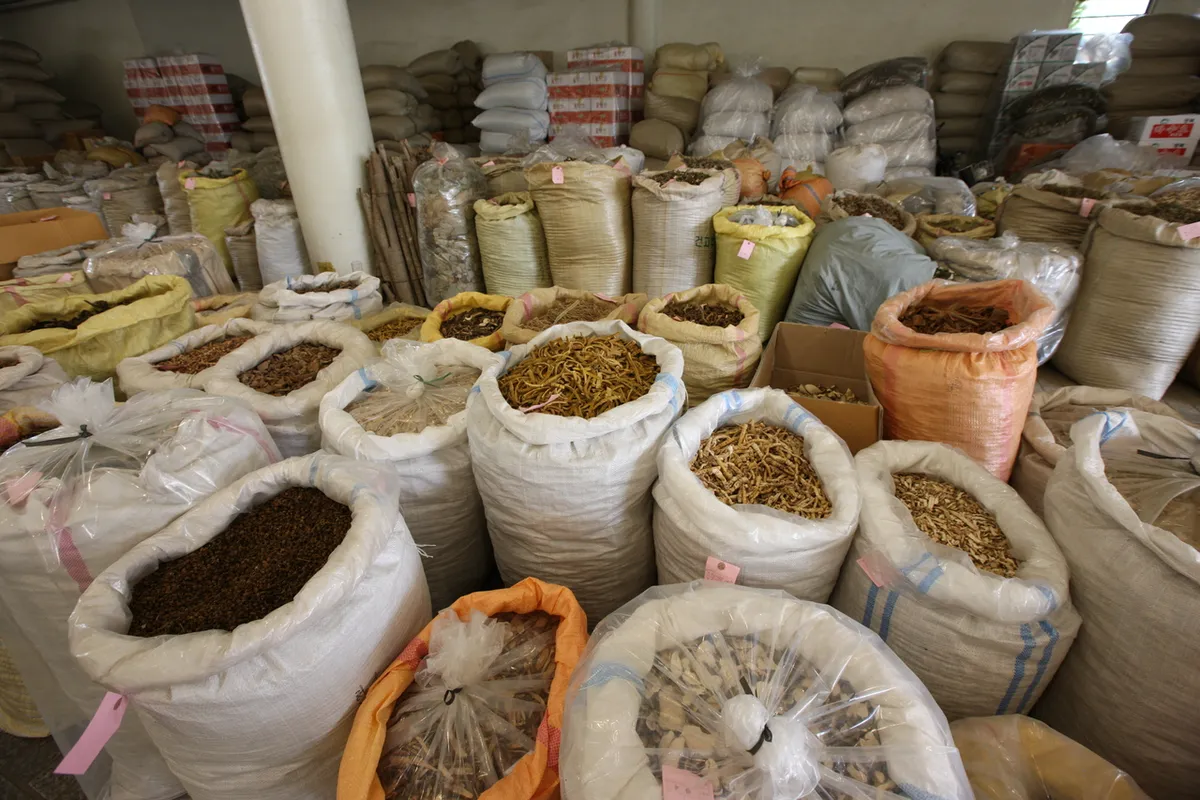
Opening hours are Tuesday to Sunday 09:00-18:00. The listed closing days are Mondays, January 1, Seollal, and Chuseok, with Monday openings possible when Monday is a public holiday. The information number is +82-53-253-3359 / 053-253-3359 in Korea.
Daegu Modern History Museum is another core stop, located at 67 Gyeongsanggamyeong-gil, Jung-gu, Daegu. It opened on January 24, 2011, inside a building first built by Japan in 1932 as a bank. The building is recognized as Cultural Property No. 49. The two-story museum covers 1,971 square meters and includes a permanent exhibition on the first floor, featured exhibition space on the second floor, and a hands-on exhibition room and classroom.
The museum lists free admission. Opening hours are 09:00-18:00, with last admission 30 minutes before closing. The listed closing days are Mondays, January 1, Seollal and Chuseok holidays, and days determined by the museum director. The information number is +82-53-430-7910 / 053-430-7910 in Korea.
💡 Local Tip: Use the medicine museum and modern-history museum as indoor anchors. They help balance the route when weather makes a full alley walk less comfortable.
5. Add Art Streets or Apsan for a Wider Daegu View
Bongsan Culture Street gives the guide an art-focused extension inside Jung-gu. The street runs from Daegu Hakwon to Bongsan Yukgeori and has more than 20 galleries of different sizes. It began developing as an art-gallery alley around 1991 and was later designated as Bongsan Culture Street. The listed address is 38, Bongsanmunhwa-gil, Jung-gu, Daegu.
The area includes Bongsan Culture Center and Cultural House for Teens, and artworks are displayed throughout the year. The listed information number is +82-53-425-6845 / 053-425-6845 in Korea. Paid parking lots are available nearby.
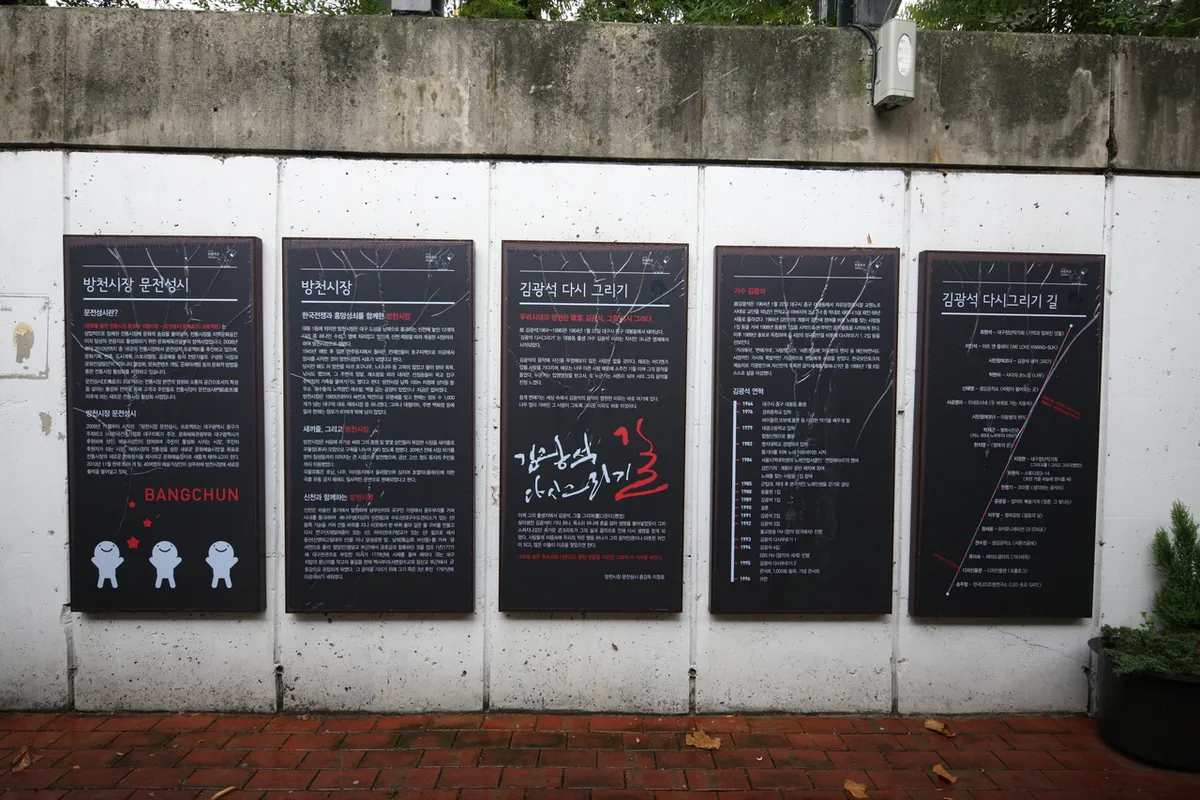
Kim Gwangseok-gil Street can be considered as a nearby cultural-street extension when the article route needs a music-and-mural finish. The image record identifies the location as Kim Gwangseok-gil, also known as Kim Gwangseok Again Drawing Road, in Daegu. Use it as an add-on rather than the core of the modern-culture route.
For a broader city view, Daegu Apsan Park sits in Nam-gu at 574-87 Apsansunhwan-ro. The park is a mountain park where visitors can take a cable car to the summit observation deck and view the cityscape below. The park also includes valleys, springs, Nakdong River Victory Memorial Hall, Chunghontap tower, a youth training center, archery range, riding facilities, children's playground, library, museum, and botanical garden.
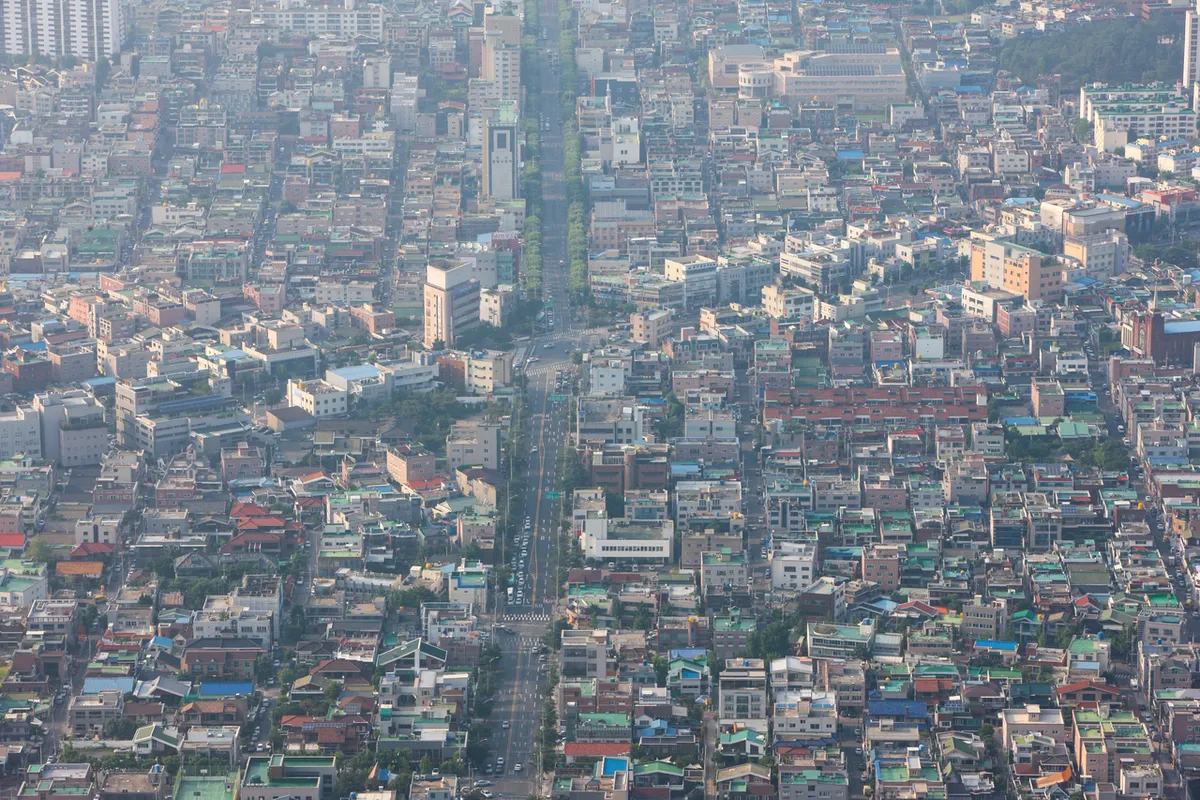
Apsan Park is listed as open year-round, with operating hours varying by facility. Parking is available, and the information number is +82-53-625-0967 / 053-625-0967 in Korea. Because Apsan is outside the compact Jung-gu alley area, it works as a separate final stop rather than part of a continuous walking route.
📍 TripKorea's Tip: Keep the modern alley and museum route in central Daegu, then use Apsan only if you want a citywide viewpoint. For activity options around the city, check Things to Do in Daegu.
Frequently Asked Questions
What is Daegu Modern Culture Alley?
Daegu Modern Culture Alley refers to the central modern-street route in Jung-gu, Daegu. It connects churches, missionary houses, old residences, museums, and independence-movement sites linked to the city's modern history.
Is Daegu Modern Culture Alley a single attraction?
No. It is a district-style walking route rather than one ticketed facility. Individual stops such as museums or restored houses may have their own hours, closing days, and admission policies.
Which stop should visitors prioritize first?
Cheongna Hill is the clearest starting point because it connects missionary houses, March 1st Independence Movement Road, the 90 Stairs, and the route toward Gyesan Cathedral.
Are there indoor stops on the route?
Yes. Daegu Yangnyeongsi Museum of Oriental Medicine and Daegu Modern History Museum are the most practical indoor anchors. They are useful when weather makes a full outdoor alley walk difficult.
Where should visitors stay for this route?
Central Daegu is the most practical base for the alley route. Dongseongro works well for access to Jung-gu cultural streets, museums, and nearby transport links.
🎒 Set Up Your Daegu Basecamp
1. Stay close to the central route
Hotels in Dongseongro Daegu
Explore All Hotels in Daegu
2. Add local activities
Discover Things to Do in Daegu
3. Plan city transport
Daegu Transport Options
Daegu Modern Culture Alley is a clear starting point for understanding central Daegu through streets rather than a single monument. Use the alley route for modern history, add the medicine and history museums for indoor context, then finish with Bongsan Culture Street or Apsan Park if you want a wider view of the city.
Sources & References
Data Sources:
Tourist Attraction Info: Korea Tourism Organization (TourAPI)
Photos: Korea Tourism Organization Photo Gallery
Official Sites:
Last verified: 2026-08-21
All information verified at time of publication. Operating hours and admission fees subject to change. Please confirm before visiting.