Gyeongju was the capital of the Silla Kingdom from 57 BC to AD 935, and its historic area is registered as a UNESCO World Cultural Heritage site.
This Gyeongju travel guide covers the city as a whole: the central Silla heritage zone, Hwangnidan Street, Gyochon and Woljeonggyo, Gyeongju National Museum, Bomun Lake Resort, and Gyeongju World. The outer temple route is kept brief because Bulguksa Temple already has its own detailed guide.
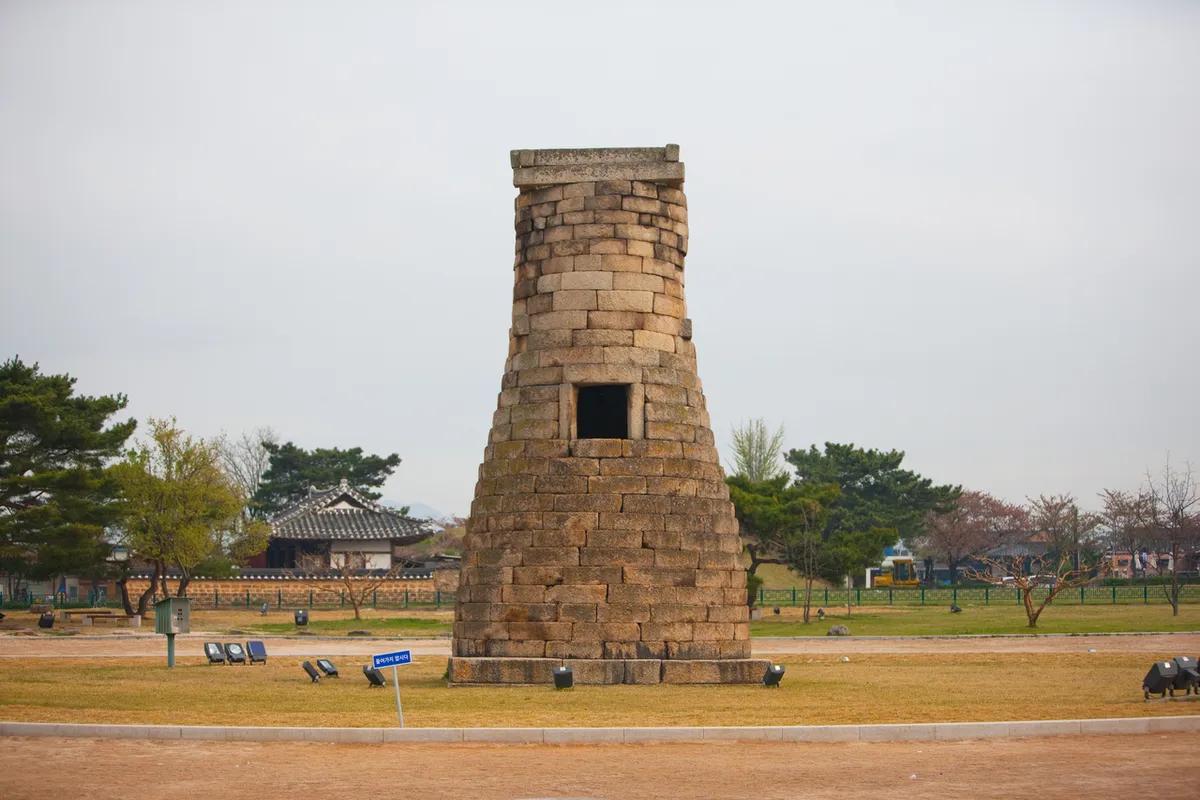
1. Start with the Central Gyeongju Historic Area
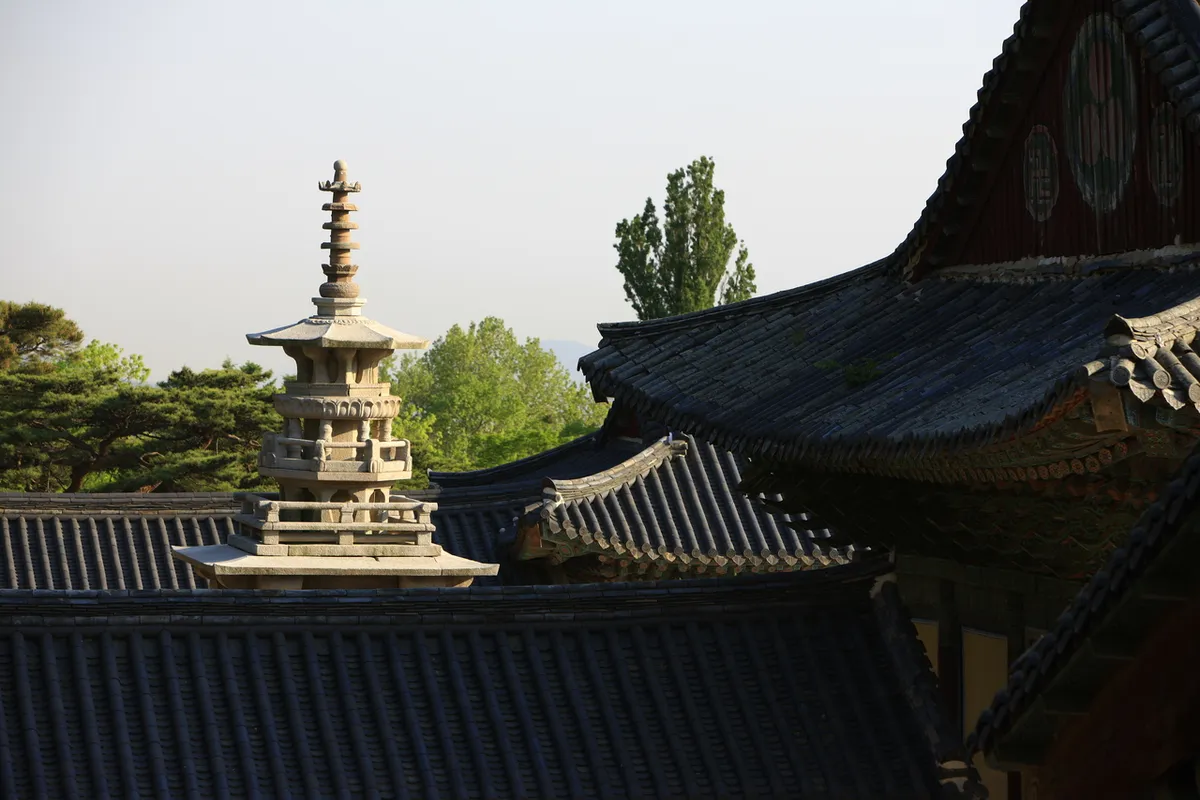
The core of Gyeongju is not a single palace compound. It is a city district where Silla-era tombs, observatory remains, palace sites, forests, and museum collections sit across several neighboring zones.
The Gyeongju Historic Area is divided into five major sections: Namsan, Wolseong, Daereungwon, Hwangnyongsa Temple Site, and Sanseong. Together, the area includes 52 cultural assets registered on the World Heritage list.
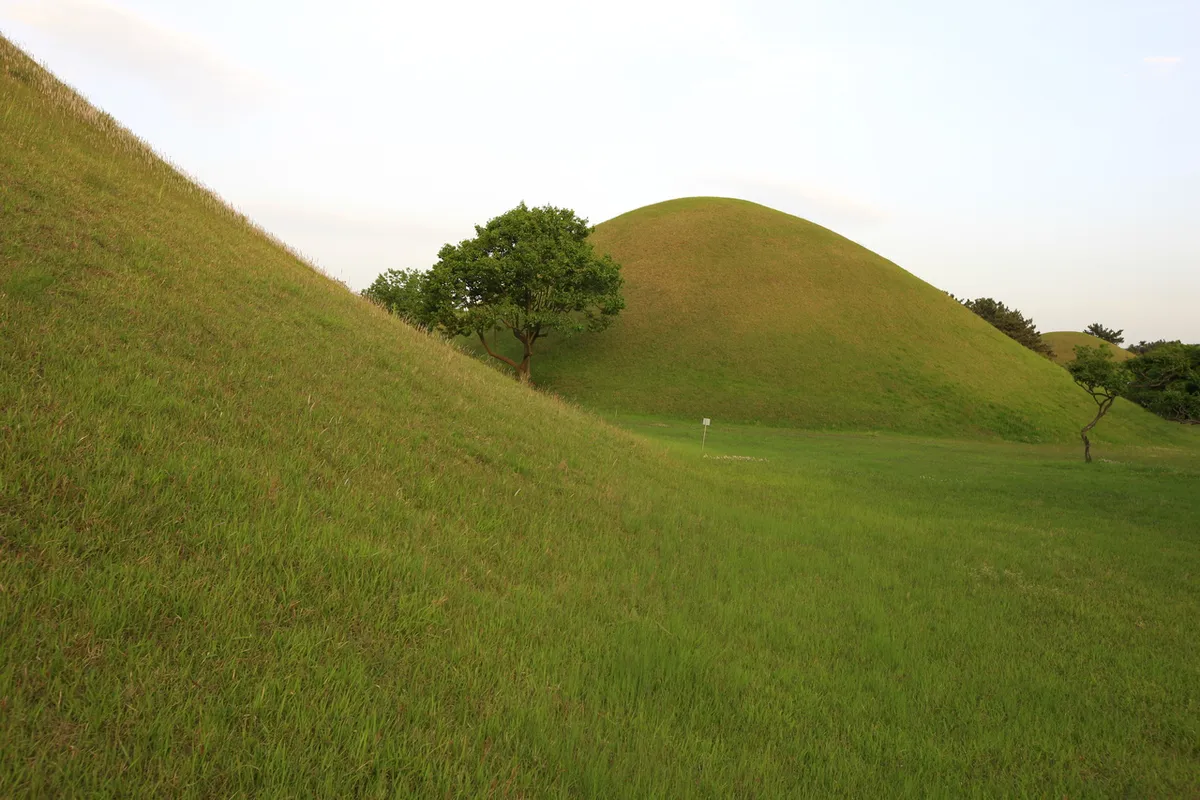
Daereungwon Ancient Tombs contains 23 small and large ancient tombs. Cheonmachong Tomb was excavated in 1973, and it is the only tomb in the Daereungwon complex opened to the public. The tomb is 12.7 meters high and 50 meters in diameter, with artifacts such as a gold crown, gold cap, gold waist belt, gold diadem, and gilt-bronze shoes.
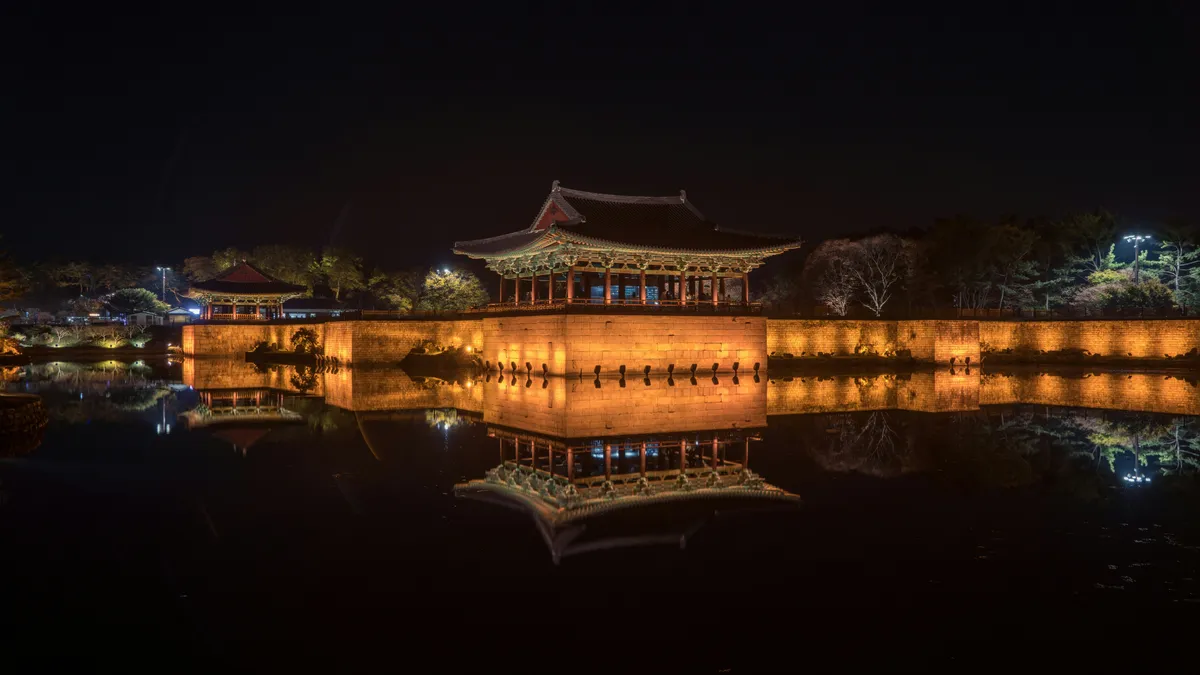
Cheomseongdae Observatory is part of the Wolseong Area and is identified as the oldest observatory in Asia. Nearby heritage sites include Gyerim Forest, Donggung Palace and Wolji Pond, and the former palace zone around Wolseong.
📍 TripKorea's Tip: Treat the central historic area as the city’s anchor. Stay around Hwangnidan-gil or central Gyeongju if you want easier access to Daereungwon, Cheomseongdae, Wolseong, and the museum. Hotels near Hwangnidan-gil are the most direct base for this part of the city.
2. Use Hwangnidan Street as the Modern City Link
Hwangnidan Street is located at 1080 Poseok-ro in Hwangnam-dong. The name combines Hwangnam-dong with Gyeongnidan Street in Itaewon, Seoul, creating the idea of a “Gyeongnidan Street of Hwangnam-dong.”
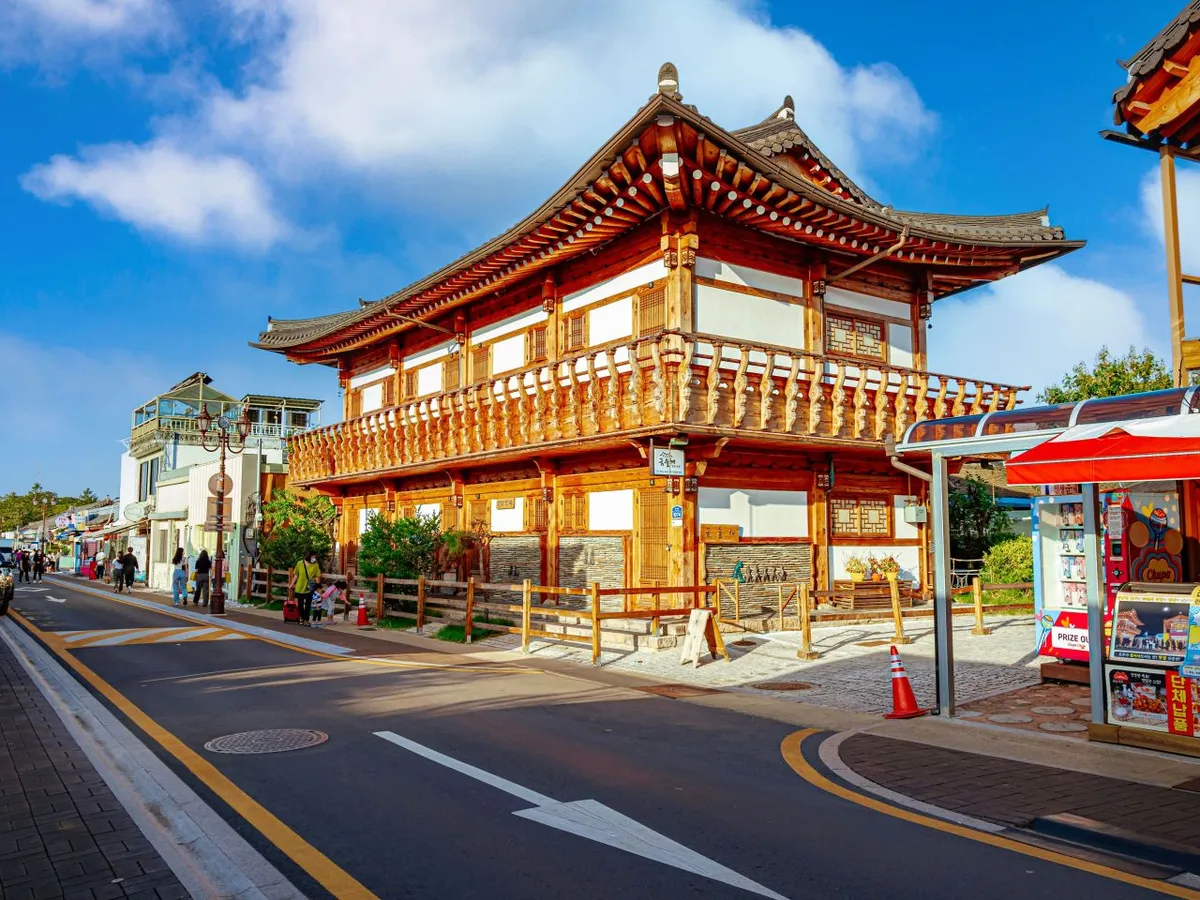
The street has restaurants, cafes, photo studios, and shops housed in traditional hanok buildings. It also keeps a visible layer of older buildings from the 1960s and 1970s, which gives the district a different look from the formal heritage sites nearby.
Hwangnidan-gil is useful because it sits close to Cheomseongdae Observatory, Daereungwon Ancient Tombs, and other central attractions. It is the easiest place in this guide to combine heritage sightseeing with a practical city break without moving to another district.
Opening hours vary by store, and closing days also vary by store. Parking is listed as available, but the area is better planned as a walking base once you are in the central district.
💡 Local Tip: Use Hwangnidan Street as a reset point between heritage stops. It is not the main historical reason to visit Gyeongju, but it makes the city easier to navigate for travelers who need cafes, shops, and a hotel base near the old-city route.
3. Walk the Gyochon and Woljeonggyo Heritage Cluster
Gyeongju Gyochon Traditional Village is located at 39-2 Gyochon-gil. The village centers on the Gyeongju Choi Clan, a family known for maintaining wealth over more than 12 generations.
The village includes the House of the Gyeongju Choi Clan, designated Important Folklore Material No. 27, and Gyeongju Gyodong Beopju Liquor, designated Important Intangible Cultural Asset No. 86-3. It is also connected with the site of Yoseokgung, the house of Silla Princess Yoseok.
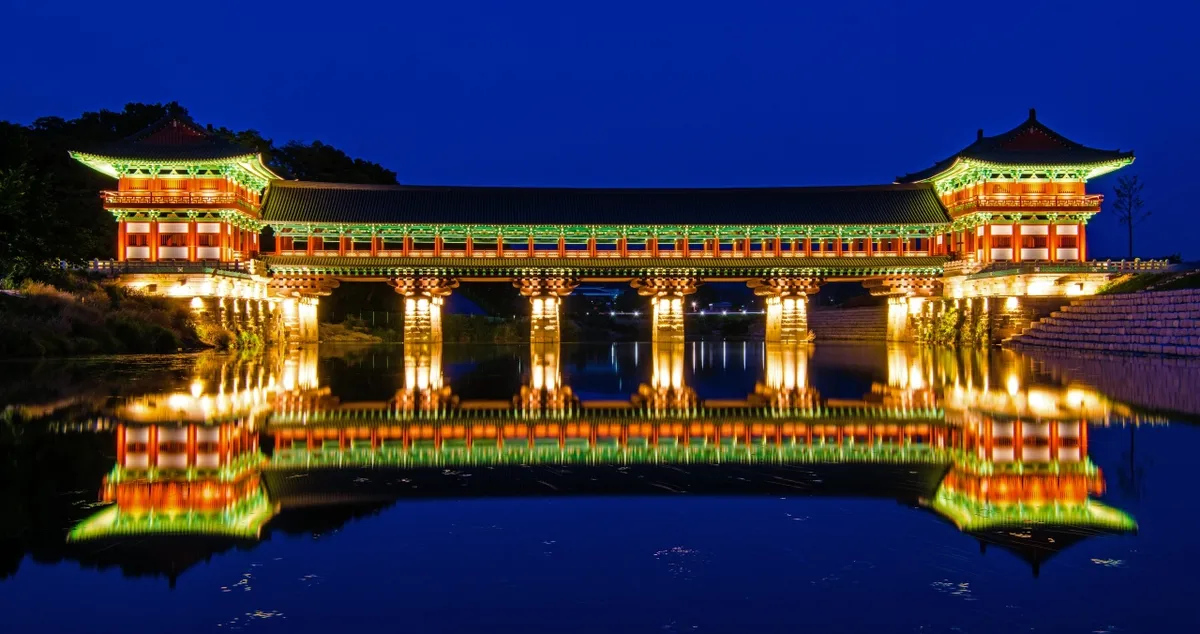
Woljeonggyo Bridge stands in Gyo-dong. The bridge was originally built during the Unified Silla period and was rebuilt in April 2018 after historical research and restoration work. It connected Wolseong and Namsan, and historical sources place its construction in the 19th year of King Gyeongdeok’s reign, AD 760.
Woljeonggyo is listed as open from 09:00 to 22:00 and open all year round. Gyochon Traditional Village is listed as open 24 hours and open all year round, though individual experience centers may follow their own schedules.
📍 TripKorea's Tip: This cluster works best after the central tomb and observatory area. It keeps the route in the same historical landscape, but adds a traditional village, bridge architecture, and family-history context rather than another tomb section.
4. Add Gyeongju National Museum for Silla Artifacts
Gyeongju National Museum stands at 186 Iljeong-ro. The museum houses historical and cultural artifacts of the Silla dynasty and includes programs such as the Children’s Museum School.
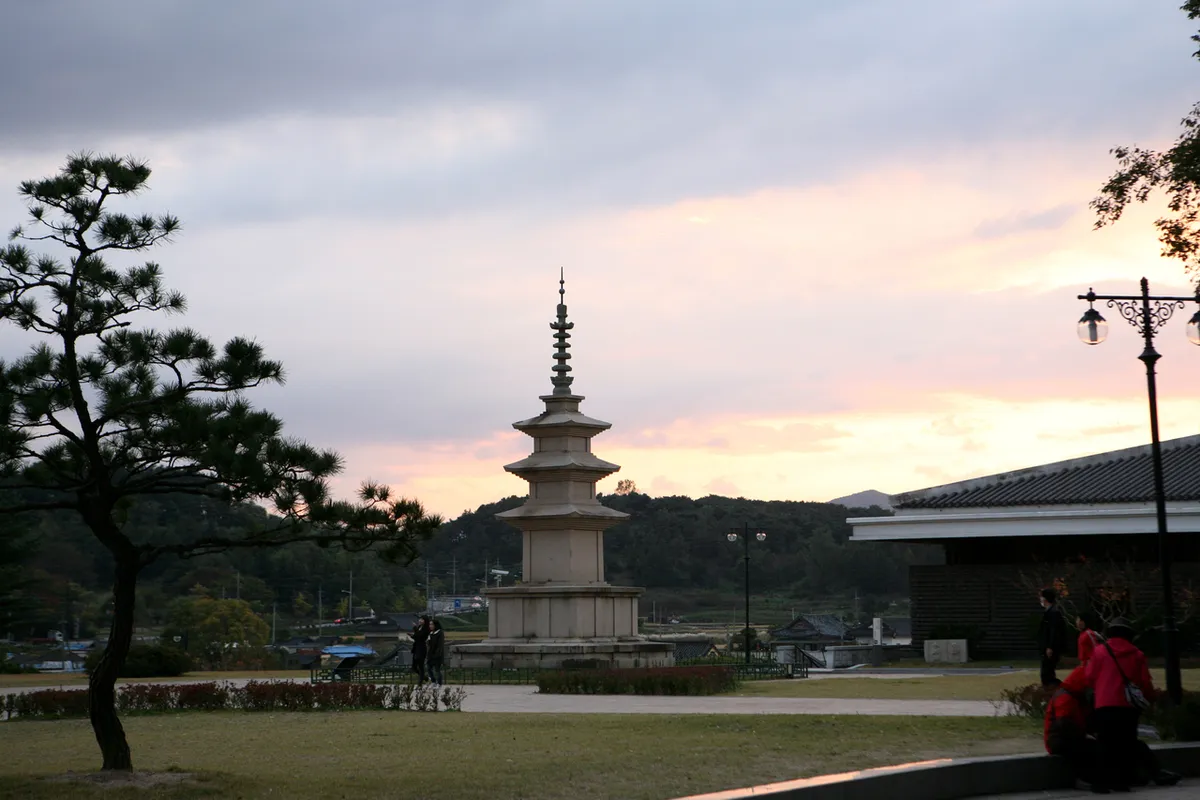
The museum is a strong companion to Daereungwon because artifacts from Cheonmachong Tomb can be seen in the museum collection. That makes the museum useful after visiting the ancient tombs: the outdoor site explains the landscape, while the museum explains the objects and material culture.
Opening hours are listed as 10:00-18:00 on weekdays and 10:00-19:00 on weekends and public holidays. On the last Wednesday of every month and on Saturdays from March to December, hours extend to 21:00. Last admission is 30 minutes before closing.
Admission is free except for special exhibitions, and a free ticket is required before entering. Closures include New Year’s Day, Seollal day, Chuseok, and the first Monday of March and November. The information center is +82-54-740-7500 / 054-740-7500 in Korea.
🚨 Warning: Do not treat the museum as a filler stop. If your route includes Daereungwon, Cheonmachong, or Silla royal history, the museum is one of the most useful places for context.
5. Use Bomun Lake for Resorts and Gyeongju World
Bomun is the easiest district to understand if you are looking for resorts, recreation, and theme-park style activities rather than a full heritage walk. The Gyeongju Special Tourist Zone includes downtown Gyeongju, Bomun Lake Resort, and the Bulguksa Temple district, covering 32,650,000 square meters.
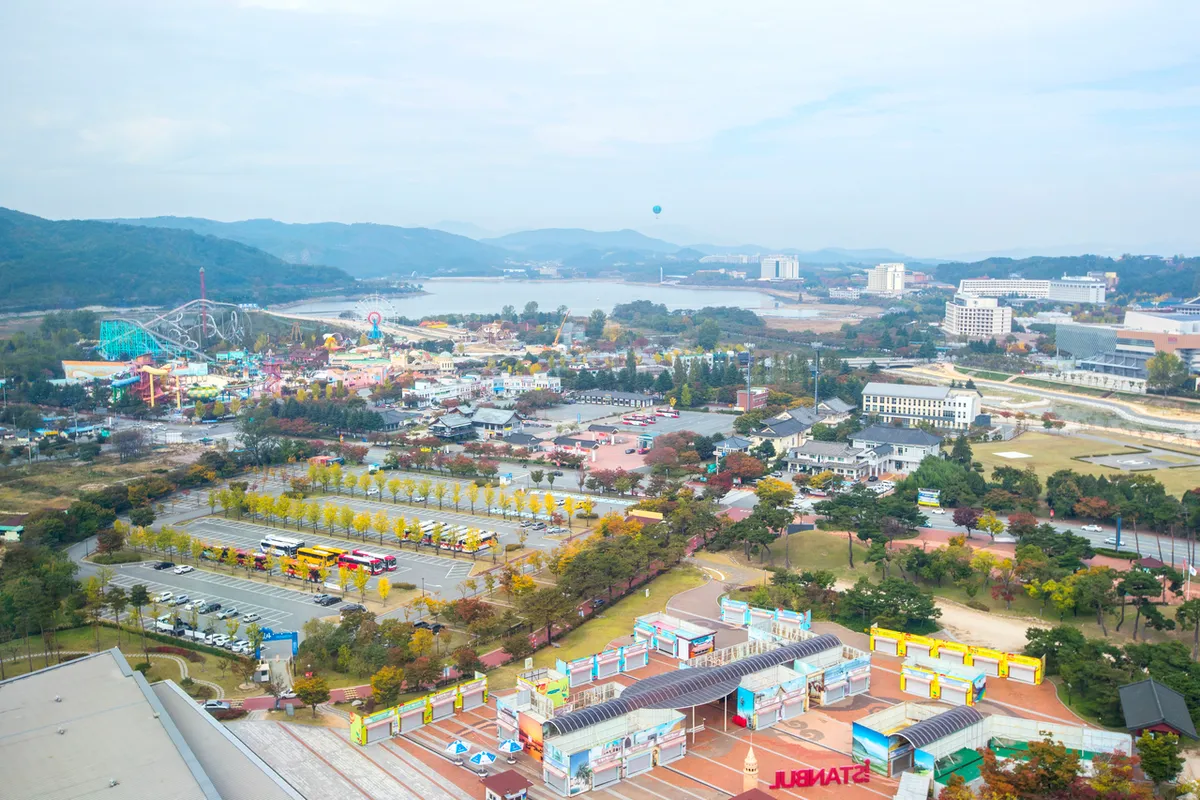
Bomun has recreation facilities around Bomunho Lake. The area includes Gyeongju World Culture Expo Park, Gyeongju World, and other resort-style facilities. This makes Bomun a better base for travelers who want hotels, leisure facilities, and family-oriented attractions in the same district.
Gyeongju World is located at 544 Bomun-ro. It includes California Beach water park in summer and a large-scale snow park in winter, along with rides, convenience facilities, and restaurants. Operating hours vary by month, so visitors should check the official schedule before arrival.
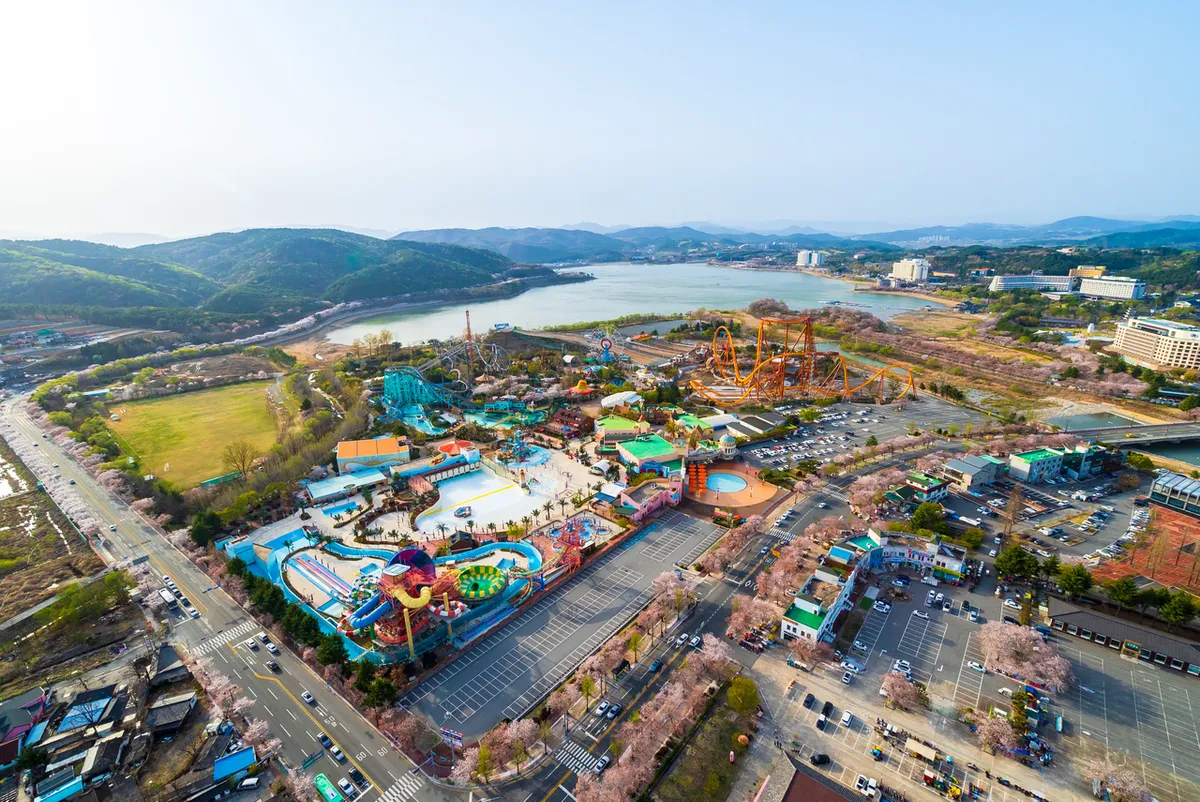
Gyeongju World is classified as a comprehensive amusement facility. The Korean facility listing gives the address as 544 Bomun-ro, Gyeongju-si and a permit date of 2008-01-08. The information center is +82-1544-8765.
📍 TripKorea's Tip: Choose hotels around Bomun Lake if Gyeongju World, resort facilities, or lake-area recreation are your priority. Choose Hwangnidan-gil hotels if Daereungwon, Cheomseongdae, and the central heritage route are your priority.
Gyeongju Travel Guide Planning by District
The outer temple district is important, but this broader city guide keeps that route short and does not repeat the dedicated temple guide. For a city-first route, focus on the central historic area, Hwangnidan-gil, Gyochon, the museum, and Bomun Lake.
If you want a city-first route, start with Daereungwon, Cheomseongdae, Hwangnidan Street, Gyochon, Woljeonggyo, and Gyeongju National Museum. If you want a resort and activity base, shift the focus to Bomun Lake and Gyeongju World.
Central heritage base: Hotels near Hwangnidan-gil
Resort and theme-park base: Hotels near Bomun Lake
All city hotels: Compare Gyeongju hotels
Local activities: Browse things to do in Gyeongju
Transport planning: Check Gyeongju transport options
Frequently Asked Questions
What is Gyeongju known for?
Gyeongju is known as the former capital of the Silla Kingdom from 57 BC to AD 935. Its historic area is a UNESCO World Cultural Heritage site with zones such as Namsan, Wolseong, Daereungwon, Hwangnyongsa Temple Site, and Sanseong.
Is Gyeongju World in the city?
Yes. Gyeongju World is located at 544 Bomun-ro in Gyeongju. It sits in the Bomun Lake area, which is better suited to resort stays and recreation than the central tomb-and-heritage route.
Where should I stay in Gyeongju?
Stay near Hwangnidan-gil for central heritage sites such as Daereungwon, Cheomseongdae, and Woljeonggyo. Stay near Bomun Lake if your priority is Gyeongju World, lake-area hotels, and resort-style facilities.
Does this guide cover the outer temple district?
Only briefly. The outer temple district belongs to a separate route, while this article focuses on Gyeongju as a city: central heritage, Hwangnidan Street, Bomun Lake, and Gyeongju World.
Is Gyeongju National Museum free?
Yes. Admission is listed as free except for special exhibitions, and visitors need a free ticket before entering. Opening hours and closure dates should be checked before arrival.
Plan Your Gyeongju Basecamp
1. Choose the right hotel district
Best Hotels near Hwangnidan-gil
Best Hotels near Bomun Lake
Explore All Hotels in Gyeongju
2. Add activities around the city
Discover Things to Do in Gyeongju
3. Plan city access before arrival
Reserve Gyeongju Transport Options
Use this Gyeongju travel guide to separate the city into two clear bases: the central historic area for Silla heritage, tombs, streets, and museum context; and Bomun Lake for hotels, recreation, and Gyeongju World.
Sources & References
Data Sources:
Tourist Attraction Info: Korea Tourism Organization (TourAPI)
Photos: Korea Tourism Organization Photo Korea
Theme Park Database: KTO Amusement Facility Records (2021)
Official Sites:
Last verified: 2026-08-16
All information verified at time of publication. Operating hours and admission details may change. Please confirm before visiting.