Daejeon links Korea's science district, modern history sites, urban gardens, hot springs, and one bakery that has become part of the city's travel identity. This Daejeon travel guide focuses on seven verified stops that work well for visitors who want more than a transit point between major cities.
The route is built around Yuseong, Dunsan, Expo-ro, Jungang-ro, and Daejeon Station. It keeps the focus on attractions, museums, public gardens, and city landmarks, with Sungsimdang included as a central Daejeon stop because it is officially listed as a local food venue and is closely tied to the city's visitor flow.
1. National Science Museum: Start With Daejeon's Science Identity
National Science Museum (국립중앙과학관) sits at 481 Daedeok-daero, Yuseong-gu, Daejeon. Its permanent exhibition hall contains approximately 4,200 works across 322 subjects in four fields, while the outdoor exhibition area displays large-scale scientific materials including airplanes, propellers, and airboats.
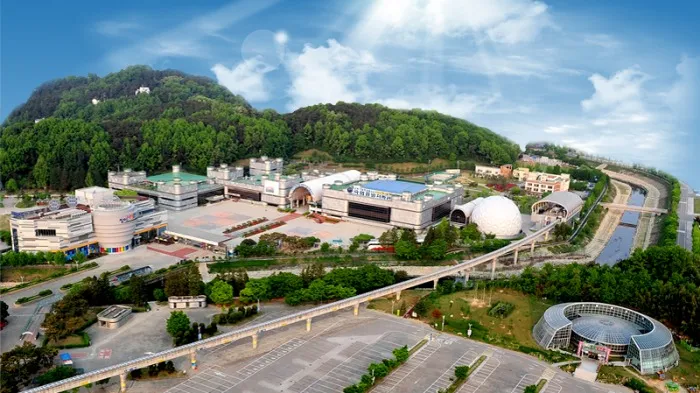
The museum is also listed with an observatory hall in a dome-shaped structure, a planetarium, special exhibitions, contest-related displays, and education programs such as model plane classes and computer classes. For a city itinerary, this is the clearest first stop because it explains why the city is often associated with science, research, and education rather than only urban sightseeing.
Practical details: The museum's listed hours are 09:30-17:50. It is closed on Mondays, with the closure moved to the following day when Monday is a public holiday, and it is also closed on January 1, Seollal, and Chuseok. Parking is available; the listed parking fee is 3,000 won for the first five hours and 500 won for each additional 30 minutes. Exhibition fees vary by exhibition.
💡 TripKorea's Tip: Keep this stop as the anchor for Yuseong and Expo-ro. Several other science and exhibition facilities are located nearby, so it is easier to build a half-day around this area than to cross the whole city after every stop.
2. Daejeon Expo Park: Hanbit Tower and the 1993 Expo Legacy
Daejeon Expo Park (대전엑스포과학공원) is located at 480 Daedeok-daero, Yuseong-gu, Daejeon. The park was established after the closing of the Daejeon Expo in 1993 and includes Hanbit Tower, the representative tower of the Daejeon World Expo, along with public plaza spaces and fountain areas.
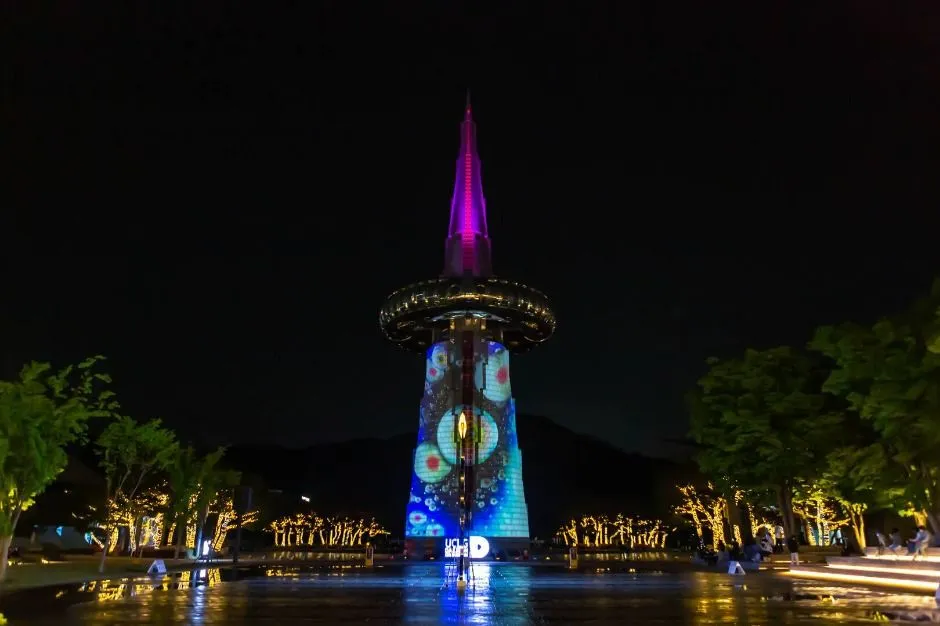
This is the most direct outdoor companion to the National Science Museum. It gives the district a public-space layer: visitors can connect the museum's exhibition focus with the Expo site's civic and architectural memory. The listed overview also notes nighttime media facade and lighting effects around Hanbit Tower, so the site can work as a later stop if the day's plan stays around Yuseong and Expo-ro.
Nearby, Daejeon Expo Aquarium (대전 엑스포 아쿠아리움) is listed at 1 Expo-ro, Yuseong-gu. It combines living marine life with media art and is themed around Greek mythology's sea world. Listed visitor programs include underwater ballet, feeding shows, magic performances, sea exploration boat rides, seawalker experiences, scuba diving, fish feeding, and 5D experiences.
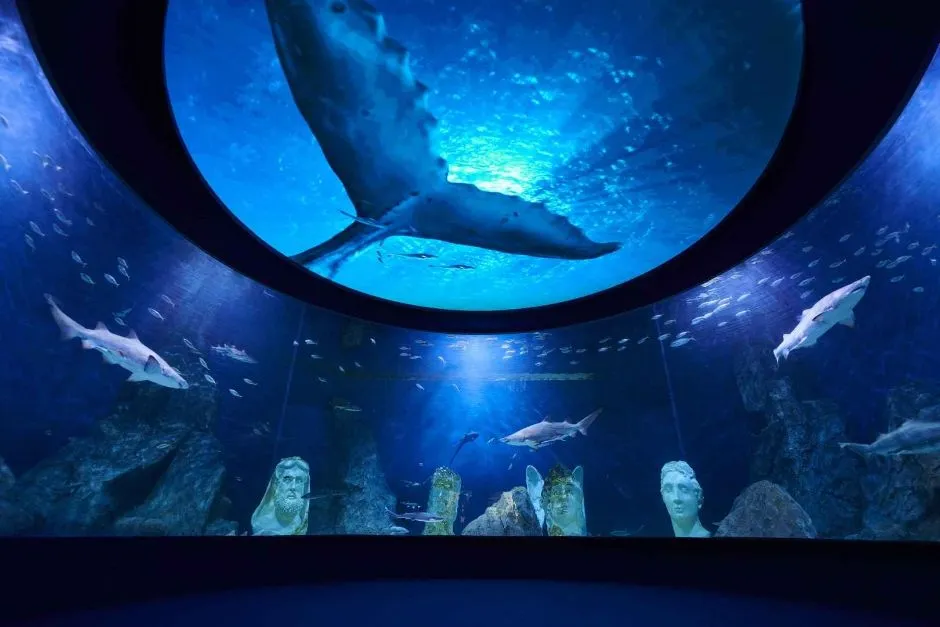
💡 TripKorea's Tip: Treat Expo Park and the aquarium as the flexible part of the day. Expo Park is useful for open-air space and city photographs, while the aquarium gives the area an indoor option when the weather changes.
3. Daejeon Museum of Art: Contemporary Art Beside Hanbat Arboretum
Daejeon Museum of Art (대전시립미술관) is located at 155 Dunsan-daero, Seo-gu, Daejeon. The museum is listed with exhibition halls, a storage facility, an outdoor garden, a lounge, and a gift shop. Its collection includes paintings, sculptures, photographs, and crafts.
The museum's exhibitions include permanent collections, storage displays, and contemporary art showcases. It also lists hands-on programs such as printmaking, folk painting, Korean paper art, traditional dyeing, embroidery crafts, and pen drawing. This gives the guide a cultural stop that is not dependent on Korea's older palace or temple route, which keeps the Daejeon itinerary separate from more common palace, hanok, or temple themes.
The museum is especially practical because it sits in the same broad Dunsan cultural zone as Hanbat Arboretum. Visitors can pair indoor exhibitions with a garden walk, or choose only the museum when rain or heat makes outdoor time difficult.
💡 TripKorea's Tip: Use the museum as the main indoor culture stop in Seo-gu. If an exhibition is the reason for visiting, check the official museum page before arrival because exhibition programs rotate.
4. Hanbat Arboretum: Korea's Largest Man-Made Urban Arboretum
Hanbat Arboretum (한밭수목원) is located at 169 Dunsan-daero, Seo-gu, Daejeon. It is listed as the largest man-made urban arboretum in Korea, with a lot measuring 387,000 square meters. The site is divided into three major sections: the West Garden, Nammun Square, and the East Garden.
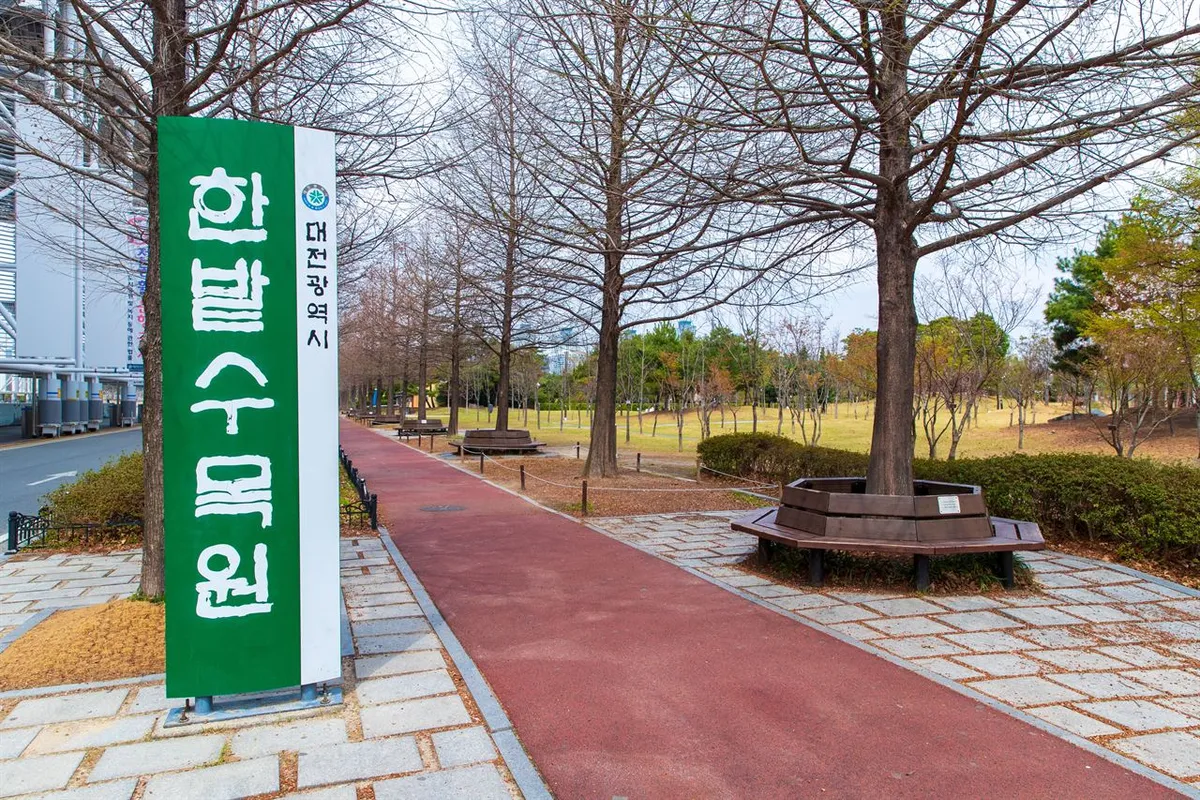
The West Garden and Nammun Square opened on April 28, 2005, and the East Garden opened on May 9, 2009. The East Garden includes 19 themed parks, including a Magnolia Garden, Medicinal Herbs Garden, Rock Garden, and Fruit Garden. The arboretum is linked with Government Complex-Daejeon and the Science Park area, which makes it a practical green stop between museums and Expo facilities.
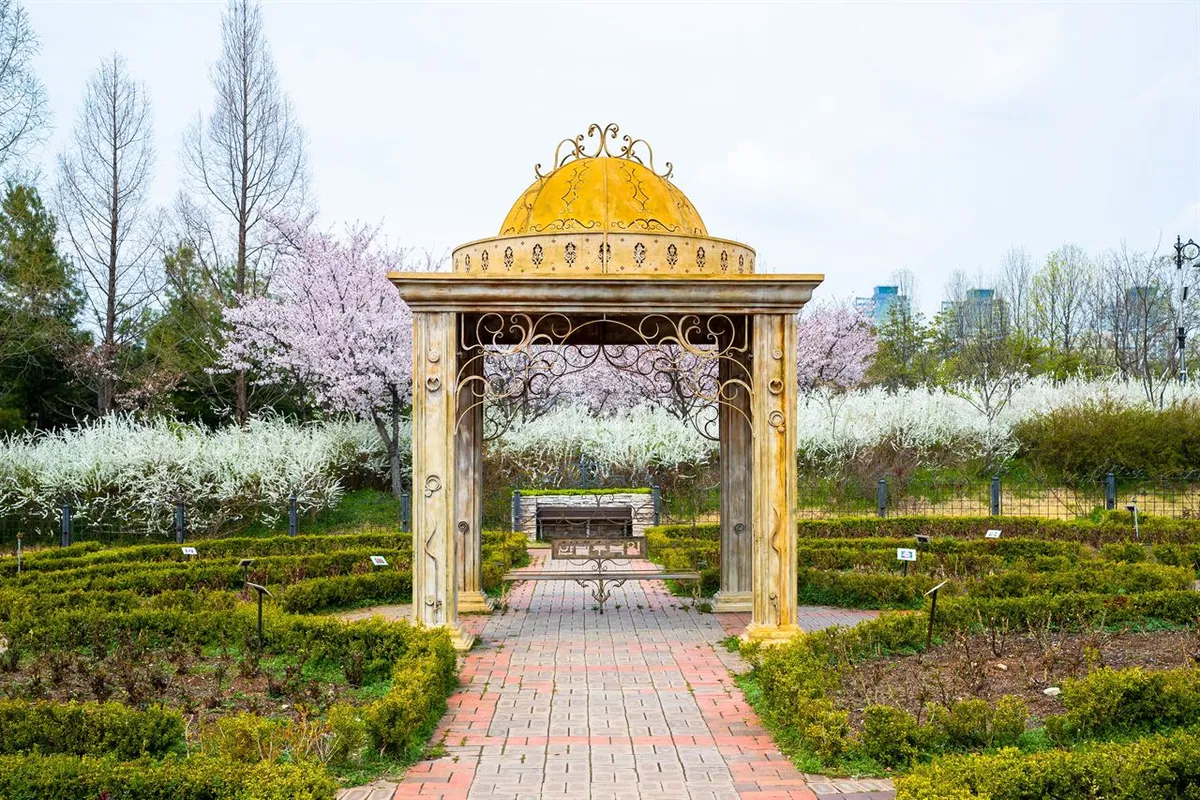
For visitors using this article as a city plan, Hanbat Arboretum is the main nature break. It is not a mountain hike or a remote national park; it is an urban garden with educational and recreational functions inside the city.
💡 TripKorea's Tip: Pair Hanbat Arboretum with Daejeon Museum of Art rather than treating it as a separate cross-city trip. The two stops are close enough in theme and area to form one culture-and-garden block.
5. Daejeon Modern History Exhibition Hall: Jungang-ro's Civic Memory
Daejeon Modern History Exhibition Hall (대전근현대사전시관) is located at 101 Jungang-ro, Jung-gu, Daejeon, inside the former main building of the Chungcheongnam-do Provincial Government. The hall opened to the public on October 1, 2013, and presents the history and development of Daejeon over the past 100 years, from the early 20th century to the present.
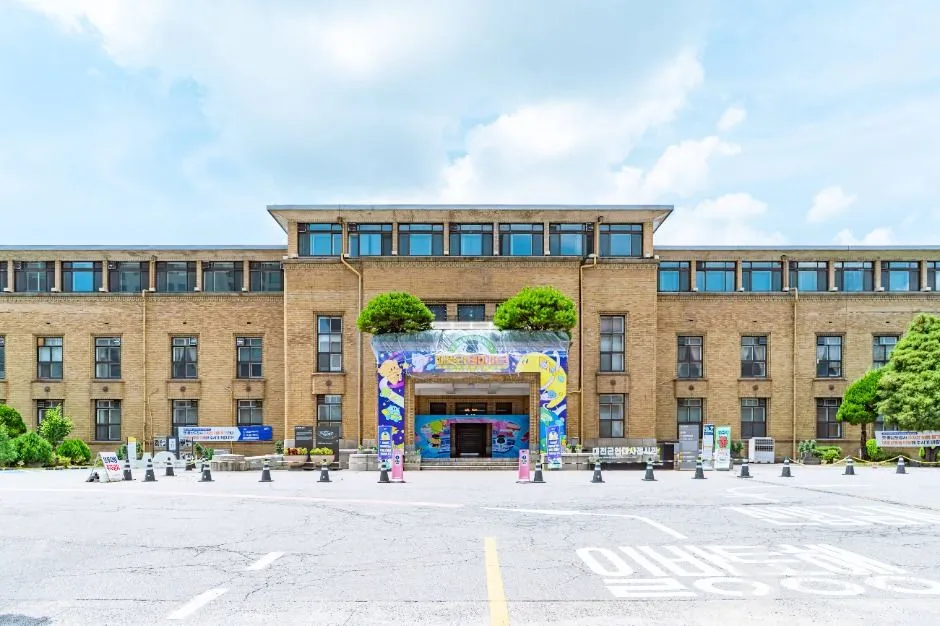
The facility includes planned exhibitions, special exhibitions across history, architecture, design, folk culture, and other fields, plus rotating exhibitions. The listed cultural programs also include tours of the former provincial government main building, music concerts, and cultural education programs.
This stop gives the guide a city-history section near Jungang-ro. It works well before or after the central bakery and market area because the addresses are close enough to keep the day focused on central Daejeon rather than turning it into a scattered list.
💡 TripKorea's Tip: Use this hall to understand Daejeon as a modern administrative and urban center. It is a stronger fit for travelers interested in city history than for visitors looking only for theme parks or shopping streets.
6. Yuseong Hot Springs and Foot Spa: A Historic Thermal District
Yuseongoncheon Hot Springs (유성온천지구) is located along Oncheon-ro in Yuseong-gu, Daejeon. The hot spring district is listed as being known since the 7th century, with water temperatures ranging from 27 to 56 degrees Celsius. The water is described as alkaline, with a pH range from 7.5 to 8.5, and flows from a depth of 200 meters underground.
Yuseong Foot Spa (유성 족욕체험장), located within the hot springs area, uses 40°C natural hot spring water. The listed foot spa area covers 20,778 square meters and can accommodate about 200 people simultaneously across four foot-spa areas. It is listed as free to use and includes a separate area for washing feet before entering the baths.
This is the guide's slow-paced stop. It is not a museum or a science facility, but it is one of Daejeon's long-running visitor districts and gives Yuseong a reason to stay on the itinerary after the science and Expo area.
🚨 Note: Hot spring and foot-spa operations can be affected by maintenance, weather, and local management schedules. Confirm current conditions through the official Yuseong tourism page before planning the stop as the main purpose of a visit.
7. Sungsimdang and Jungang Market: Central Daejeon's Required Stop
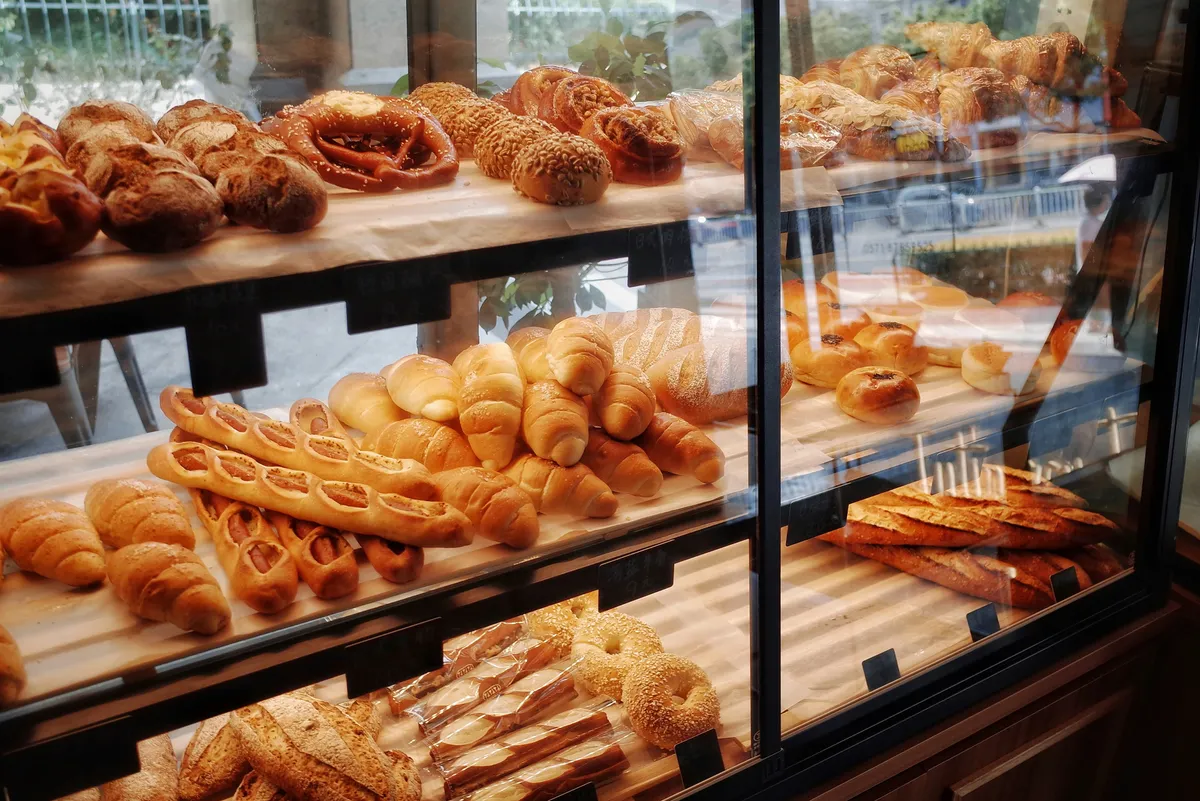
Sungsimdang (성심당) is located at 15 Daejong-ro 480beon-gil, Jung-gu, Daejeon. It was first established in 1956 as a small bakery selling jjinbbang, or steamed buns, in front of Daejeon Station. It is now listed as an iconic bakery representing Daejeon and Korea's baked goods, with nearly 400 varieties of handmade baked goods.
The listed representative menu includes twigim soboro, also called fried soboro bread, and pantalong leek bread. Listed hours are 08:00-22:00, and the venue is listed as open all year round. The listed phone number is 1588-8069.
Nearby, Daejeon Jungang Market (대전 중앙시장) is located at 783 Daejeon-ro, Dong-gu, Daejeon. It is a large comprehensive market made up of smaller markets, including Jungang Comprehensive Market, Jungang Arcade Market, Jayu Wholesale Market, New Jungang Market, and Jungang Wholesale Market. Its sections include dried seafood street, hardware street, fish street, herbal medicine street, hanbok street, and delicacy street, stretching from Daejeon Station toward Daejeoncheon Stream.
This section is included because a Daejeon article that ignores Sungsimdang does not match how many domestic visitors recognize the city. In this guide, it is treated as a central Daejeon landmark stop, not as a restaurant review. For a simple city base, check Hotels in Daejeon and keep the Jungang-ro, Daejeon Station, and Yuseong areas in mind when comparing access.
💡 TripKorea's Tip: Put Sungsimdang after the Modern History Exhibition Hall or before Jungang Market. This keeps the central Daejeon section compact and avoids unnecessary backtracking between Yuseong and Jung-gu.
Frequently Asked Questions
What is Daejeon best known for among these attractions?
Daejeon is strongly associated with science and research, and the National Science Museum and Expo Park make that identity visible to visitors. The city also has modern history exhibitions, urban gardens, hot springs, and central-market districts.
Should Sungsimdang be included in a Daejeon itinerary?
Yes. Sungsimdang is officially listed as a Daejeon food venue and was established in 1956 near Daejeon Station. This guide includes it as a central city landmark stop rather than as a food review.
Is Daejeon good for museums?
Yes. National Science Museum, Daejeon Museum of Art, and Daejeon Modern History Exhibition Hall give the city a strong museum route across science, contemporary art, and civic history.
Where should visitors stay for this Daejeon itinerary?
Yuseong is practical for the science museum, Expo Park, and hot springs. Central Daejeon around Jungang-ro and Daejeon Station is practical for Sungsimdang, Jungang Market, and the Modern History Exhibition Hall.
Are these Daejeon attractions all indoor?
No. The guide mixes indoor museums and exhibition halls with outdoor sites such as Hanbat Arboretum, Expo Park, and Yuseong Hot Springs. Daejeon Expo Aquarium and the museums are the strongest indoor options.
Plan Your Daejeon Travel Guide Base
A strong Daejeon travel guide works best when the city is divided into two practical zones: Yuseong and Expo-ro for science, gardens, aquarium, and hot springs; Jungang-ro and Daejeon Station for modern history, Sungsimdang, and Jungang Market.
Secure a city base: Browse Hotels in Daejeon
Compare local activities: Find Things to Do in Daejeon
Check broader transport options: Review Daejeon Transport Options
Sources & References
Data Sources:
Tourist Attraction Info: Korea Tourism Organization (TourAPI)
Food Venue Info: Korea Tourism Organization (TourAPI)
Shopping and Market Info: Korea Tourism Organization (TourAPI)
Photos: Korea Tourism Organization (공공누리 1유형)
Official Sites:
Last verified: 2026-08-21
All information verified at time of publication. Operating hours, admission fees, programs, and facility access may change. Please confirm before visiting.