Incheon Open Port Area traces one of Korea’s earliest international port districts, with Incheon Port opened in 1883 and several nearby streets, parks, and museums preserving the city’s modern-era layers. This guide covers the historic streets around Chinatown, Jayu Park, Daebul Hotel Exhibition Hall, Jjajangmyeon Museum, Songwol-dong Fairy Tale Village, and Wolmido Island.
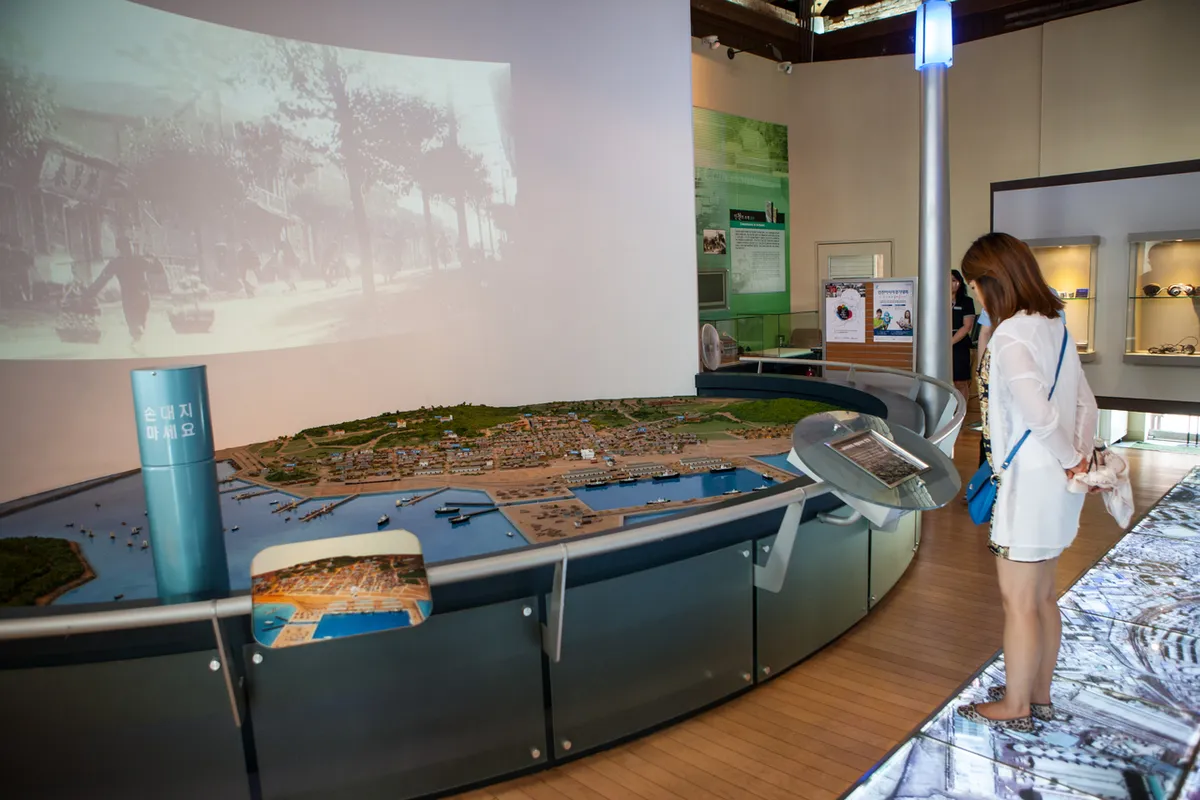
1. Incheon Open Port Area Guide: Historic Streets Around the Old Port
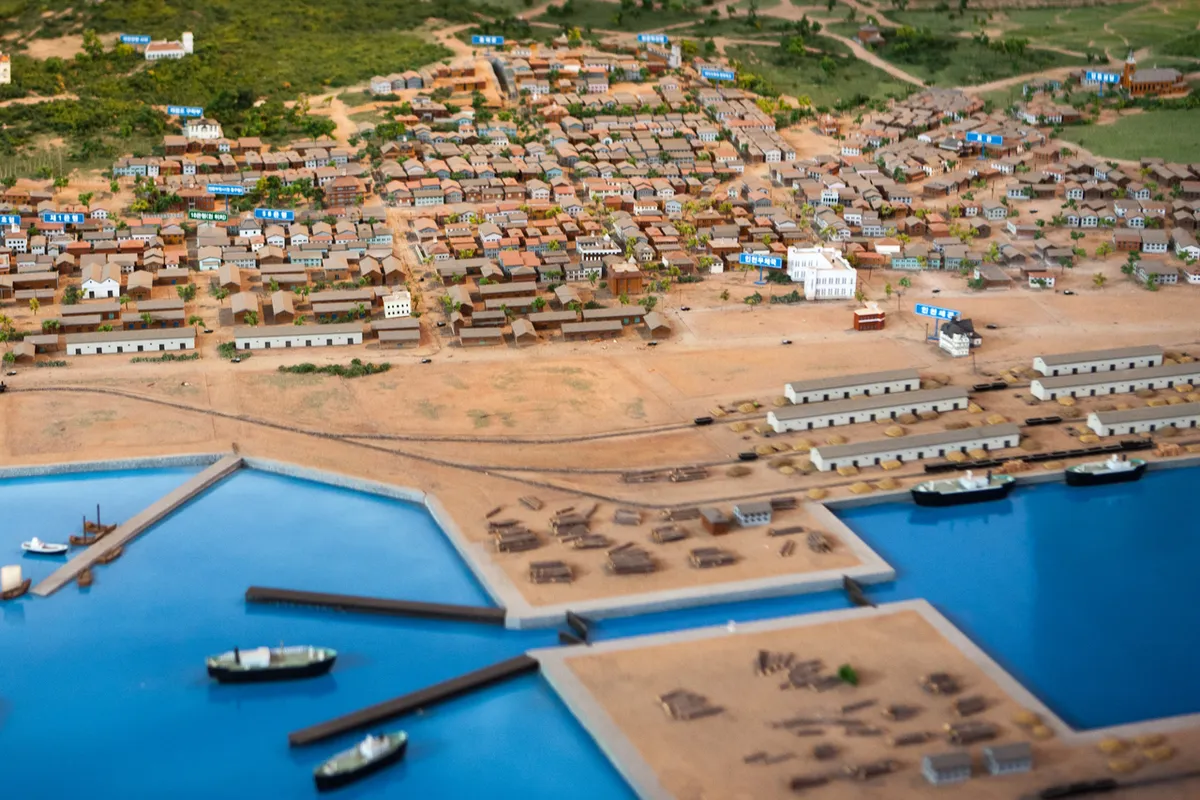
The Incheon Open Port district sits around today’s Jemulpo-gu, close to Chinatown, Sinpo, and the hill leading toward Jayu Park. The area is useful for visitors who want one compact cultural district rather than a city-wide itinerary. Streets here connect early modern buildings, former settlement zones, museum spaces, and public viewpoints within the same central neighborhood.
Because the district is built around preserved sites and adapted buildings, the main value is not a single entrance gate or one monument. The route works as a walking-based historic quarter: visitors can move between brick exhibition halls, old port references, Chinatown streets, and hillside park paths while staying within the older core of Incheon.
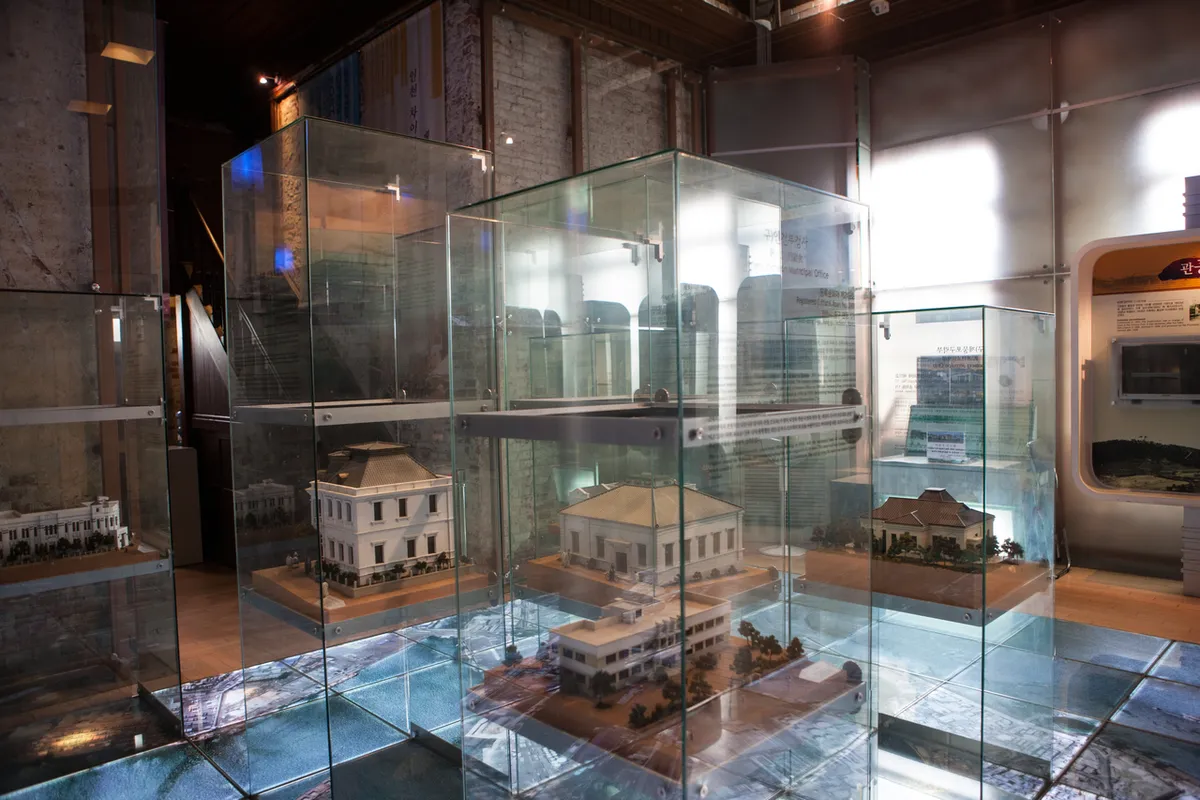
Daebul Hotel Exhibition Hall is one of the key stops for understanding this district. It stands on the site of Daebul Hotel, Korea’s first Western-style hotel, established in 1889. The hotel was demolished in 1978, but parts of the original structure were discovered in 2011 and the building was rebuilt to preserve its appearance. The first floor introduces traces of the former hotel, while the second floor is the Jung-gu Life History Museum, covering everyday life in Incheon’s Jung-gu area in the 1960s and 1970s.
Daebul Hotel Exhibition Hall: 101 Sinpo-ro 23beon-gil, Jemulpo-gu, Incheon.
Hours: 09:00-18:00, with last admission at 17:30.
Closed: Mondays, New Year’s Day, Seollal, and Chuseok. If Monday is a public holiday, the following business day is closed instead.
Admission: Individuals: Adults 1,000 won; Teenagers 700 won. Children enter free.
Phone: 032-766-2202.
📍 TripKorea's Tip: Treat the Open Port district as a cluster, not a single checklist. The most coherent route keeps the old port streets, Chinatown, and Jayu Park together before adding Wolmido as a separate waterfront stop.
2. Chinatown and Jjajangmyeon Museum
Incheon Chinatown developed after the opening of Incheon Port in 1883 and the designation of the area as an extraterritorial zone of the Qing dynasty in the following year. The district’s historic role is tied to trade, settlement, and Chinese-Korean community history. Today, many visitors know the area for restaurants, but a Destination guide should read the streets as part of the wider Open Port story.
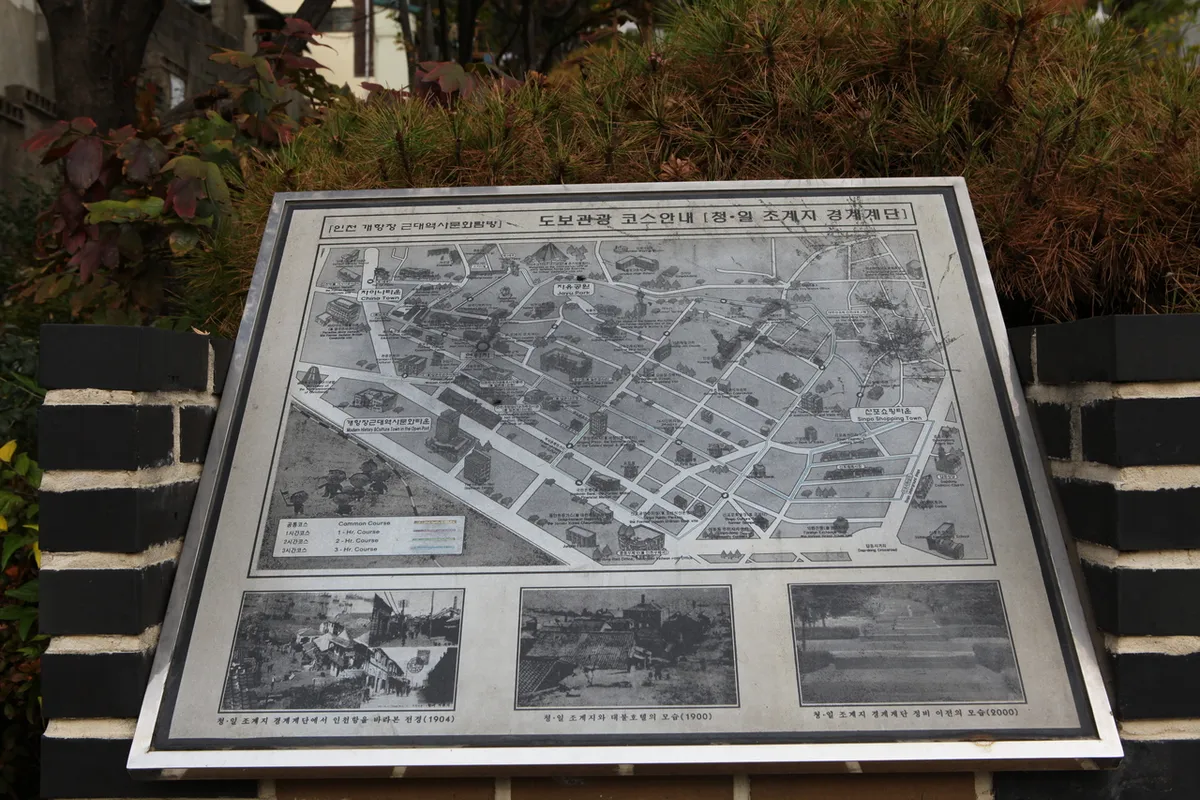
The main Chinatown streets are close to the old foreign settlement area, so the neighborhood works best when paired with surrounding historic sites rather than treated only as a food stop. Its official address is 20 Chinatown-ro 59beon-gil, Jemulpo-gu, Incheon. Parking is listed as available, and the tourist information number is 032-777-1330.
Jjajangmyeon Museum adds a cultural-facility stop inside the same district. The museum is built in the former Gonghwachun building, described as the official birthplace of jjajangmyeon. Gonghwachun operated in the brick building until 1983, and the structure was later renovated as a museum. The museum has six permanent exhibition rooms and one special exhibition room, showing the birth and transformation of jjajangmyeon, different types and recipes, and reconstructions of the former reception room and kitchen.
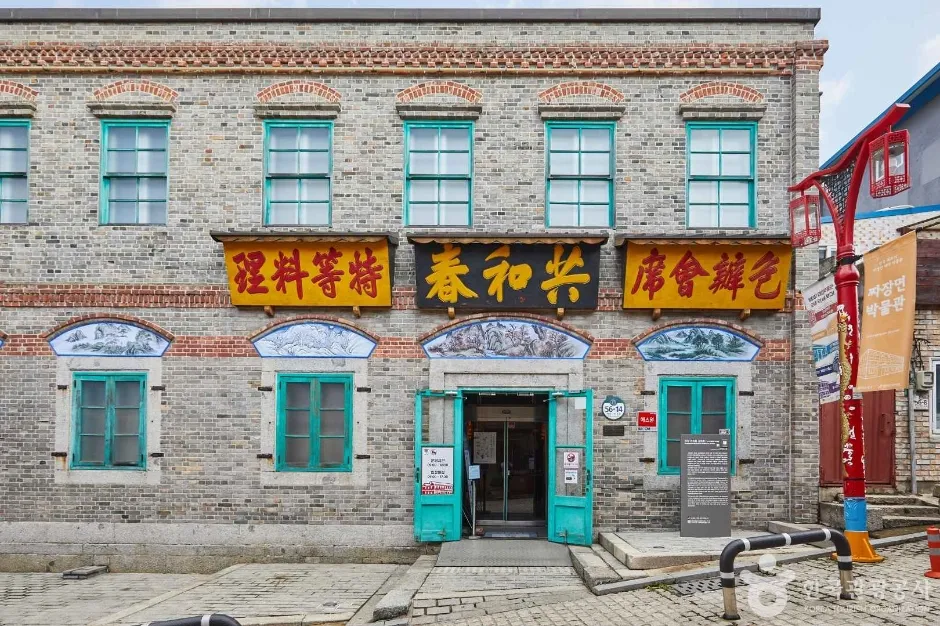
Jjajangmyeon Museum: 56-14 Chinatown-ro, Jemulpo-gu, Incheon.
Hours: 09:00-18:00.
Closed: Mondays.
Admission: Adults 1,000 won; teenagers ages 12 and older 700 won; children ages 11 and younger enter free.
Phone: 032-773-9812.
💡 Local Tip: Keep the Chinatown section focused on street history, settlement context, and the museum. Restaurant choices change frequently, so this guide does not list individual restaurants unless verified separately.
3. Jayu Park: Korea’s First Western-Style Park
Jayu Park is listed as Korea’s first Western-style park, built five years after the opening of Incheon Port. Its hilltop position gives the Open Port district a public green space above the old port streets, with paths, benches, rest areas, a pagoda, and memorial structures.
The park includes the Korea-U.S.A. Centennial Monument, built in 1982 to commemorate the 100th anniversary of the treaty of peace, commerce, and navigation between Korea and the United States. A statue of General MacArthur also stands in the park, connected to the memory of Operation Chromite during the Korean War.
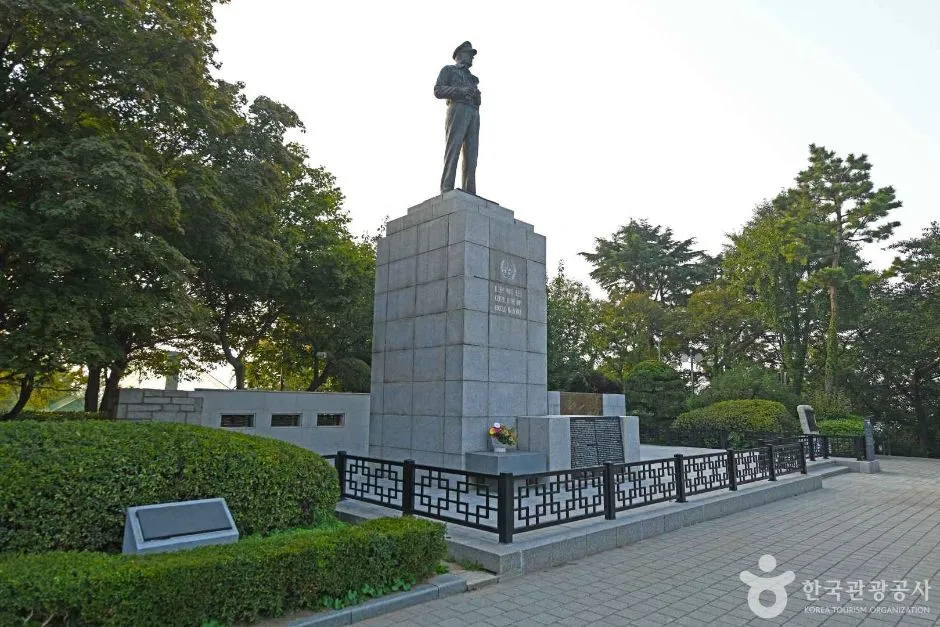
For visitors using the Incheon Open Port Area as a half-day cultural stop, Jayu Park works as the upper end of the route. It balances the lower streets and museums with a park setting. The official address is 46 Jemullyang-ro 232beon-gil, Jemulpo-gu, Incheon. The park is listed as open 24 hours, open year-round, and served by public parking.
Address: 46 Jemullyang-ro 232beon-gil, Jemulpo-gu, Incheon.
Hours: Open 24 hours.
Closed: Open year-round.
Parking: Public parking lot available.
Phone: 032-760-7597.
🚨 Warning: Jayu Park is open 24 hours, but museum hours in the surrounding district are separate. Check museum closing days before building a weekday route.
4. Songwol-dong Fairy Tale Village Near the Open Port Route
Songwol-dong Fairy Tale Village is near the Chinatown and Jayu Park area, making it a practical add-on when the main Open Port route is already planned. The name Songwol-dong refers to a view of the moon between pine forest. The neighborhood changed after Incheon Port opened in 1883, when foreigners began settling in the area.
The village later faced stagnation as younger residents moved away. A renovation project decorated the area with murals and sculptures based on classic fairy tales, turning it into a themed village landscape. The official address is Songwol-dong 3-ga, Jemulpo-gu, Incheon.
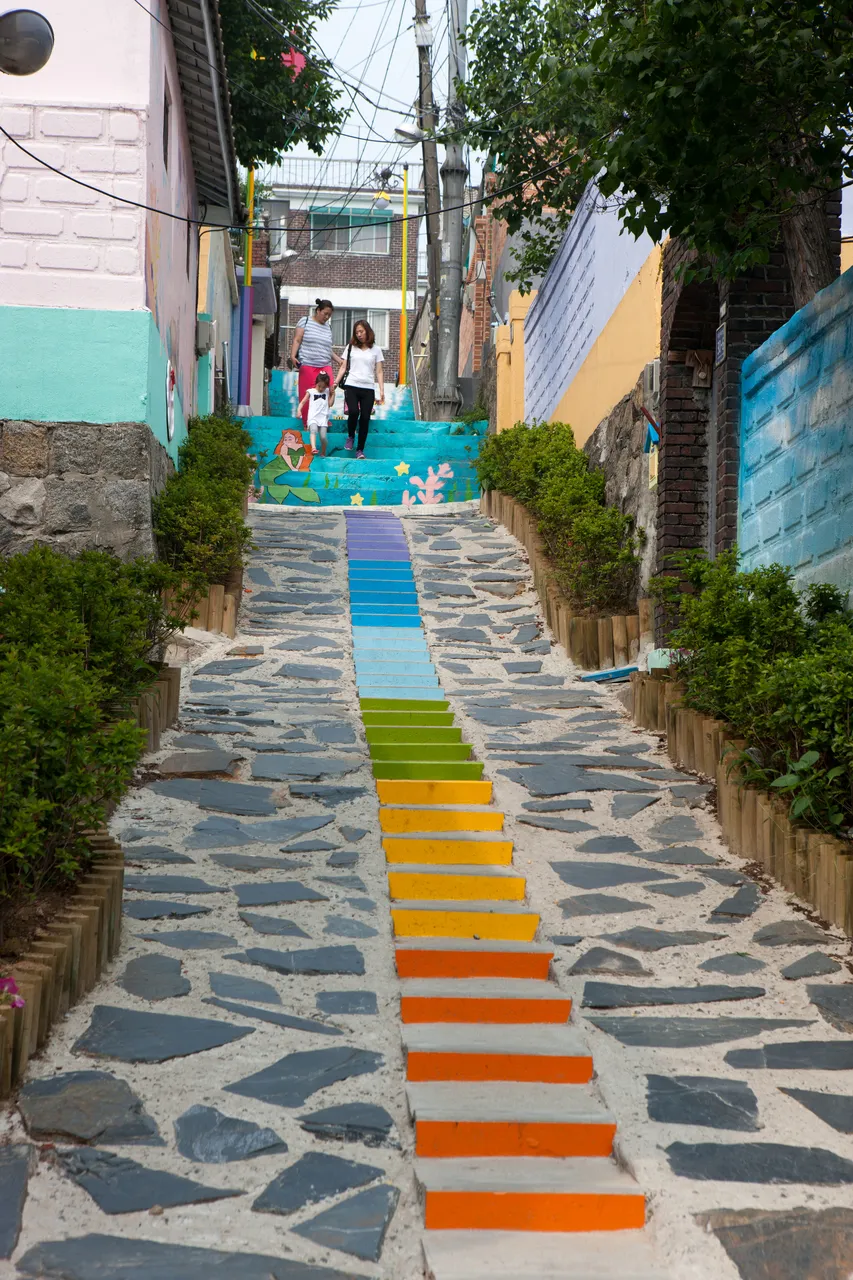
This stop should be framed carefully. It is not a historical museum in the same sense as Daebul Hotel Exhibition Hall, but it helps show how older neighborhoods around the port have been reused for visitor movement and street-level sightseeing. It is listed as open 24 hours and open year-round, with parking available.
Address: Songwol-dong 3-ga, Jemulpo-gu, Incheon.
Hours: Open 24 hours.
Closed: Open year-round.
Phone: 032-764-7494.
📍 TripKorea's Tip: Add Songwol-dong after Chinatown or Jayu Park, not as the main reason for the trip. The main article angle remains the Open Port district’s historic streets and cultural facilities.
5. Wolmido Island as a Waterfront Extension
Wolmido Island is a short extension from the central Open Port district and gives the article a waterfront ending without changing the city base. Historical documentation for Wolmido is limited, but the island is associated with a temporary palace built in 1653 during the reign of King Hyojong. The palace stood on the eastern side of the island, though no visible traces remain today.
From the late 1920s into the 1930s, Wolmido developed as a resort area. Wolmi Culture Street opened in July 1989, strengthening the island’s visitor function. Although Wolmido is about 1 kilometer off the coast, it is now connected to the mainland through modern construction, so it functions as an accessible waterfront district rather than a remote island visit.
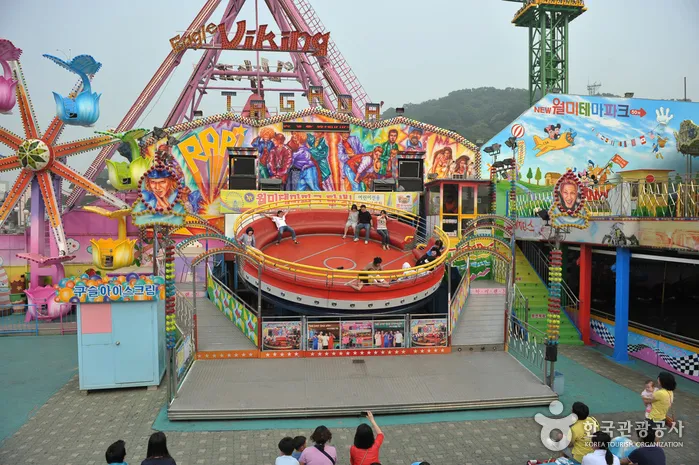
Wolmido’s official address is 36 Wolmimunhwa-ro, Jemulpo-gu, Incheon. Parking is listed as available, and the tourist information number is 032-765-4169. For lodging, the most natural internal base is Hotels near Incheon Chinatown if the focus is the Open Port district, or Hotels in Songdo if the trip also includes a modern Incheon stay.
Visitors planning additional reservations or guided activities can use Things to Do in Incheon. For city-to-city movement and airport-linked planning, use Incheon transport options.
💡 Local Tip: Keep Wolmido as a second-stage stop. The Open Port streets, museums, Chinatown, Songwol-dong, and Jayu Park are closer together, while Wolmido works better as the waterfront finish.
Frequently Asked Questions
What is the Incheon Open Port Area?
It is the historic district around the old port area of Incheon, connected to the opening of Incheon Port in 1883. The area includes Chinatown, modern-era buildings, museum spaces, Jayu Park, and nearby street districts in Jemulpo-gu.
Is Incheon Chinatown part of the Open Port route?
Yes. Incheon Chinatown is directly connected to the port-opening history of the district. It developed after the opening of Incheon Port and the designation of the area as an extraterritorial zone of the Qing dynasty in the following year.
Which museums are useful for the route?
Daebul Hotel Exhibition Hall and Jjajangmyeon Museum are useful cultural-facility stops. Daebul Hotel Exhibition Hall covers the site of Korea’s first Western-style hotel, while Jjajangmyeon Museum is housed in the former Gonghwachun building.
Is Jayu Park open at night?
Jayu Park is listed as open 24 hours and open year-round. Museum hours and closing days nearby are different, so check individual facilities before visiting on Mondays or public holidays.
Where should visitors stay for this route?
The closest TripKorea hotel base for this guide is Hotels near Incheon Chinatown. Songdo can also work for travelers combining the historic district with modern Incheon waterfront areas.
🎒 Set Up Your Incheon Basecamp
1. Secure a Strategic Hotel
Best Hotels near Incheon Chinatown
Hotels in Songdo for Modern Incheon Trips
2. Add Verified Activities
Discover Things to Do in Incheon
3. Plan City and Airport Movement
Reserve Incheon Transport Options
The Incheon Open Port Area works best as a compact cultural route: start with the historic port streets, add Chinatown and the museums, climb to Jayu Park, and finish with Songwol-dong or Wolmido depending on time.
Sources & References
Data Sources:
Tourist Attraction Info: Korea Tourism Organization (TourAPI)
Cultural Facility Info: Korea Tourism Organization (TourAPI)
Photos: Korea Tourism Organization (PhotoKorea / TourAPI image records)
Official Sites:
Last verified: 2026-08-28
All information verified at time of publication. Operating hours and admission fees subject to change. Please confirm before visiting.