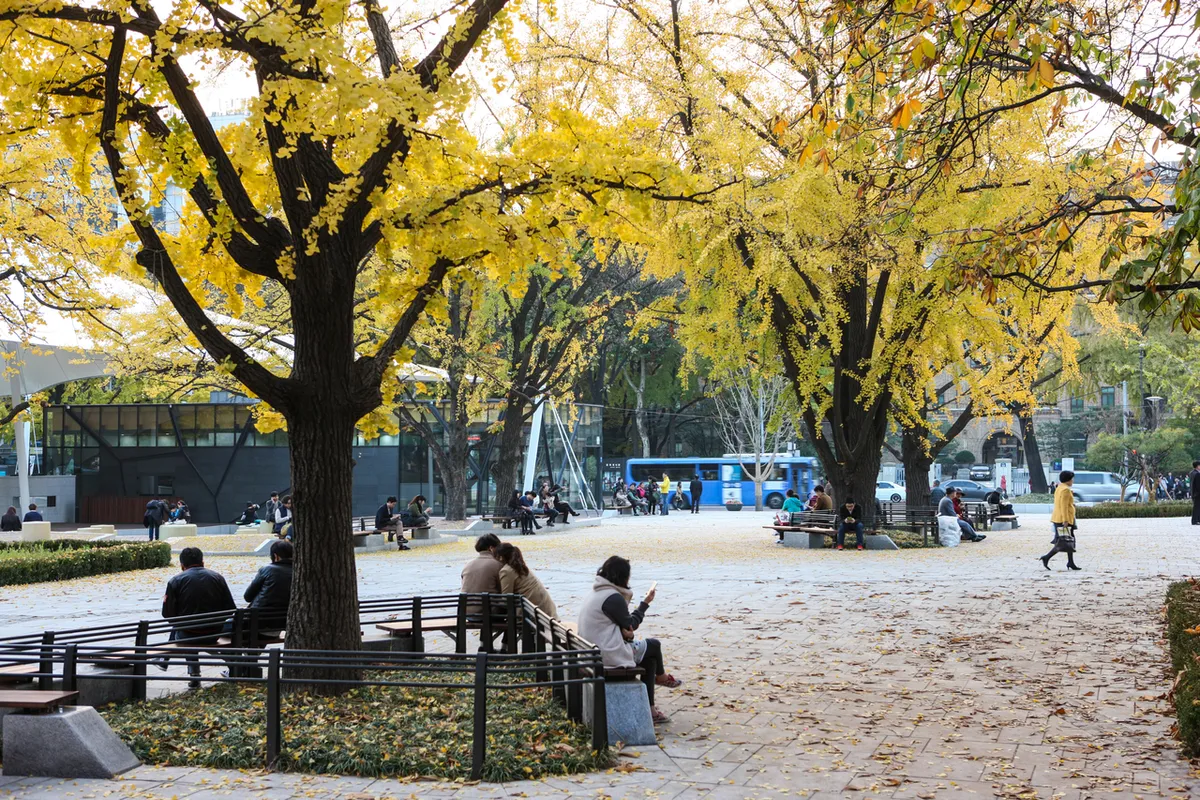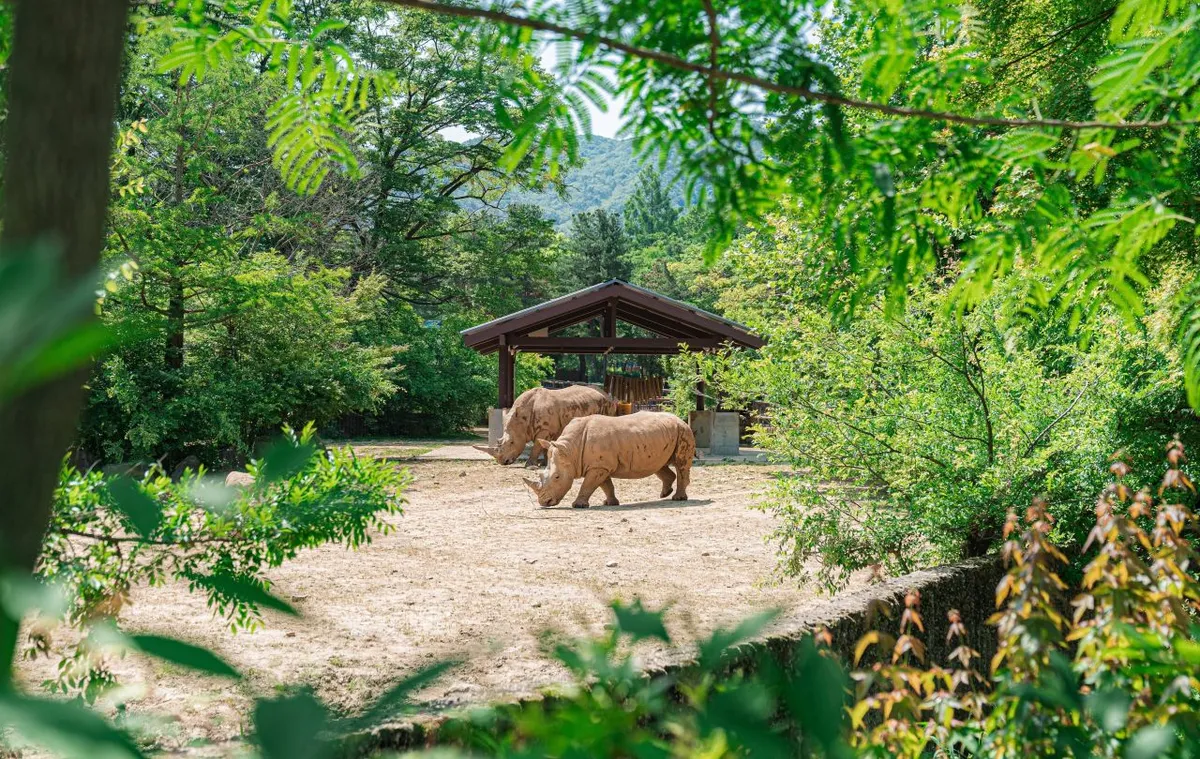
Opened on October 3, 1974, Korean Folk Village (한국민속촌) in Yongin brings together restored traditional houses, craft workshops, and performances centered on life in the Joseon period. This guide covers the village’s architecture, cultural programs, admission, and public transport, with October 2026 hours and the conditions attached to its foreign-visitor discount.
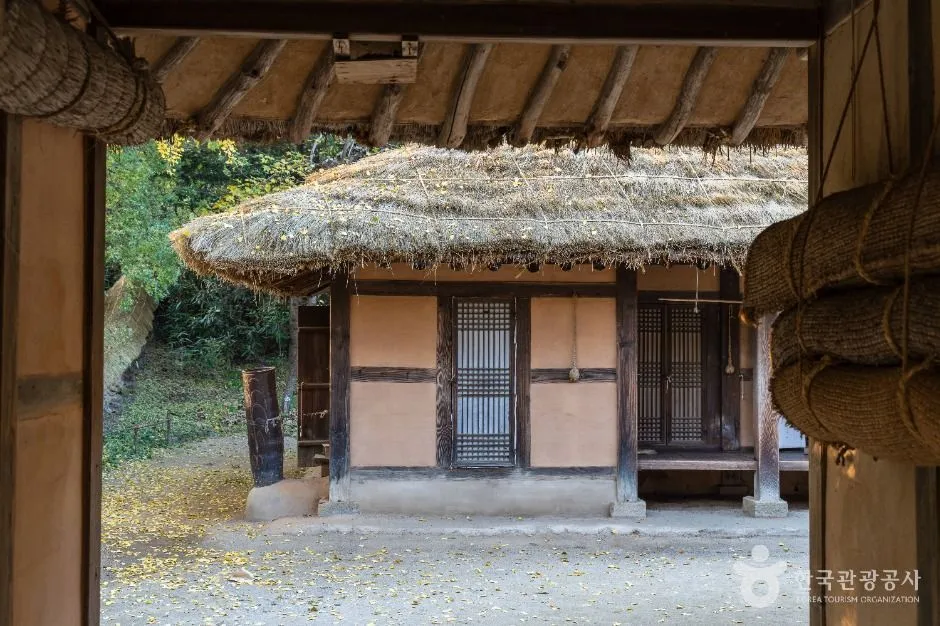
Photo: Korea Tourism Organization.
1. What to See at Korean Folk Village
The village is a cultural attraction built around houses relocated and restored from different parts of Korea. It is not a residential settlement that has operated continuously since the Joseon dynasty. Its opening in 1974 and subsequent restoration work explain why buildings representing different regions appear together within one visitor site.
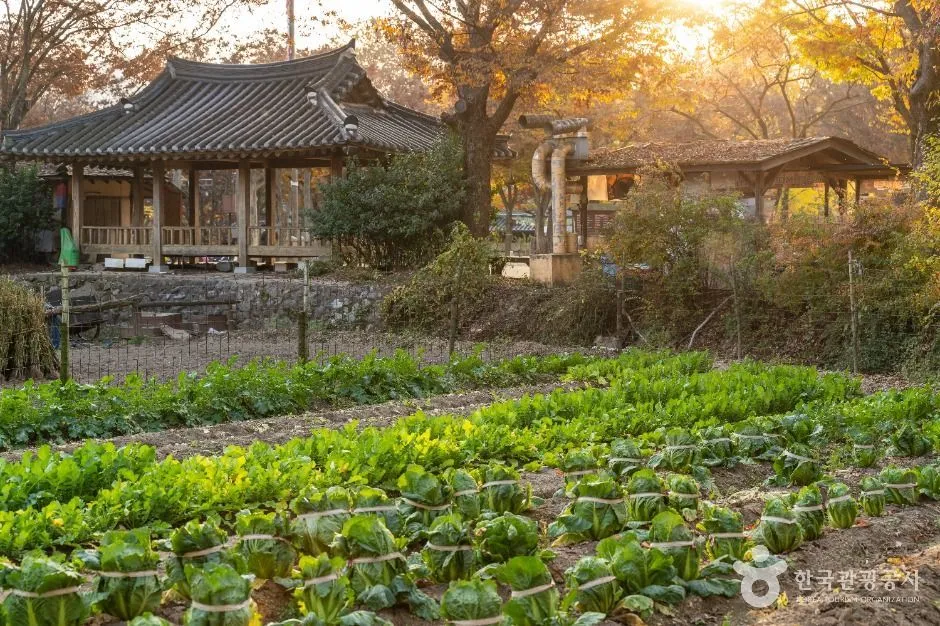
Roof materials provide a useful starting point for looking at the architecture. The grounds contain thatched houses, tiled houses, and buildings with wooden-shingle or bark roofs. These differences reflect the regional and social distinctions represented across the village rather than a single uniform style of Korean housing.
Look at the relationship between a house, its courtyard, and the walls around it. The restored setting allows you to see domestic architecture alongside tools and objects associated with everyday work. A village visit therefore extends beyond individual building facades: paths, enclosed yards, agricultural objects, and workshops are part of the cultural presentation.
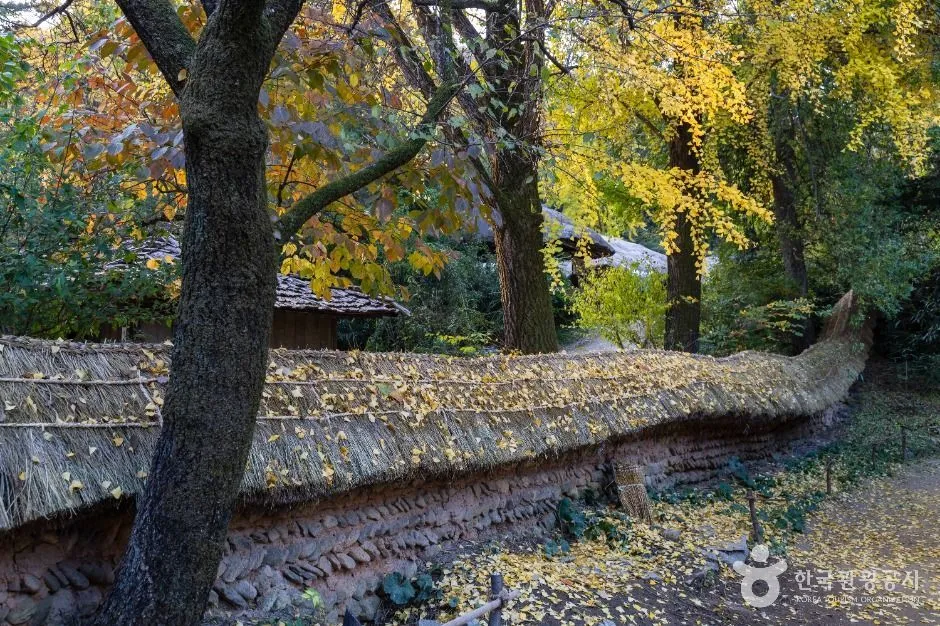
Photo: Korea Tourism Organization.
Restoration and relocation continued after the initial opening, including work on authentic houses from across Korea between 1979 and 1990. The age of a particular building should not be inferred from its appearance. A thatched roof or timber frame does not by itself establish when that specific house was first constructed.
For an architecture-focused visit, use the village map to distinguish the exhibition houses from the performance venues and amusement area. These components serve different purposes. The houses introduce regional forms of traditional living, while staged programs and hands-on activities add separate ways to engage with the setting.
TripKorea’s Tip: Compare roofing, courtyard layouts, and boundary walls rather than treating every traditional building as the same type of house.
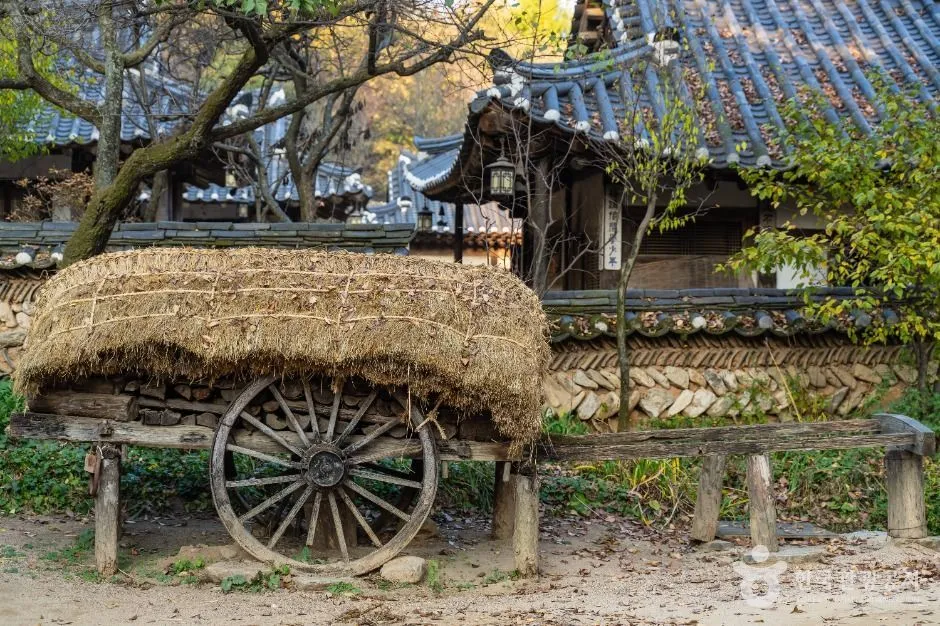
Photo: Korea Tourism Organization.
2. Performances and Hands-On Experiences
The performance schedule changes with the day of the week. Watching a show is also different from booking or joining a hands-on activity. A wedding-themed parade, for example, is a staged performance, not a general visitor service for taking part in a traditional wedding ceremony.
The current schedule lists Uri Garak Joeulsigo (우리가락 좋을씨고) at Wanhyangru, village location 19, daily at 11:30, 14:30, and 16:30. Sori Hanmadang (소리한마당) is listed at the same location daily at 13:00 and 15:00. These times provide concrete options for organizing a visit around scheduled cultural programs rather than expecting continuous performances everywhere on the grounds.
At the performance venue, location 37, Pungmul Hangarak (풍물한가락) is listed at 11:00 and 16:00 from Monday to Thursday, and at 16:00 on Fridays, Saturdays, Sundays, and public holidays. Samdo Pangut (삼도판굿) is listed at 12:30 from Monday to Thursday and at 12:00 on Fridays, weekends, and public holidays. Check the day’s program before deciding which venue to visit first.
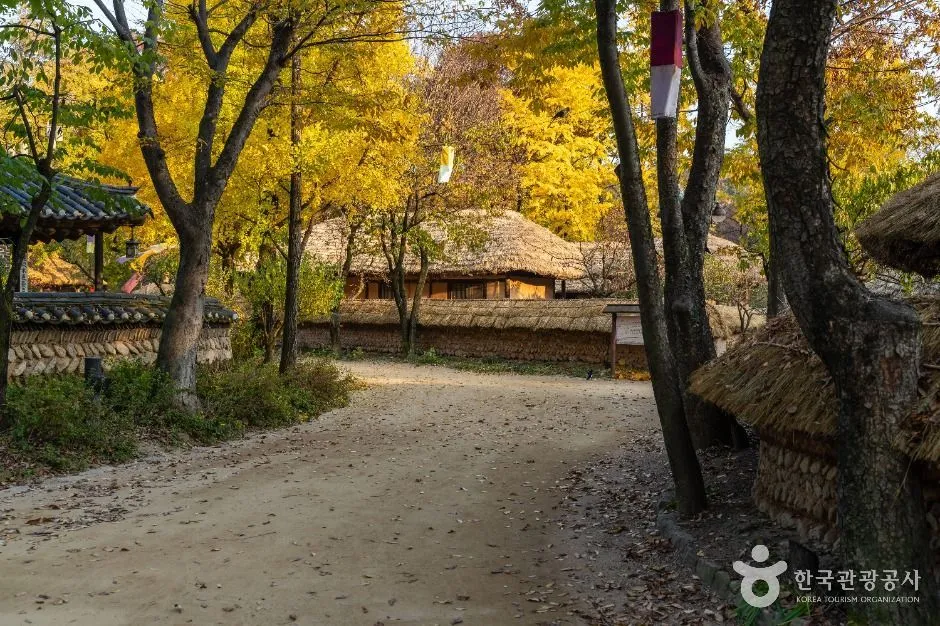
Photo: Korea Tourism Organization.
For direct participation, the traditional-play area lists swinging, yutnori, and tuho. The craft-workshop street occupies village locations 24–27. The presence of a workshop does not establish that every activity is available continuously, included in admission, or conducted in English.
Natural dyeing at location 28 has more specific conditions. The activity uses materials such as gardenia for yellow and sappanwood for red to color a handkerchief. It is listed for weekends and public holidays from 13:00 to 17:00, costs an additional 7,000 KRW, and does not operate in winter or rain. The exact dates of the winter suspension are not specified, so check availability for your visit date.
Horse riding is listed separately at location 46. Do not confuse this activity with a horseback martial-arts show described in older attraction introductions. A current riding listing does not confirm that a historical equestrian performance is running.
TripKorea’s Tip: Separate three questions when choosing a program: when the show runs, whether a hands-on activity is operating, and whether its fee is included in your ticket.
3. Opening Hours, Tickets, and Evening Visits
For October 2026, opening hours are 10:00–19:00 on ordinary weekdays, with extended opening until 22:00 on Fridays, Saturdays, Sundays, and public holidays. The site is open year-round, but hours can change with the season and weather. These October hours should not be treated as a permanent winter or year-round timetable.
The full-day admission price is 37,000 KRW for adults and 30,000 KRW for children on weekdays, and 39,000 KRW for adults and 32,000 KRW for children on weekends. The adult category starts at middle-school age; the child category covers children from 36 months through elementary school. Children under 36 months enter free with documentary proof of age.
A 22,000 KRW foreign-visitor preferential rate is listed through 2026, with a passport or alien registration card required as evidence. Do not assume the discount is applied automatically online or has a separate child price. Present the required document and confirm eligibility for the ticket you are purchasing. Discounts cannot be combined.
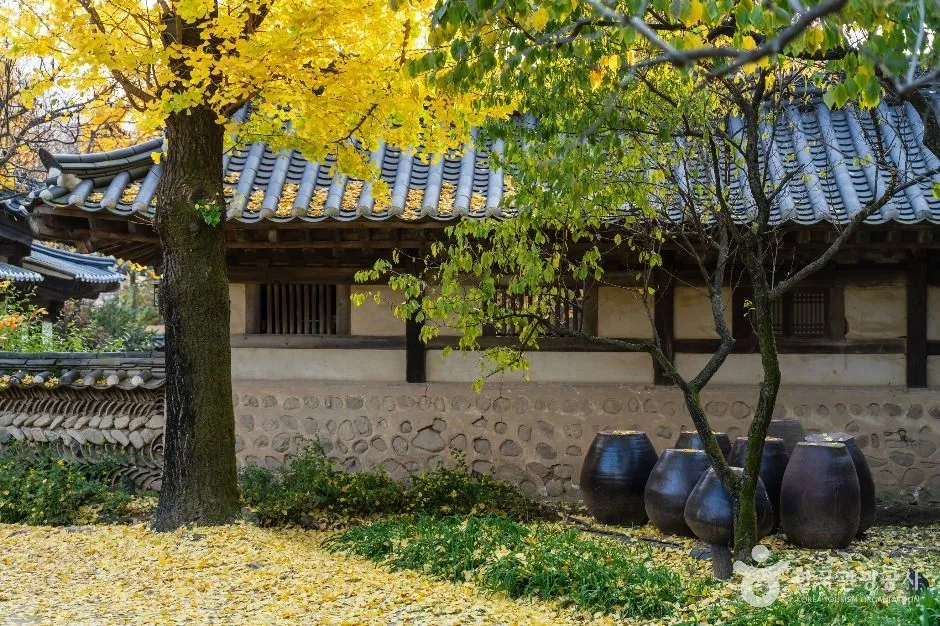
Photo: Korea Tourism Organization.
For October weekends, afternoon tickets are listed at 35,000 KRW for adults and 28,000 KRW for children from 14:00, or 31,000 KRW and 25,000 KRW respectively from 16:00. The pricing page labels these as weekend products; Friday evening opening does not by itself establish that Friday qualifies for weekend ticket pricing.
An evening visit also requires checking the show calendar. Yeonbun (연분), a Joseon-themed love-story performance using LED lighting and media art, is listed at location 37 at 20:00 on Fridays, Saturdays, Sundays, and public holidays. Rain can affect whether it runs. The 2026 evening festival is scheduled to end on November 15; extended seasonal opening should not be assumed after that date.
Choose tickets by their stated inclusions rather than assuming admission covers every ride or paid activity. Guidance on amusement-ride access differs between ticket descriptions, and natural dyeing has its own fee. Once you leave the grounds, re-entry is not permitted.
TripKorea’s Tip: Check the opening calendar, performance schedule, and ticket conditions together. Later closing does not mean every daytime activity continues until 22:00.
4. Getting to Yongin and Preparing for the Visit
The address is 90 Minsokchon-ro, Giheung-gu, Yongin-si, Gyeonggi-do. The closest station identified in the visitor transport guidance is Sanggal Station (상갈역) on the Suin–Bundang Line. This is a rail-and-bus connection, not a destination reached directly from a subway exit.
From Sanggal Station Exit 3, transfer to bus 37 or 10-5 toward the village. The listed stops include Korean Folk Village and the neighboring Bora Harrington apartment names. Check the route and stop name when boarding; the two services do not use exactly the same wording for their listed arrival stop.
Other listed connections include bus 5001-1 from Sinnonhyeon and 1560 from Gangnam. The Gangnam route lists its destination stop as Folk Village Entrance. These are alternative transport choices, not a fixed itinerary or a guaranteed journey time. Confirm the current departure stop and return service before traveling.
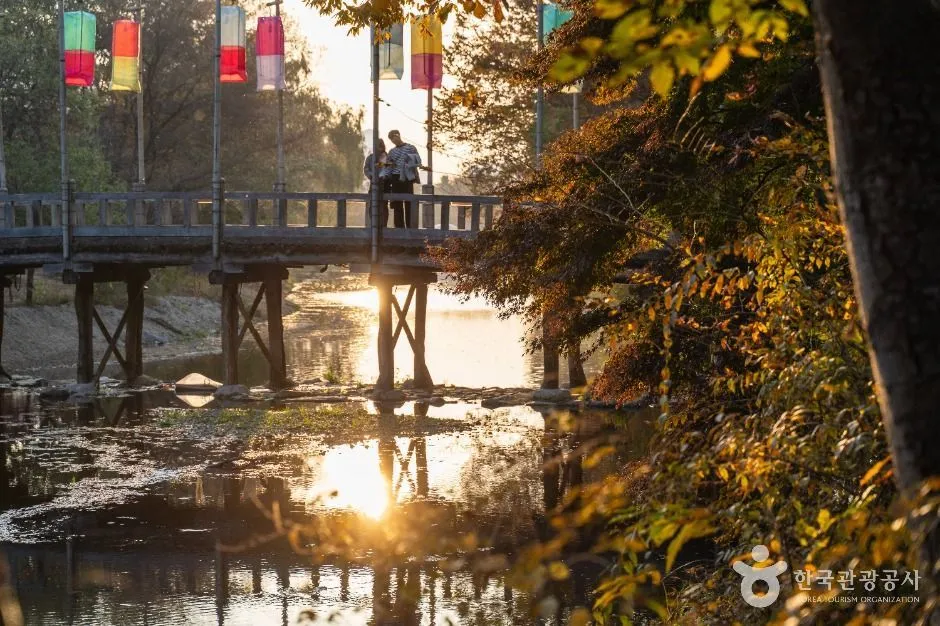
Photo: Korea Tourism Organization.
For questions about admission and operation, contact 031-288-0000 in Korea, or +82-31-288-0000 from abroad. Hanbok rental is available, with a separate inquiry number of 031-288-2987; rental prices and duration should be checked before relying on it as part of your visit.
Weather affects more than comfort. Shows may be reduced or canceled, and natural dyeing does not operate in rain. The grounds also restrict bicycles, scooters, inline skates, and balls. Pets are not admitted, with an exception for guide dogs.
TripKorea’s Tip: Keep the transport connection separate from your choice of cultural programs. A confirmed bus route does not establish a walking time, show duration, or total time needed on site.
Photo: Korea Tourism Organization.
Frequently Asked Questions
How much does admission cost?
Full-day adult admission is 37,000 KRW on weekdays and 39,000 KRW on weekends; child admission is 30,000 KRW and 32,000 KRW respectively. A foreign-visitor rate of 22,000 KRW is listed through 2026 with a passport or alien registration card. Check eligibility and the selected ticket’s inclusions before purchasing.
What are the opening hours in October 2026?
Ordinary weekday opening is 10:00–19:00. Fridays, Saturdays, Sundays, and public holidays have extended opening from 10:00 to 22:00. Hours remain subject to seasonal and weather-related changes.
Which subway station serves the village?
Sanggal Station on the Suin–Bundang Line is the closest station identified in the visitor transport guidance. Use Exit 3 and transfer to bus 37 or 10-5. The subway connection requires a bus transfer rather than a direct station-to-entrance arrival.
Are all cultural experiences included in admission?
No single inclusion rule should be assumed for every activity. Natural dyeing is listed with an additional 7,000 KRW fee and seasonal restrictions. Check the conditions of individual activities and your chosen ticket.
Is the village an inhabited historic settlement?
It is a cultural visitor attraction opened in 1974, with traditional houses relocated and restored from different regions. The buildings and programs present aspects of Joseon-period life. It should not be confused with a residential village continuously inhabited since that period.
For a visit to Korean Folk Village, match your date to the current hours and cultural program, carry the evidence required for any admission discount, and confirm your return transport. Architecture, scheduled performances, and hands-on experiences are separate parts of the visit, each with its own operating conditions.
Sources & References
Visitor information: Korean Folk Village introduction and history; operating calendar; admission fees and conditions; transport information; visitor FAQ.
Cultural programs: performance schedule; experiences and exhibitions; natural dyeing; Yeonbun evening performance; 2026 evening festival.
Attraction context and photographs: Korea Tourism Organization (TourAPI), Korean Folk Village attraction information and Type 1 photographs. Visit Korea attraction guide. Photos: Korea Tourism Organization, used under Korea Open Government License Type 1.
Last verified: October 11, 2026. Operating hours, admission prices, discounts, and programs may change. Confirm the current calendar and ticket conditions before visiting.