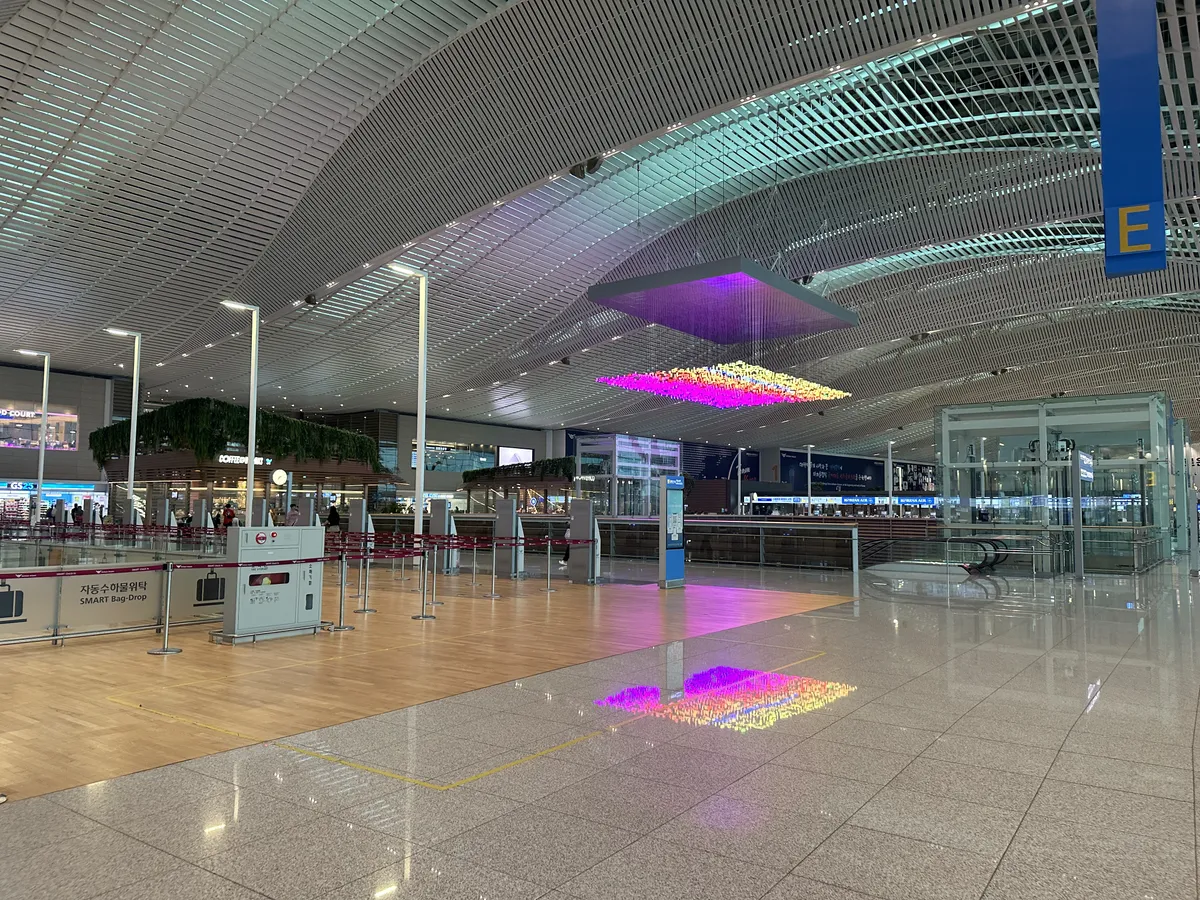
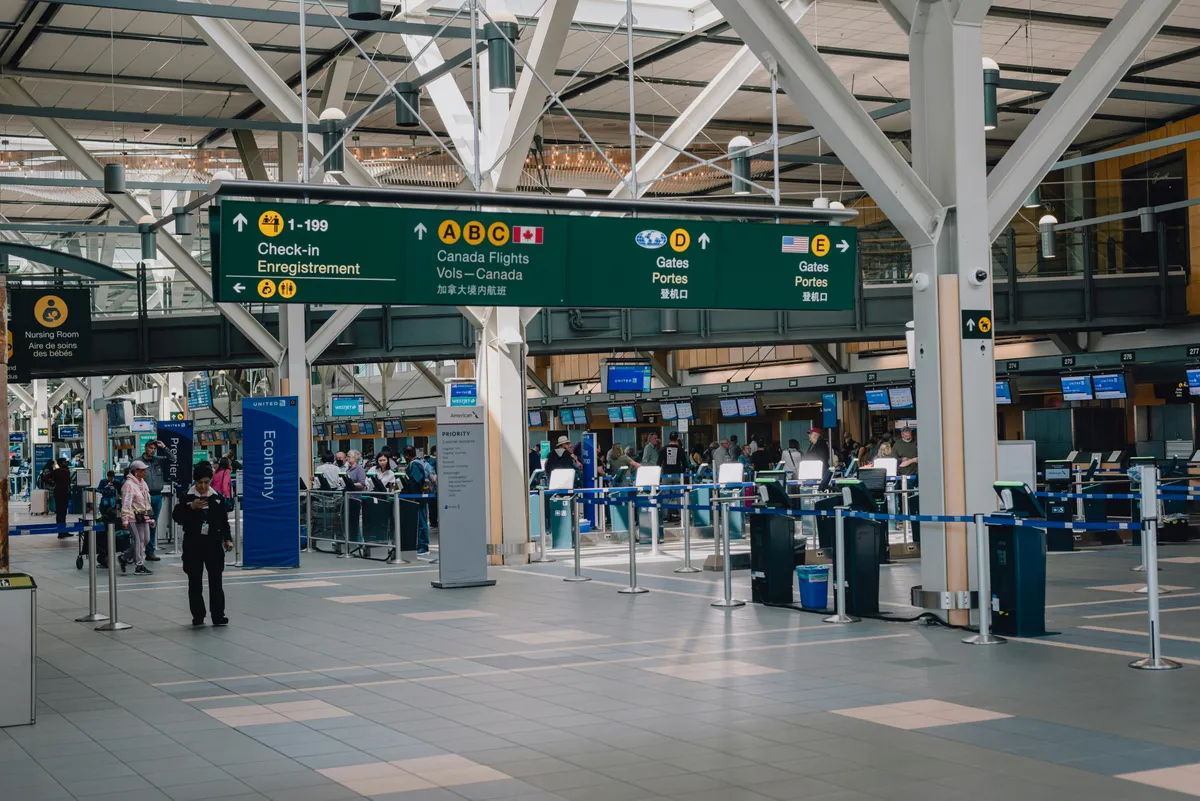
Korea airport transfer choices center on three practical options for most international arrivals: rail, airport limousine bus, and taxi or private car service. This guide covers Incheon International Airport, Gimpo International Airport, Seoul connections, luggage planning, late-night arrivals, and official sources travelers should check before departure.
Airport transport details can change by terminal, route, date, and operating company. Use this guide as a decision framework, then verify the latest timetable, fare, boarding point, and ticket rules with the airport, AREX, bus operator, or taxi desk before travel.

1. The Problem: Choosing the Right Korea Airport Transfer
Most visitors do not need a single “best” transfer option. They need the option that fits arrival airport, final district, luggage size, arrival time, and group size.
Incheon International Airport is the main long-haul international gateway for the Seoul area. Gimpo International Airport handles many domestic routes and some regional international flights. Both airports connect to Seoul by public transport, but the most practical choice can be different depending on whether you are going to Seoul Station, Myeongdong, Hongdae, Gangnam, Jamsil, Incheon, or another city.
Rail is usually the clearest choice when your destination is near Seoul Station, Hongdae, or another station on the airport rail and subway network. Airport limousine buses are useful when the bus stops near your hotel, because they reduce subway transfers with luggage. Taxis and pre-booked private transfers are useful when you arrive late, travel with children, carry several bags, or stay far from a major station.
According to Visit Seoul, Seoul has an extensive public transportation network, and taxis operate by meter with different classes such as regular, deluxe, jumbo, and international taxis. Visit Seoul also notes that most taxis accept cash, credit cards, and Tmoney for payment, while fares depend on taxi class, distance, and time of day.
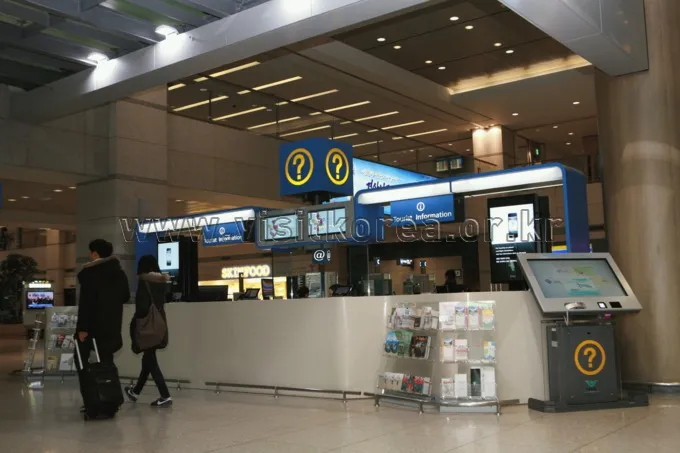
2. The Solution: Match the Transfer to Your Arrival Situation
The simplest way to choose an airport transfer is to start with your first destination in Korea, not with the airport itself.
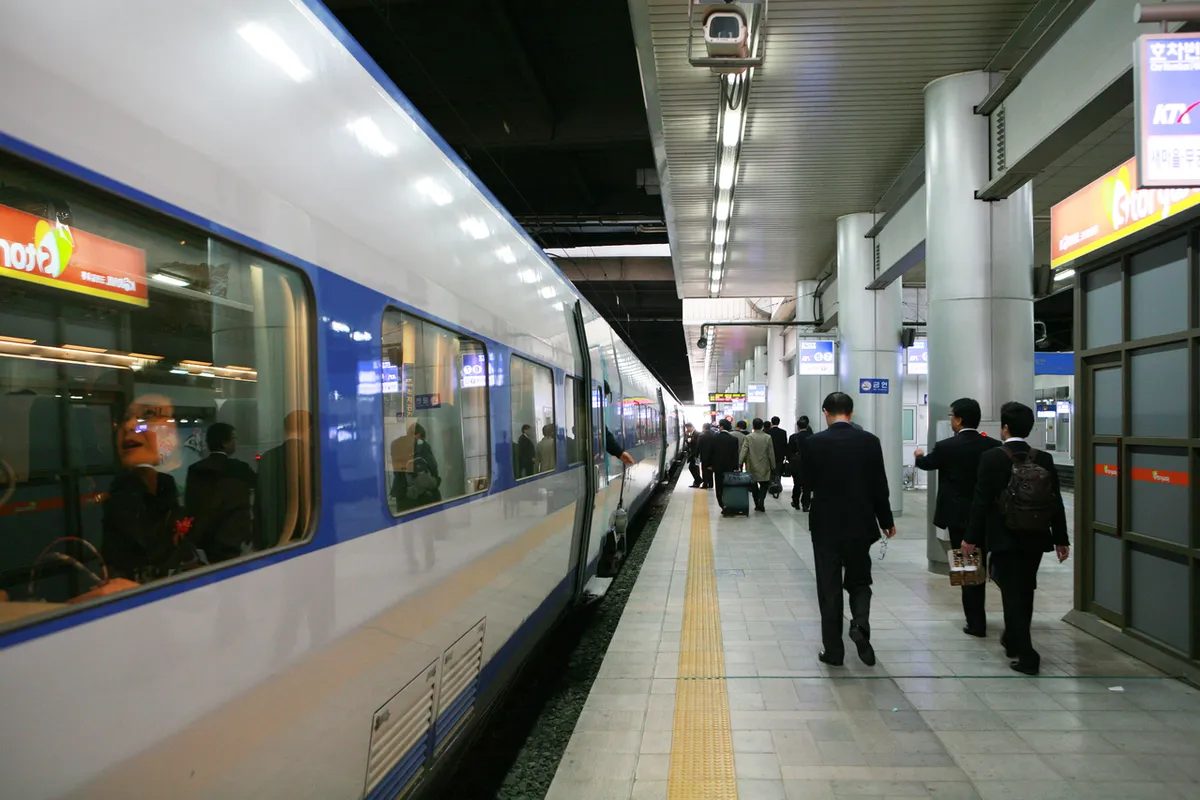
Choose AREX or airport rail when your route is rail-friendly. The AREX Airport Railroad connects Incheon International Airport, Gimpo International Airport, and Seoul Station. Seoul Station also links to subway lines and intercity trains, which makes it a useful transfer point for travelers going onward by KTX or subway.
Choose an airport limousine bus when your hotel or district has a direct or near-direct airport bus stop. This option can be easier than carrying luggage through several subway transfers. It is especially practical for areas where the bus stop is closer to the hotel than the nearest subway station.
Choose a taxi or private transfer when convenience matters more than the lowest fare. This includes late arrivals, early departures, family travel, heavy luggage, mobility needs, or hotel locations that require several public-transport transfers.
Choose domestic rail or another airport connection only after confirming the exact terminal and station. A visitor landing at Incheon and continuing to Busan, Gyeongju, Daejeon, or another region may first need to reach Seoul Station, Gwangmyeong Station, or another rail hub. Visit Korea describes Seoul Station as a major transport hub where Seoul Subway Lines 1 and 4, the Gyeongui-Jungang Line, and AREX pass through.
3. Step-by-Step Guide to Airport Transfer Options
Step 1: Confirm your airport and terminal
Before checking a timetable, confirm whether you are arriving at Incheon International Airport Terminal 1, Incheon International Airport Terminal 2, or Gimpo International Airport. Airlines use specific terminals, and the correct terminal affects walking time, boarding point, and pickup location.
For Incheon, use the official Incheon International Airport website to confirm public transport, airport bus, and taxi information. For rail, use the official AREX website for current train information. For Seoul local transport after arrival, Visit Seoul provides English transport guidance for subways, buses, and taxis.
Step 2: Decide whether rail fits your route
Rail works well when your destination is near a station and you can manage your luggage. Airport Railroad service is especially useful for Seoul Station, Hongdae/Hongik University area connections, Digital Media City, Gimpo Airport, and transfers into Seoul subway lines.
The main advantage is predictability. Rail avoids road traffic, and station signs in the airport rail and Seoul subway system are generally displayed with English names. The main drawback is the final transfer: stairs, elevators, walking distance inside large stations, and the route from the final subway exit to your hotel.
If your hotel is in Myeongdong, Insadong/Jongno, Gangnam, Jamsil, or Dongdaemun, check the exact subway route in KakaoMap or Naver Map before choosing rail. Google Maps may be less reliable for detailed public-transport routing in Korea than local Korean map services.
Step 3: Use airport buses when the stop matches your hotel
Airport limousine buses connect airports with hotels, districts, and major stops in Seoul and other regions. The value of the bus depends on stop location. A route that stops in front of your hotel can be easier than a train route with two transfers.
Before departure, check the official airport or operator timetable, the bus number, terminal boarding location, first and last service information, and whether your destination stop is still served. Do not rely only on an old blog post or a screenshot, because airport bus schedules and stops can change.
Airport buses are also useful for travelers carrying large suitcases, because luggage is usually stored in the bus luggage compartment rather than carried through subway gates. Keep your claim tag or luggage number if the staff provides one, and confirm the destination stop with the driver or airport bus staff before boarding.
Step 4: Use taxi desks, meters, and official pickup zones
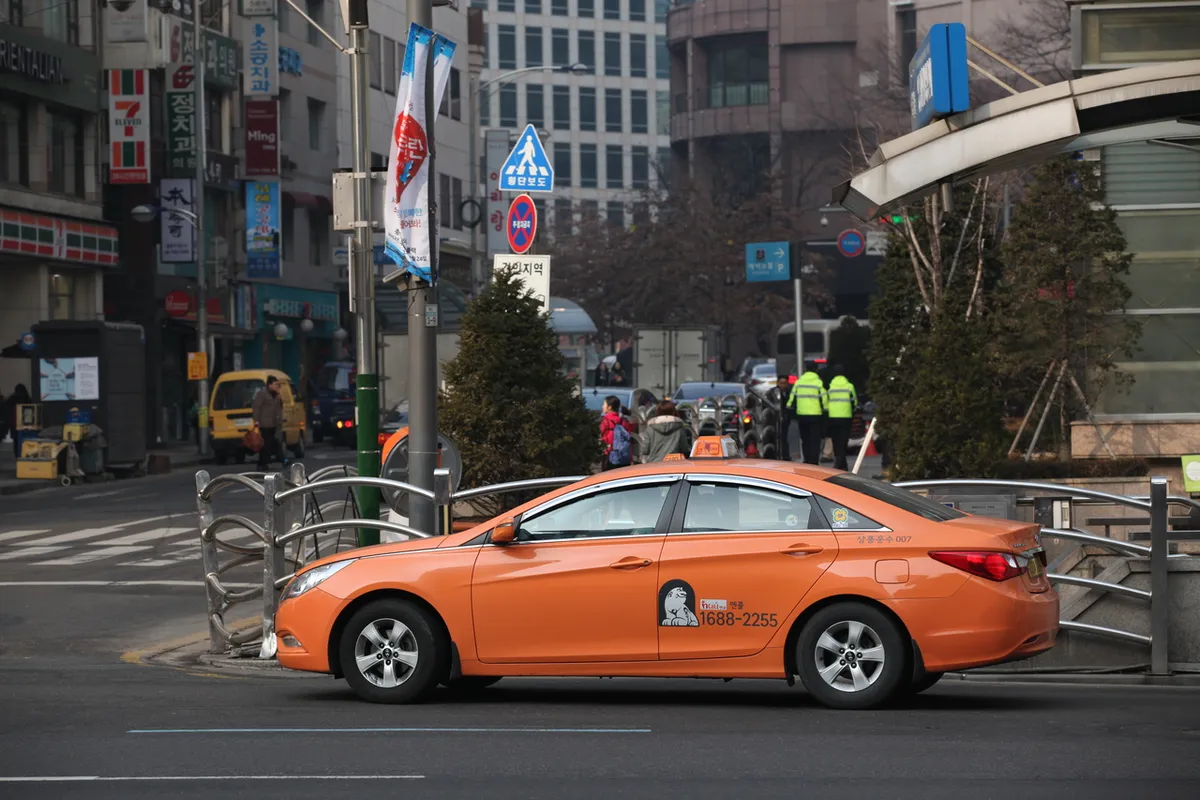
For taxi travel, use official taxi stands or airport-arranged pickup points. Visit Seoul explains that Seoul taxis use meters and that fares vary by taxi class, distance, and time of day. It also distinguishes regular, deluxe, jumbo, and international taxis.
International taxis are designed for foreign tourists and may provide language support such as English, Chinese, or Japanese depending on the driver and vehicle. Visit Seoul states that international taxis can be reserved in advance or used from the street, and that some airport-to-Seoul routes use flat fares.
Use extra caution with vehicles that look like jumbo taxis but are actually call vans. Visit Seoul warns that call vans are intended for passengers with freight or cargo goods, can charge higher fares, do not use a taximeter, and may have “VAN” or “CALL VAN” written on them. A legal jumbo taxi should be marked “JUMBO.”
Step 5: Plan Gimpo Airport differently from Incheon
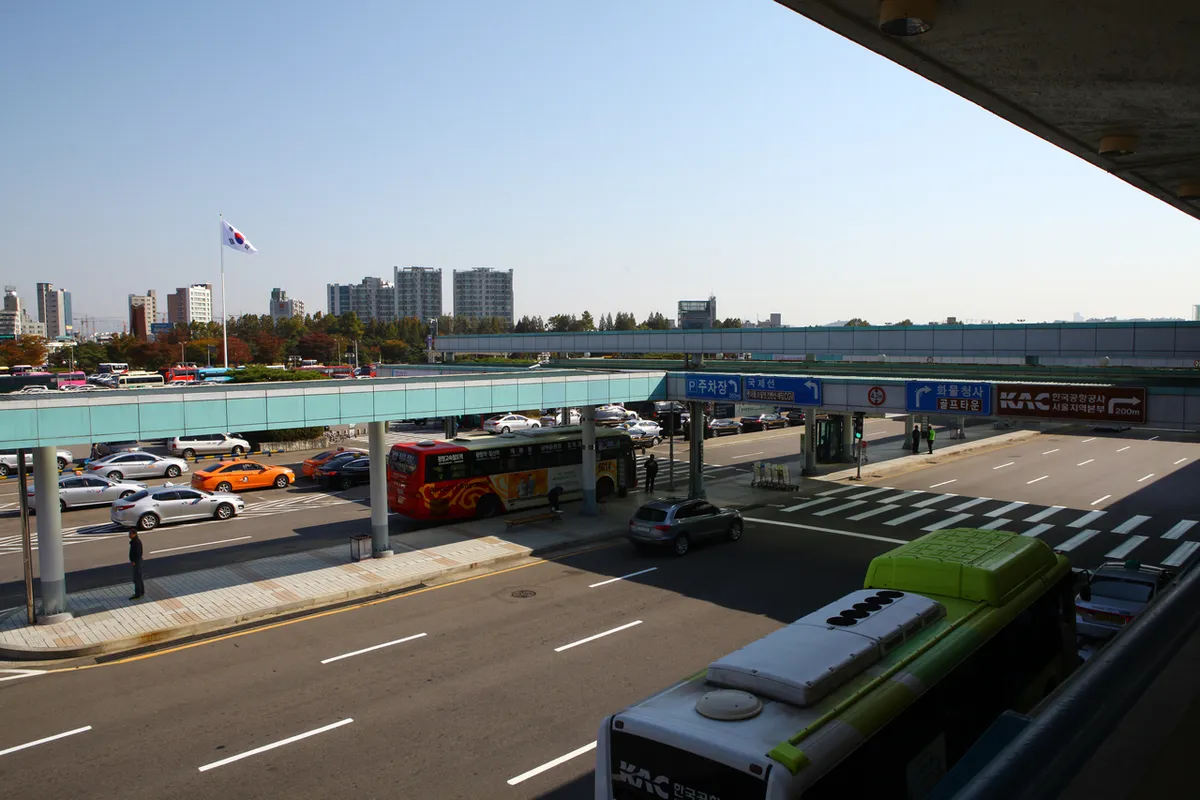
Gimpo International Airport is closer to central Seoul than Incheon for many routes, but the best transfer still depends on the destination. Gimpo is connected to the airport rail and Seoul subway network, which makes it practical for many Seoul districts and for domestic flight connections.
If you are transferring between Gimpo and Incheon, confirm the airport rail route and the time buffer with the official operator. International-to-domestic and domestic-to-international connections require extra time for immigration, baggage, terminal movement, and airline check-in rules.
4. Pro Tips and Warnings for Airport Arrivals
🚨 Important Warning: Always check the final train, bus, or taxi plan before a late-night arrival. A flight landing time is not the same as a transport departure time. Immigration, baggage claim, customs, SIM pickup, currency exchange, and walking to the platform or bus stop all add time.
💡 Local Hack: Install KakaoMap or Naver Map before arrival and save your hotel name in English and Korean. Many hotel listings, taxi destinations, and local road names are easier to match when you have the Korean address ready.
💼 Luggage Tip: If you carry more than one large suitcase per person, avoid routes with several subway transfers unless you have confirmed elevators. Large Seoul stations can involve long walks between lines.
🗣️ Korean Phrase: “Please take me to this address” is “I juso-ro gajuseyo” (이 주소로 가주세요). Show the driver the Korean address on your phone rather than relying only on English pronunciation.
📞 Help Numbers: For tourist interpretation, call 1330. For foreigner immigration and stay questions, call 1345. For emergencies, call 119 for fire or medical emergency and 112 for police.
Payment planning also matters. Seoul transport sources state that Tmoney can be used across subway and bus systems, and Visit Seoul notes that most taxis accept cash, credit cards, and Tmoney. Still, keep one backup payment method available, especially when arriving late or traveling outside central Seoul.
If you book a private transfer, confirm the meeting point, flight number policy, waiting-time rule, vehicle size, and luggage limit before payment. The airport has separate pickup zones, and a driver may not be able to wait directly in front of every exit.
5. Recommended Transfer Plan by Traveler Type
Solo traveler with one suitcase: Start by checking AREX or airport rail. If the destination is near a station, rail is often the most straightforward public-transport option. If the final subway transfer is complicated, compare an airport bus stop near the hotel.
Couple or small group: Compare total public-transport effort with taxi or private transfer convenience. Public transport may still be efficient, but a direct car can become more attractive when the group has multiple suitcases or a late arrival.
Family with children: Prioritize fewer transfers and a clear pickup point. Airport buses and private transfers can reduce walking through stations, but the best answer depends on hotel location and luggage volume.
Traveler staying in Gangnam or Jamsil: Check both airport bus routes and rail-plus-subway routes. A direct bus can be simpler if the stop is close, while rail can be more predictable when traffic is heavy.
Traveler continuing to another Korean city: Do not assume the airport is the final transport hub. Confirm whether you need Seoul Station, Yongsan Station, Suseo Station, Gwangmyeong Station, or another intercity terminal. Visit Korea’s train guide lists Seoul Station as a major hub and explains that KTX, SRT, ITX, Saemaeul, and Mugunghwa trains serve different routes.
For Seoul planning after arrival, TripKorea’s internal transport page can help you compare Seoul travel options: Seoul Transport Options. If your first night is still undecided, compare areas before booking: Hotels in Seoul, Hotels in Busan, and Hotels in Jeju.
6. Frequently Asked Questions
What is the easiest Korea airport transfer for first arrival?
The easiest option is usually the one with the fewest transfers between the airport and your hotel. AREX or airport rail works well for Seoul Station and rail-connected districts, while an airport bus or private transfer may be easier when it stops near your accommodation.
Is AREX better than an airport limousine bus?
AREX is usually more predictable because it is rail-based and avoids road traffic. An airport limousine bus can be more convenient if it stops close to your hotel and reduces walking with luggage. Check the official timetable and stop list before choosing.
Can I take a taxi from Incheon Airport to Seoul?
Yes. Use official airport taxi stands or arranged pickup points. Visit Seoul explains that taxi fares depend on taxi class, distance, and time of day, and that international taxis may offer foreign-language support.
What should I do if I arrive after the last train or bus?
Use an official taxi stand, a reserved private transfer, or an airport information desk to confirm available options. Do not assume late-night public transport will still be running after immigration and baggage claim. Keep your hotel address in Korean ready for the driver.
Which app should I use for airport transfer routes in Korea?
KakaoMap and Naver Map are the most practical map apps for local routing in Korea. Use them to check station exits, bus stops, walking routes, and Korean-language hotel addresses. Also verify airport train and bus schedules with the official operator.
🎒 Plan Your Arrival in Korea
Choose your first-night base before finalizing transport. A hotel close to a rail station or airport bus stop can make the first day easier, especially after a long-haul flight.
Sources & References
Official Airport Source: Incheon International Airport
Rail Source: AREX Airport Railroad
Seoul Transport Source: Visit Seoul Transportation Guide
Korea Train Source: Visit Korea
Helplines: 1330 Tourist Interpretation / 1345 Immigration Contact Center / 119 Emergency / 112 Police
Image Credits
Incheon International Airport and airport information images: Korea Tourism Organization / PhotoKorea
Airport Railroad, Seoul Station, taxi, and Gimpo Airport images: Korea Tourism Organization / PhotoKorea
Last verified: 2026-08-15. Airport routes, fares, boarding points, and operating hours can change. Always verify transport details with the official airport, rail, bus, taxi, or airline source before travel.