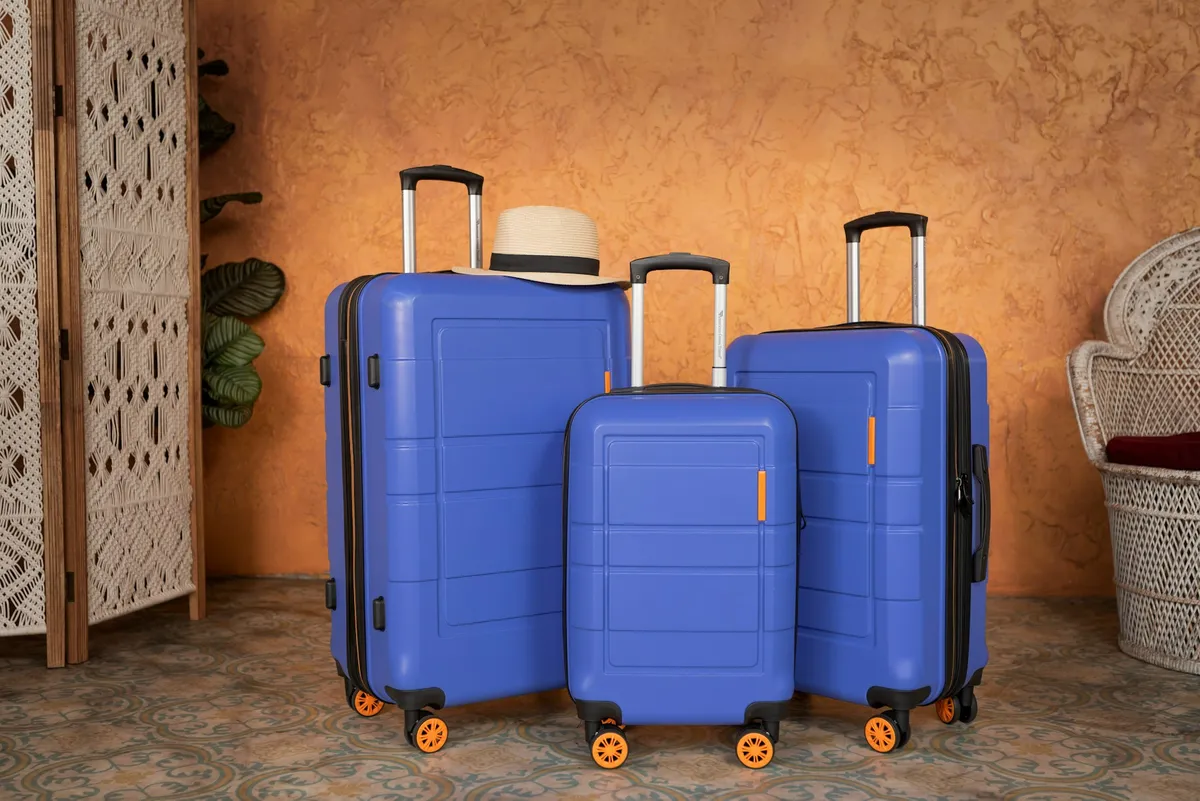
Korea checked baggage allowances belong to your flight ticket, not to one country-wide luggage limit. Before packing, establish what your fare includes, how each bag will be measured and whether you need to buy an additional allowance. This guide uses official Korean Air and Asiana instructions to explain that predeparture check.
The aim is to finish with a confirmed allowance for each traveler and flight, plus a receipt for any extra baggage purchased. Airport check-in, security and customs are separate tasks.
1. Find What Your Ticket Includes
Open the issued e-ticket itinerary or receipt and the booking details. Find the checked-baggage entry for the passenger and journey you will actually take, rather than using the allowance on an advertisement or an earlier flight search. Korean Air specifically says that full details of the free checked-baggage allowance appear on the e-ticket itinerary after purchase.
Record the route, travel date, cabin and fare name beside that entry. “Economy” alone may not identify the entitlement. On Korean Air’s current allowance page, Economy Saver on flights to or from the Americas, excluding Brazil, has one bag of up to 23 kg; Economy excluding Saver has two bags of up to 23 kg each. Those are Korean Air fare-and-route examples, not allowances for every Korea-bound flight.
Repeat the check for the return journey and any separately booked domestic flight. Do not copy a long-haul entitlement onto a separate ticket to Jeju. The Korea domestic flights guide covers that separate airport journey.
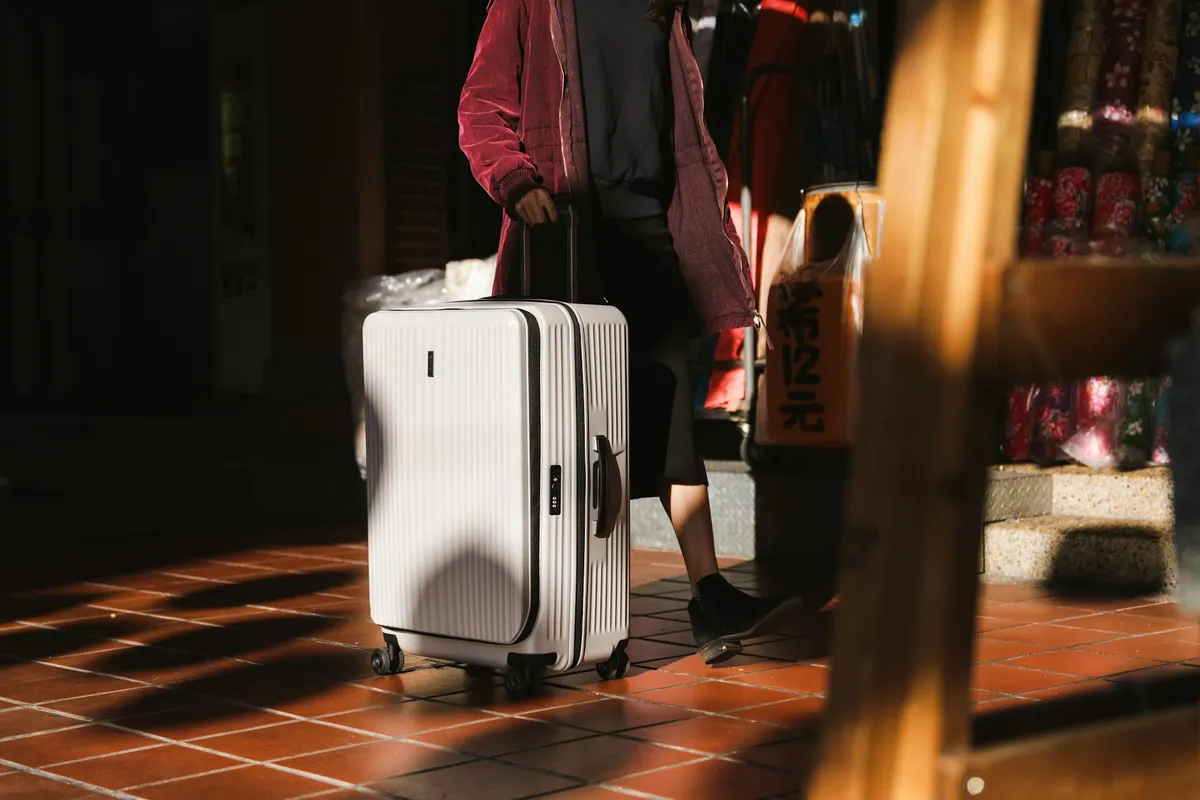
If more than one airline appears, save both the flight number and the company operating each leg. Korean Air explains that either the marketing airline’s or operating airline’s checked-baggage rules may apply under the codeshare agreement. Its partner and connecting-flight allowances, including elite benefits, can differ.
For a mixed-airline ticket, ask the airline or seller to confirm the checked allowance for the whole itinerary, using the ticket details. Do not choose a rule simply because one airline sold the ticket or operates the longest flight. Resolve any disagreement between the receipt and a general policy page before buying extras.
2. Separate Pieces, Weight and Size
Piece allowance means the number of checked bags included. Weight per piece is the limit for each individual bag. If the allowance says two bags of up to 23 kg each, treat each bag separately; it is not permission to put both bags’ entitlement into one heavy suitcase.
A weight-based allowance works differently: it specifies a total baggage weight rather than the same piece arrangement. Asiana describes its domestic free allowance as weight-based, while its international tables list quantities and weights per item. Read the system attached to your journey instead of assuming that every allowance works the same way.
Size is a separate check. Asiana’s international free-baggage page specifies the sum of length, width and height, including handles and wheels, with a standard limit of 158 cm per bag. Use that as an Asiana example of how to measure—not as a universal size for every airline.
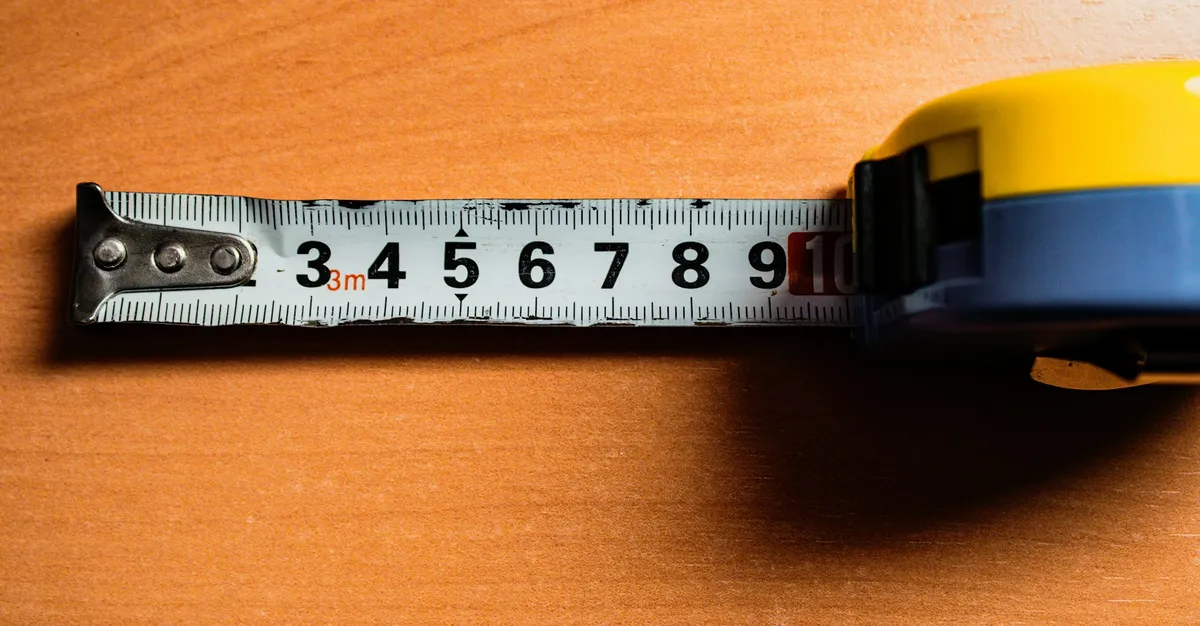
Measure the suitcase you intend to use, with its wheels and fixed handles included where the carrier requires them. Then pack it, close it and weigh it individually. A suitcase sold as “large,” “medium” or “airline approved” does not replace the actual measurements and the applicable airline rule.
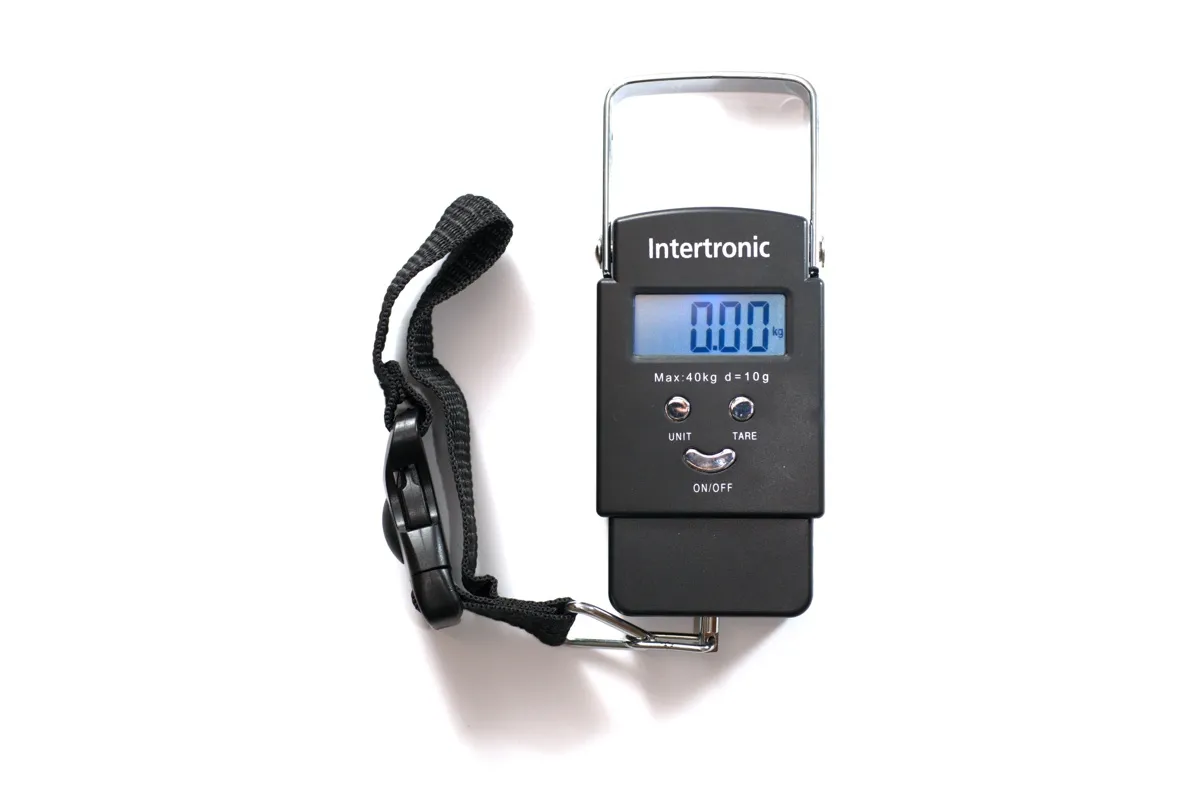
Keep three possible extra charges distinct: an additional bag exceeds the included piece count; an overweight bag exceeds its weight limit; an oversize bag exceeds its dimensions. Asiana and Korean Air explain that more than one excess category can be charged when the same baggage exceeds multiple limits.
Paying a fee does not automatically make any size acceptable. Korean Air warns that some countries restrict individual bags above their permitted weight or dimensions regardless of excess-baggage payment. For an unusually heavy case, sports equipment or a musical instrument, obtain the relevant acceptance conditions before choosing a purchase option.
3. Check Your Packed Bags in the Calculator
Match the journey before entering luggage
Have your ticket details and your measurements together. Use the airline’s official baggage calculator or allowance page, not a search-result summary. Select the actual departure and arrival points, travel date, cabin and applicable membership level. Review the direction of travel again before relying on a result.
The Asiana baggage calculator looks up free allowance and excess charges by segment, seat and membership class. It applies only to Asiana flight numbers on itineraries operated by Asiana. Its membership qualifications must be valid on the boarding date; do not select a higher level simply because you expect to earn it later.
Enter the complete set for one traveler
Asiana instructs users to enter the number, weight and dimensions of all baggage checked for one person. Include the bags already covered by the ticket, not only the extra case. Keep each traveler’s entry separate so that one person’s entitlement is not silently assigned to another.
Compare the result with the allowance recorded on the ticket. Save the inputs and result for your planning notes, but keep a calculator estimate separate from a purchase receipt. A displayed charge is not evidence that you have paid it or reserved carriage for unusual luggage.
Resolve connections outside the tool’s scope
Asiana’s calculator directs passengers whose itinerary combines another airline to contact the operating airline of the first departure flight. Follow that provider-specific instruction rather than applying its calculator to an unsupported connection. Give staff the full itinerary and ask which checked-baggage allowance and extra-baggage purchase route apply.
For a separate onward ticket, perform a separate allowance check. If the journey changes, repeat the comparison with the revised flights before keeping the old baggage plan.
4. Buy the Right Extra, Then Confirm It
First decide what needs changing. If one case is overweight but another has unused space within its own allowance, consider repacking and weighing again. If you need another case, look for an additional-piece product. If the problem is size or special equipment, ask about that item’s acceptance rather than assuming an extra-bag purchase solves it.
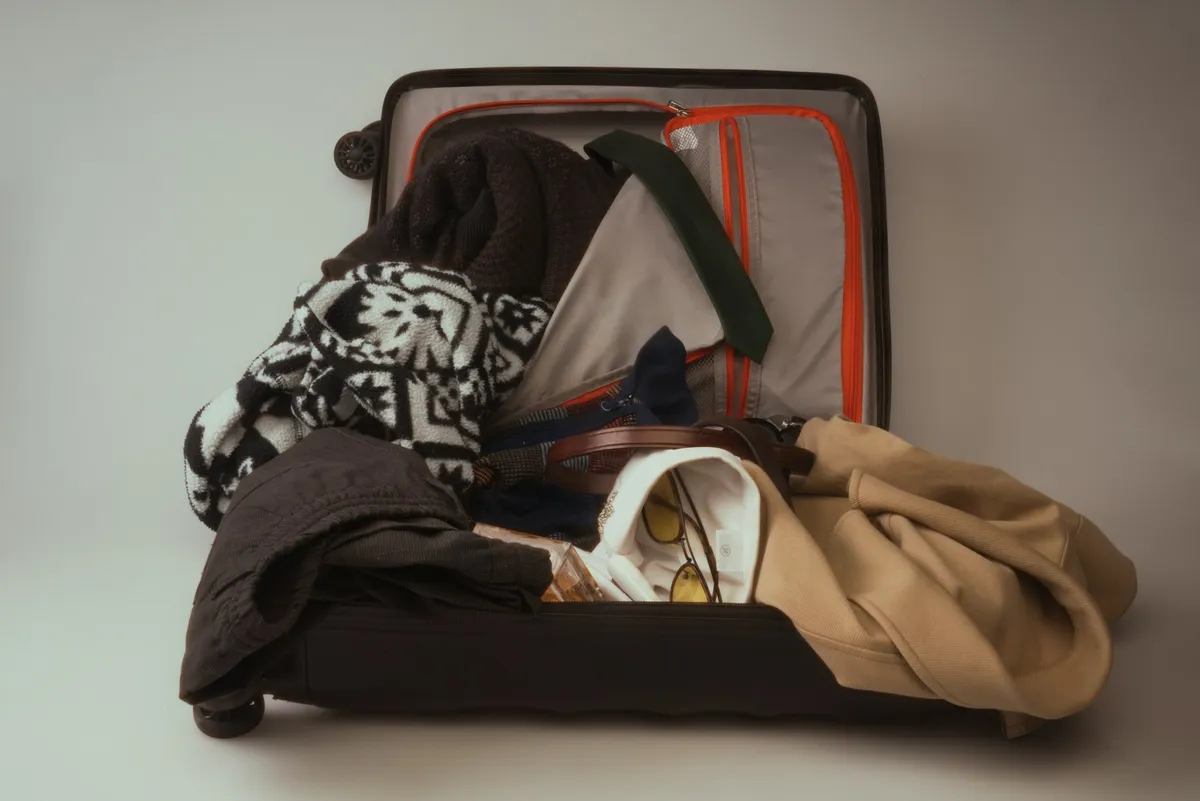
Read the product conditions before paying: eligible flights, passenger, direction, purchase deadline, bag specifications and cancellation terms. Compare the offered total and currency with the exact bags you plan to take. An online baggage option may buy a piece or a weight amount; do not treat those as interchangeable.
Asiana’s pre-purchase product, for example, is for additional pieces on eligible international flights, available from reservation until 24 hours before departure. It cannot be used to cover excess weight. Availability depends on capacity and payload, and the airline excludes transfer itineraries and codeshares of other airlines from this service.
Asiana also lists ticket-currency and other purchase restrictions, including restrictions after check-in. Read the complete purchase notes against your booking rather than assuming every international passenger can use the option. If it is unavailable, contact the airline for the applicable alternative and quote; do not buy a different product merely to obtain a receipt.
Check what happens if plans change. Asiana allows ordinary cancellation and refund of its prepaid allowance until 24 hours before departure, with separate exceptions and conditions thereafter. For ticket changes or cancellations, it says prepaid baggage is automatically refunded for tickets bought through its website or reservation center; tickets bought elsewhere require a refund request through its reservation center or branch. These are Asiana conditions, not a general airline refund guarantee.
After purchase, save the baggage confirmation alongside the e-ticket. Check the passenger, flight, direction and purchased entitlement against your intended selection. If payment is unclear or the add-on is missing, ask the airline or seller to reconcile the booking before making another purchase.
Before leaving home, weigh the final bags again and keep the updated ticket and extra-baggage receipt accessible. For permitted contents, use the Korea carry-on rules guide; for the later handover at the airport, use the Incheon departure guide. Buying an allowance does not replace either check.
5. Korea Checked Baggage FAQ
How many checked bags can I take to Korea?
Use the allowance on your issued ticket for the exact route, fare and passenger. There is no single bag count supplied by this guide for all Korea-bound airlines. Confirm partner-flight and membership conditions before adding a benefit to the ticket’s allowance.
Can two included bags become one heavier suitcase?
Not when the entitlement specifies a weight limit per bag. Each piece must meet that limit independently. Repacking between your own permitted bags may help, but a combined total does not remove the individual-bag rule.
Does buying an extra bag cover overweight charges?
Not necessarily. Asiana’s prepaid additional-piece product expressly excludes excess weight, and a bag above its size or weight conditions can incur further charges. Identify which limit you exceed before selecting an add-on.
Should I buy baggage before online check-in?
Check the purchase deadline before starting check-in. Asiana’s example has a 24-hour advance cutoff and says baggage purchase is unavailable after check-in. Other providers have their own conditions, so confirm the sequence for your booking while advance purchase is still possible.
Finish your Korea checked baggage preparation with three things together: the ticket’s allowance, the final bag measurements and confirmation of any additional purchase.
Sources & References
Official airline sources: Korean Air free allowance, fare tables and codeshare guidance; Korean Air excess baggage; Asiana free baggage; Asiana baggage calculator; Asiana excess baggage; Asiana prepaid baggage and refund terms.
Last verified: November 16, 2026. Airline conditions and availability can change. The examples above remain limited to the named carrier and stated route, fare or product; your ticket and the airline’s confirmation establish the applicable entitlement.
Image Credits
Blue suitcases: American Green Travel / Unsplash.
Traveler with a suitcase: Eminent Luggage / Unsplash.
Tape measure: Mark Owen Wilkinson Hughes / Unsplash.
Luggage scale: Simon A. Eugster / Wikimedia Commons, CC BY-SA 3.0. Resized onto a white landscape canvas and converted to WebP; the adapted photograph remains under the same license.
Laptop: Alexey Demidov / Unsplash.
Packed suitcase: Jens Riesenberg / Unsplash.
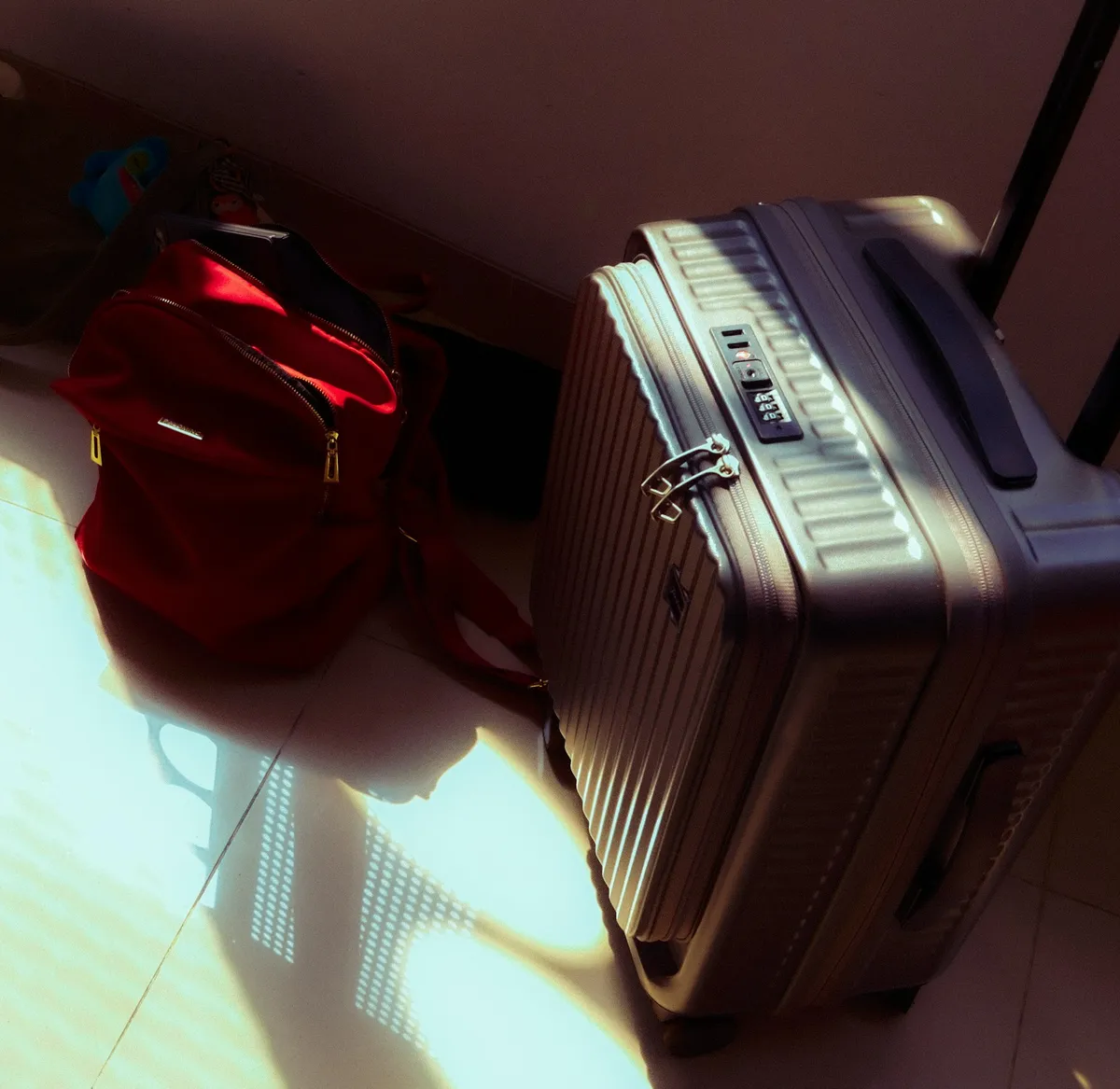
Suitcase and travel bag: Evan Marvell / Unsplash.
Photographs illustrate luggage and preparation, not a verified airline interface, baggage allowance or approved packed contents. The scale’s printed capacity is a device specification, not a flight limit. Stock photographs are used under the Unsplash License; photographs were resized or cropped and converted to WebP for display.