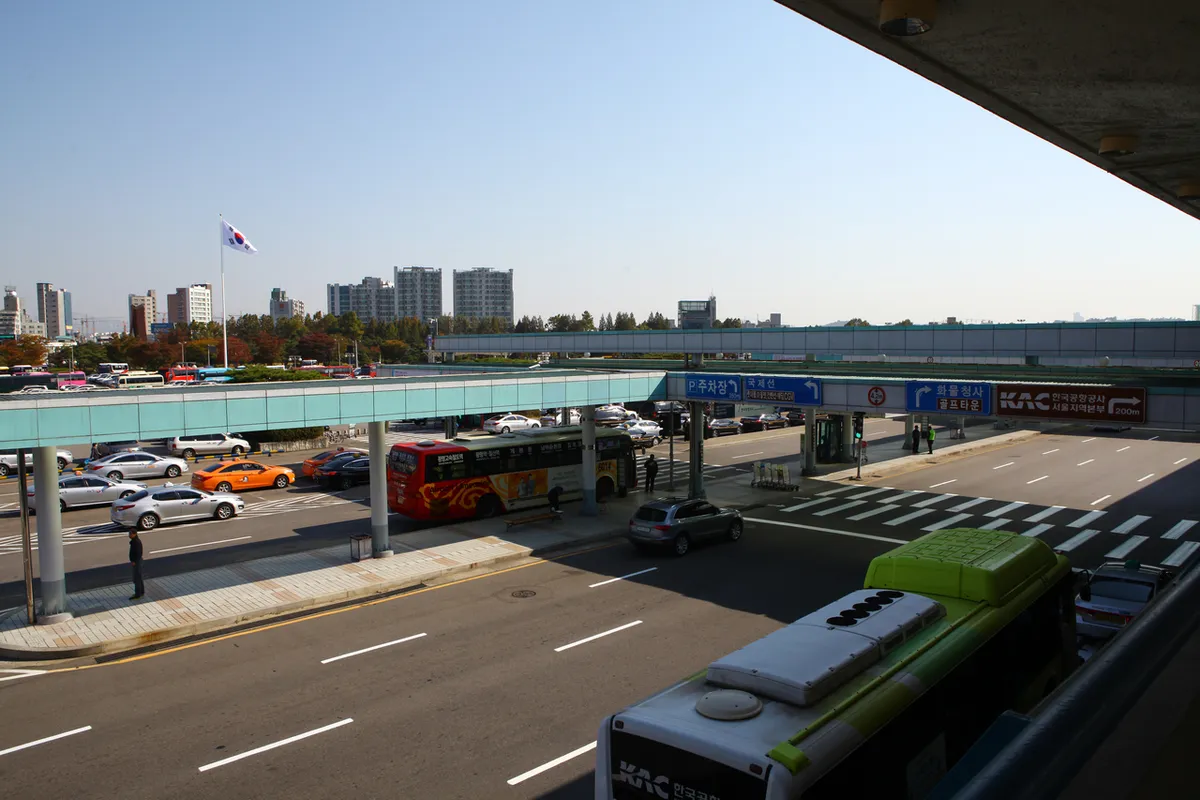
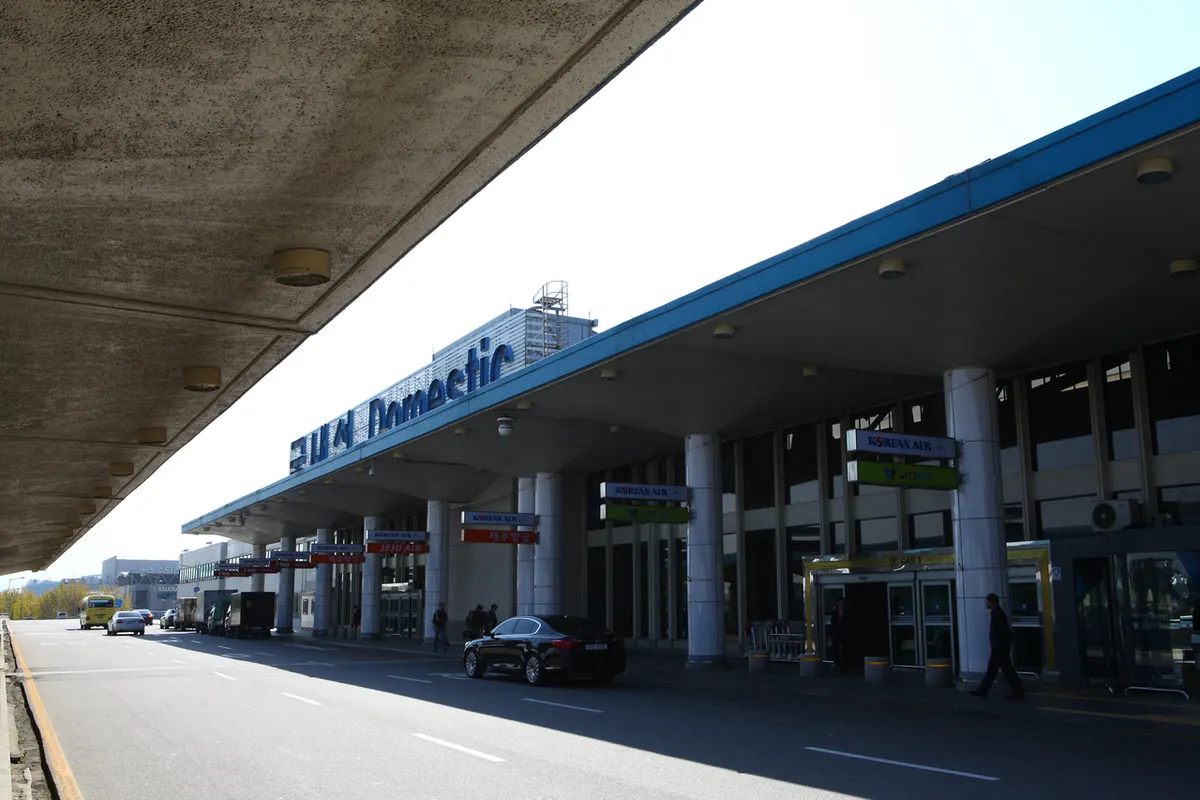
Korea domestic flights connect Seoul/Gimpo, Jeju, Busan/Gimhae, Daegu, Cheongju, Gwangju, Yeosu and other airports managed through Korea Airports Corporation’s national airport network (Source: Korea Airports Corporation). This guide explains how foreign travelers can use Korea’s domestic air network, with a practical focus on the Seoul–Jeju route, Gimpo Airport, Jeju International Airport, check-in, identification, baggage, and arrival planning.
For many visitors, the key point is simple: most Seoul–Jeju domestic flights use Gimpo International Airport (GMP), not Incheon International Airport (ICN). Incheon remains Korea’s main international gateway, but Gimpo is often the more relevant airport when the next step is a flight to Jeju Island.
1. The Problem: Incheon, Gimpo, and Jeju Can Be Confusing
Foreign travelers often arrive in Korea through Incheon International Airport and then plan a separate flight to Jeju. The confusion starts when the Jeju ticket shows “Gimpo,” “GMP,” or “domestic terminal” instead of Incheon.
Korea Airports Corporation lists Gimpo International Airport and Jeju International Airport among the airports it operates and manages in Korea. Its English airport pages also provide flight information, transportation, passenger check-in, boarding simulation, parking, facilities, and airport guide menus for each airport.
That means the practical decision is not only which airline to book. You must first check the airport code, terminal, route, and time gap between an international arrival and a domestic departure.
If your international flight lands at Incheon and your Jeju flight departs from Gimpo, you need a separate transfer between airports. This is not the same as changing gates inside one airport. The article does not estimate that transfer time because it depends on arrival terminal, immigration, baggage claim, customs, traffic, and the transport option you choose.
For route planning in Seoul, use official airport transport pages plus KakaoMap or Naver Map after you know the correct airport. Do not assume that every flight labeled “Seoul” uses the same airport.
2. The Solution: Treat Korea Domestic Flights as a Separate Trip
The safest way to plan this route is to treat it as a separate journey with its own airport, check-in, identification, baggage, security screening, boarding gate, and arrival transport.
For Jeju, check these four items before you buy or confirm the ticket:
Departure airport: Gimpo (GMP), Incheon (ICN), Busan/Gimhae (PUS), Daegu (TAE), Cheongju (CJJ), Gwangju (KWJ), Yeosu (RSU), or another Korean airport.
Arrival airport: Jeju International Airport (CJU) for Jeju Island.
Terminal type: domestic terminal or international terminal, as shown by the airport and airline.
Airline rules: baggage, check-in deadline, mobile boarding pass, name spelling, and identification rules vary by airline.
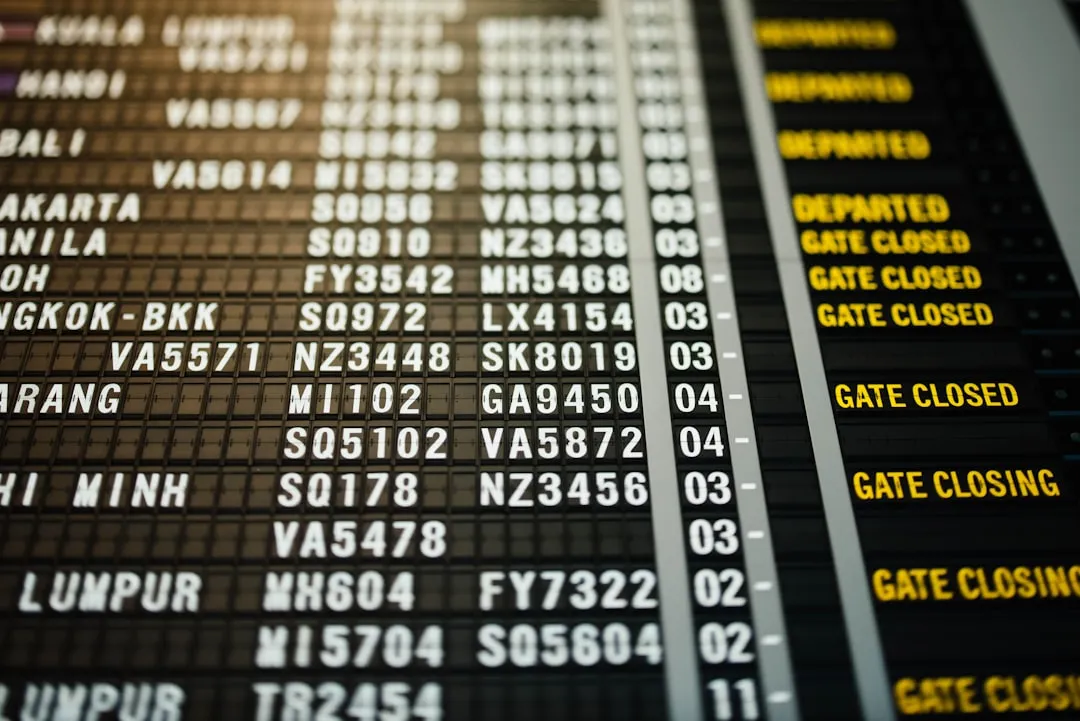
The Gimpo and Jeju airport English pages show “Departure/Arrival,” “Flight schedule,” “Passenger check-in,” “Security Process Time Information,” and “Prohibited items on board” as airport guide functions. Use those official pages for airport-specific details rather than relying on old blog posts or screenshots.
Ticket prices, seat availability, baggage fees, and cancellation rules change by airline and date. This guide therefore does not publish estimated fares. Check the airline, airport, or booking platform directly before payment.
🚨 Important Warning: If you are connecting from an international flight to a separate domestic ticket, delays in immigration, baggage claim, customs, or inter-airport transfer can make the connection risky. Leave a conservative buffer and confirm whether the tickets are connected or separate.
3. Step-by-Step Guide for Jeju Domestic Flights
Step 1: Confirm the airport code before booking
For Seoul-area travel, Gimpo International Airport is commonly used for domestic flights, while Incheon International Airport is Korea’s main long-haul international hub. Always confirm the airport code on the ticket: GMP for Gimpo, ICN for Incheon, and CJU for Jeju.
If you are already in central Seoul, Gimpo may be easier to reach than Incheon for a domestic departure. If you are landing internationally at Incheon, a Gimpo domestic departure requires an airport-to-airport transfer first.

Step 2: Check the airline’s identification rule
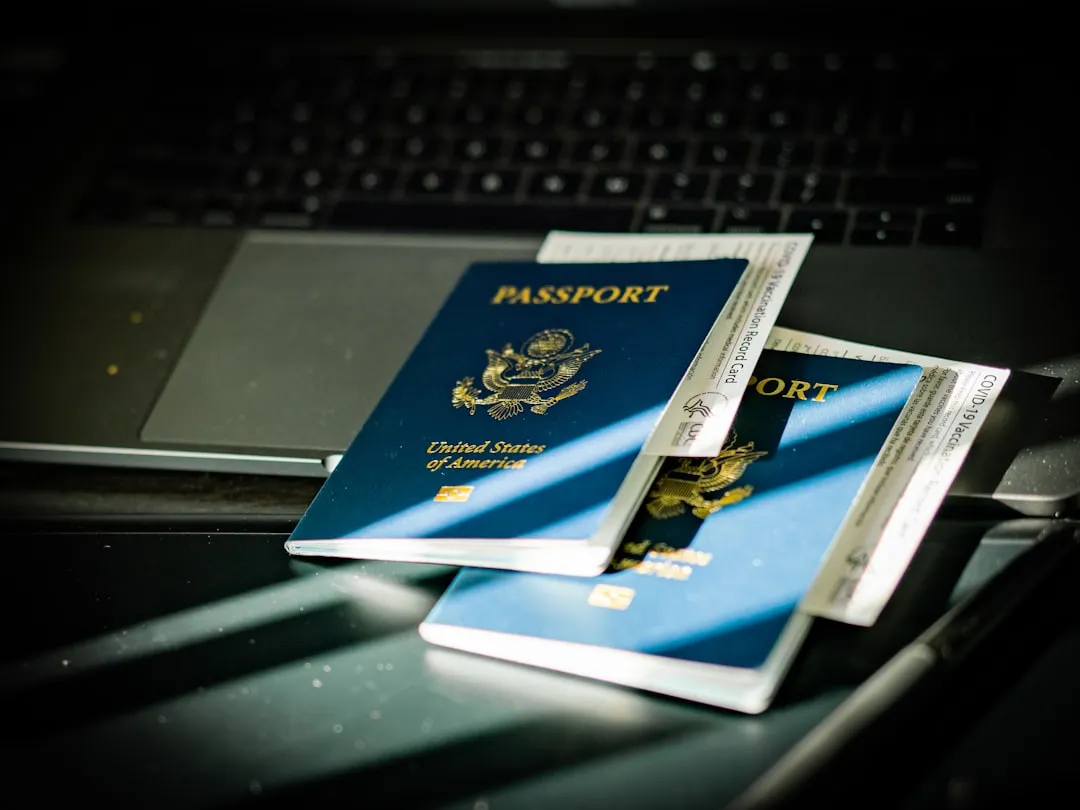
Domestic flights still require identification. Foreign travelers should carry their passport because it is the clearest official identification document for airline check-in and security checks. If you are a resident in Korea, an Alien Registration Card may also be accepted in some travel contexts, but travelers should follow the airline’s current rule.
The name on the reservation should match the travel document you plan to show. If your passport name order, middle name, or spelling differs from the ticket, contact the airline before departure instead of waiting until the counter.
Step 3: Use the domestic terminal process
At the airport, follow the domestic terminal signs. The standard sequence is check-in or mobile boarding pass, baggage drop if needed, identification check, security screening, gate check, and boarding.
Korea Airports Corporation’s English airport pages display a domestic terminal flow that includes airport arrival, self check-in, baggage drop, identification check, security check, boarding time, and departure. The same pages note that the time available for boarding-ticket issuance and baggage check depends on airline policy, and that domestic flights are generally available 30 minutes before scheduled departure.
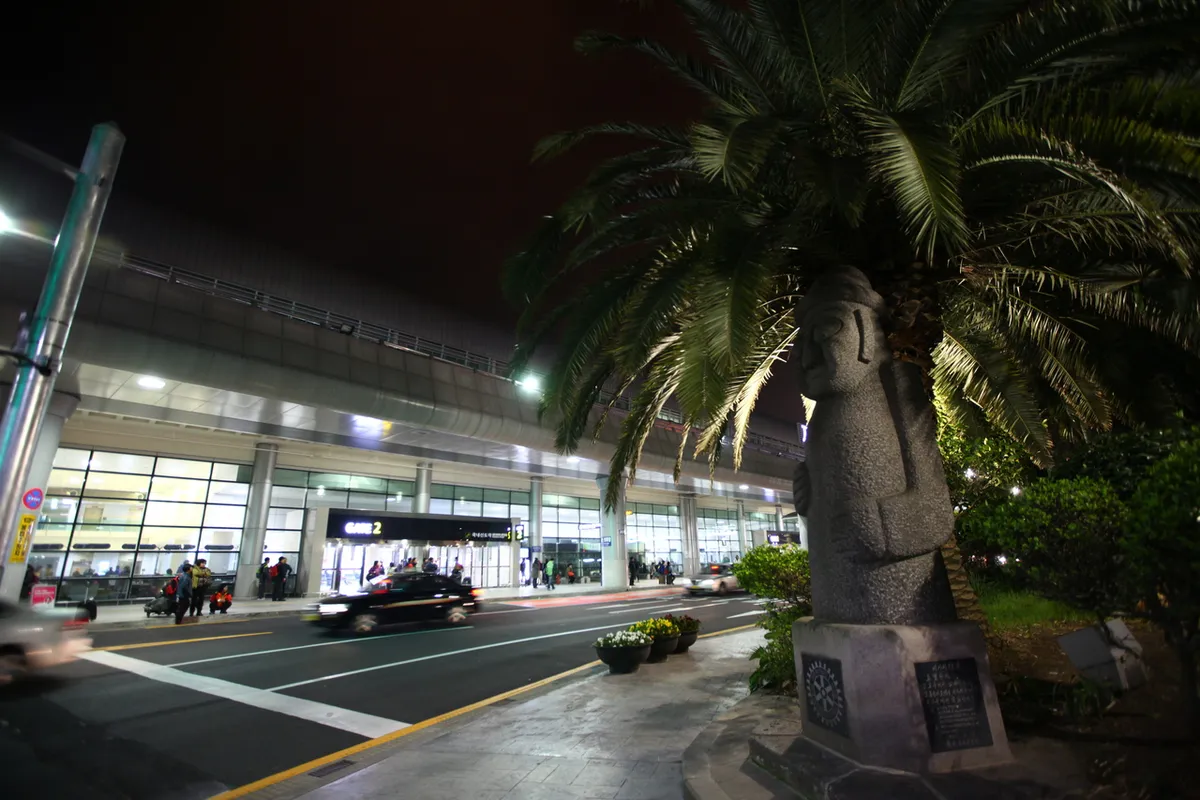
Step 4: Check baggage rules before arriving
Baggage rules are airline-specific. Low-cost carriers and full-service airlines may apply different rules for checked baggage, cabin baggage, oversize items, sports equipment, strollers, or paid add-ons.
Do not rely on another traveler’s baggage allowance. Check the airline’s official rule for your ticket class and route. Keep your passport, wallet, phone, medicine, chargers, valuables, and fragile items in your carry-on bag.
Step 5: At Jeju Airport, plan ground transport separately
Jeju International Airport is the arrival point for most flights to Jeju Island. After arrival, your next step may be a rental car, taxi, airport bus, city bus, hotel pickup, or local transfer.
Visit Korea’s airport transportation guide states that Korean airports offer transportation options such as subway trains, buses, and taxis to city centers, and it specifically references Jeju International Airport among Korea’s regional airports (Source: Visit Korea).

Jeju is not a subway-based destination. Before departure, save your hotel name in Korean, the Korean address, and the phone number. KakaoMap or Naver Map can help with local routing, while 1330 can support tourist interpretation if you need help at the airport.
4. Pro Tips and Warnings for Seoul to Jeju Flights
💡 Local Hack: Search both the English airport name and the three-letter airport code. “Gimpo,” “GMP,” “Jeju,” and “CJU” are easier to verify than relying only on “Seoul” or “Jeju Island” in a booking confirmation.
⏰ Timing Tip: The airport page may show live or current airport conditions, but an evergreen article should not treat that as a fixed rule. Use live airport pages on the day of travel and check the airline’s deadline for your own ticket.
📍 TripKorea’s Pro Tip: If your first night is in Jeju City, staying near Jeju Airport can reduce arrival-day friction. If your plan is focused on Jungmun, Seogwipo, Aewol, Hamdeok, or Seongsan, check the onward road travel before choosing the flight time.
🗣️ Korean Phrase: “Where is the domestic terminal?” — “국내선 터미널이 어디예요?” (Gungnaeseon teomineori eodiyeyo?)
🗣️ Korean Phrase: “I have a flight to Jeju.” — “제주 가는 비행기가 있어요.” (Jeju ganeun bihaenggiga isseoyo.)
If you need interpretation help, call 1330 for tourist information. BBB Korea also provides volunteer interpretation support at 1588-5644. For emergencies, use 119 for fire or medical emergency and 112 for police.
For Jeju trips after a long-haul arrival, avoid building the schedule around the last possible domestic flight unless you have a protected connection. Separate tickets can leave the traveler responsible for rebooking if the first flight, immigration, baggage, or transfer runs late.
5. FAQ: Domestic Flights in Korea
Do I need a passport for domestic flights in Korea?
Foreign travelers should carry a passport for domestic flights because it is the clearest official identification document. Airlines and airport security require identification, and airline rules can vary. Check your airline’s current identification policy before travel.
Which Seoul airport do I use for flights to Jeju?
Many Seoul–Jeju domestic flights use Gimpo International Airport (GMP). Do not assume that a Seoul-area flight departs from Incheon International Airport. Check the airport code on the ticket before booking transport to the airport.
Is Jeju Airport domestic or international?
Jeju International Airport handles domestic and international airport functions, but most visitor itineraries to Jeju from Seoul use domestic flights. Follow the terminal and airline instructions shown on your ticket and the airport display.
How early should I arrive for a domestic flight in Korea?
Arrival time depends on the airline, baggage, airport crowding, and whether you already have a boarding pass. Korea Airports Corporation notes that ticket issuance and baggage-check availability depend on airline policy. Use the airline deadline and live airport information on your travel day.
Can I take liquids and batteries on domestic flights in Korea?
Rules for prohibited items, batteries, and liquids can depend on aviation-security rules and airline handling policies. Check the airport’s “Prohibited items on board” page and your airline’s baggage guide before packing. Keep spare batteries and valuables in carry-on baggage unless the airline instructs otherwise.
Plan the Rest of Your Jeju Arrival
After booking domestic flights to Jeju, the next practical step is arrival planning. Review local transport options before landing, especially if your accommodation is outside Jeju City.
Sources & References
Official Sources:
Helplines: Tourist 1330 / BBB Korea 1588-5644 / Emergency 119 / Police 112 / Foreigner 1345
Image Credits: Gimpo Airport and Jeju International Airport images: Korea Tourism Organization / PhotoKorea. Departure board: CHUTTERSNAP / Unsplash. Airplane gate: D YQ / Unsplash.
Last verified: 2026-08-28
Important: Flight schedules, baggage rules, airport procedures, and identification requirements can change. Always verify with the airline and official airport sources before travel.