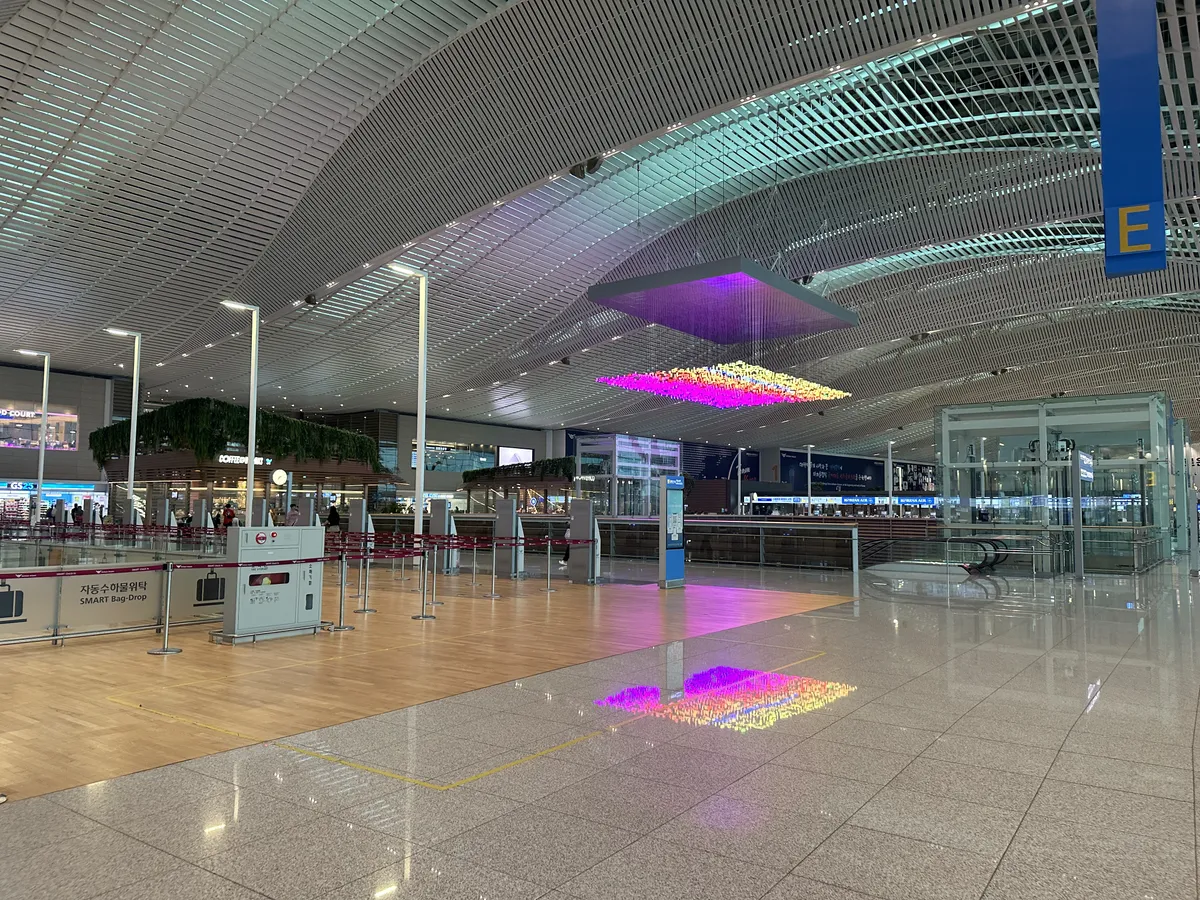
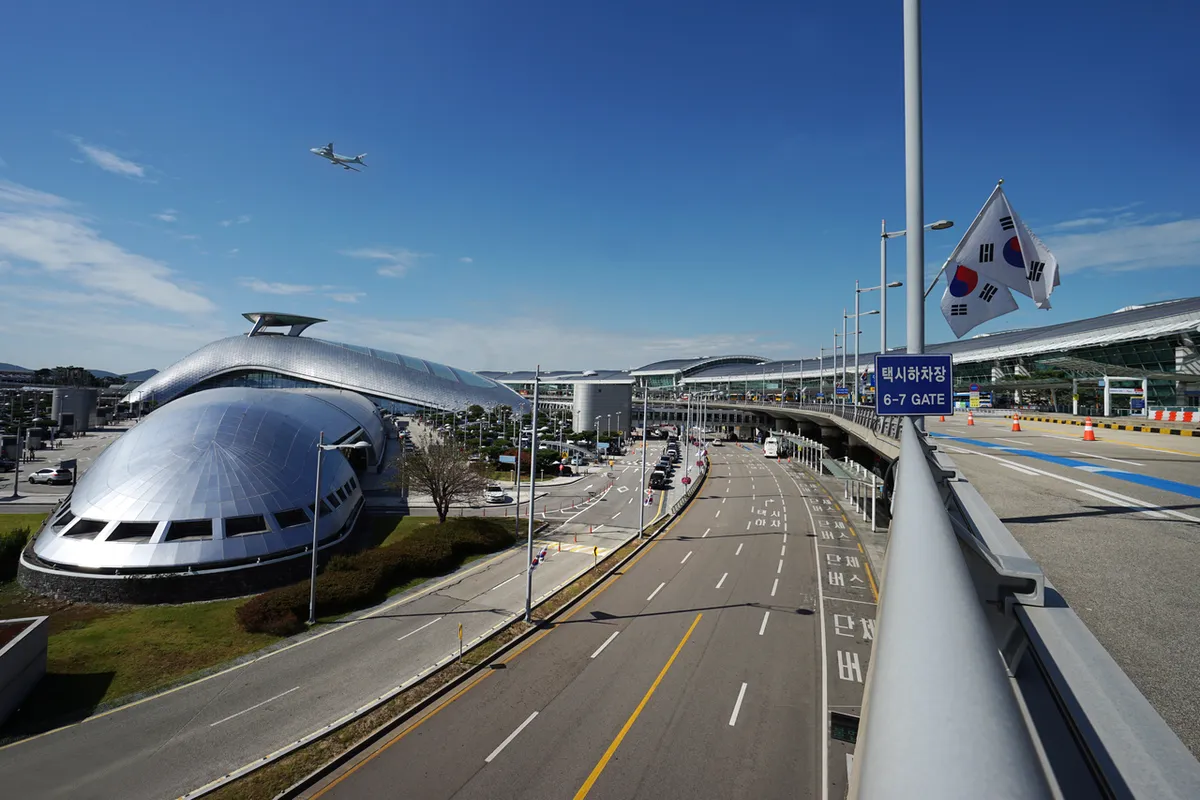
Aviation Security 365, Korea’s official restricted-items database, separates articles by cabin baggage, checked baggage, airline approval, and special conditions (Source: Aviation Security 365). This Korea Carry-On Rules 2026 guide explains how to sort liquids, power banks, e-cigarettes, medicines, and uncertain items before departing from a Korean airport.
Security permission is different from an airline’s cabin-bag size and weight allowance. A permitted object may still be too large or heavy for your fare, while an object that fits inside the bag may still be restricted by aviation-security rules.
1. The Problem: One Bag Is Checked by Several Rule Sets
Travelers often use “carry-on rule” to mean one rule, but several checks apply. The airport security check concerns what may enter the aircraft cabin. Dangerous-goods rules decide where batteries and other regulated articles may travel. The airline sets the number, weight, and dimensions of cabin and checked bags. Customs rules apply separately when goods cross a national border.
This guide covers departure security and baggage placement. It does not replace the arrival declarations explained by Korea Customs Service, and it does not set an airline’s baggage allowance. Check the operating carrier shown on the ticket, especially when the itinerary includes a codeshare or more than one airline.
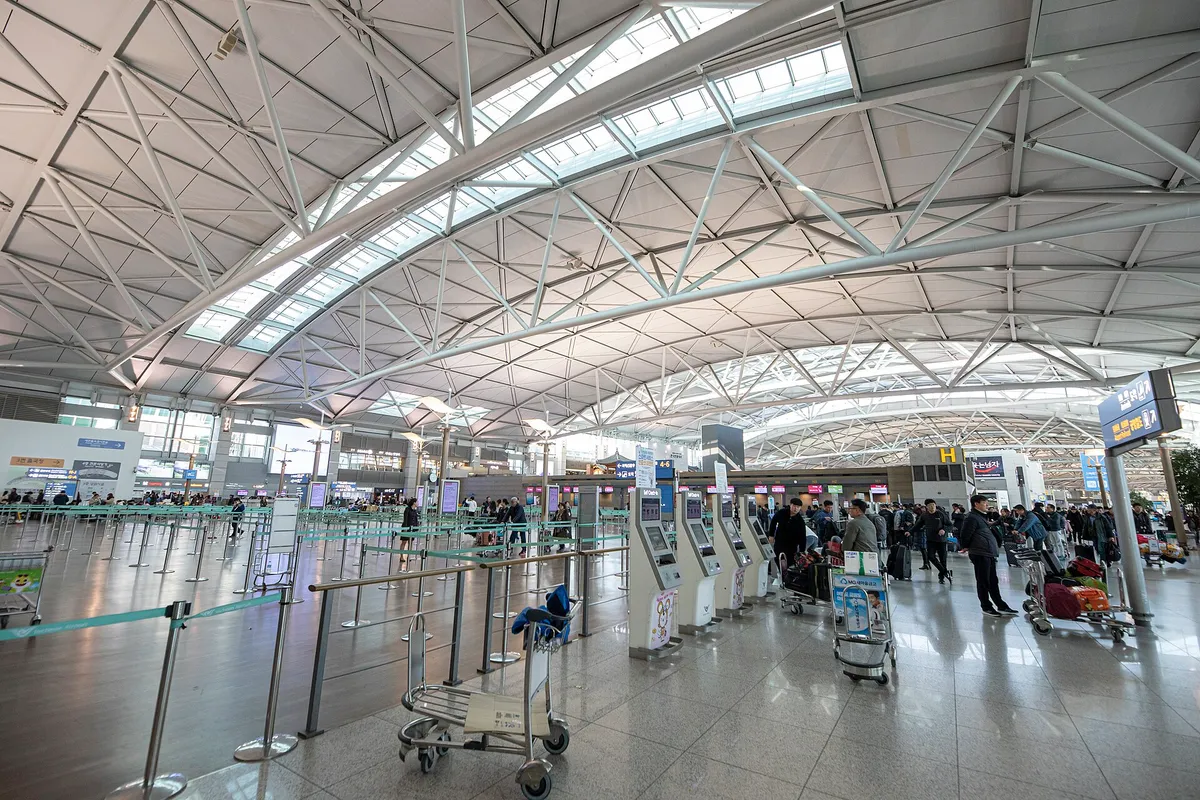
Aviation Security 365 also warns that an airport security supervisor or air carrier may refuse an item that could endanger the aircraft, passengers, or crew even when the item is not specifically listed as prohibited. Its database is therefore a starting point for an exact-item check, not permission to infer that every object in a broad category is allowed.
This distinction is important for knives, tools, sprays, cosmetics, lighters, sports equipment, and chemical products. Search the exact article rather than relying on a general label such as “metal item” or “toiletry.”
2. The Solution: Use a Three-Part Carry-On Check
A reliable check has three parts. First, identify whether the flight departing Korea is domestic or international. Second, look up each uncertain article in Aviation Security 365 and read the cabin, checked-baggage, approval, and special-condition fields. Third, compare the result with the operating airline’s current baggage and dangerous-goods page.
- Security status: Is the exact item permitted in the cabin, permitted only in checked baggage, or prohibited?
- Approval status: Does it require the operating airline’s advance approval?
- Bag allowance: Does the packed bag meet the airline’s quantity, weight, and size limits?
- Full itinerary: Are there transfer airports or additional operating carriers that require another check?
Do not use the rules of the arrival airport as a substitute for the rules at departure. If another security screening occurs during a connection, verify that airport’s current requirements as well.
💡 TripKorea’s Pro Tip: Make a short list of objects that contain a battery, liquid, pressurized container, sharp edge, flame, or chemical. Search those objects individually before packing the rest of the bag.
3. Step-by-Step Korea Carry-On Rules Guide
Step 1: Separate security rules from airline bag limits
Open the official baggage page of the operating airline and record the permitted number of cabin pieces, dimensions, and weight for the booked fare. These values are airline-specific, so this guide does not supply a universal cabin-bag size.
Then open Aviation Security 365. The database provides Korean and English search options and shows separate symbols for cabin baggage, checked baggage, airline approval, and special provisions. When a broad search produces several results, select the item that matches the material, power source, and intended use of the object you will carry.
Step 2: Pack international-flight liquids by container size
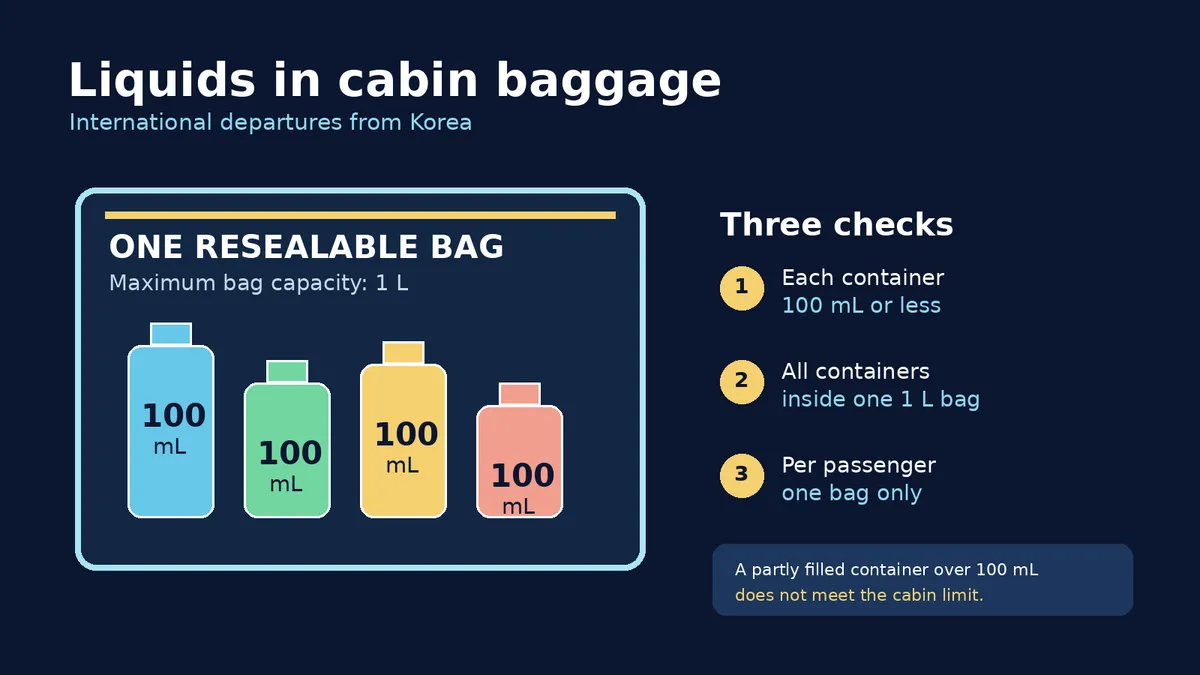
For an international flight departing Korea, each liquid, gel, or aerosol container placed in cabin baggage must hold no more than 100 mL. All such containers must fit inside one transparent resealable plastic bag with a capacity of no more than 1 L, and each passenger may carry one bag (Source: Aviation Security 365).
The capacity printed on the container is the relevant limit. A container marked above 100 mL does not meet the cabin rule merely because it is partly empty. Water is permitted in checked baggage, while the international cabin restriction applies at security.
The official water entry lists an exception for passengers traveling with an infant: infant milk, water, juice, breast milk, and liquid, gel, or porridge-type food may exceed 100 mL when the amount is appropriate for the flight itinerary. Present these items for screening and carry only the journey-appropriate amount described by the official rule.
Domestic flights are treated differently in the official water entry: water may be carried in both cabin and checked baggage. This does not mean every spray, cosmetic, chemical, or pressurized product is unrestricted. Search each exact product because other safety conditions may apply.
Step 3: Keep power banks out of checked baggage
Under the Aviation Security 365 power-bank entry effective April 20, 2026, a power bank with a capacity of 160 Wh or less may be carried in the cabin, with a limit of two per passenger. A unit above 100 Wh and no more than 160 Wh requires airline approval. Power banks are not permitted in checked baggage, and their terminals must be insulated to prevent a short circuit.
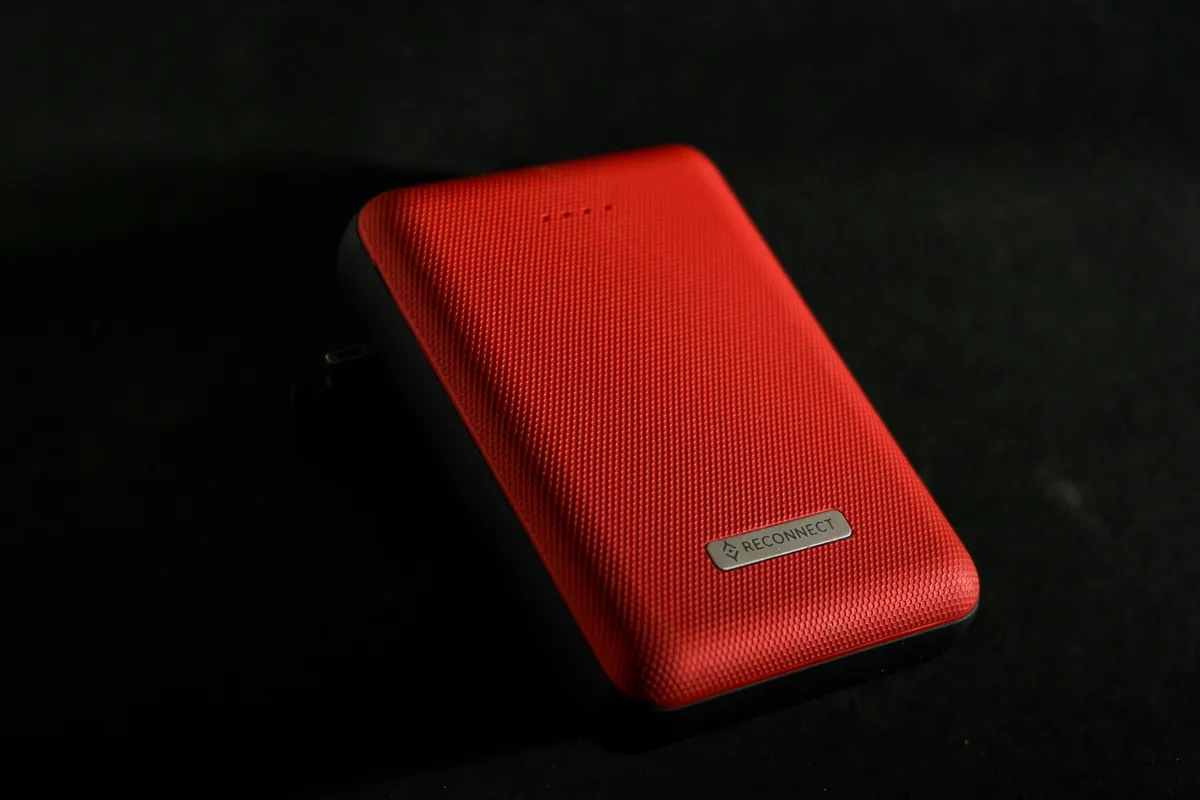
Read the rating printed on the device before leaving home. Aviation Security 365 gives the conversion as watt-hours (Wh) = amp-hours (Ah) × voltage (V), with 1,000 mAh equal to 1 Ah. If the Wh value or the information needed to calculate it is unclear, contact the operating airline before travel rather than estimating.
🚨 Important Warning: A bag accepted at check-in can still contain an incorrectly packed spare battery. Move power banks to cabin baggage before handing over a suitcase, and protect the terminals as required by the official rule.
Step 4: Place e-cigarettes in cabin baggage
Aviation Security 365 lists electronic cigarettes as permitted in cabin baggage and prohibited in checked baggage. Keep the device with the cabin items and confirm any additional carrier instructions before departure.
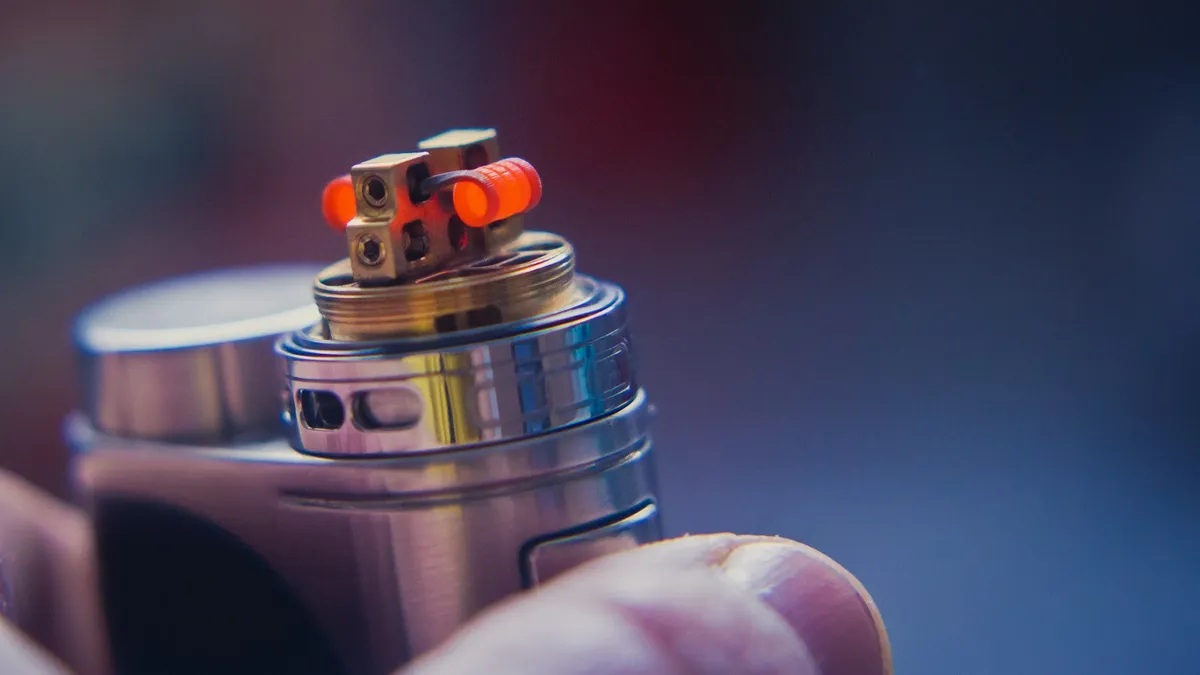
E-liquid remains a liquid. On an international departure from Korea, its container must therefore be checked against the 100 mL container rule and included in the single 1 L transparent resealable bag when carried through security.
Step 5: Check medicines by form
The Aviation Security 365 entry for tablet-form medicine permits it in both cabin and checked baggage. That result is specific to tablets; it should not be generalized to every liquid medicine, syringe, cooling pack, or medical device. Search the exact form and contact the airline when approval or special handling may be required.
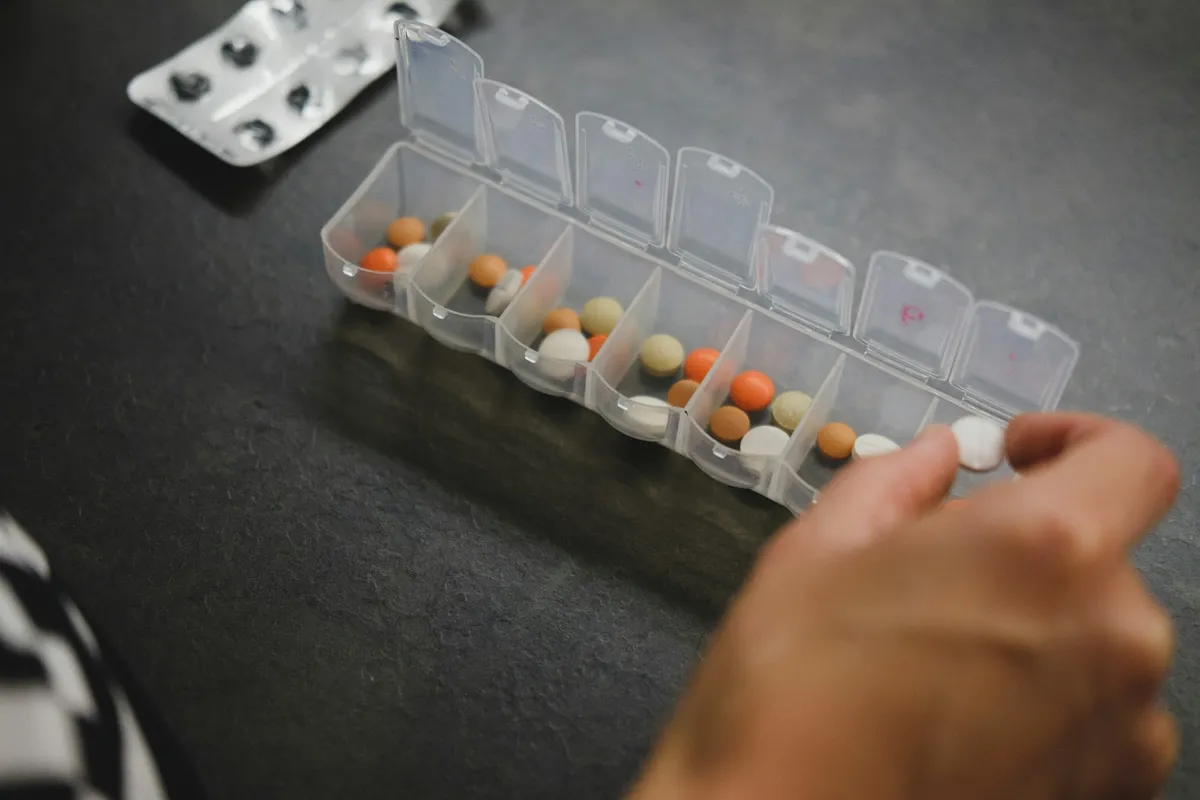
For liquid or gel medicine such as ointment, Aviation Security 365 states that commercially sold or prescribed medicine may be allowed outside the 1 L bag in an amount appropriate to the flight. Supporting proof such as a prescription should be presented, and screening staff must judge the amount appropriate (Source: Aviation Security 365).
Keep identifying information available for medicines that may be difficult to explain during screening. This is a documentation and transport precaution, not medical advice. Questions about whether a medicine may enter Korea are also separate from airport security and should be checked with the relevant customs or health authority.
Step 6: Search sharp, pressurized, and unusual items individually
A broad search for “knife” in Aviation Security 365 directs users to search by the specific type of knife. Apply the same exact-item method to tools, sporting articles, sprays, lighters, cosmetics, camping equipment, and chemicals. Material, dimensions, fuel, pressure, battery type, and intended use can change the result.
For scissors, the official database lists blades of 6 cm or less as permitted in both cabin and checked baggage. Scissors with blades over 6 cm are prohibited in the cabin but permitted in checked baggage. This measurement must not be generalized to utility blades, kitchen knives, folding knives, or other sharp articles, which have their own entries.
Non-toxic sports or household aerosols are listed with a dangerous-goods maximum of 0.5 L per container and four containers in total. On an international flight, the separate 100 mL cabin-security limit still applies to an aerosol carried through the checkpoint. Flammable or toxic products can be prohibited, so the exact product must be checked.
When the database shows airline approval, obtain confirmation from the operating carrier before departure. When the entry is unclear, ask the airport or airline instead of placing the item in both bags and hoping one placement will pass.
4. Pro Tips and Warnings Before Airport Security
- Keep restricted cabin-only items accessible. Power banks and e-cigarettes should not be buried in a suitcase that may be checked at the gate.
- Use original capacity markings. Security and airline staff need to identify battery capacity and container size without guesswork.
- Prepare the liquids bag before reaching the checkpoint. A single transparent resealable bag makes the applicable containers easier to present.
- Check the operating carrier. The marketing airline on a codeshare ticket may not operate the aircraft.
- Recheck a connecting itinerary. A later security checkpoint can apply the rules of another airport or country.
- Do not confuse security with customs. An article may be safe to transport by air but still require declaration, quarantine inspection, or import permission.
📞 Travel and Emergency Assistance in Korea
- 1330: Korea Travel Hotline and tourist interpretation
- 1345: Immigration Contact Center; from overseas, +82-2-1345
- 1588-5644: BBB Korea interpretation
- 110: Government Call Center
- 112: Police
- 119: Fire and medical emergency
These numbers do not issue airline baggage approval. For a borderline item, contact the operating airline or the airport directly. Use 112 or 119 only for an actual police, fire, rescue, or medical emergency.
5. Frequently Asked Questions
Can I put a power bank in checked baggage in Korea?
No. Aviation Security 365 lists power banks as cabin baggage only and prohibits them in checked baggage. Under the entry effective April 20, 2026, power banks up to 160 Wh are limited to two per passenger; units above 100 Wh and up to 160 Wh require airline approval, and terminals must be insulated.
How much liquid can I carry on an international flight from Korea?
Each container must be 100 mL or less. The containers must fit inside one transparent resealable bag of no more than 1 L, with one bag allowed per passenger. A container larger than 100 mL does not qualify simply because it is partly empty.
Are liquid rules the same on domestic and international flights in Korea?
No. The official water entry permits water in cabin and checked baggage on domestic flights, while international cabin baggage is subject to the liquid, gel, and aerosol controls. Other products can have separate restrictions, so search each exact item.
Can I pack an e-cigarette in my checked suitcase?
No. Aviation Security 365 lists electronic cigarettes as allowed in cabin baggage and prohibited in checked baggage. E-liquid carried through international-flight security must also meet the applicable liquids rule.
Does passing airport security mean the item can enter Korea?
No. Aviation security and customs are separate. Security determines whether and where an item may travel on the aircraft; customs, quarantine, and other authorities determine whether it may cross the border and whether a declaration or permission is required.
Check Before You Fly
Open Aviation Security 365, search every uncertain object by its exact name, and then confirm the result with the operating airline. Use the Korea Carry-On Rules 2026 checklist again whenever the route, airline, battery, container, or product changes.
Sources & References
Official Government and Airport Sources:
- Aviation Security 365 — official restricted-item search
- Aviation Security 365 liquid-item guidance
- Aviation Security 365 power-bank guidance
- Aviation Security 365 dangerous-goods guidance
- Incheon International Airport
- Korea Airports Corporation
Image Credits:
- Incheon International Airport exterior: IR Studio / Korea Tourism Organization
- Incheon Airport Terminal 1 departure hall: Arne Müseler / Wikimedia Commons, CC BY-SA 3.0 DE
- Power bank: Sai Balaji Varma Gadhiraju / Unsplash
- Tablet organizer: Laurynas Me / Unsplash
- Suitcase lock: CHUTTERSNAP / Unsplash
- Electronic cigarette device: EESOFUFFZICH / Unsplash
- Liquids-limit graphic: TripKorea
Last verified: September 18, 2026.
Rules, airline policies, and security decisions can change. Always verify the exact item with Aviation Security 365, the departure airport, and the operating airline before travel.