Korea customs declaration rules apply when travelers enter Korea with goods above the duty-free allowance, restricted items, or reportable cash. This Korea customs declaration guide explains the arrival process, the main duty-free limits, and the items that should be checked against Korea Customs Service guidance before travel.
The official rules can change, and customs officers decide individual cases at the airport. Use this guide as a traveler checklist, then verify unusual goods with the Korea Customs Service or ask at the customs counter before leaving the arrival hall.
1. The Problem: Customs Rules Are Separate from Immigration
Immigration decides whether a traveler may enter Korea. Customs decides whether goods, cash, food, medicine, commercial samples, or restricted articles may enter Korea without tax, declaration, quarantine, or special permission.
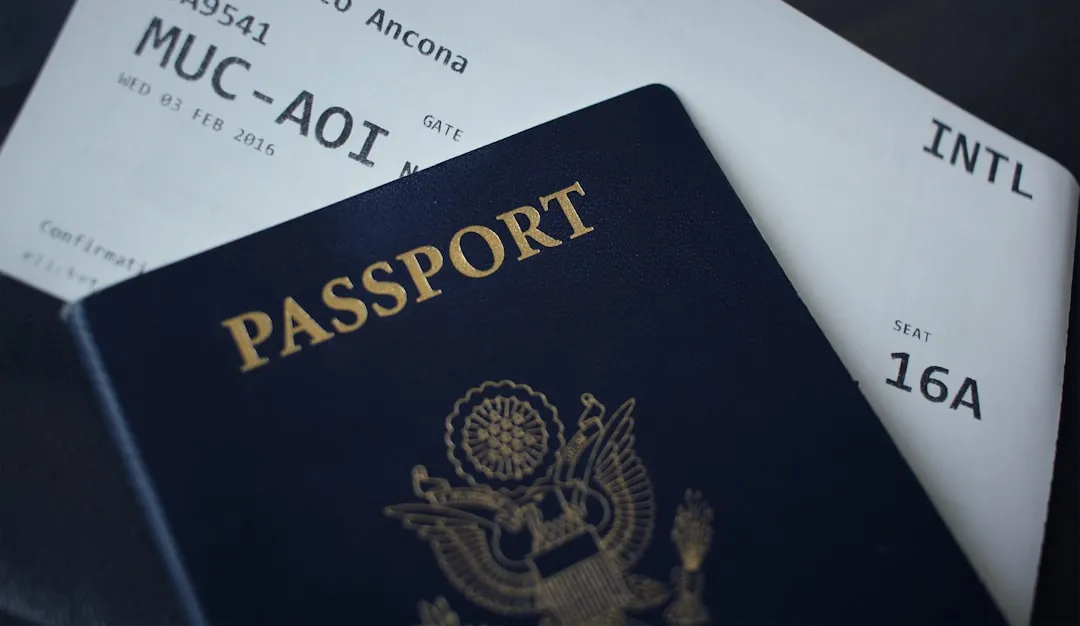
This distinction matters because a traveler can have a valid passport, visa, or K-ETA and still need to declare an item after baggage claim. Korea Customs Service states that goods exceeding the tax exemption allowance, commercial goods, repair goods, samples, certain weapons, narcotics, animals, plants, food products, and intellectual-property-infringing goods are among the categories that require attention at customs.
The safest approach is simple: if an item is expensive, restricted, intended for sale, part of a business sample, animal- or plant-based, medical, or hard to explain quickly, prepare documentation and ask customs before exiting.
Do not treat the green channel as a shortcut if you are unsure. A voluntary declaration can reduce the standard customs duty, while failure to declare can lead to additional tax, according to Korea Customs Service.
2. The Solution: Know What Must Be Declared
The core question is not “Will my bag be checked?” The core question is “Do I have something Korea asks travelers to declare?”
Korea Customs Service lists the general duty-free allowance for traveler belongings as goods up to US$800 in total taxable value. Separate allowances are listed for liquor, tobacco, and perfume: liquor up to a total volume of 2 liters and US$400, 200 cigarette sticks, e-cigarette or liquid nicotine up to 20 ml with nicotine percentage under 1%, and perfume up to 100 ml. Minors under 19 are not given tax exemption for liquor and cigarettes.
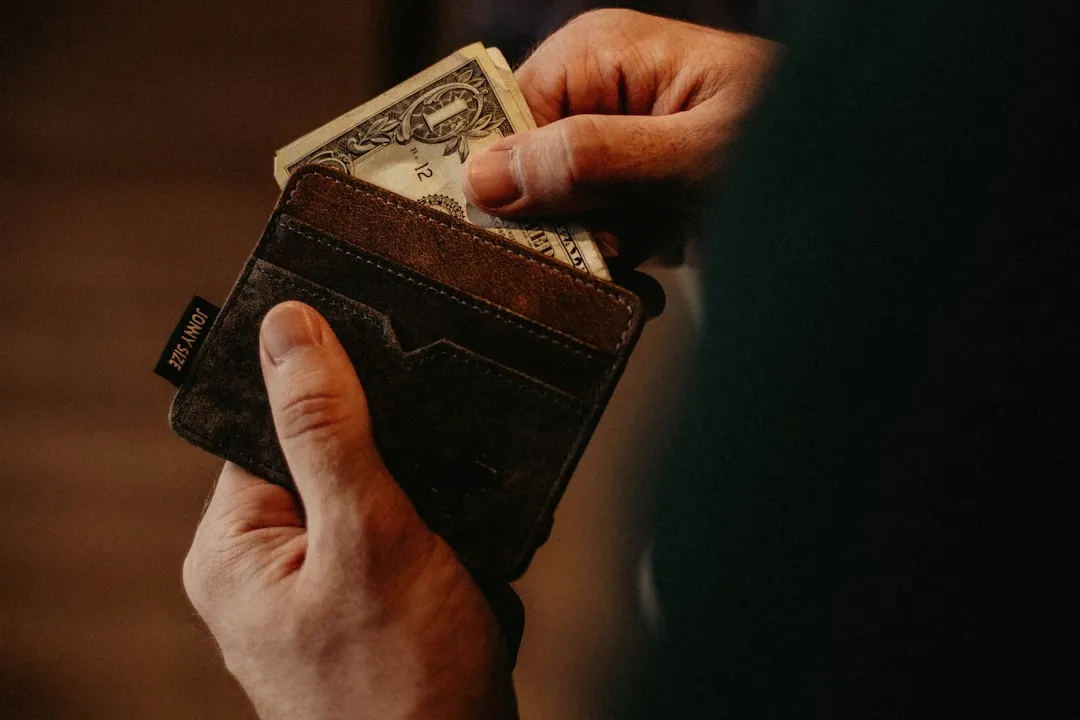
Travelers should also pay close attention to cash. Korea Customs Service guidance on foreign currency states that means of payment exceeding the value of US$10,000 require reporting in relevant departure situations. For arrival, travelers carrying large cash or monetary instruments should confirm reporting rules before travel and ask customs if unsure.
Some items need more than ordinary tax calculation. Firearms, swords, explosives, gas sprayers, narcotics, certain medicines that may be misused or abused, animal products, plants, fruits, vegetables, meat, agricultural products, fishery products, counterfeit goods, and CITES-related animal or plant products can require permits, quarantine, detention, or denial of entry.
For travelers, the practical rule is to separate these categories before landing:
- Value: expensive shopping, gifts, electronics, watches, jewelry, or luxury items.
- Quantity: many identical items, bulk goods, samples, or items that may look commercial.
- Cash: large amounts of currency, cashier’s checks, or other means of payment.
- Food and natural products: meat, fruit, vegetables, seeds, plants, herbal products, animal products, and processed food.
- Medicine and health products: prescription drugs, controlled substances, injections, large quantities, or products with ingredients that may be restricted.
This guide does not decide whether a medicine, supplement, food, or animal product is legally admissible. Customs, quarantine, and relevant Korean authorities decide that.
3. Step-by-Step Guide at the Airport
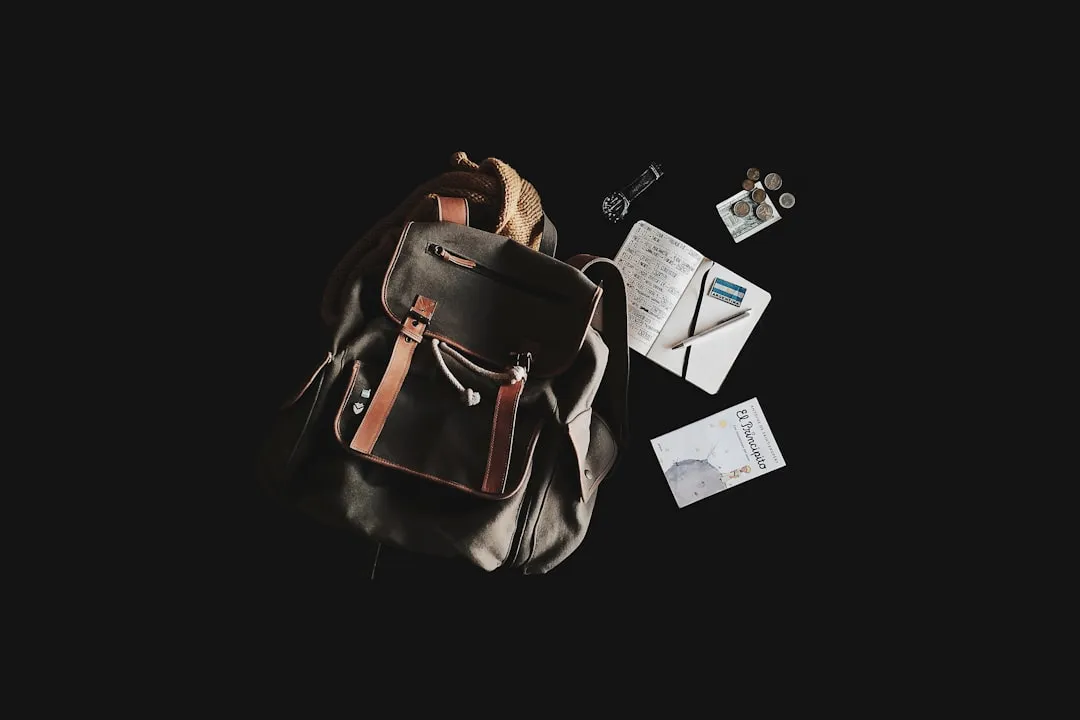
The customs decision starts before packing. Keep receipts for high-value purchases, original packaging for medicine, prescription information where relevant, and a written explanation for anything that may look commercial.
Before boarding, check the Korea Customs Service traveler pages for the latest duty-free and declaration guidance. If a product contains meat, seeds, plants, animal-derived materials, wildlife products, medical ingredients, or controlled substances, do not rely on a general travel blog or shop advice.
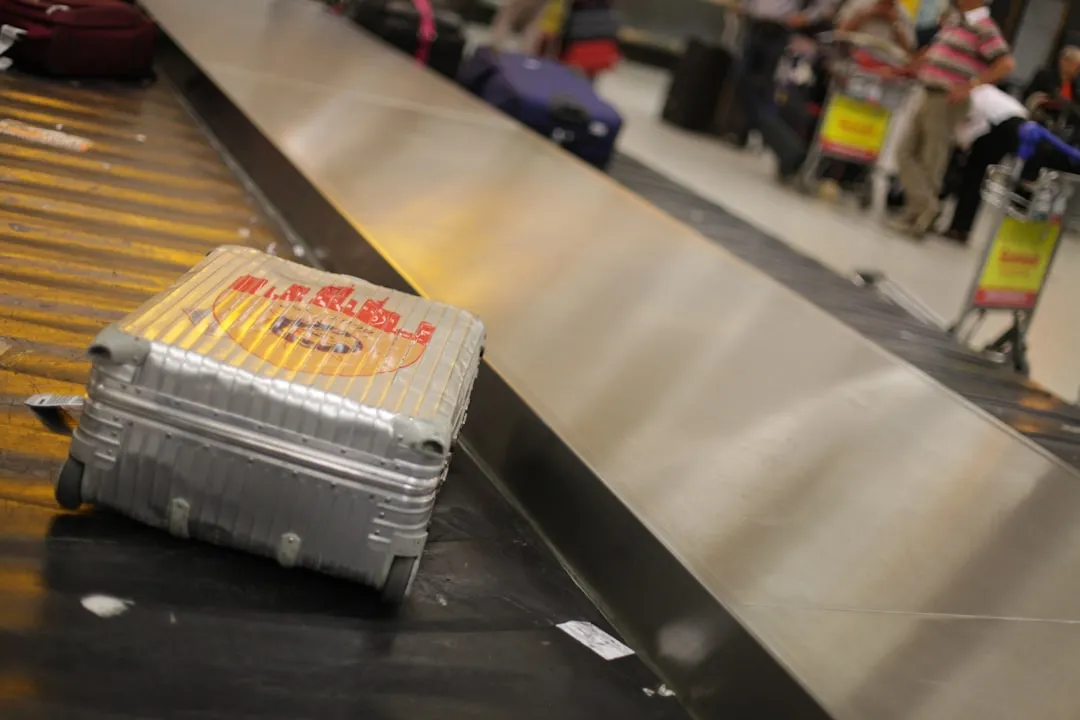
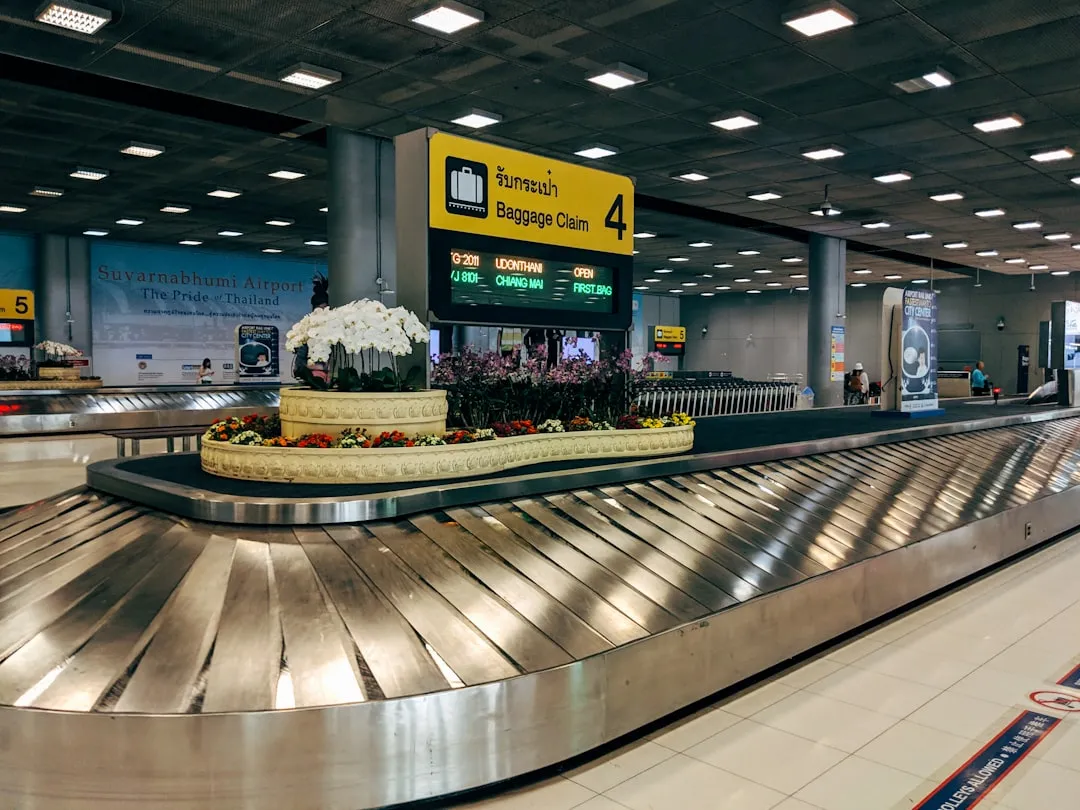
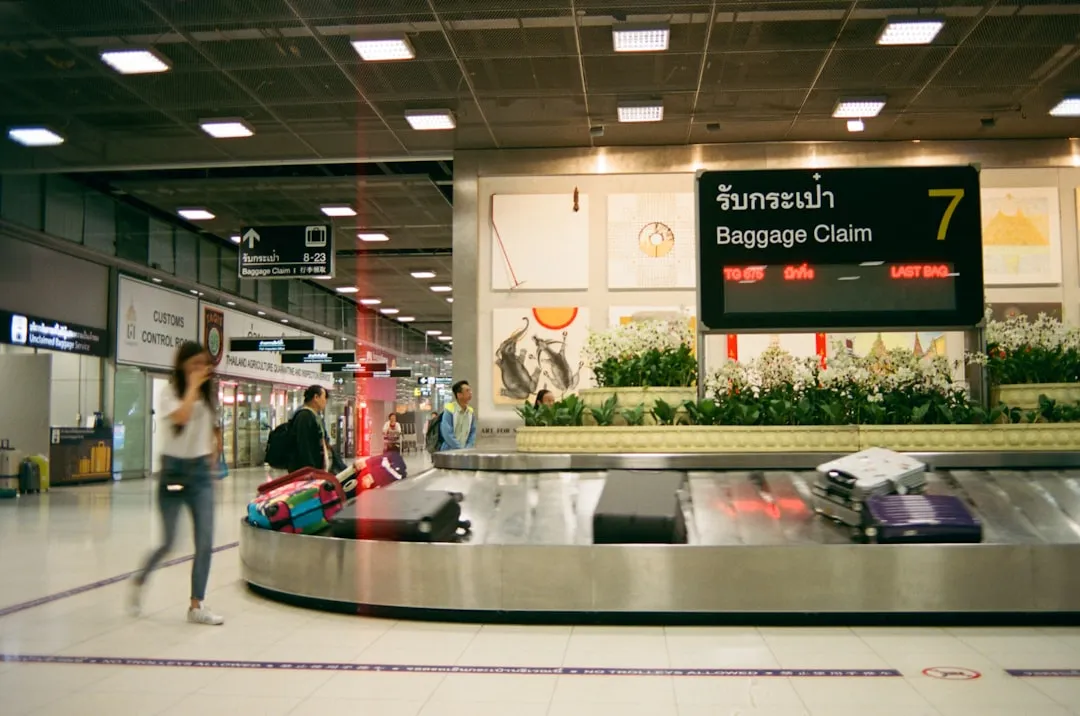
After landing in Korea, complete the arrival and immigration process, collect your baggage, and follow the customs signs. If you have nothing to declare, you may follow the no-declaration route only when your goods are within the allowance and do not include restricted or reportable items.
If you have something to declare, use the declaration route or ask a customs officer. It is better to ask before exiting than to explain later that the item was overlooked.
Useful Korean phrases are:
- 신고해야 하나요? — Do I need to declare this?
- 신고할 물품이 있습니다. — I have goods to declare.
- 이 약은 처방약입니다. — This medicine is prescription medicine.
- 영수증이 있습니다. — I have the receipt.
At the customs counter, answer directly and show documents. For high-value goods, receipts help customs officers determine value. For medicine, original containers and a doctor’s note or prescription can help explain the purpose, but they do not override Korean restrictions.
If an item is detained, deposited, taxed, or referred for another authority’s review, follow the officer’s instructions and keep all paperwork. Do not leave the airport without understanding whether you must collect the item later, pay tax, submit documents, or abandon the item.
4. Pro Tips and Warnings for Travelers
🚨 Important Warning: Tax-free shopping abroad is not the same as duty-free entry into Korea. A product can be “tax free” at the shop and still count toward Korean customs allowance when you arrive.
Korea Customs Service says voluntary declaration can reduce the standard customs duty by 30%. It also states that non-declaration can lead to an additional 40% duty, and 60% additional tax for repeated failure to declare within the stated period. That makes guessing a poor strategy for high-value goods.
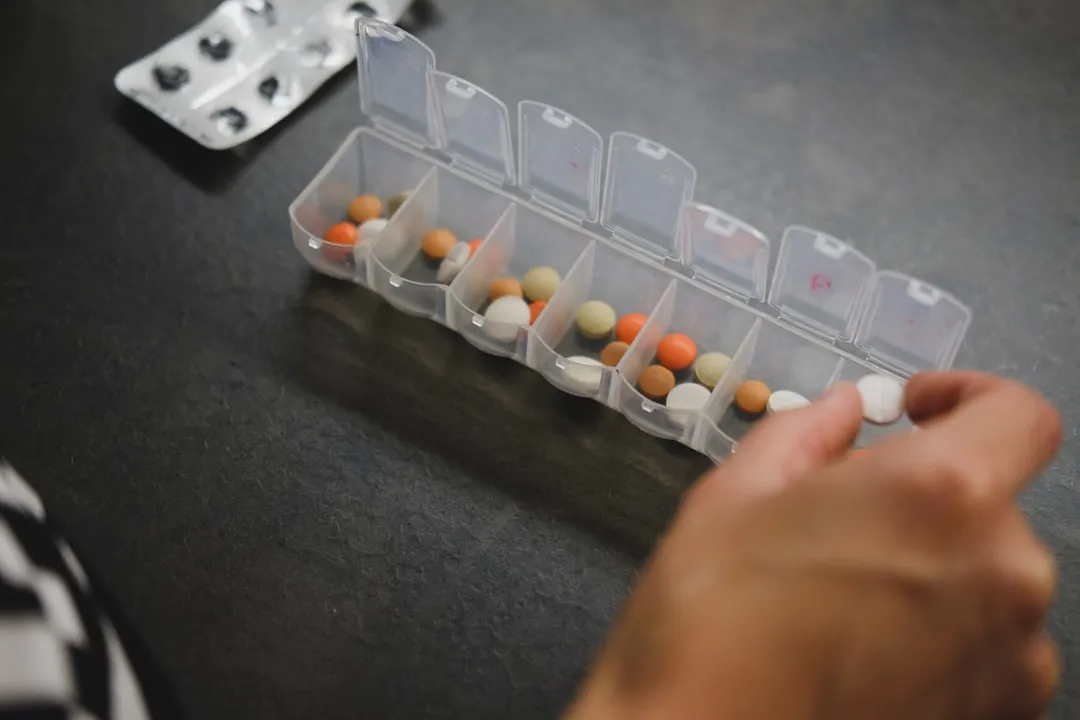
💊 Medicine Tip: Bring medicine in original packaging when possible. Keep prescription records for prescription drugs, and do not pack narcotics, cannabis products, psychoactive substances, or large quantities without checking Korean rules in advance.
The word “medicine” does not automatically make a product safe to import. Korea Customs Service includes medicines that may be misused or abused among goods requiring attention. If the medicine is essential, confirm before departure with official Korean guidance and your airline’s documentation rules.
🌿 Food and Plant Warning: Meat, fruit, vegetables, live fish, agricultural products, forest products, livestock products, fishery products, and processed goods can be subject to customs and quarantine checks. Even packaged food can raise questions if it contains meat, seeds, plant material, or animal-derived ingredients.
💰 Cash Warning: For large cash or monetary instruments, confirm foreign-currency reporting rules before travel. If the amount is near or above the US$10,000 threshold used in Korea Customs Service currency guidance, ask customs rather than assuming that personal travel cash is exempt.
🧾 Receipt Tip: Keep receipts for shopping, electronics, watches, jewelry, gifts, and luxury goods. Customs valuation becomes harder when a traveler cannot show purchase value.
5. Korea Customs Declaration FAQ
What is the Korea customs declaration allowance for travelers?
Korea Customs Service traveler guidance lists a general duty-free allowance of US$800 for taxable goods, with separate limits for liquor, tobacco, and perfume. Always verify the latest allowance on the official Korea Customs Service site before travel because customs rules can change.
Do I need to declare medicine when entering Korea?
You should check medicine before travel if it is prescription-only, controlled, injectable, in a large quantity, or contains ingredients that may be misused or abused. Keep original packaging and prescription information, but remember that documentation does not override Korean import restrictions.
Can I bring food into Korea?
Some food may be allowed, but animal products, meat, fruit, vegetables, plants, seeds, live fish, agricultural goods, livestock products, fishery products, and processed goods can require customs or quarantine review. If food contains meat, plant, seed, or animal-derived ingredients, check official guidance before packing it.
What happens if I do not declare an item?
Korea Customs Service states that failure to voluntarily report declarable goods can lead to additional tax. Voluntary declaration can reduce the standard customs duty, while non-declaration can create extra cost and delay.
Is tax refund the same as customs declaration?
No. Tax refund is usually about receiving a VAT refund on eligible purchases, while customs declaration is about what you bring across the border. A duty-free or tax-free purchase can still be subject to Korean customs rules when you enter Korea.
For Korea customs declaration, the best habit is to decide before landing: ordinary personal belongings within allowance, or goods that should be declared or checked. When the answer is unclear, use the customs counter, keep receipts, and verify with Korea Customs Service rather than leaving the airport with an unresolved item.
Sources & References
Official Government Sources:
- Korea Customs Service
- Korea Customs Service — Customs Clearance Guide for Passengers
- Korea Customs Service — Traveler Declaration Form
- Korea Customs Service — Declaration of Foreign Currency
Traveler Support:
- 1330 Korea Travel Hotline for tourism interpretation
- 1345 Immigration Contact Center for foreigner stay and immigration questions
- 110 Government Call Center
Image Credits:
- Airport terminal: Dimitri Karastelev / Unsplash
- Passport and documents: Nicole Geri / Unsplash
- Baggage claim: Markus Winkler / Unsplash
- Cash and wallet: Allef Vinicius / Unsplash
- Medicine organizer: Laurynas Me / Unsplash
- Travel packing layout: Cynthia del Río / Unsplash
- Airport hall: Rach Teo / Unsplash
Last verified: 2026-08-23
Customs rules, duty-free allowances, quarantine requirements, and restricted-item decisions can change. Always verify unusual goods with official Korea Customs Service guidance before travel.