Korea express bus travel connects major cities and regional terminals through reserved-seat long-distance coaches, with online reservation channels such as KOBUS, TxBus, and BusTago available for different routes. This guide explains how foreign travelers can choose the right terminal, book or buy tickets, read departure information, board correctly, and avoid overlap with rail or airport-transfer planning.
Express and intercity buses are useful when a route is not served directly by KTX, when a traveler is going to a regional city, or when the destination terminal is closer than the nearest rail station. The process is usually simple, but the main difficulty is knowing which website, terminal, and route type applies to the trip.
1. What Korea Express Bus Travel Covers
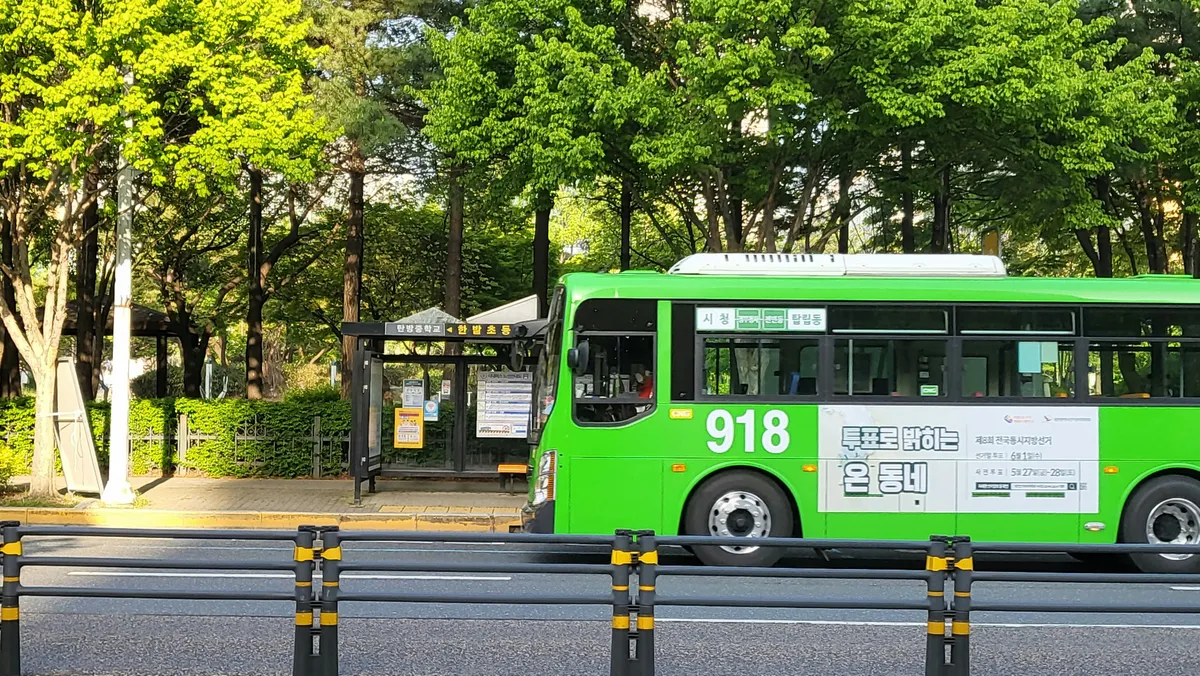
A Korea express bus route usually means a city-to-city coach service that departs from a bus terminal and arrives at another terminal. Travelers should not confuse this with Seoul city buses, airport limousine buses, tour buses, or KTX trains.
For visitors, the practical distinction is route ownership and ticketing. KOBUS is the integrated reservation channel most closely associated with express-bus ticketing. TxBus identifies itself as an Intercity Bus Reservation System and provides ticket reservation, route information, usage guides, cancellation guidance, and receipt services. BusTago is another reservation service used for bus routes and terminals in Korea.
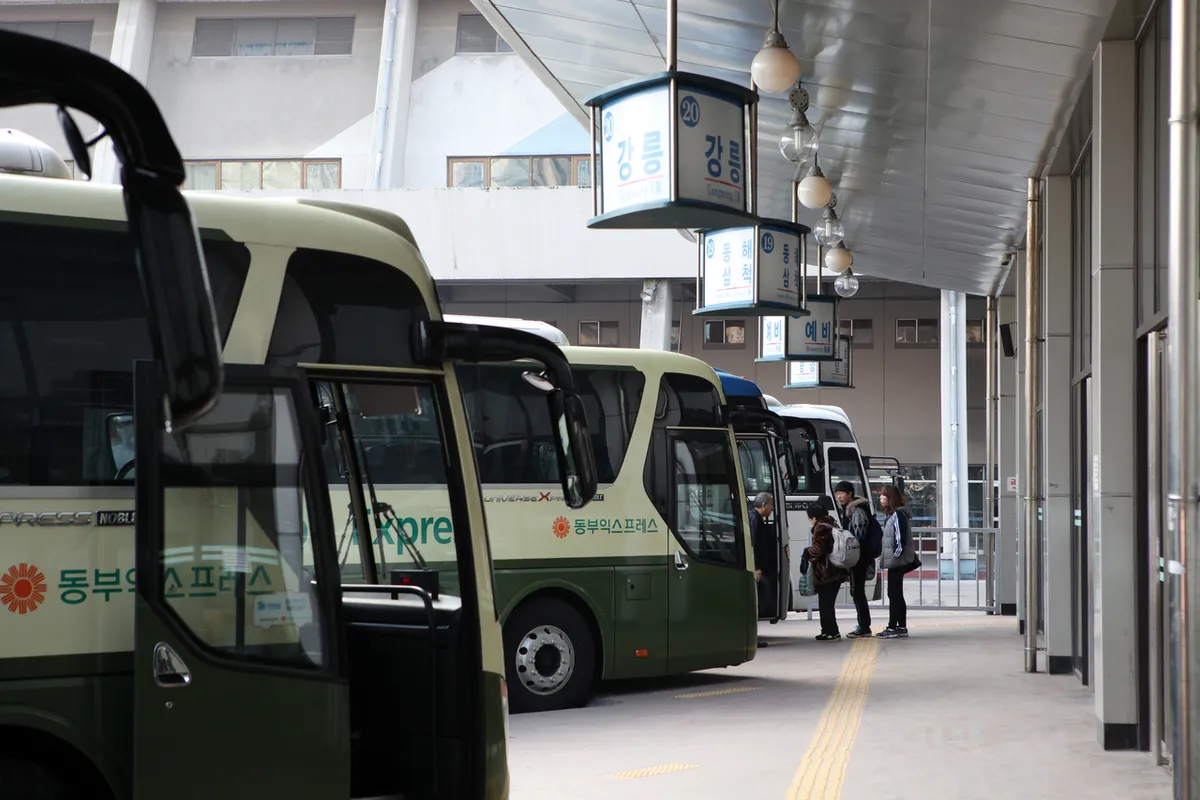
The terms can overlap in everyday conversation. A traveler may hear “express bus,” “intercity bus,” “highway bus,” or simply “bus terminal.” Instead of relying only on the English label, confirm the exact terminal name, destination city, departure time, and operating company shown on the reservation page or ticket.
Korea Tourism Organization’s transportation-card guidance also states that Tmoney and EZL cards work on public transportation including express buses and intercity buses. For long-distance reserved routes, however, travelers should still expect to use a route-specific ticket or booking record rather than treating the ride like a Seoul subway tap-in.
💡 Local Hack: Save the terminal name in Korean as well as English. Seoul Express Bus Terminal is commonly shown as 서울고속버스터미널, and a regional terminal may have a Korean name that is easier to match in KakaoMap, Naver Map, or a taxi app.
2. Express Bus, Intercity Bus, KTX, and Airport Bus: Do Not Mix Them Up
The safest way to plan is to separate four different categories. KTX is Korea’s high-speed rail system and uses KORAIL stations and train tickets. Airport buses are designed for airport-to-city or city-to-airport movement. Seoul city buses are local public transport. Express and intercity buses are long-distance coach services between terminals.
This guide focuses only on the last category. A short KTX comparison can be useful, but the booking process, station layout, ticket gate, platform, and arrival point are different. If a traveler books a KTX ticket to Busan Station, that is not the same as booking a coach ticket to Busan Bus Terminal.
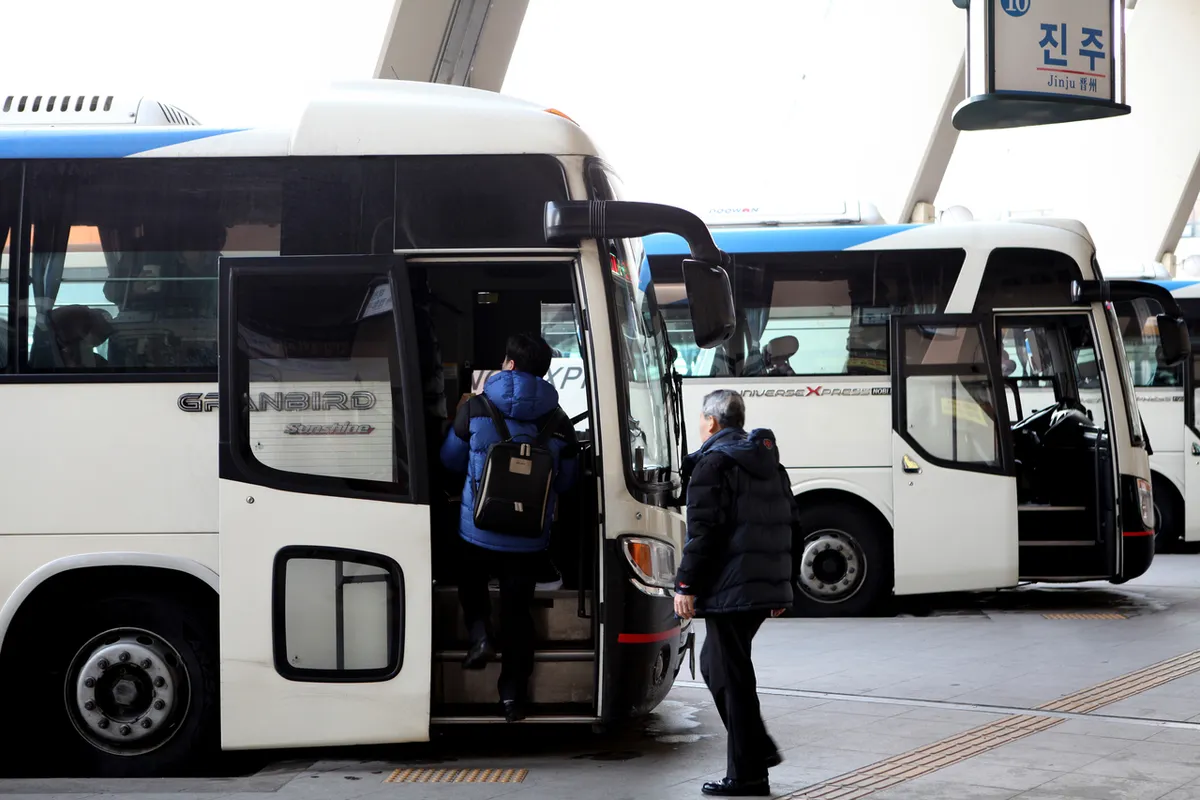
Intercity and express buses can be especially practical for destinations where the bus terminal is closer to the city center, resort area, university district, mountain gateway, or local transfer point than the train station. They are also useful for routes where rail service requires a transfer.
- Use KTX when the destination is served well by a high-speed rail station and you want a rail-based route.
- Use an express or intercity bus when the bus terminal is closer to your final destination or the route is not convenient by train.
- Use an airport limousine bus only for airport arrival or departure movement, not general city-to-city travel.
- Use Seoul city buses for local travel inside Seoul, not reserved intercity travel.
The overlap risk for travelers usually comes from station names. Some places have both a train station and a bus terminal, and they may not be next to each other. Always check the arrival point on a map before deciding that a bus or train is more convenient.
3. Step-by-Step Guide to Booking a Korea Express Bus
Step 1: Confirm the city and terminal. Start with the destination city, then identify the correct terminal. Seoul alone has several major bus terminals, including Seoul Express Bus Terminal, Central City, Dong Seoul, and Seoul Nambu Terminal. A route may depart from only one of them.
Step 2: Search the official reservation channel. Use KOBUS for express-bus routes, TxBus for intercity-bus routes listed there, and BusTago where the route is handled through that service. TxBus’s official English page lists Ticket Reservation, Reservation/Ticketing, View/Modify/Cancel, Service/Route Information, and Usage Guide functions.
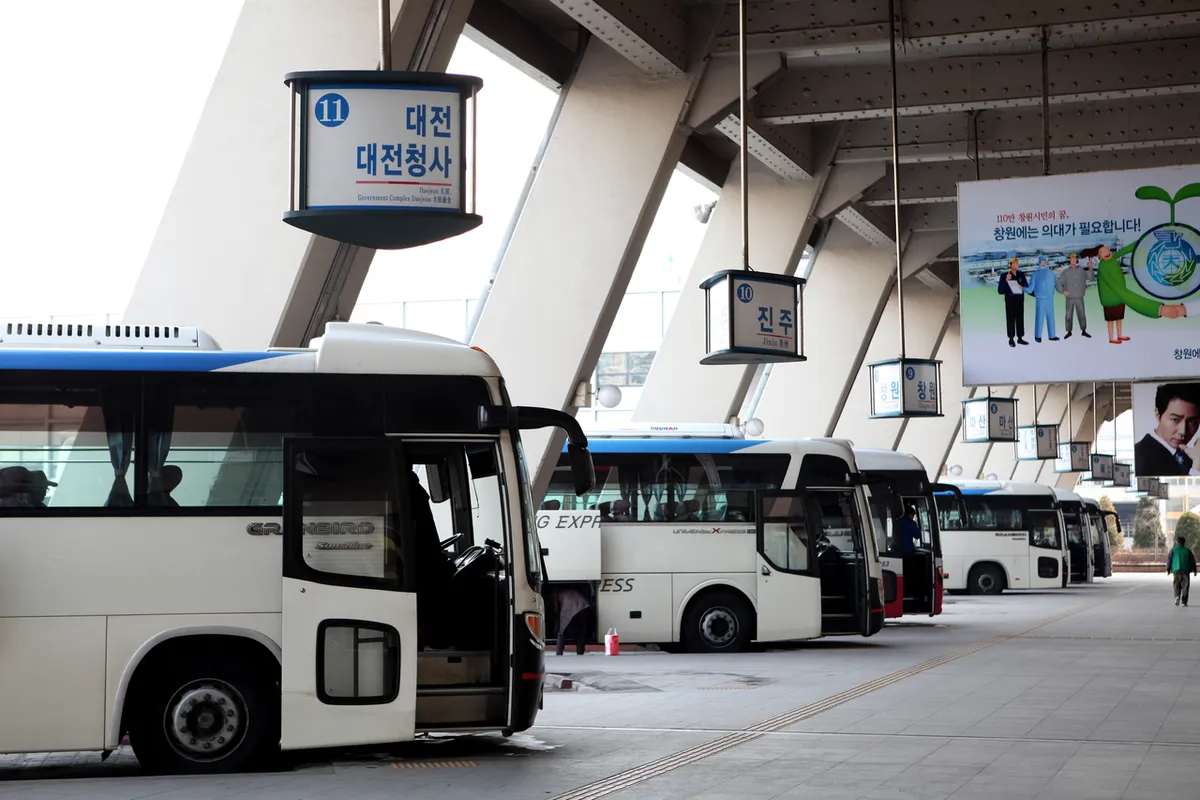
Step 3: Compare departure time, terminal, and seat class. Bus routes may show several departure times and different service types. Do not select only by the earliest time. Check the departure terminal, arrival terminal, bus grade, remaining seats, and whether the arrival terminal is practical for your hotel or onward route.
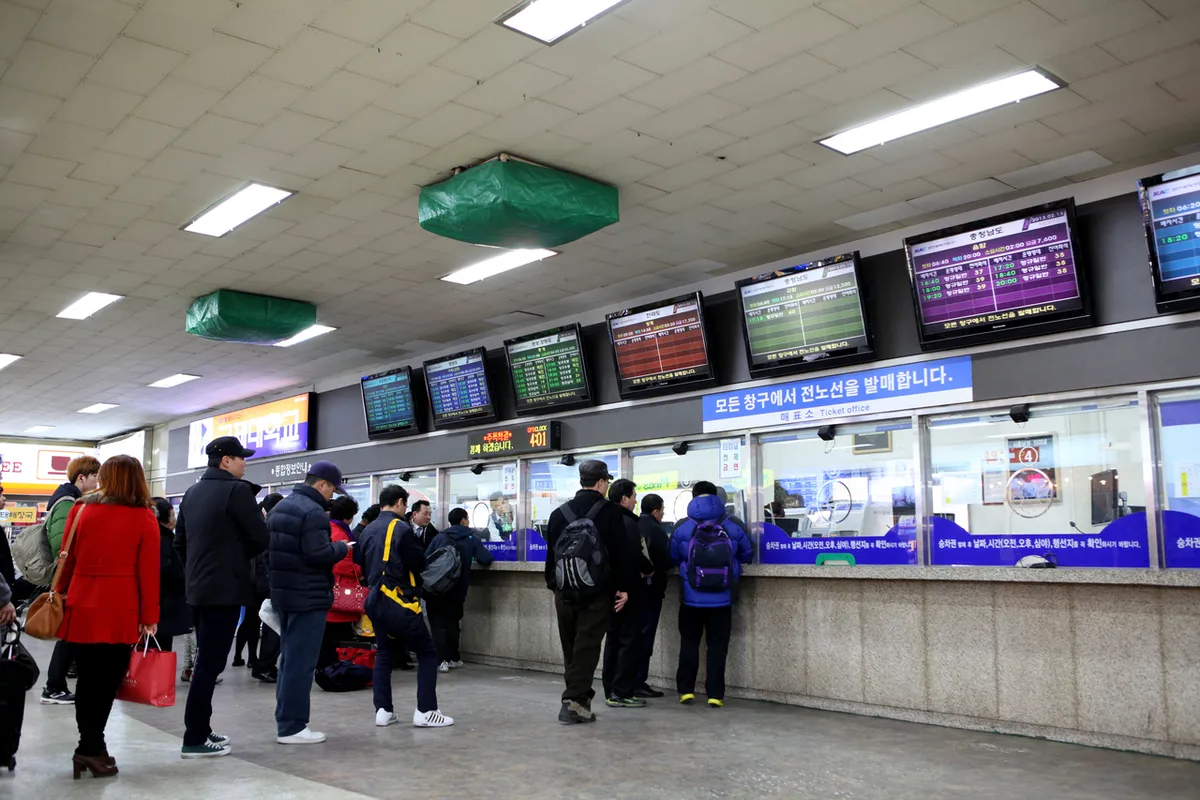
Step 4: Buy online or use the terminal counter. Online booking is convenient when the website accepts your payment method and identity information. If a foreign card, phone number, or verification step fails, use the terminal ticket counter or ticket machine. Keep the Korean route name and desired departure time ready.
Step 5: Save the ticket record. Take a screenshot of the booking number, QR code if issued, departure terminal, bus company, time, seat number, and destination. Mobile data can fail inside terminals or underground areas, so keep an offline copy.
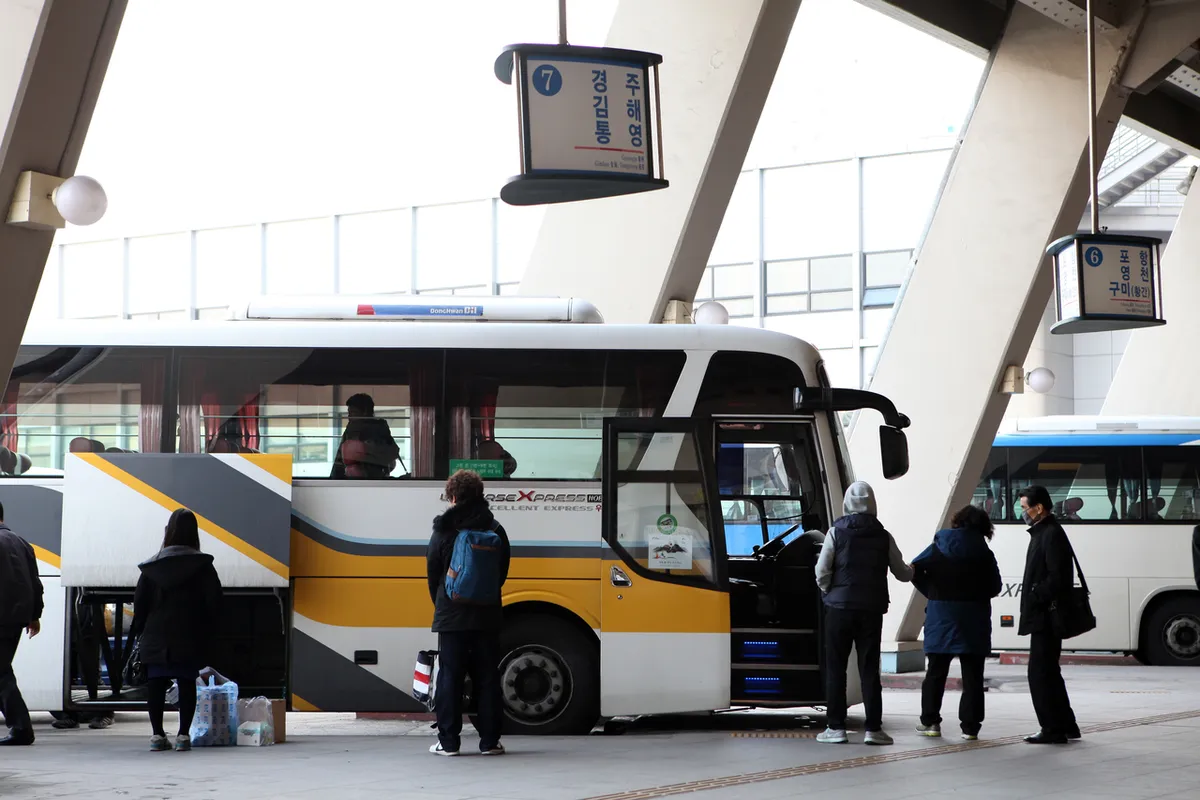
Step 6: Arrive with enough time to find the platform. Large terminals can include separate buildings, floors, food areas, department-store connections, and multiple boarding zones. The ticket may show a platform, gate, destination, or bus company name. Match all of them before boarding.
Step 7: Board the correct bus and keep your ticket available. Check the destination display on the bus, the departure time, and the platform. If you are unsure, show the ticket to terminal staff or the driver before loading luggage.
4. Practical Tips for Terminals, Luggage, and Rest Stops
Long-distance buses in Korea usually depart from a fixed platform, and large luggage is commonly placed in the lower luggage compartment when available. Do not put passports, wallets, medication, electronics, or fragile items in the luggage hold. Keep essential documents and valuables in a small bag at your seat.
At the terminal, watch the departure board and the printed or mobile ticket together. A city name may appear in Korean, English, or romanized form. Some city names have similar romanized spellings, so the Korean name and terminal name are useful safeguards.
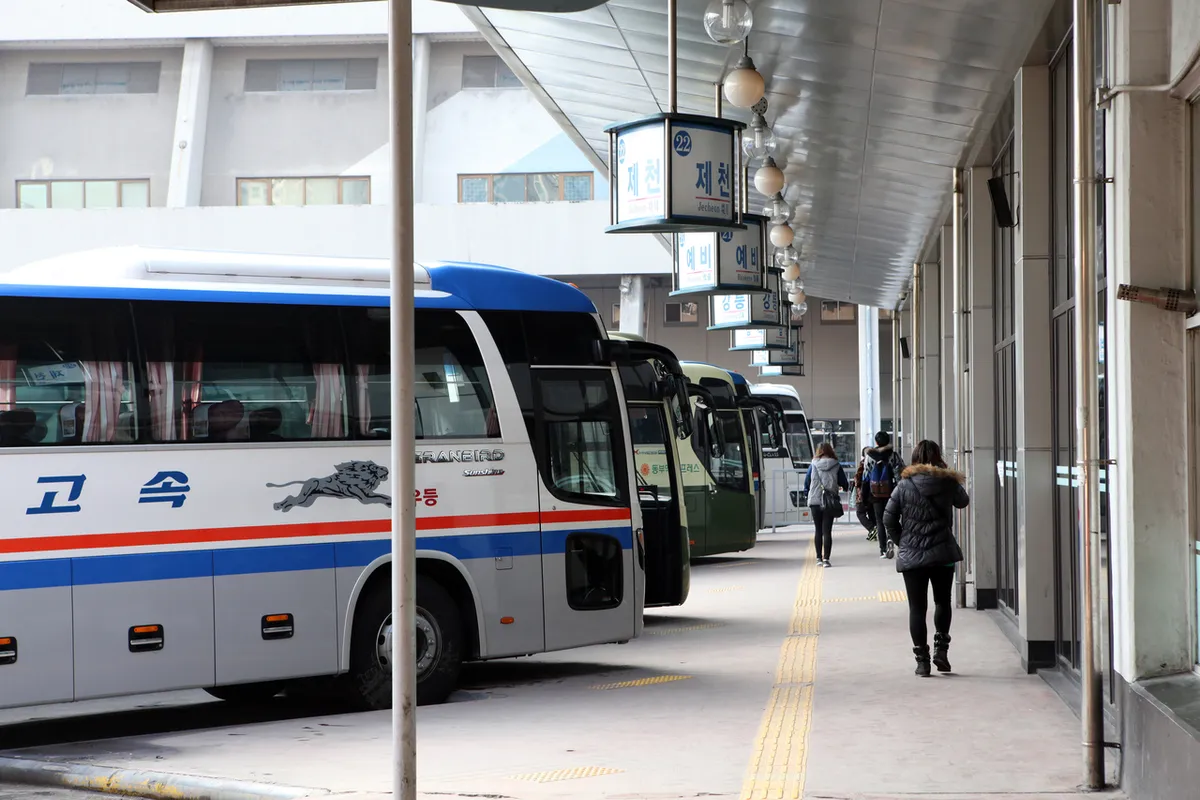
Some long-distance buses stop at highway rest areas. Rest stops are short and practical: toilets, convenience-store purchases, and quick food are common. Return to the bus early and remember the bus company, vehicle color, platform area, or license plate before leaving the vehicle.
🚨 Important Warning: Do not treat the rest stop as a sightseeing stop. The bus will continue according to its operating schedule. If you miss the bus, language support and rebooking can become difficult, especially outside major terminals.
For navigation to a terminal, use KakaoMap or Naver Map as a support tool only. This article is not a map-app comparison; the point is to confirm the exact terminal building and entrance. If taking a taxi to the terminal, show the Korean name and not just “bus terminal,” because a city may have more than one.
For language help, 1330 Tourist Information can support interpretation and travel questions, while BBB Korea 1588-5644 provides interpretation assistance. TxBus lists its call center as 1644-3070 with service hours shown on the site; travelers should verify current call-center availability on the official page before relying on it.
5. Pro Tips and Warnings for Foreign Travelers
Book earlier around Korean public holidays, especially Seollal and Chuseok, because intercity movement increases during major family-travel periods. This is a planning warning, not a fixed seat-availability claim. Always check the official booking channel for current seat inventory.
Check whether the arrival terminal is convenient for your actual destination. A bus can arrive in the right city but still leave you far from the hotel, beach, festival site, university, or mountain trail. Use the terminal as the starting point for the final local route.
Do not rely on automatic translation alone for cancellation rules. Cancellation windows, refund handling, and ticket-change procedures can differ by site, route, company, and ticket status. Use the official View/Modify/Cancel function where available, and ask staff if the rule is unclear.
⏰ Timing Tip: For a first-time terminal departure, plan extra time for ticket pickup, platform search, restroom use, and luggage loading. Large Seoul terminals are transport complexes, not single-room bus stops.
If you are connecting from a flight, do not make the bus connection too tight. Immigration, baggage claim, customs, airport rail, airport bus, taxi movement, and terminal navigation can all add time. For airport arrival, treat the long-distance bus as a second trip after you have reached the correct terminal.
Frequently Asked Questions
Q: What is the difference between an express bus and an intercity bus in Korea?
A: Both are long-distance coach services, but route systems and booking channels can differ. KOBUS is commonly used for express-bus ticketing, while TxBus and BusTago handle many intercity routes. Always confirm the exact terminal, route, and reservation site for your trip.
Q: Can foreigners book Korea express bus tickets online?
A: Many routes can be searched or reserved through official websites such as KOBUS, TxBus, or BusTago. Payment or verification steps may vary, so foreign travelers should keep terminal counter purchase as a backup. If online booking fails, bring the route name, date, time, and destination to the ticket counter.
Q: Can I use Tmoney on express buses in Korea?
A: Korea Tourism Organization’s transportation-card guide states that Tmoney and EZL cards work on public transportation including express buses and intercity buses. However, long-distance reserved services commonly require a specific ticket or booking record. Check the operator, terminal, and ticketing method before travel.
Q: Which Seoul terminal should I use?
A: It depends on the route. Seoul Express Bus Terminal, Central City, Dong Seoul Terminal, and Seoul Nambu Terminal serve different route groups. Search the route on the official booking channel and confirm the departure terminal before going there.
Q: Is an express bus better than KTX in Korea?
A: There is no universal better option. KTX is rail-based and works well for cities with convenient KORAIL stations, while express and intercity buses may be more practical when the terminal is closer to the final destination. Compare the actual arrival point, transfer time, luggage situation, and official ticket availability.
Plan the Next Step
Korea express bus travel works best when the route, terminal, and final local transfer are checked together. If your trip starts in Seoul, compare terminal access with Seoul transport options, and choose accommodation near a practical departure area through Seoul hotels by area.
Sources & References
Official Transport and Tourism Sources:
- KOBUS: Express Bus Integrated Reservation
- TxBus: Intercity Bus Reservation System
- BusTago
- Visit Korea: Transportation Cards
- Visit Korea
Helplines: Tourist 1330 / Foreigner 1345 / Government 110 / Emergency 119 / Police 112 / BBB Korea 1588-5644
Image Credits: Seoul Express Bus Terminal and Seoul Nambu Terminal images: Korea Tourism Organization / Lee Beom-su.
Last verified: 2026-08-27
Routes, terminals, ticketing methods, cancellation rules, service hours, and payment options can change. Always verify current details through the official reservation site, terminal notice, or transport operator before travel.