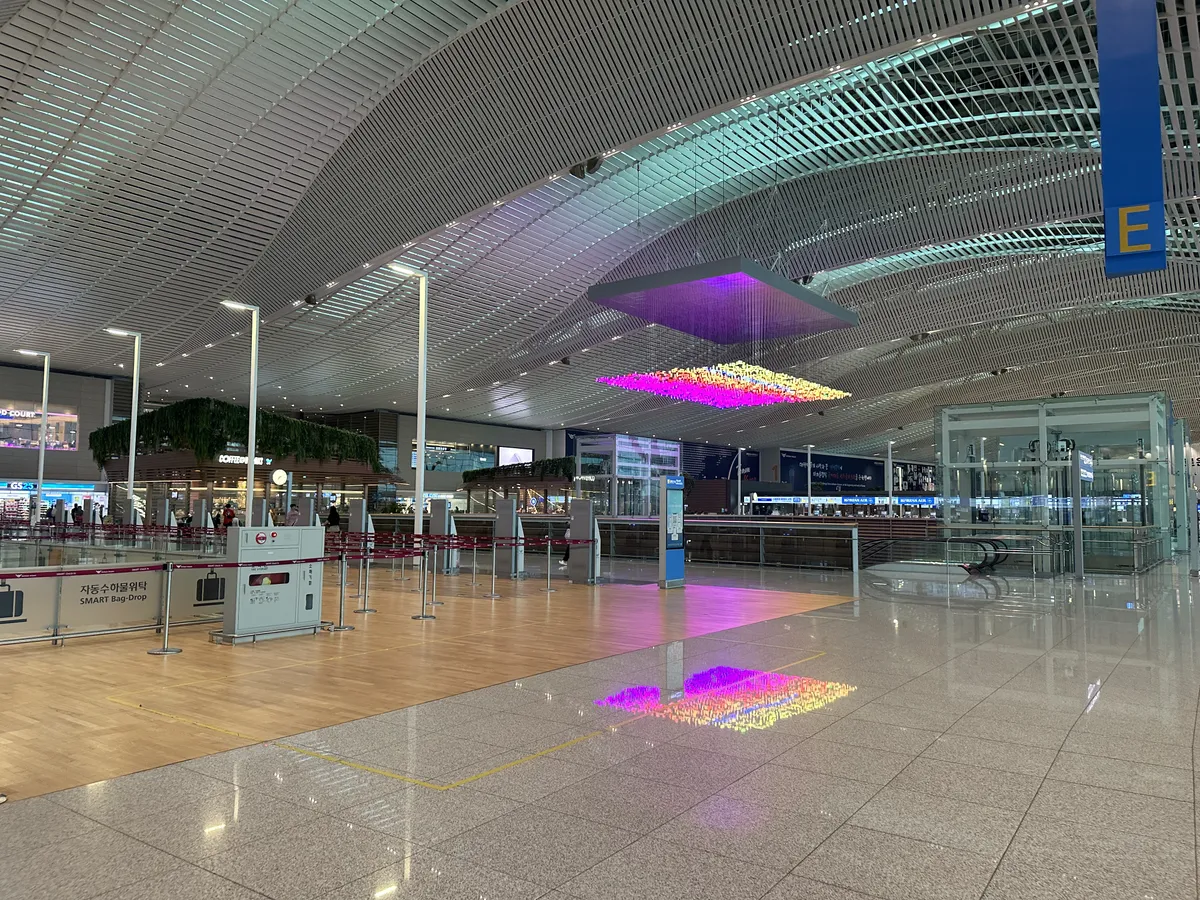

Korea Hospital Guide for Tourists explains how foreign visitors can find medical help in Korea through clinics, hospitals, emergency services, and official interpretation channels.
The Korea Tourism Organization's 1330 Travel Helpline provides tourist information and interpretation support, while the National Emergency Medical Center describes Korea's emergency medical service system as a network for quick access to emergency care. This guide is practical information only and does not provide diagnosis, treatment, dosage, or medication advice.

1. The Problem: Medical Help Is Harder When Language and Urgency Mix
A minor illness can become stressful when the signs, forms, and reception desk are in another language. A traveler may know that Korea has modern hospitals, but still be unsure whether to visit a local clinic, a larger hospital, an emergency room, or call 119.
The first decision is urgency. If the situation may be life-threatening, involves serious injury, chest pain, breathing difficulty, loss of consciousness, severe allergic reaction, heavy bleeding, or another emergency, call 119 for emergency medical and fire services. For police situations, call 112.
If the issue is not an emergency, the practical goal is to find an appropriate medical facility, confirm whether interpretation or foreign-patient support is available, prepare documents, and understand what happens after the consultation.
Korea's medical system includes local clinics, specialized clinics, hospitals, general hospitals, and emergency departments. The right option depends on the symptom, time of day, location, and whether immediate care is needed. This article does not decide the medical severity for the reader; it explains the official help routes and practical steps.
2. The Solution: Choose the Right Help Route First
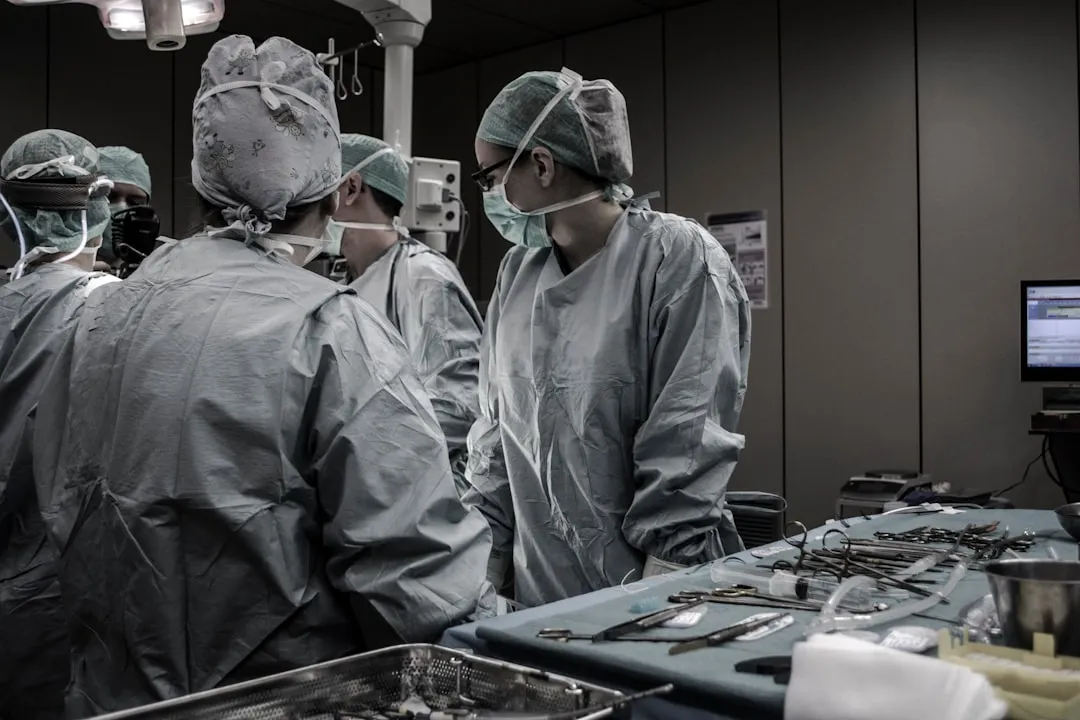
For foreign travelers, the safest process is to sort the problem into three routes: emergency care, non-emergency clinic or hospital care, and interpretation or administrative help.
Emergency route: Call 119 or go to an emergency room when the situation is urgent. The National Emergency Medical Center states that it promotes emergency medical services so people can access emergency care quickly and conveniently. Korea's E-Gen emergency medical information service also provides emergency-room, hospital, pharmacy, ambulance, and AED search functions in Korean.
Non-emergency medical route: For illness or injury that needs a doctor but is not an emergency, search for a clinic or hospital near your accommodation or current location. Medical Korea lists hospitals and clinics for international patients, and the Korea Tourism Organization medical-tourism API returned 320 English-language medical listings on the verification date used for this draft.
Interpretation route: The Korea Tourism Organization states that 1330 provides tourist information and interpretation support by telephone and real-time chat. BBB Korea also operates interpretation support at 1588-5644. These services can help communication, but they are not a substitute for a medical professional's diagnosis.
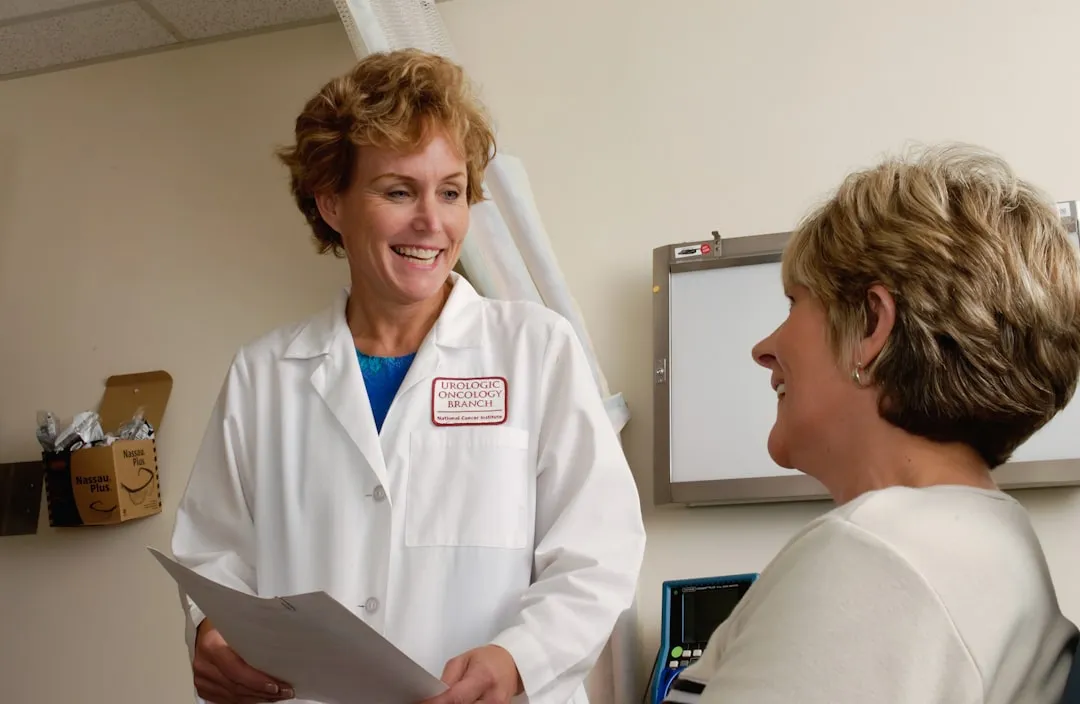
3. Step-by-Step Guide to Visiting a Hospital in Korea
Step 1: Decide whether this is an emergency
If there is serious injury, severe pain, breathing difficulty, heavy bleeding, unconsciousness, signs of stroke, severe allergic reaction, or any condition that may be immediately dangerous, use 119. Do not wait for a hotel desk, online search, or translation app if the situation appears urgent.
If the situation involves crime, assault, theft, or personal safety, call 112. If both medical and police help may be needed, state the immediate medical condition first and follow the emergency operator's instructions.
Step 2: For non-emergency care, search by location and specialty
Use your current district, hotel area, or nearest major station as the first search point. In Korean, hospital is byeongwon (병원), clinic is often uiwon (의원), emergency room is eunggeupsil (응급실), and pharmacy is yakguk (약국).
Medical Korea and Korea Tourism Organization medical-tourism data can help identify institutions serving international patients. One API detail record checked during verification listed service languages, medical departments, and foreign-visitor facilities for a Seoul hospital; travelers should still verify the current information directly with the facility before going.
Step 3: Call or message before traveling if possible
Before going to a non-emergency clinic or hospital, confirm the current reception hours, whether the department you need is available that day, whether foreign-language help is available, and whether walk-in patients are accepted. Some hospitals require appointments, and some departments may not receive new patients close to closing time.
If language is difficult, ask your hotel front desk, 1330, or BBB Korea to help with basic confirmation. The key questions are simple: Is the hospital open now? Is the relevant department available? Can a foreign visitor register? What should the patient bring?
Step 4: Bring documents and medical information
Bring your passport, health or travel insurance documents, a payment card, current medicine packaging, allergy information, and any relevant medical records. If you take regular medication, keep the active ingredient name and dosage label available for the doctor or pharmacist to review.
Do not rely only on a translated brand name. Medicine brands can differ by country, and a Korean doctor or pharmacist may need the ingredient name, prescription record, or package photo.
Step 5: Register, consult, pay, and keep records
At reception, you may be asked for identification, contact information, symptoms, insurance details, and consent forms. The facility may ask for payment before or after treatment depending on the service.
After the consultation, keep receipts, diagnosis-related documents, prescriptions, test results, and payment records. These may be needed for travel-insurance claims, follow-up care, or explaining the visit to another doctor after returning home.
Step 6: Fill the prescription at a pharmacy if instructed
Many prescriptions are filled at a pharmacy outside or near the medical facility. If you receive a prescription, ask where the nearest pharmacy is and whether the prescription can be filled immediately. The Korean Pharmacy Guide topic is separate; this hospital guide only covers the handoff from doctor to pharmacy.
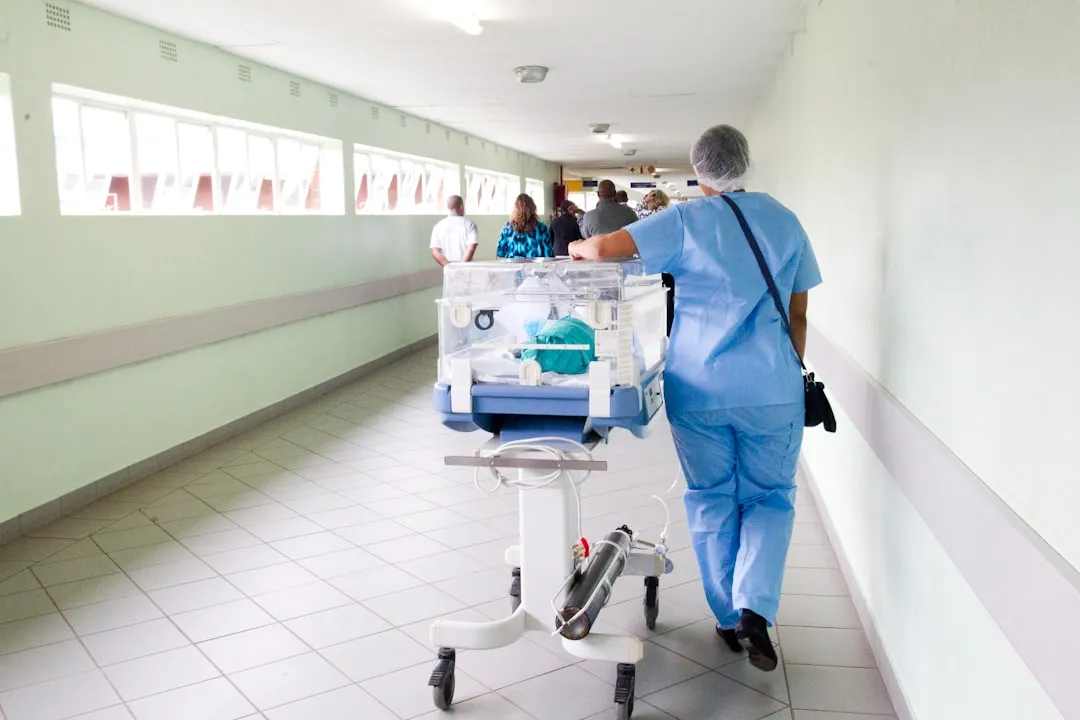
4. Pro Tips & Warnings for Medical Care in Korea
🚨 Important Warning: this guide is not medical advice.
Do not use a travel article to decide diagnosis, dosage, medication choice, or whether a symptom is safe to ignore. A licensed doctor, emergency operator, pharmacist, or official medical facility must make medical decisions.
📞 Emergency numbers to save offline.
119 is for fire and emergency medical help. 112 is for police. 1330 is the Korea Travel Helpline for tourist information and interpretation. 1345 is the Immigration Contact Center for foreigner information. 1588-5644 is BBB Korea interpretation support.
💡 Local Hack: save Korean words before you need them.
Hospital is byeongwon (병원). Emergency room is eunggeupsil (응급실). Pharmacy is yakguk (약국). Pain is apeum (아픔). Allergy is allergy (알레르기). These words help with map searches, taxi communication, and reception desks.
🗣️ Korean Phrase: ask for medical help.
Byeongwon-i piryohaeyo (병원이 필요해요) means "I need a hospital." Eunggeupsil-e gajuseyo (응급실에 가주세요) means "Please take me to the emergency room." Yeongeo ganeunghan staff isseoyo? (영어 가능한 직원 있어요?) means "Is there an English-speaking staff member?"
⏰ Timing Tip: do not wait until closing time.
For non-emergency care, go earlier in the day when possible. Reception, specialist availability, tests, payment, prescription filling, and insurance documentation can take time. Late visits may limit available departments or require emergency-room routing.
Insurance note.
Pay attention to your insurer's required documents before leaving the facility. Many insurers require an itemized receipt, proof of diagnosis or treatment, and payment confirmation. The hospital may not be able to recreate every document quickly after you leave Korea.

5. FAQ: Korea Hospital Guide for Tourists
What number should I call for a medical emergency in Korea?
Call 119 for emergency medical help or fire. If the situation also involves crime or personal safety, call 112 for police. If you are unsure but the condition may be urgent, treat it as an emergency and use the official emergency route.
Can foreign tourists visit hospitals in Korea?
Yes, foreign visitors can seek medical care in Korea, but registration requirements, language support, appointment rules, and payment methods differ by facility. Medical Korea and KTO medical-tourism data list institutions that serve international patients. Always confirm current reception and language support before traveling to a non-emergency facility.
Are English-speaking doctors available in Korea?
Some hospitals and clinics provide English or other foreign-language support, especially institutions listed for international patients. Do not assume every clinic has English-speaking staff. Call ahead, use 1330 or BBB Korea for interpretation help, and bring written symptom notes when possible.
Should I go to a clinic, hospital, or emergency room?
Use an emergency room or call 119 for urgent or potentially life-threatening situations. For non-emergency problems, a clinic or hospital department may be appropriate depending on the symptom and available specialty. This guide cannot decide severity; when in doubt, contact an official medical service or emergency operator.
What should I bring to a hospital in Korea?
Bring your passport, payment card, travel-insurance information, current medication packaging, allergy information, prescription records, and relevant medical documents. Keep copies of receipts and treatment records after the visit. These records may be needed for insurance claims or follow-up care.
Before You Need Medical Help
The most useful part of this Korea Hospital Guide for Tourists is preparation. Save 119, 112, 1330, 1345, and BBB Korea before travel, keep medication and allergy information accessible, and know the Korean words for hospital, emergency room, and pharmacy.
If a medical problem happens during the trip, use official emergency services for urgent cases, verify clinic or hospital details before non-emergency visits, and keep every document needed for follow-up care or insurance.
Sources & References
Official Government and Tourism Sources:
- Korea Tourism Organization — 1330 Travel Helpline & Complaint Center
- National Emergency Medical Center — English main page
- E-Gen Emergency Medical Information Service
- Medical Korea — International medical service information
- Hi Korea — 1345 Immigration Contact Center
Data Sources: Korea Tourism Organization Medical Tourism API, verified for English-language medical-institution listings on 2026-08-23.
Helplines: Emergency medical and fire 119 / Police 112 / Korea Travel Helpline 1330 / Foreigner information 1345 / BBB Korea interpretation 1588-5644.
Image Credits: Doctor with stethoscope: Online Marketing / Unsplash. Stethoscope and laptop: National Cancer Institute / Unsplash. Medical staff: Piron Guillaume / Unsplash. Consultation desk: National Cancer Institute / Unsplash. Doctor with tablet: Nappy / Unsplash. Hospital corridor: Hush Naidoo Jade Photography / Unsplash. Stethoscope detail: JESHOOTS.COM / Unsplash.
Last verified: 2026-08-23
Medical notice: This article provides travel information only. It does not provide medical advice, diagnosis, dosage, medication selection, or treatment recommendations. Always consult licensed medical professionals and official emergency services.