KTX trains are Korea's high-speed intercity rail service, used by travelers moving between Seoul and major regional cities without taking a domestic flight.
This KTX train guide explains how to choose tickets, use official KORAIL channels, compare KTX with buses and flights, handle luggage, and plan around holiday demand. It is based on KORAIL train information and official Korea tourism sources.
1. The Problem: KTX Is Simple, but the Booking Details Matter
KTX looks straightforward from the outside: choose a route, reserve a seat, and board the train. The real difficulty for foreign visitors is usually the details around stations, ticket channels, seat rules, luggage, and timing.
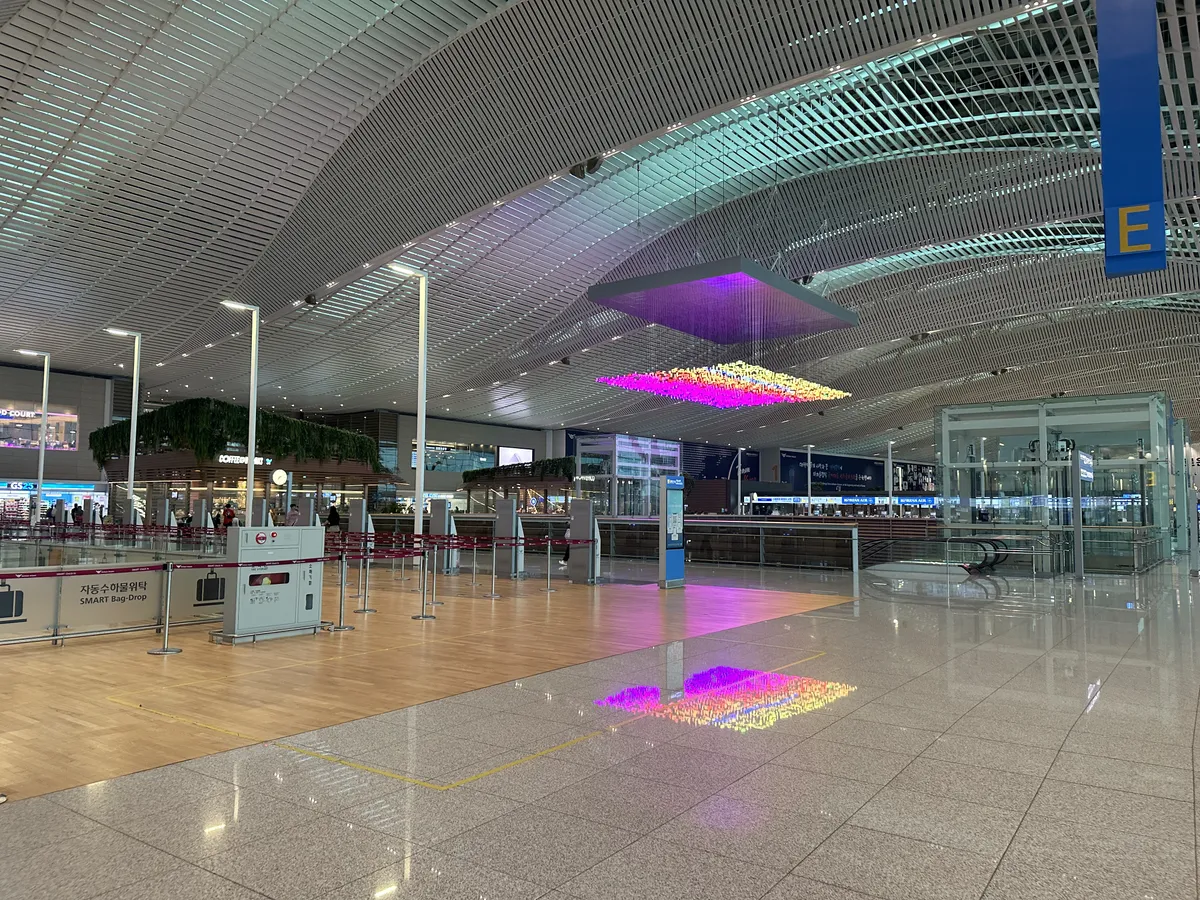
A route may involve Seoul Station (서울역), Yongsan Station (용산역), Cheongnyangni Station (청량리역), Suseo Station (수서역), or another major rail station depending on destination and train type. Travelers who simply search “Seoul train station” may choose the wrong departure point.
KORAIL's official English information page lists high-speed train categories including KTX, KTX-Sancheon, KTX-Eum, and KTX-Chungyong. The same KORAIL site links to ticket reservation and KORAIL PASS reservation services (Source: Korea Railroad).
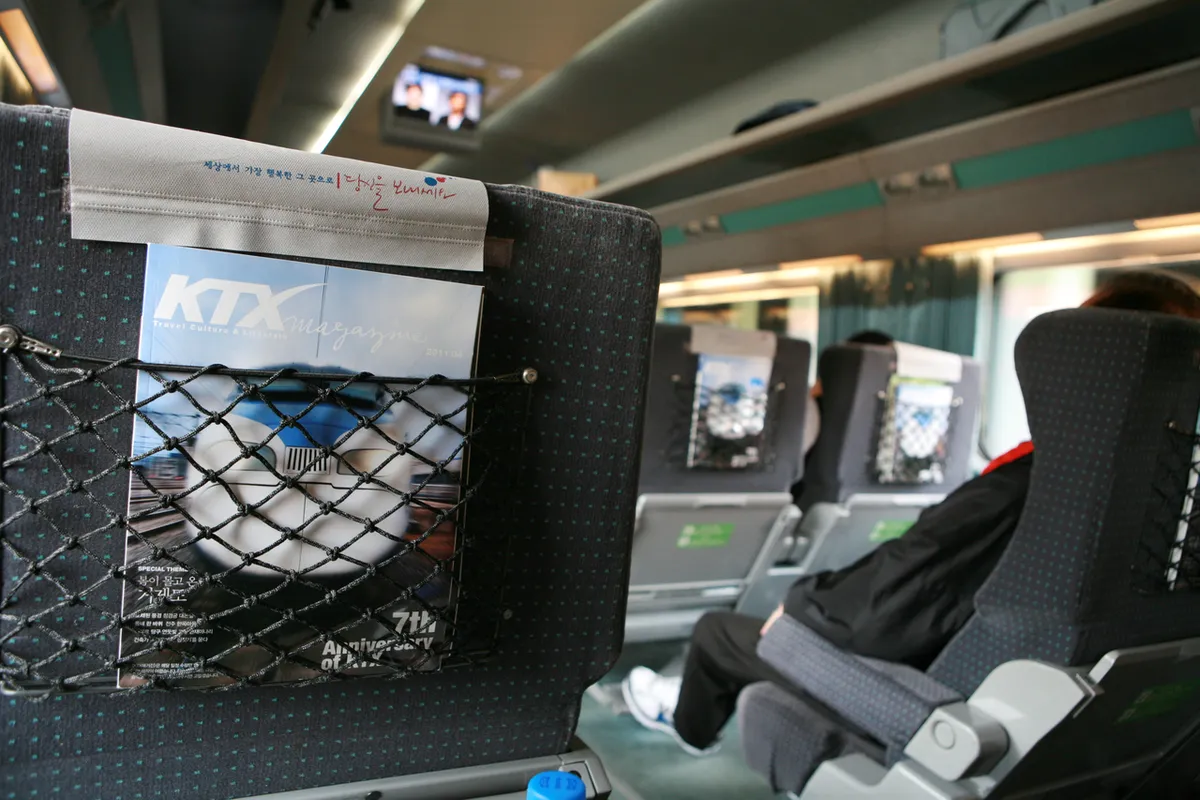
That distinction matters because “KTX” is often used casually by travelers to mean high-speed rail in Korea, but the actual train shown on a ticket may be a specific KTX family train. Your ticket, platform display, and car number are more important than the informal name used in conversation.
Another problem is holiday demand. During Seollal (설날, Lunar New Year) and Chuseok (추석, Korean harvest holiday), intercity rail seats can be harder to secure because many residents travel between Seoul and their hometowns. Do not build a regional itinerary around an unreserved KTX seat during those periods.
2. The Solution: Use KORAIL First, Then Plan the Station
The practical solution is to treat the train ticket as the fixed point of the trip. Confirm the departure station, arrival station, date, time, train number, car number, and seat before planning meals, hotel check-out, taxi routes, or sightseeing around it.
KORAIL is the official railway operator for KTX ticket reservation and train information. Visit Korea's transportation section also directs visitors to train travel as part of getting around Korea and lists travel information resources for foreign visitors (Source: Visit Korea).
For most short-term visitors, the main choice is between a single reserved ticket and a rail pass. A point-to-point ticket is suitable when you know the exact route and only need one or two intercity rides.
A KORAIL PASS can be worth checking when your itinerary includes several eligible train rides within the pass period. Do not assume it is automatically cheaper. Compare the official pass rules, available dates, reservation limits, and your actual route before buying.
If you are booking through a travel platform instead of KORAIL, still check the final ticket details carefully. A voucher is not always the same as a boarding ticket, and some products may require confirmation, exchange, or a specific instruction from the provider.
For TripKorea transport planning, KTX-related listings can be checked by city route where available. For example, travelers planning a Seoul departure can start from Seoul transport options, while regional routes can be compared through city transport pages when relevant.
3. Step-by-Step Guide to Taking KTX in Korea
Step 1: Choose the right city pair and station
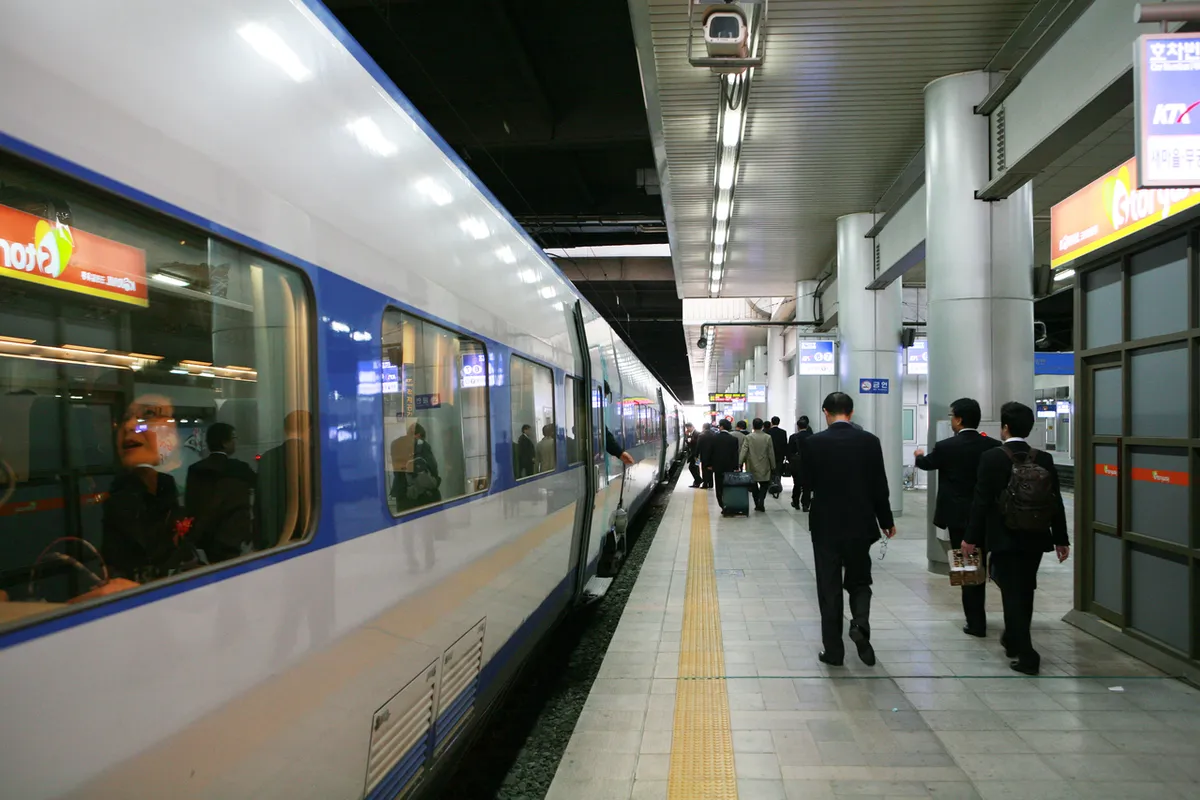
Start with the city pair, but do not stop there. Korea's large cities may have more than one rail station or a station that is not in the exact tourist district where you are staying.
Seoul travelers should check whether the route leaves from Seoul Station, Yongsan Station, Cheongnyangni Station, or another terminal. Busan travelers should distinguish Busan Station from other Busan transport hubs. The station name on the ticket is the authority.
Step 2: Search official schedules before building the itinerary
Use KORAIL's official reservation channel to check date, time, seat availability, and train type. Schedules can vary by date, route, maintenance, and operating plan, so an old blog timetable should not be treated as current information.
Avoid inserting a fixed “typical travel time” into your plan unless it comes from the exact train you are booking. The same city pair can have different stopping patterns or different train types.
Step 3: Reserve the seat and save the ticket details
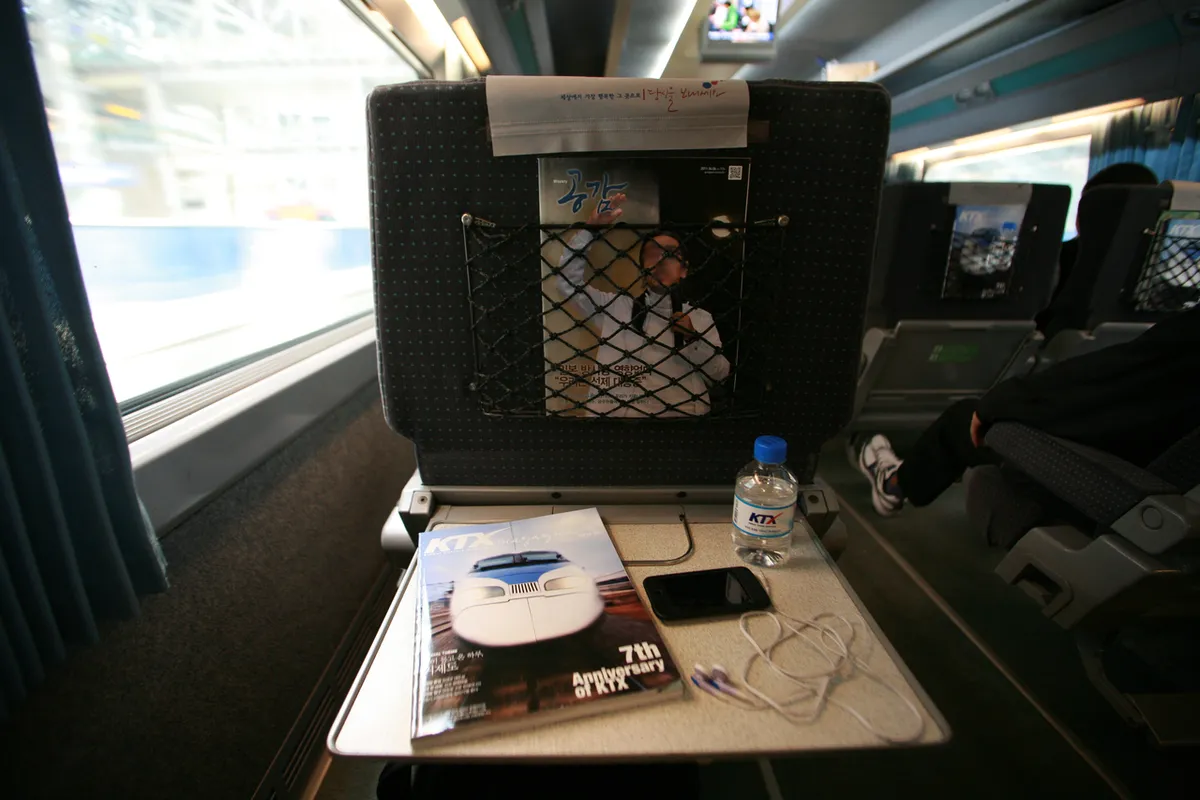
KTX is reserved-seat intercity travel. Save the ticket information offline after booking: departure station, arrival station, train number, departure time, car number, and seat number.
If your ticket is stored in an app or e-mail, take a screenshot before leaving hotel Wi-Fi. Mobile data problems, roaming delays, or a low battery can make a digital ticket harder to access at the station.
Step 4: Arrive at the correct station with enough transfer time
KTX stations are often connected to subway lines, taxis, buses, shops, and other rail services. Large stations can require walking time between subway exits, ticket areas, and platforms.
For a first KTX ride in Korea, leave enough time to find the platform, confirm the train number on the departure board, buy water or snacks if needed, and walk to the correct car position. Do not plan a tight transfer from a city bus or taxi if the train is time-sensitive.
Step 5: Board by train number, car number, and seat number
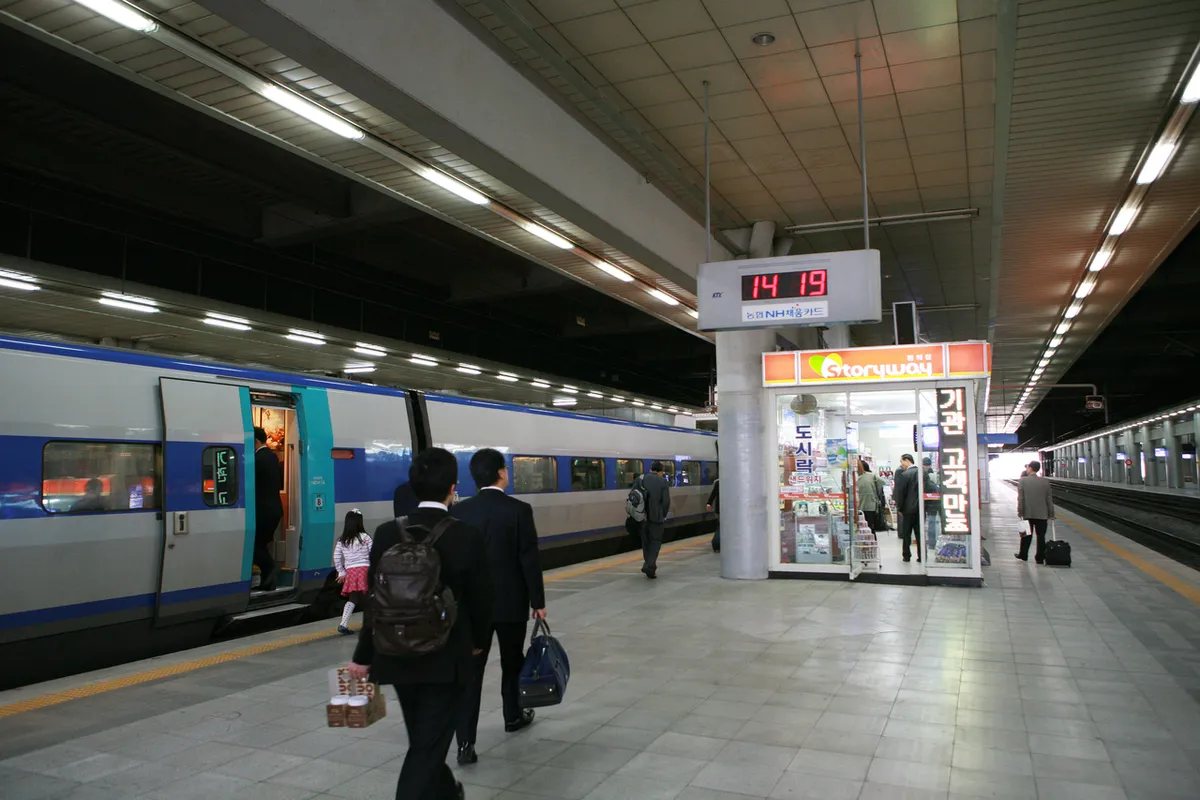
At the platform, match the train number and departure time first. Then find the correct car number. Korean platforms usually show car positions, but busy stations can still feel confusing if several trains use nearby tracks.
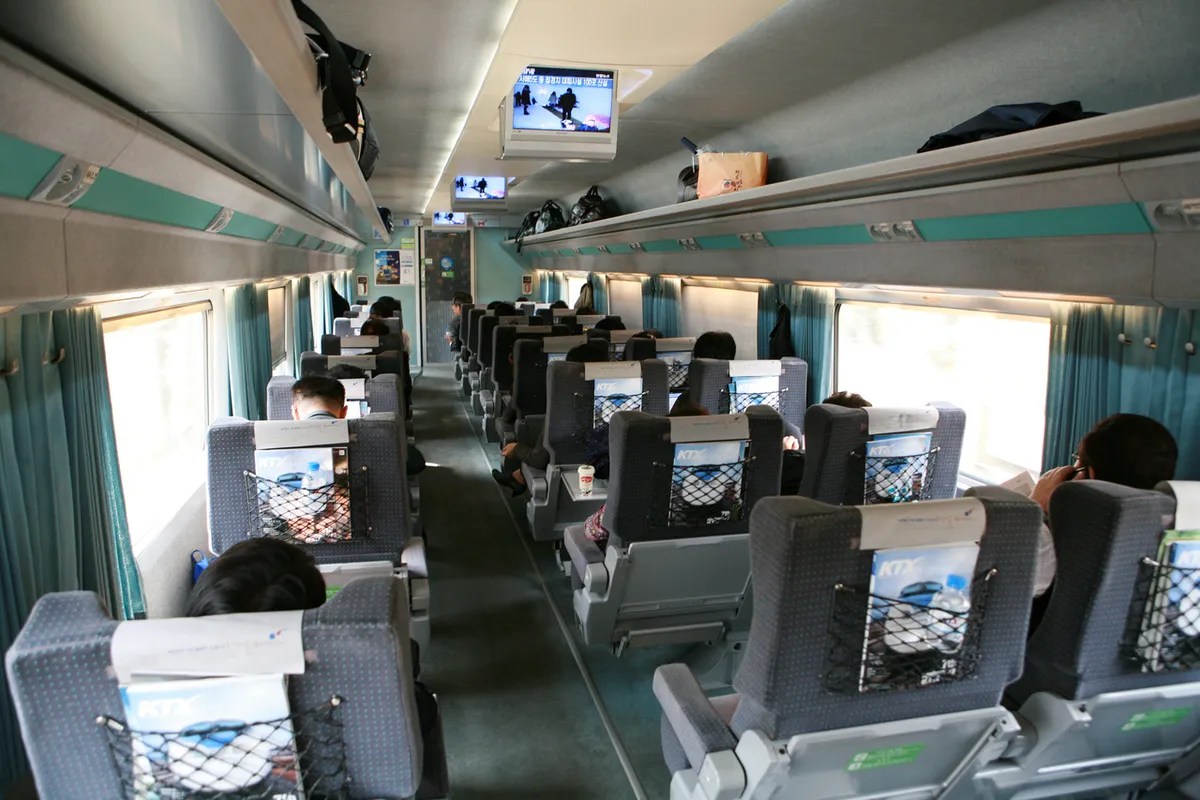
Once onboard, sit in the assigned seat shown on the ticket. If someone is sitting there, show the ticket politely to confirm the car and seat. Many mistakes come from being in the right train but the wrong car.
4. Pro Tips & Warnings for KTX Travelers
💡 TripKorea's Pro Tip: Save your destination station in Korean. “Seoul Station” is Seoul-yeok (서울역), “Busan Station” is Busan-yeok (부산역), and “Yongsan Station” is Yongsan-yeok (용산역). The Korean name helps with taxi drivers, station staff, and map apps.
🚨 Important Warning: Do not confuse KTX with AREX. AREX is the airport railroad between Incheon Airport and Seoul. KTX is intercity high-speed rail operated through KORAIL channels. They serve different travel problems.
⏰ Timing Tip: Around Seollal and Chuseok, book intercity rail as early as official rules allow. If the train is sold out, express buses or domestic flights may also be affected by the same holiday movement.
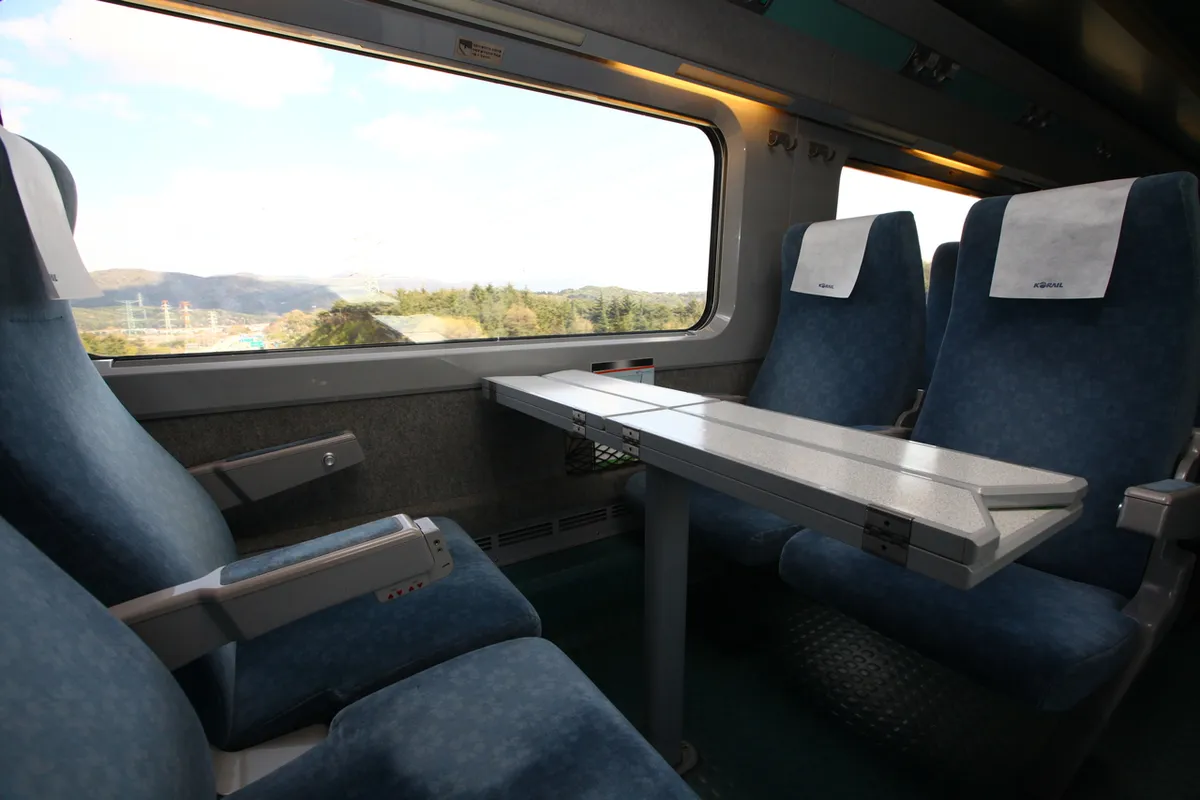
Pack luggage so that you can board quickly. Large suitcases can be difficult to move through crowded platforms and narrow aisles. Keep your passport, wallet, phone, ticket, and battery pack in a smaller bag that stays with you at the seat.
Use Naver Map (네이버지도) or KakaoMap (카카오맵) to plan the station approach. The station building may have several entrances, and the nearest subway exit may not be the same as the easiest route with luggage.
If you need interpretation or general travel help, save 1330, the Korea Travel Helpline. For emergencies, use 119 for fire or medical help and 112 for police. These numbers should be saved offline before long-distance travel.
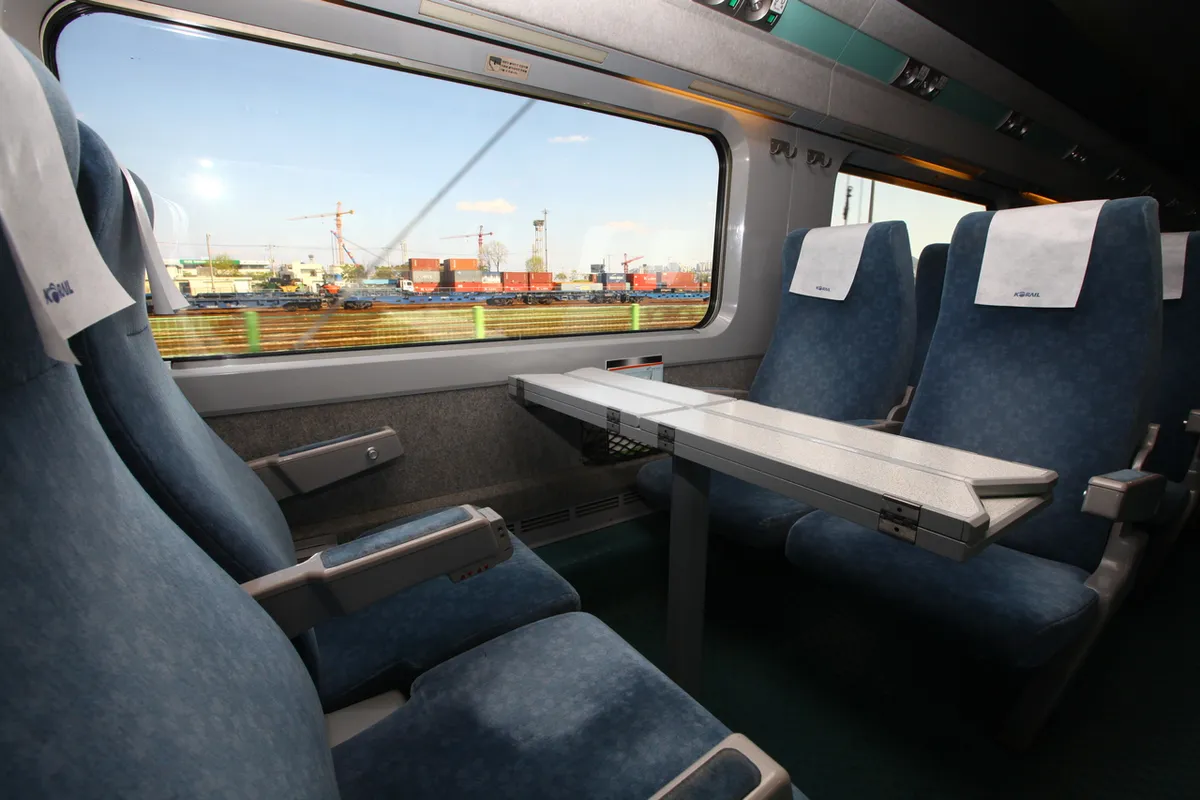
KTX is often the practical choice when your trip is city-center to city-center. Express buses may be useful for destinations not served conveniently by rail, while domestic flights can make sense for some longer routes or Jeju travel. Compare the whole door-to-door route, not only the time shown between terminals.
If the KTX ride starts or ends in Seoul, choose accommodation with realistic station access. For early departures or late arrivals, hotels in Seoul can be easier when they connect well to Seoul Station, Yongsan, or a direct subway route.
5. FAQ: KTX Train Guide
What is KTX in Korea?
KTX is Korea's high-speed intercity train service. KORAIL's English train information pages list KTX and related high-speed train types including KTX-Sancheon, KTX-Eum, and KTX-Chungyong. Travelers should check the exact train type and ticket details on the official reservation channel.
Where should foreigners book KTX tickets?
The official KORAIL English reservation site is the primary official channel for foreign travelers. Some travel platforms also sell KTX-related products, but travelers should read the voucher instructions and confirm whether a ticket, exchange, or separate reservation step is required.
Is KORAIL PASS worth it for Korea travel?
It depends on the number of eligible train rides, travel dates, pass conditions, and seat reservation rules. A single point-to-point ticket may be simpler for one route. A pass should be compared against the actual itinerary before purchase.
How early should I arrive for a KTX train?
There is no single time that fits every station and traveler. For a first ride, allow enough time to find the correct station entrance, platform, car number, and seat. Add more time if you have large luggage, children, or a subway-to-rail transfer.
Can I take luggage on KTX?
Travelers commonly bring suitcases on intercity trains, but luggage should be manageable enough to move through platforms, doors, and aisles. Keep valuables and travel documents with you at the seat. Check official KORAIL guidance if your luggage is oversized or unusual.
Plan KTX Routes with TripKorea
This KTX train guide is best used before you reserve hotels and day trips. Confirm the exact station first, then build the rest of the itinerary around realistic transfer time.
- Check Seoul KTX and transport options
- Compare Daegu transport options
- Compare Gyeongju transport options
- Find hotels in Seoul near rail connections
Sources & References
Official Transport Sources:
- Korea Railroad (KORAIL) — official English train information, ticket reservation links, high-speed train categories, and KORAIL PASS reservation link.
- KORAIL — KTX train information
- KORAIL — KTX-Sancheon train information
- KORAIL — KTX-Eum train information
- KORAIL — KTX-Chungyong train information
- Visit Korea — Transportation
Helplines: Tourist interpretation 1330 / Foreigner information 1345 / Emergency medical and fire 119 / Police 112 / BBB Korea interpretation 1588-5644.
Image Credits: KTX and Seoul Station images: Korea Tourism Organization / Lee Beom-su.
Last verified: 2026-08-14
Train schedules, fares, pass conditions, refund rules, and seat availability can change. Always verify current details through KORAIL or the ticket provider before travel.