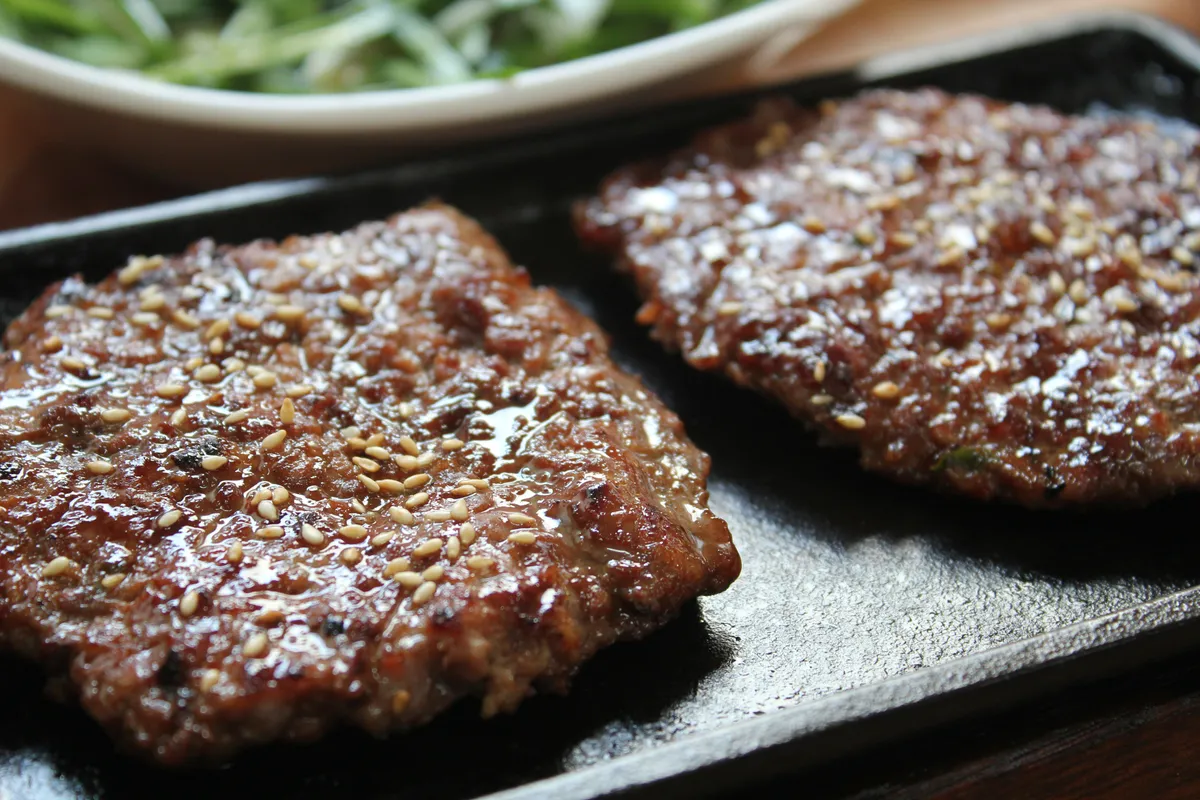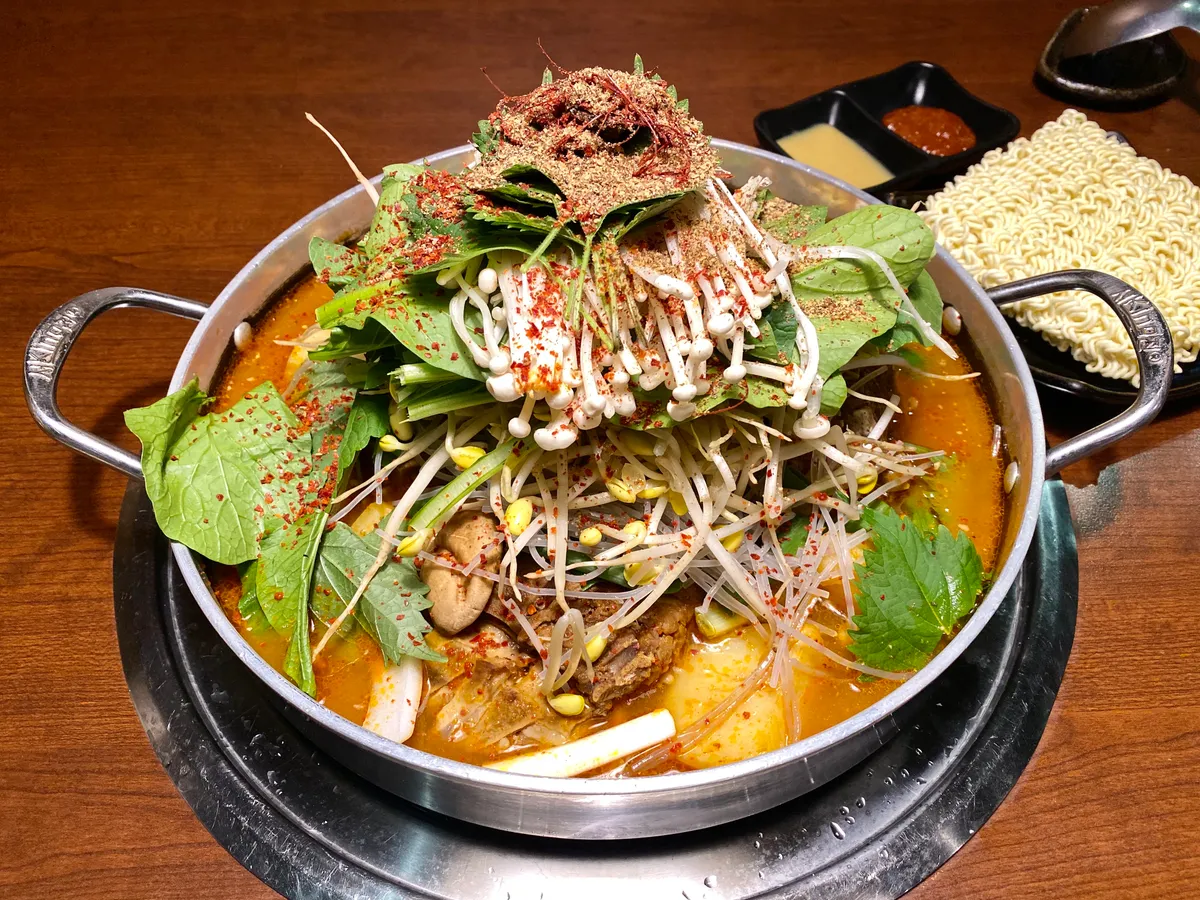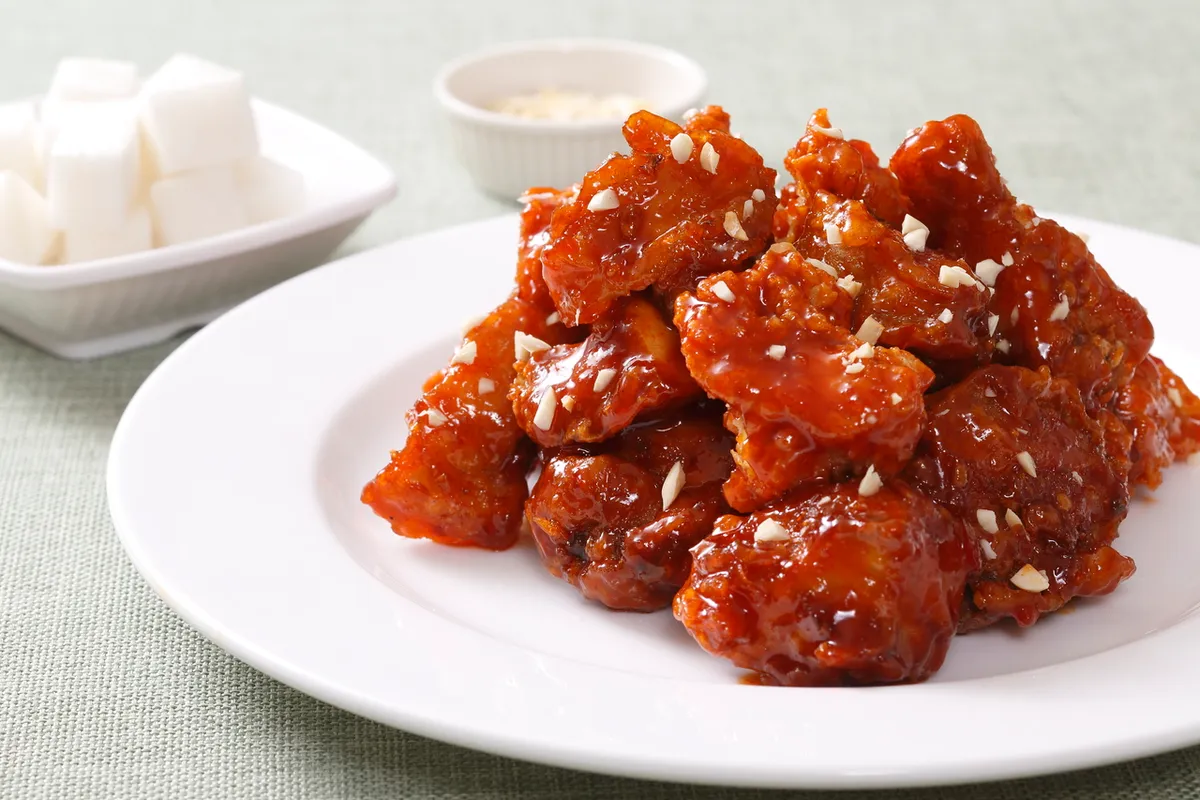
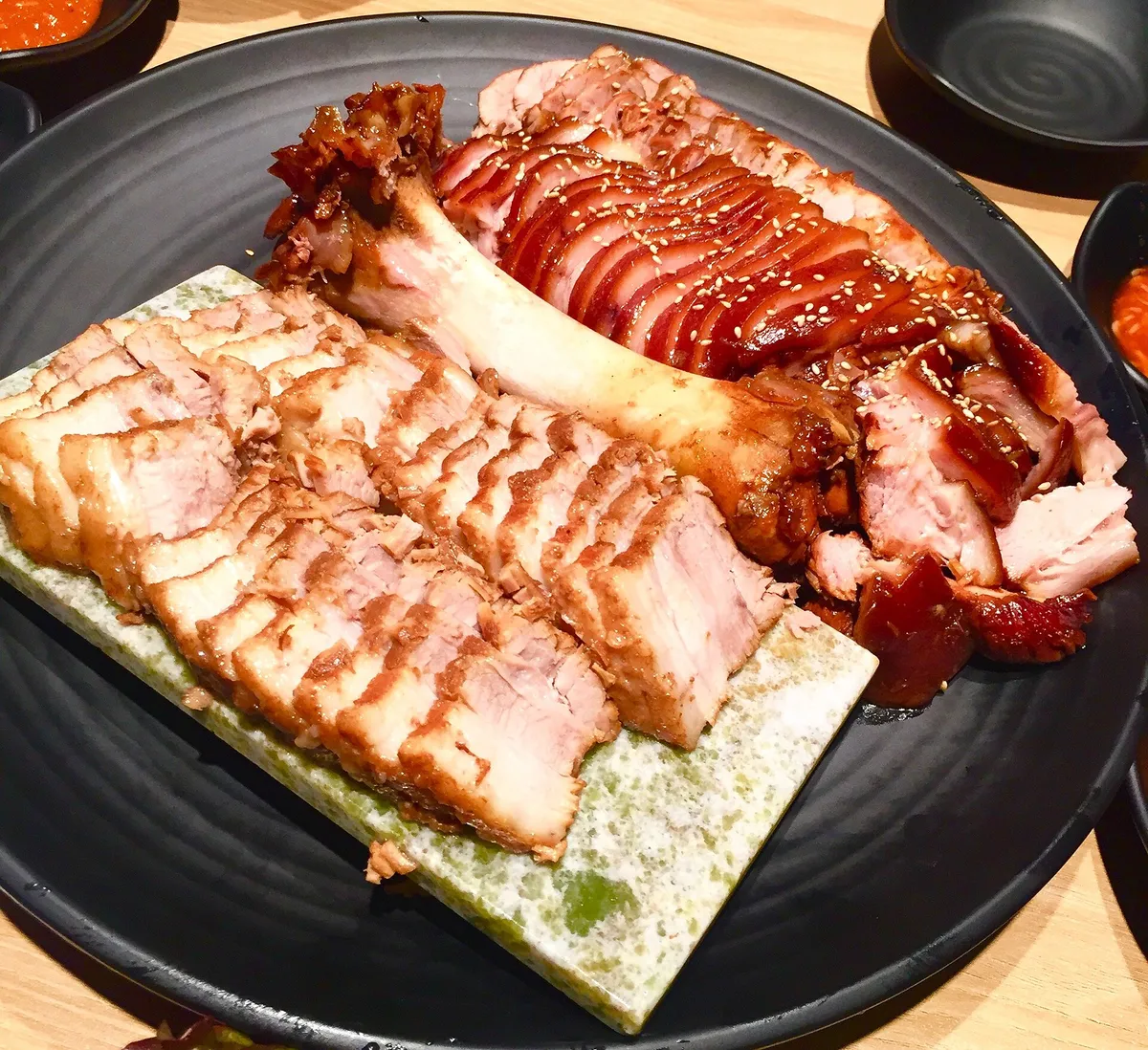
Bossam and Jokbal are two Korean pork dishes often seen on restaurant menus, delivery apps, and late-night dining tables in Korea.
This guide explains what separates bossam from jokbal, how each dish is served, which sauces and side dishes usually appear with them, and what travelers should check before ordering.
Bossam and Jokbal at a Glance
Bossam (보쌈) centers on sliced pork served with cabbage leaves and kimchi. The word bossam is connected to the idea of wrapping food, and the dish is built around assembling a bite with pork, kimchi, and a leaf wrap.
Jokbal (족발) is pig's feet cooked with seasonings that commonly include soy sauce, sugar, ginger, and garlic. The meat is sliced before serving, and the texture is different from grilled pork or thin barbecue cuts.
- Bossam: pork with cabbage wraps, kimchi, and dipping sauces.
- Jokbal: seasoned pig's feet sliced for sharing.
- Best ordering format: shared plates for two or more people.
- Key distinction: bossam is wrap-focused, while jokbal is braised or glazed pork served in slices.
Both dishes are pork-centered, but they do not belong to the same eating style as Korean barbecue. The cooking is done before the plate reaches the table, so diners focus on wrapping, dipping, and sharing rather than grilling meat themselves.
What Is Bossam?
Bossam is a Korean pork dish served with cabbage leaves and kimchi. Its core structure is simple: pork, a leaf wrap, a salty or spicy condiment, and kimchi prepared for wrapping.
At restaurants, bossam is usually presented as sliced pork with vegetables, kimchi, salted shrimp sauce, garlic, and chili or soybean-based condiments depending on the house style. The exact side dishes vary by restaurant, so travelers should not assume every set comes with the same accompaniments.
The basic way to eat bossam is to place a slice of pork inside a cabbage leaf or lettuce-style wrap, add kimchi or sauce, and fold it into one bite. This makes bossam easy to understand for travelers who already know ssam, the Korean practice of wrapping food in leafy vegetables.
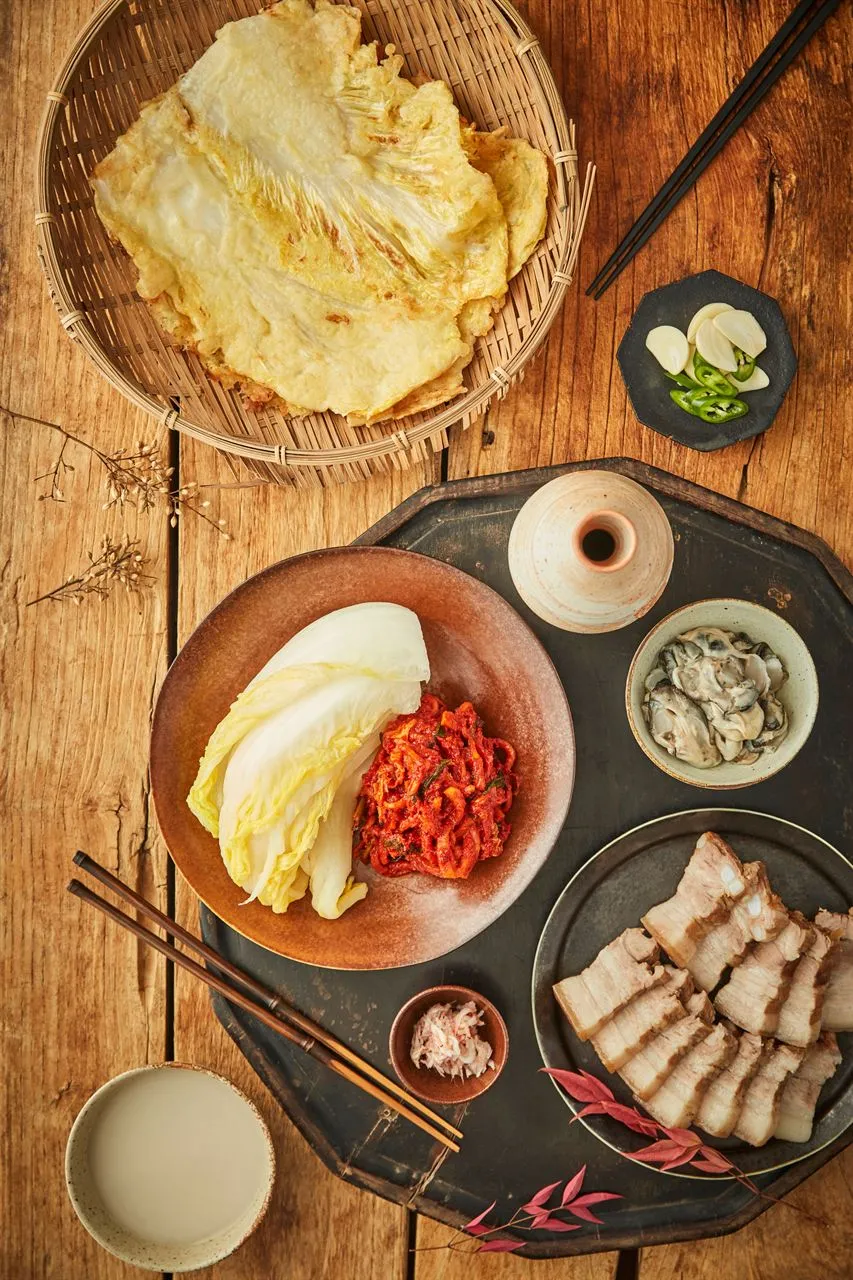
Photo: Korea Tourism Organization
Bossam is not the same as samgyeopsal. Samgyeopsal is grilled pork belly cooked at the table, while bossam is served already cooked and sliced.
The difference matters when ordering. Choose bossam when the group wants a shared pork plate with wraps and kimchi but does not want to manage a tabletop grill.
What Is Jokbal?
Jokbal (족발) is made from pig's feet cooked with seasonings. Soy sauce, sugar, ginger, and garlic are part of the standard description of the dish.
The finished dish is usually sliced and served as a shared plate. Its texture is the main point of difference: jokbal includes skin, connective tissue, and meat, so it can feel firmer and more gelatinous than ordinary sliced pork.
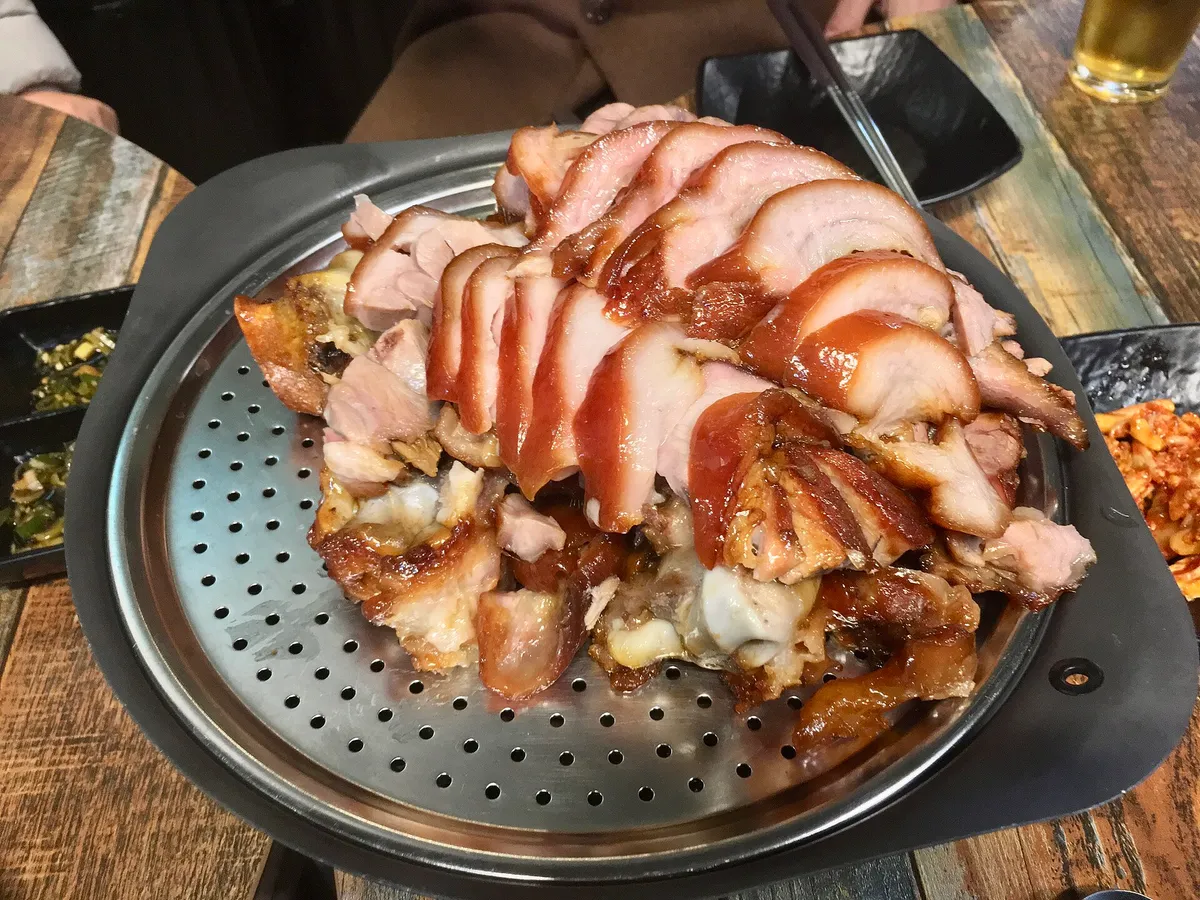
Photo: Bykim2012, Wikimedia Commons, CC0
Because jokbal is often sold in large portions, many restaurants offer different sizes. Travelers should check portion size before ordering, especially when eating alone.
How to Order and Eat Bossam and Jokbal
Bossam and jokbal are usually ordered as shared dishes. Menus may list small, medium, and large sizes, or combine the two dishes into a mixed set.
If the restaurant has a bossam-jokbal combination plate, it can be the simplest option for travelers who want to compare both styles in one meal. Confirm the portion size first, because combination plates can be designed for groups.
- For a lighter pork-wrap meal: choose bossam.
- For sliced seasoned pork with a firmer texture: choose jokbal.
- For comparison: look for a half-and-half or mixed set if listed.
- For spice control: ask whether spicy jokbal or spicy kimchi is included.
A practical Korean phrase is useful here:
🗣️ Korean Phrase: "An-maep-ge hae-ju-se-yo (안 맵게 해주세요)" = Please make it not spicy.
When eating bossam, build one wrapped bite at a time. When eating jokbal, dip the sliced meat lightly and pair it with side dishes according to preference.
Do not assume that pork dishes are allergy-safe. Sauces and kimchi can contain seafood-based seasonings, fermented ingredients, sesame, garlic, chili, or other components. Travelers with allergies should ask the restaurant directly before eating.
Bossam vs Jokbal vs Korean BBQ
Bossam and jokbal are often confused with Korean barbecue because all three are pork-friendly restaurant choices. The eating method is different.
Korean barbecue usually involves grilling meat at the table. Bossam and jokbal arrive ready to eat, so there is no grilling step for diners.
Bossam is closer to a wrap plate. Jokbal is closer to a sliced seasoned pork platter. Korean barbecue is a cooking-and-eating format built around the grill.
This distinction helps travelers choose the right meal. Bossam is useful when the group wants pork, kimchi, and wraps. Jokbal is useful when the group wants a prepared pork platter with a different texture from grilled meat.
For a grill-focused meal, TripKorea's separate Korean barbecue and samgyeopsal guides are a better match. For this Bossam and Jokbal guide, the focus stays on prepared pork dishes served without tabletop grilling.
Frequently Asked Questions
What is bossam in Korean food?
Bossam (보쌈) is a Korean pork dish served with cabbage leaves and kimchi. The eating style centers on wrapping pork with kimchi, sauce, and vegetables in a leaf.
What is jokbal made of?
Jokbal (족발) is made from pig's feet cooked with seasonings. The standard description identifies it as pig's feet cooked in soy sauce, sugar, ginger, and garlic until glazed.
Are bossam and jokbal spicy?
The pork itself does not have to be spicy, but side dishes and sauces may contain chili. Some restaurants also sell spicy jokbal, so check the menu before ordering.
Can one person order bossam or jokbal?
It depends on the restaurant's portion sizes. Bossam and jokbal are commonly sold as shared plates, so solo travelers should look for small portions, lunch sets, or takeaway options.
Is jokbal the same as Korean barbecue?
No. Korean barbecue is grilled at the table, while jokbal is cooked before serving and sliced as a prepared dish. Bossam is also served already cooked.
Complete Your Korea Trip with TripKorea
K-Food Tours and Activities
For travelers who want to compare Korean pork dishes with other local meals, browse TripKorea's Korea activity listings.
Stay Connected
Use mobile data for maps, menu translation, and restaurant searches while traveling in Korea.
TripKorea eSIM and Wi-Fi Options
Sources & References
Data Sources:
- Korean Food Information: Korea Foundation Korean Food Database
- Photos: Korea Tourism Organization / Wikimedia Commons
Official Sites:
Last verified: 2026-08-28
Restaurant hours, menus, sauces, and portion sizes are subject to change. Please confirm directly before visiting.