Korean convenience store food is a practical part of eating in Korea, especially for breakfast, late arrivals, solo meals, and hotel-room meals. This guide focuses only on food choices and ordering habits, separate from general convenience-store services such as parcel pickup, ticketing, or mobile payments.
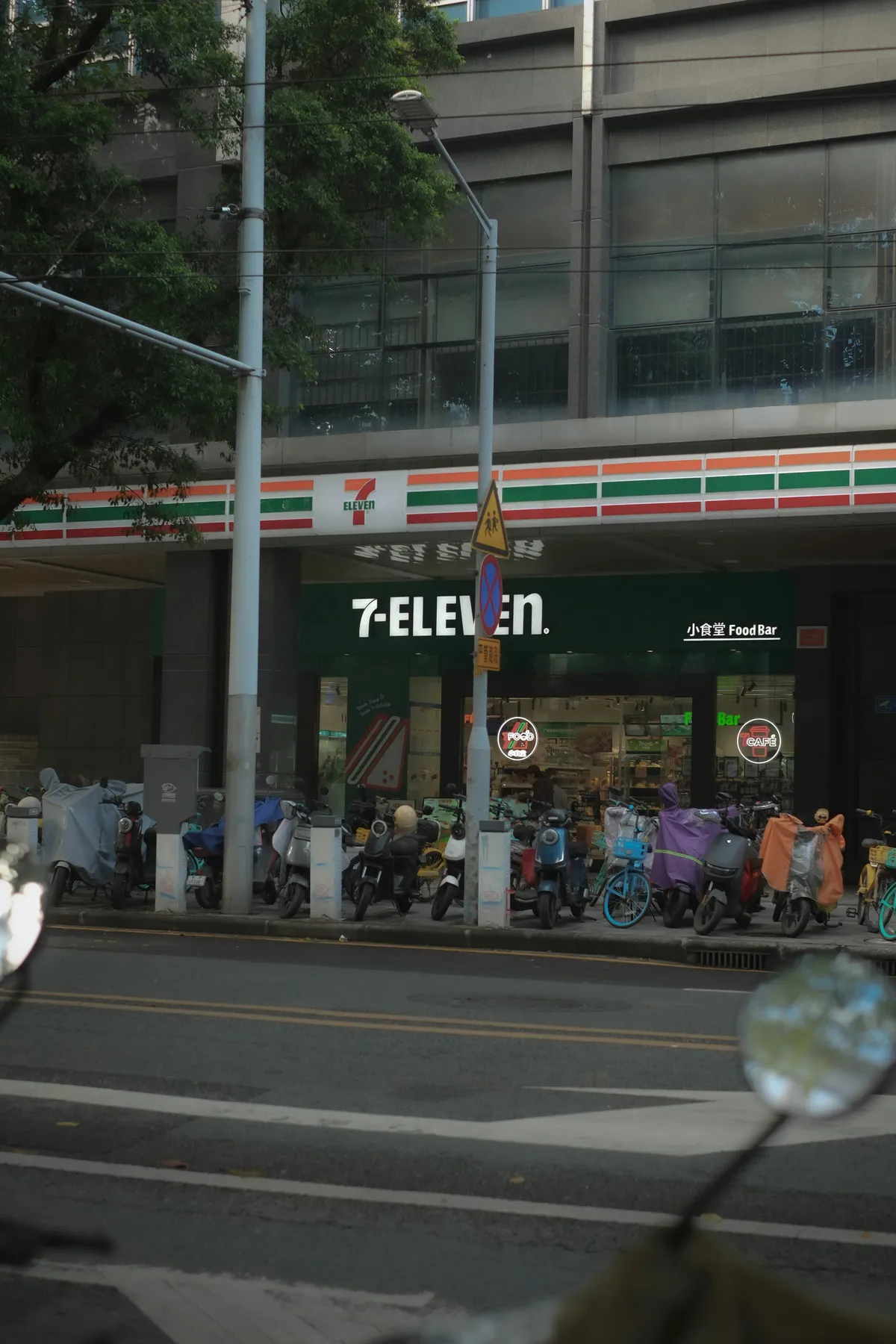
Major chains such as CU, GS25, and 7-Eleven Korea stock ready-to-eat meals, snacks, drinks, and instant foods that vary by store and season. Product ranges change often, so treat this as a menu-reading guide rather than a fixed product list.
Korean Convenience Store Food: What to Look For
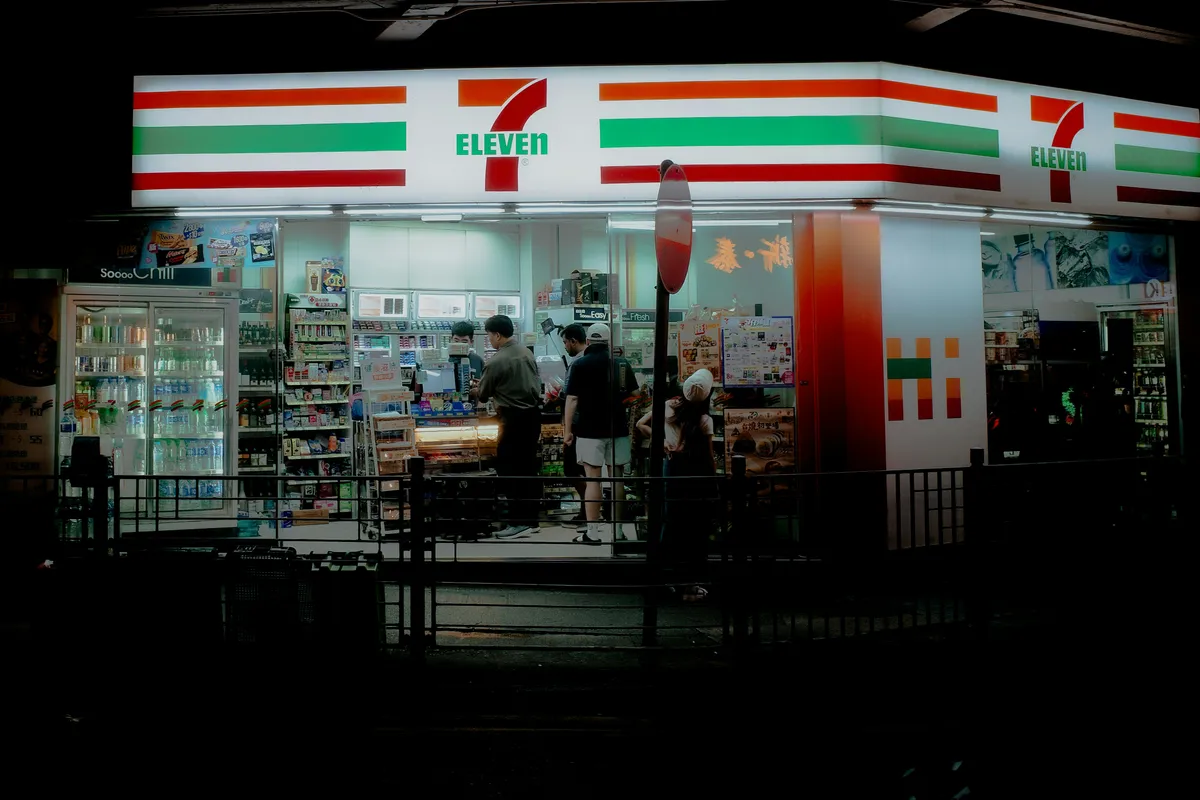
The first section to check is usually the chilled food case. This is where travelers commonly find rice balls, packaged gimbap-style rolls, sandwiches, salads, lunch boxes, and ready meals.
The second useful area is the hot-water and microwave zone. Cup noodles, instant soups, heated lunch boxes, and simple snacks are usually built around those facilities.
For travelers, the appeal is control. You can see the item before buying, check the label, and build a small meal without needing a full restaurant order.
Rice Balls, Rolls, and Packaged Meals
Triangle rice balls are one of the most useful convenience-store foods in Korea. They are usually individually wrapped and designed for a quick meal or snack.
Packaged rolls and small rice meals sit in the same practical category. They are not the same as a full restaurant gimbap guide, so this article treats them only as convenience-store meal options.
Lunch boxes are another common choice. They are usually packaged for microwave heating, but exact contents, heating time, and availability differ by store and product.
Instant Noodles and Hot-Water Meals
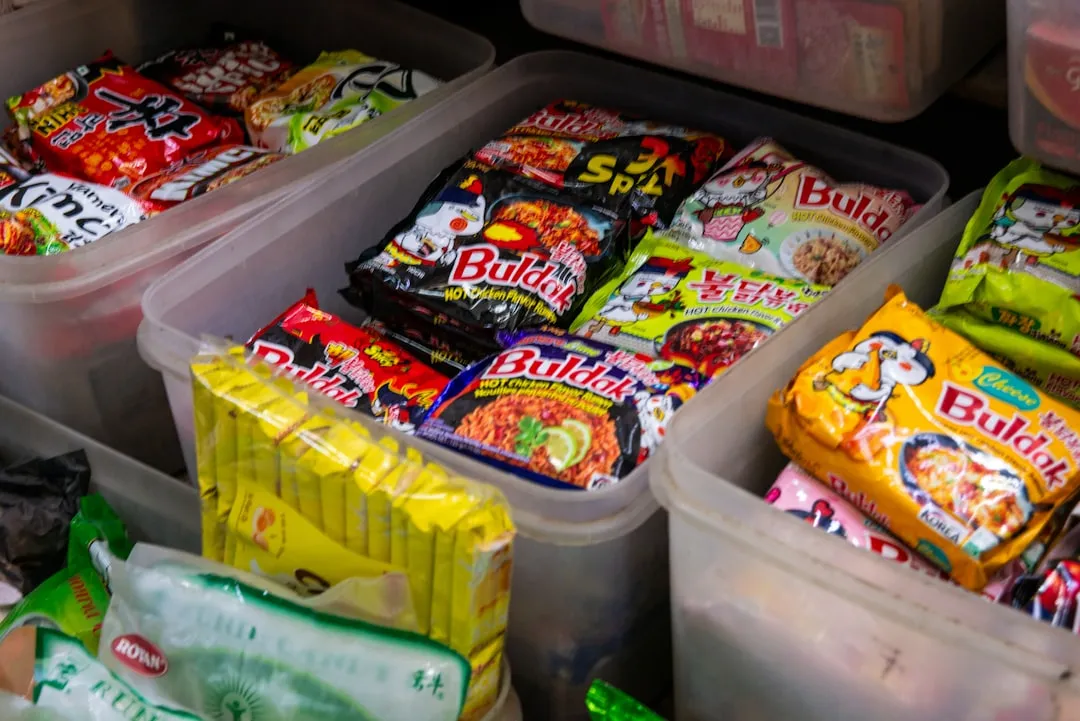
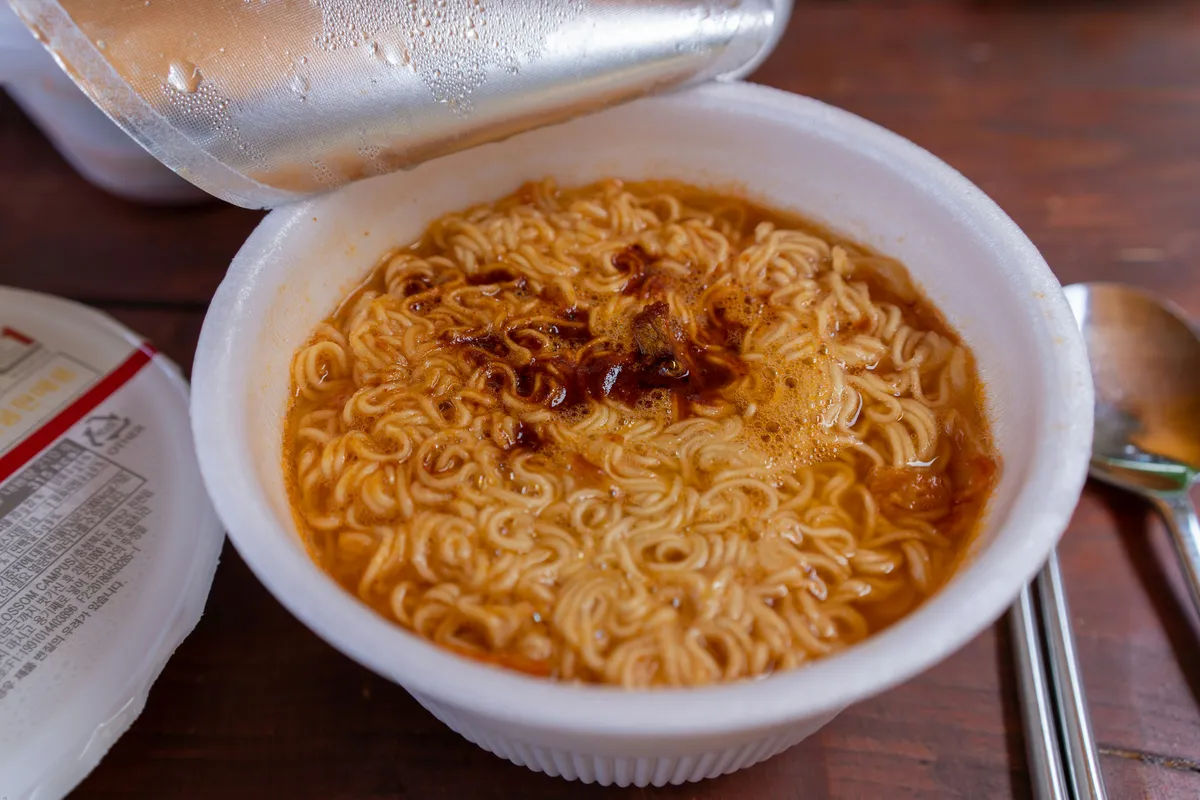
Instant noodles are strongly associated with Korean convenience-store eating. Many stores provide hot water, and some have small eating areas, but facilities differ by location.
This guide does not repeat a full ramyeon article. For convenience-store purposes, the important points are cup size, spice level, soup versus dry-style noodles, and whether the package needs hot water only or microwave heating.
Some products include very spicy sauces. If you are sensitive to chili heat, look for visual spice cues on the package and choose milder-looking soup noodles when available.
Ready Meals, Fried Snacks, and Hotbar Items
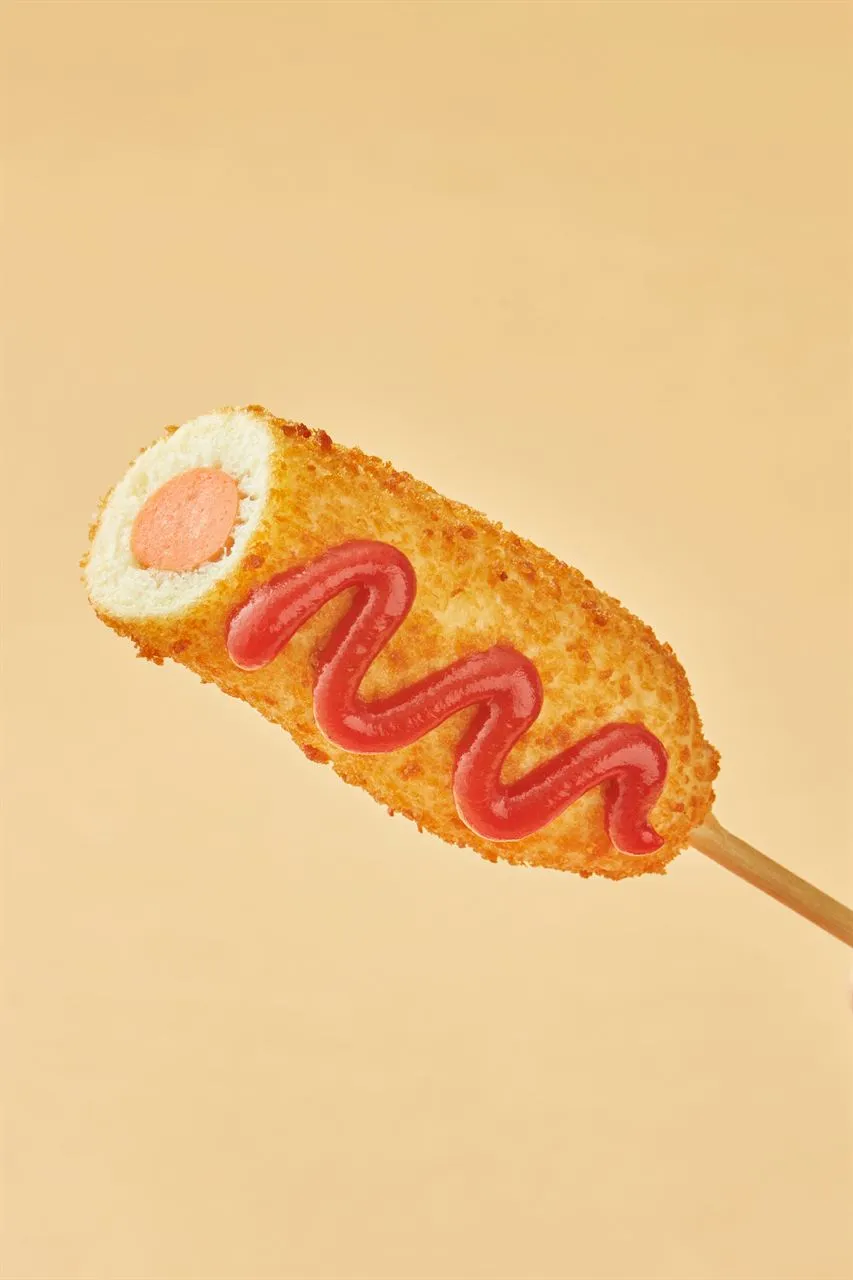
Convenience stores may sell ready meals and heated snacks that work as a light lunch or late-night food. The selection can include fried items, sausages, fish-cake-style snacks, or seasonal products.
Hotbar and fish-cake snacks can overlap with market food, but the convenience-store version is usually packaged or sold from a prepared-food counter. Check the label or counter sign for ingredients.
Because recipes vary, do not assume a snack is pork-free, seafood-free, or vegetarian. Fish cake, sausage, cheese, egg, and shellfish can appear in similar-looking items.
Drinks, Desserts, and Small Snacks
Drinks are a strong convenience-store category for travelers. Common choices include bottled water, canned coffee, milk drinks, teas, juices, and traditional-style beverages.
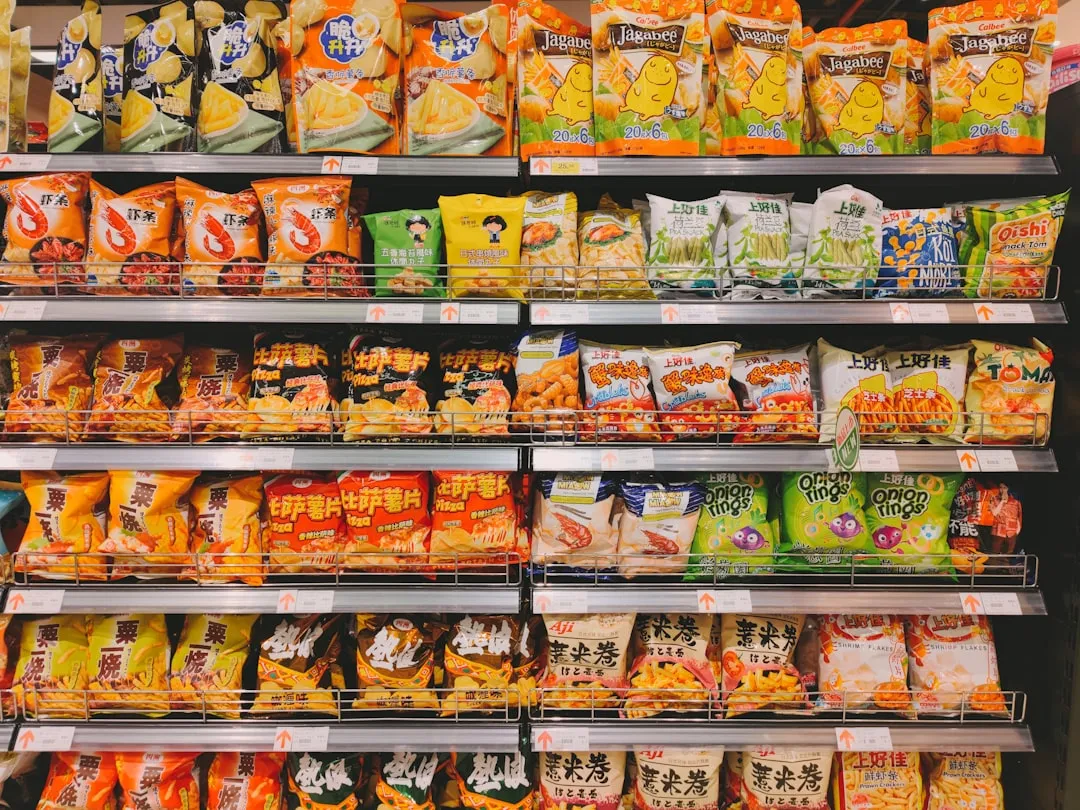
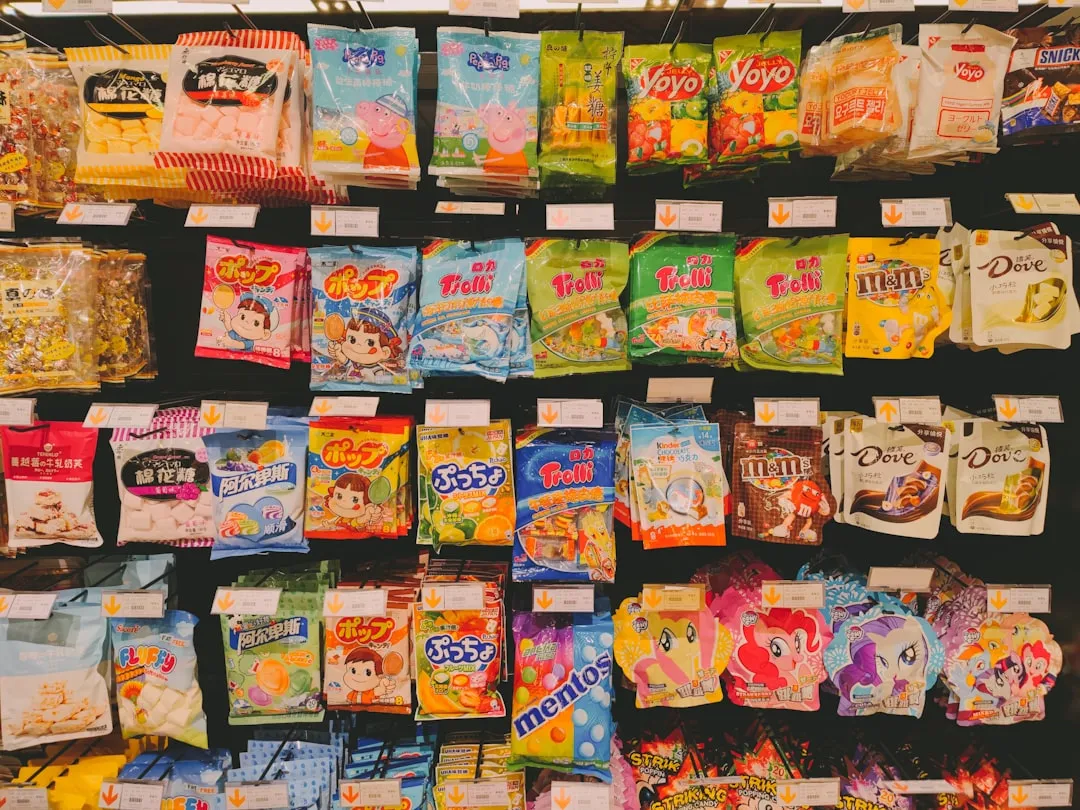
Snack shelves can include chips, chocolate, cookies, nuts, crackers, and limited-edition flavors. Selection changes quickly, so the safest wording is to browse by shelf section rather than chase a single product name.
For dessert, look in the chilled case as well as the snack aisles. Ice cream, puddings, packaged cakes, and sweet drinks may be stocked differently from store to store.
How to Build a Simple Convenience-Store Meal
A simple meal can be built around one main item and one side. For example, a rice ball plus soup, a lunch box plus drink, or cup noodles plus a small snack.
If you are eating in a hotel room, check whether the product needs heating before buying. Some ready meals are designed for store microwaves, while other items are fine without heating.
Use the store’s disposable utensils only when provided or offered. Policies can vary, and some items include their own spoon, fork, or chopsticks inside the package.
Useful Korean Words for Labels
Samgak gimbap (삼각김밥): triangle rice ball.
Dosirak (도시락): lunch box or packaged meal.
Ramyeon (라면): instant noodles or noodle soup.
Maeunmat (매운맛): spicy flavor.
Jeonja range (전자레인지): microwave.
Tteugeoun mul (뜨거운 물): hot water.
For allergies, rely on the ingredient label rather than product shape. If you cannot read the label, use a translation app and avoid items with unclear fillings or sauces.
Ordering and Etiquette Tips
Take sealed items to the counter before eating. If you plan to use the microwave or hot water, pay first unless the store clearly indicates a different flow.
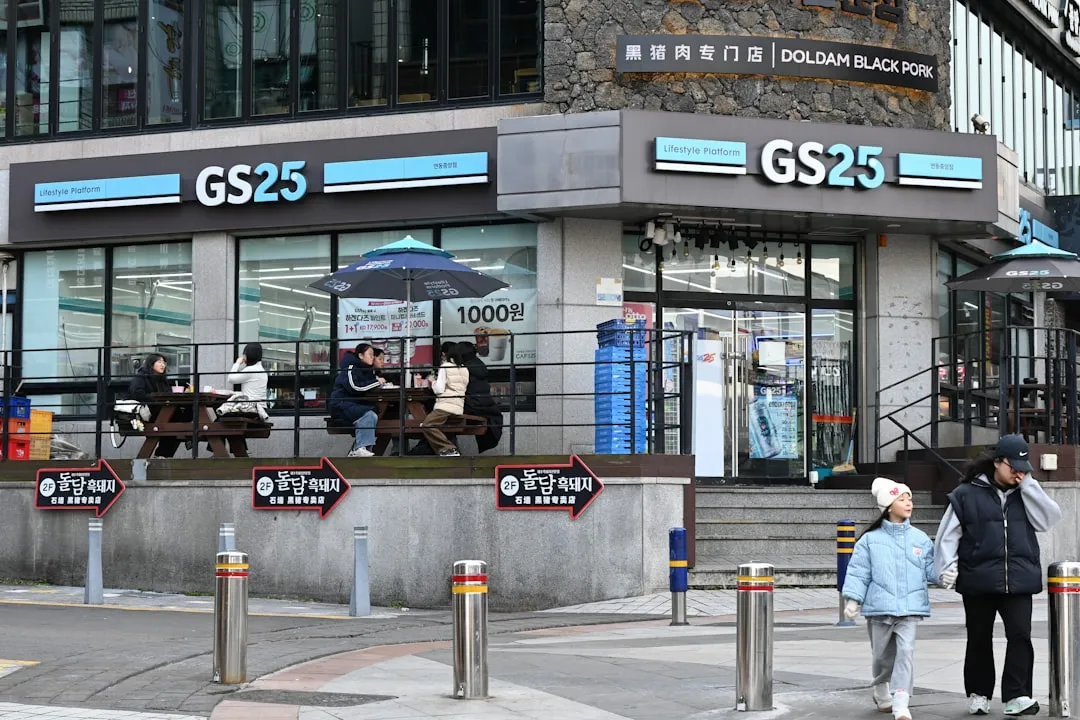
Use indoor or outdoor seating only where it is provided. Some convenience stores have tables, while smaller shops may not have eating space.
Dispose of packaging in the proper bins when available. Convenience-store meals create plastic cups, wrappers, trays, and chopstick packaging, so follow the store’s waste area rather than leaving items at the table.
Frequently Asked Questions
What is the best Korean convenience store food for a quick meal?
Rice balls, packaged rolls, lunch boxes, and cup noodles are practical starting points. Availability varies by store, so choose based on what is stocked in the chilled case and noodle aisle.
Can I heat food inside Korean convenience stores?
Many stores provide microwaves or hot water, but facilities vary by location. Check the store layout and pay for the item before using shared equipment unless staff directs otherwise.
Is Korean convenience store food vegetarian?
Do not assume it is vegetarian. Rice balls, lunch boxes, noodles, sauces, and snacks may contain meat, seafood, egg, dairy, or fish-based seasonings.
Are Korean convenience store noodles very spicy?
Some instant noodles are spicy, while others are mild or broth-based. Look for spice cues on the package and avoid products that highlight chili sauce if you need a milder option.
Can I eat inside a Korean convenience store?
Some stores have indoor or outdoor seating, but not all locations do. Use seating only where it is clearly provided and clean up packaging after eating.
Complete Your Korea Food Trip with TripKorea
Korean convenience store food works best as a practical backup between restaurant meals, late-night arrivals, and early departures.
Browse Korean food tours and activities on TripKorea
Sources & References
Official Sites:
Photos:
Photo: Polina Kneis on Unsplash
Photo: Andrea De Santis on Unsplash
Photo: Zhang Ziyu on Unsplash
Photo: Zoshua Colah on Unsplash
Photo: Stephen Kong on Unsplash
Photo: Korea Tourism Organization
Last verified: 2026-08-23
Product availability, recipes, labels, and store facilities vary by location. Please confirm directly before buying or eating.