Korean fish cake, called eomuk (어묵), is a common snack and light meal item served at street stalls, traditional markets, and casual Korean restaurants. Travelers will also see the word odeng (오뎅) on some signs, especially for skewers served from hot broth.
This guide explains the main ways eomuk appears in Korea: broth skewers, fish cake soup, hotbar snacks, and market-style plates. It keeps the focus on fish cake itself, rather than repeating a general Korean street food guide.
Korean Fish Cake: Eomuk and Odeng
Eomuk is the Korean menu word to look for when you want fish cake. Odeng is another word often used in casual settings, especially at street stalls and snack shops.
The most familiar version is served on wooden skewers. Flat fish cake sheets are folded, placed in hot broth, and eaten directly from the skewer or with a small cup of broth.
In restaurants, eomuk may appear in soups, stews, stir-fried side dishes, or mixed snack plates. The same ingredient can therefore feel like a quick snack, a side dish, or part of a meal.
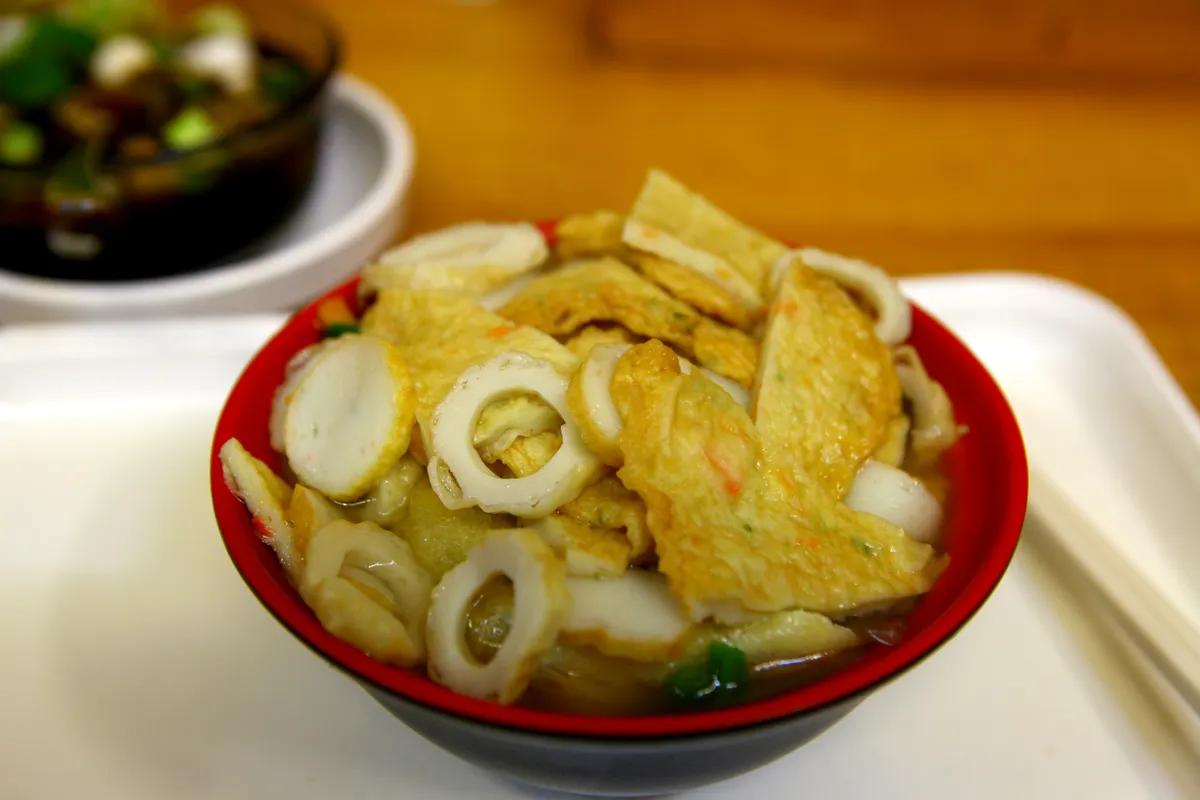
Eomuk Skewers in Hot Broth
Eomuk skewers are the format many travelers notice first. The fish cake sits in a heated broth container, and customers choose skewers from the pot.
The broth is part of the experience. Some stalls serve it in paper cups or small ladles, while others keep it as a warming liquid for the skewers.
This style is practical in markets because it is quick to order and easy to eat while standing. It is also one of the easiest Korean snack foods to identify visually.
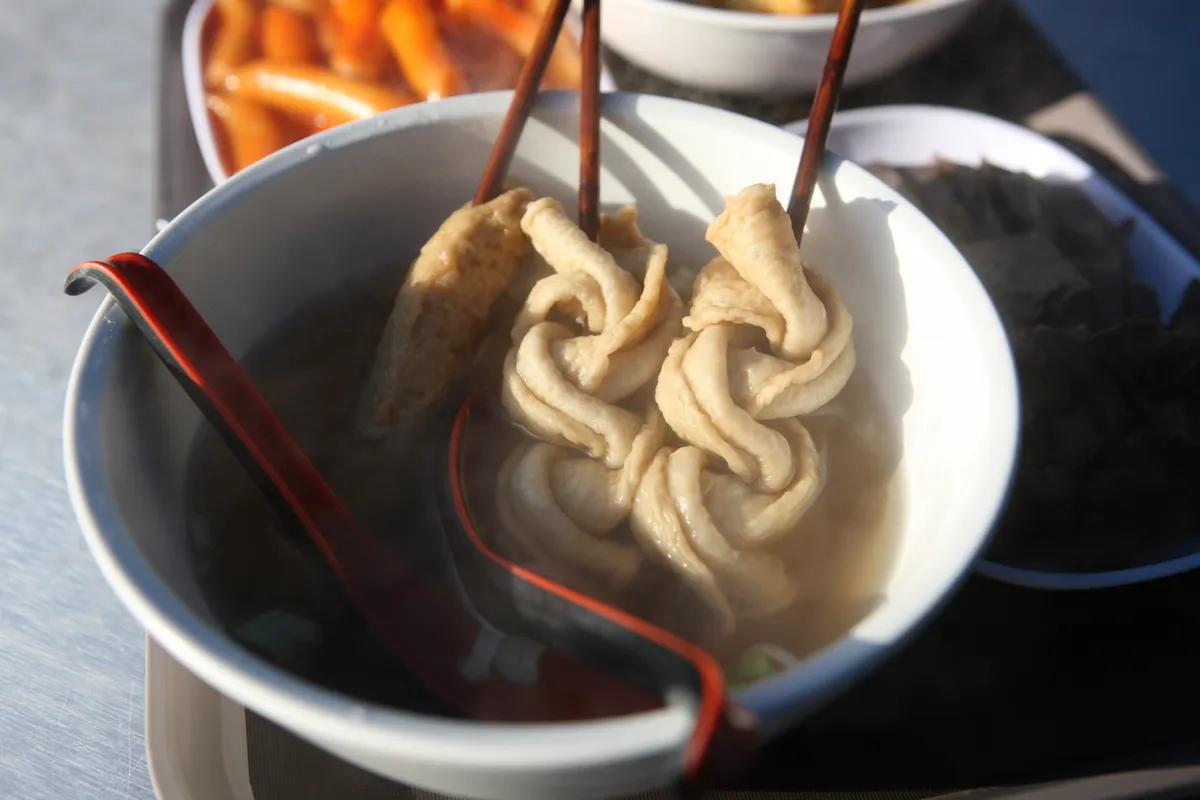
Busan-Style Market Eomuk
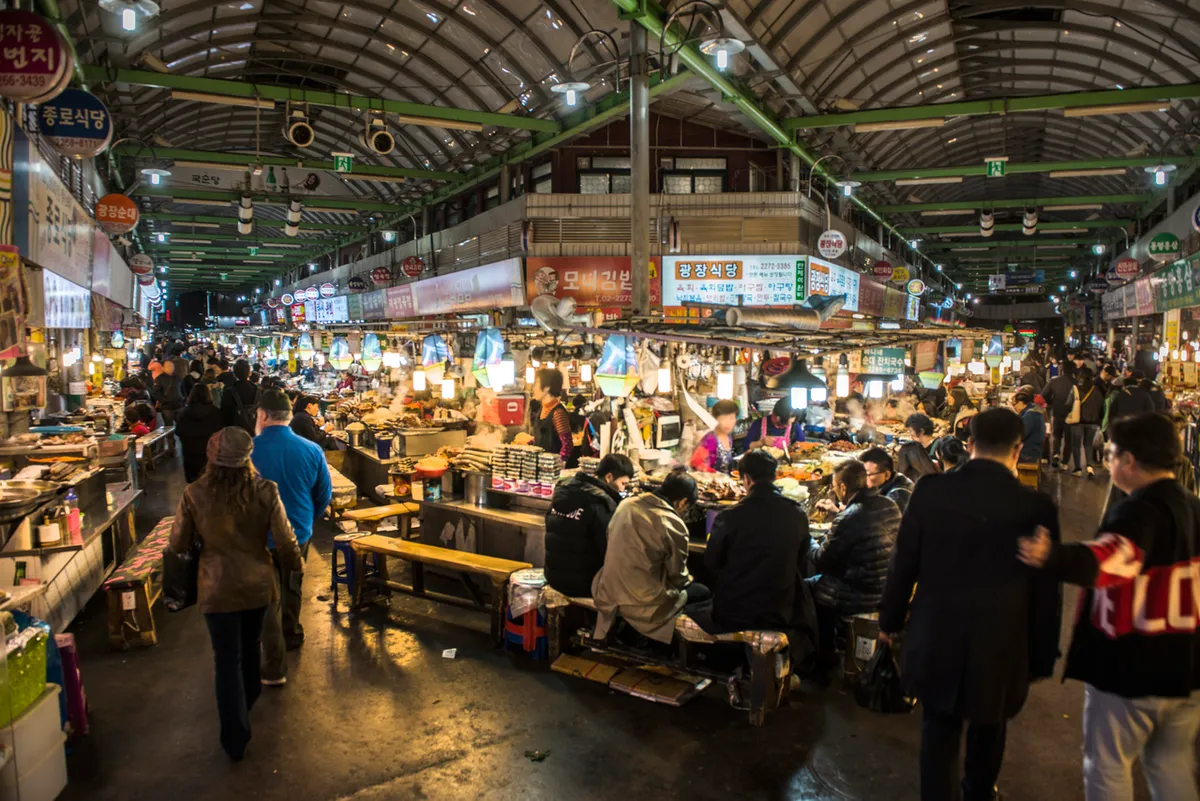
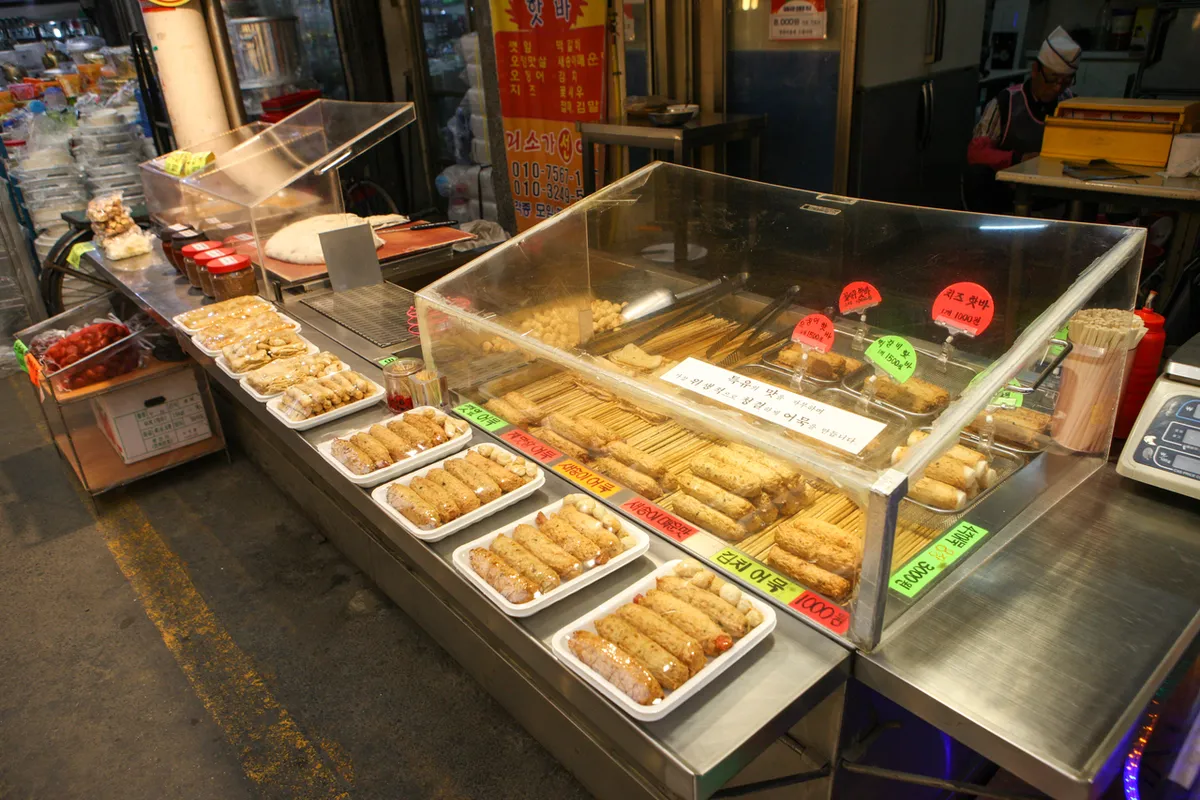
Busan appears frequently in eomuk market imagery, including Gukje Market and other traditional-market settings. Travelers may see signs using both eomuk and odeng.
At market stalls, fish cake can be sold as skewers, pieces in broth, packaged snacks, or fried hotbar-style items. The exact shape and filling depend on the vendor.
Busan market eomuk is useful for travelers because the display is usually visible before ordering. You can point to a skewer or tray item when Korean menu reading is difficult.
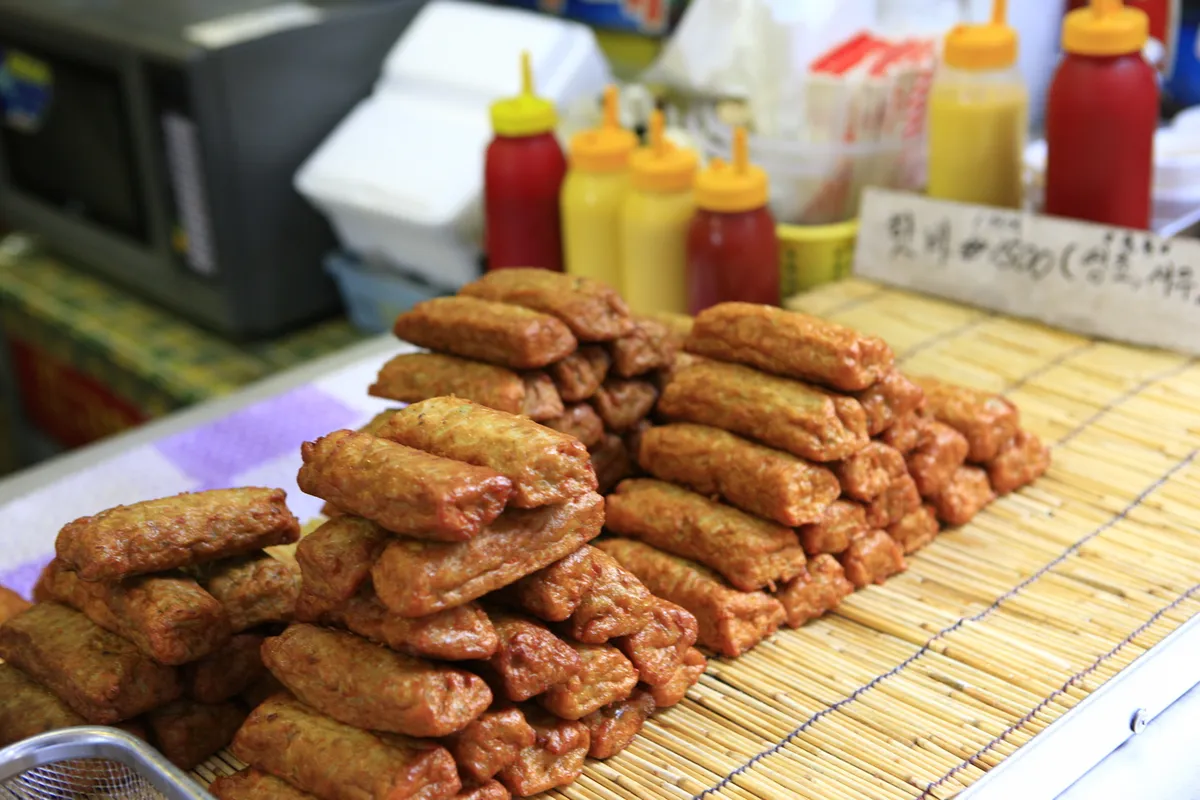
Eomuk Soup and Broth-Based Dishes
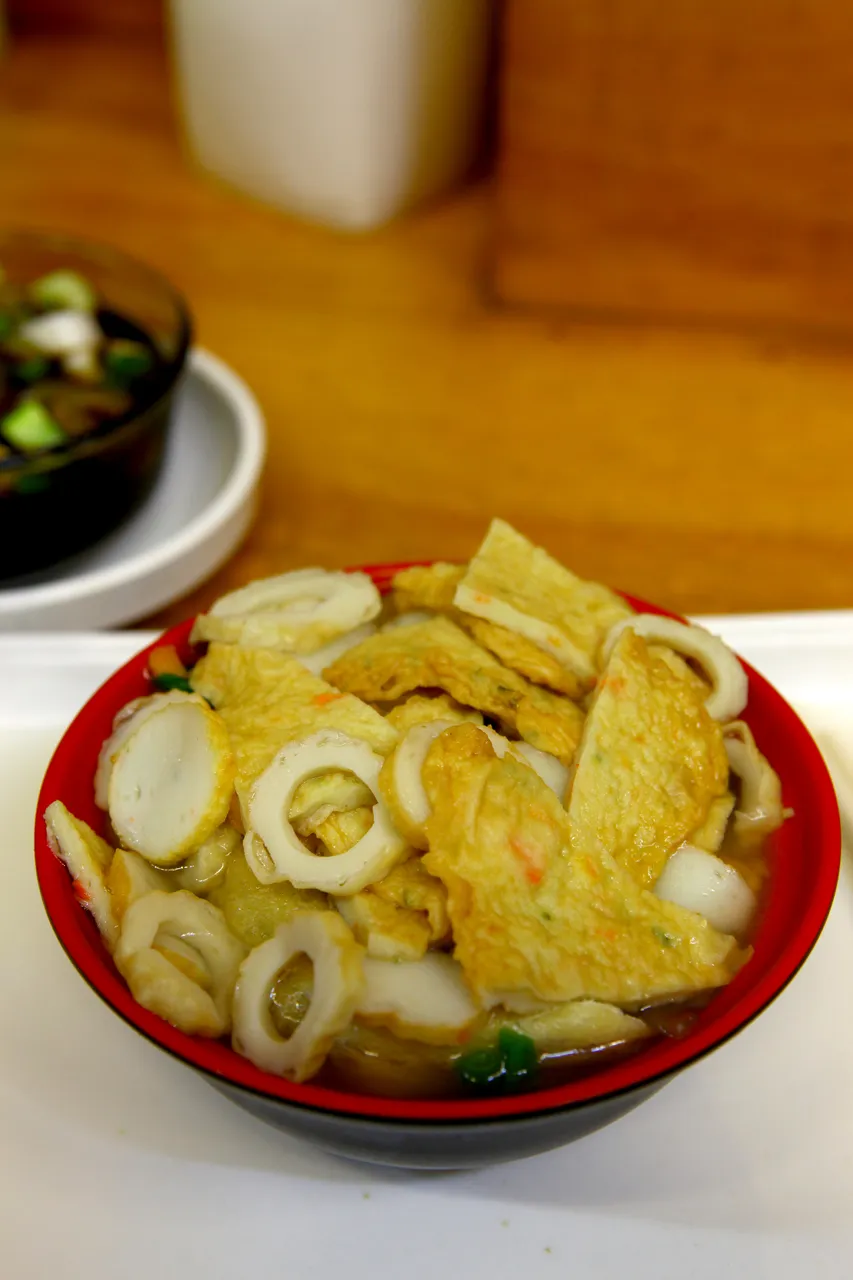
Eomukguk or eomuk-tang refers to fish cake served in soup or broth. The dish may include fish cake pieces, broth, green onion, radish, or other simple additions.
Compared with a dry snack, soup-style eomuk is more filling and easier to share at a table. It may appear in casual restaurants, drinking-food menus, and market stalls.
Broth ingredients vary. Travelers with seafood allergies should ask directly because fish cake and broth can include fish or seafood-based ingredients.
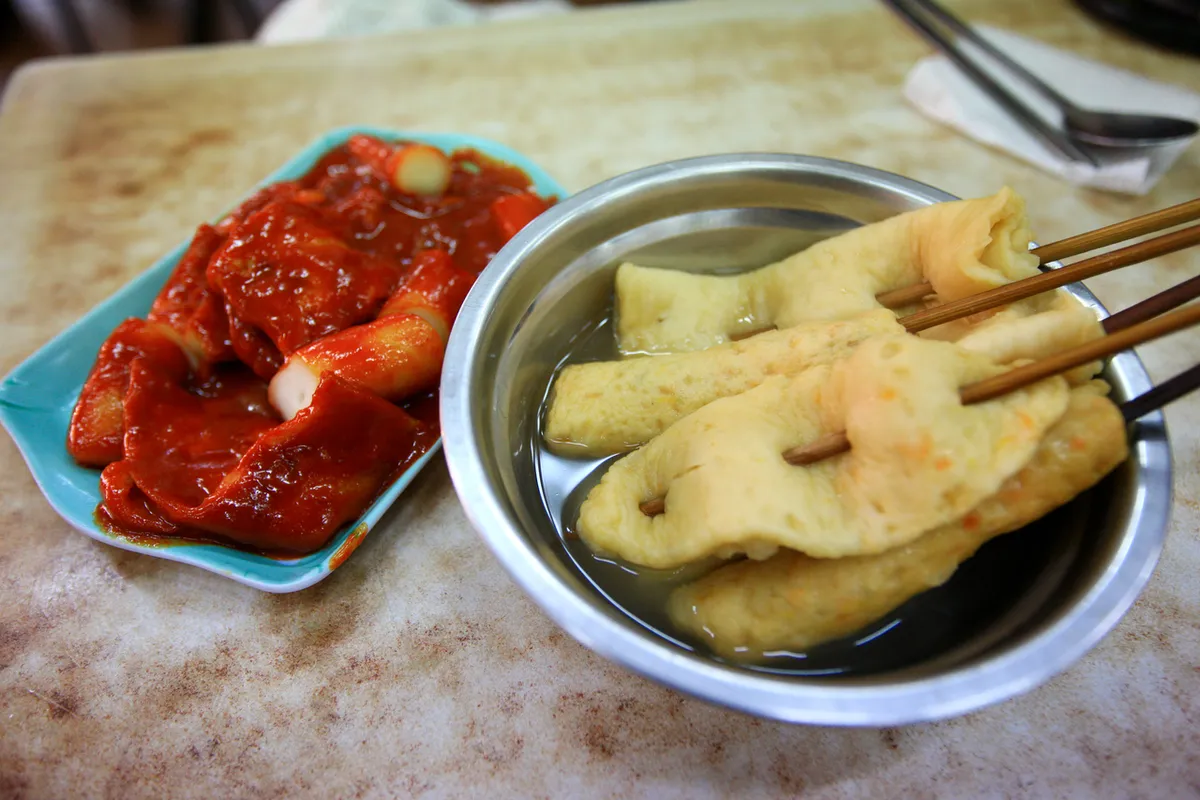
Hotbar: Fried Fish Cake Snacks
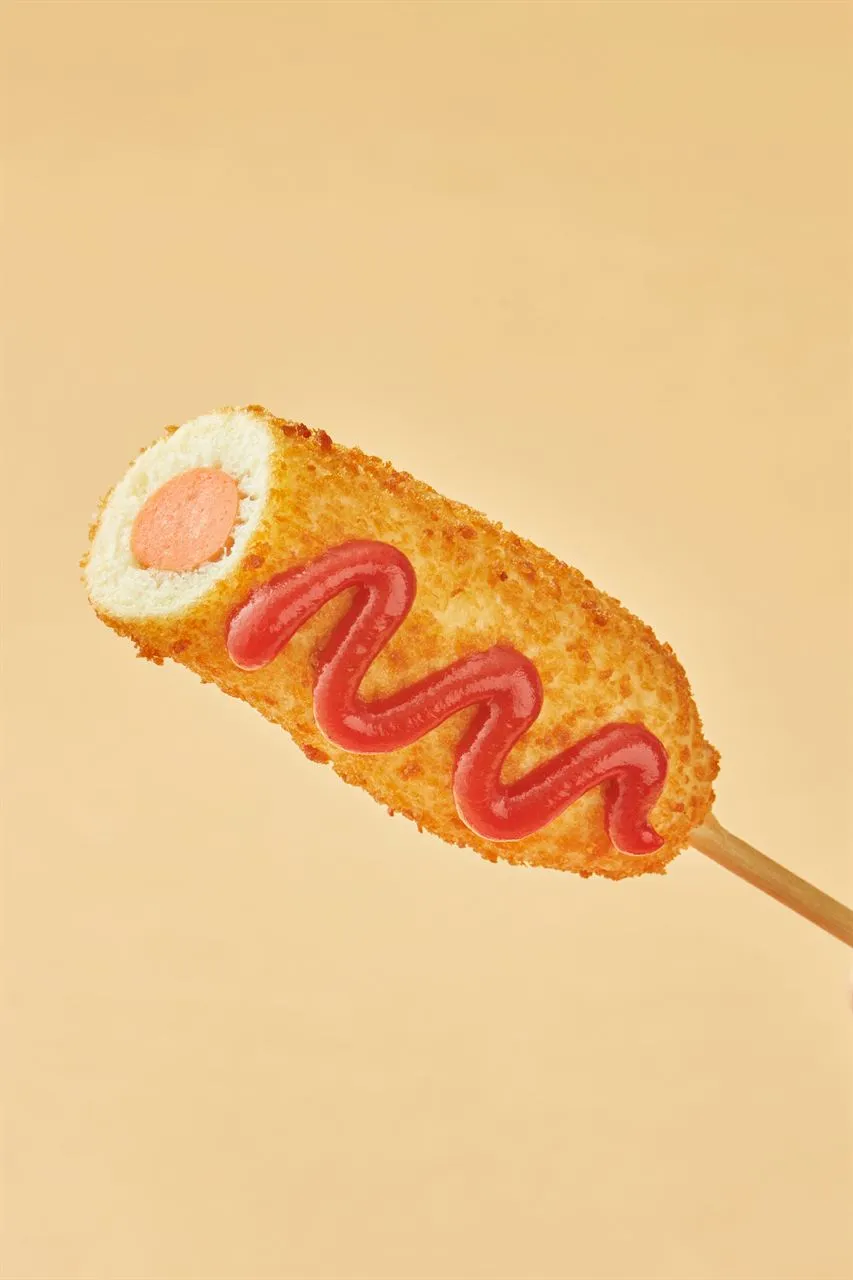
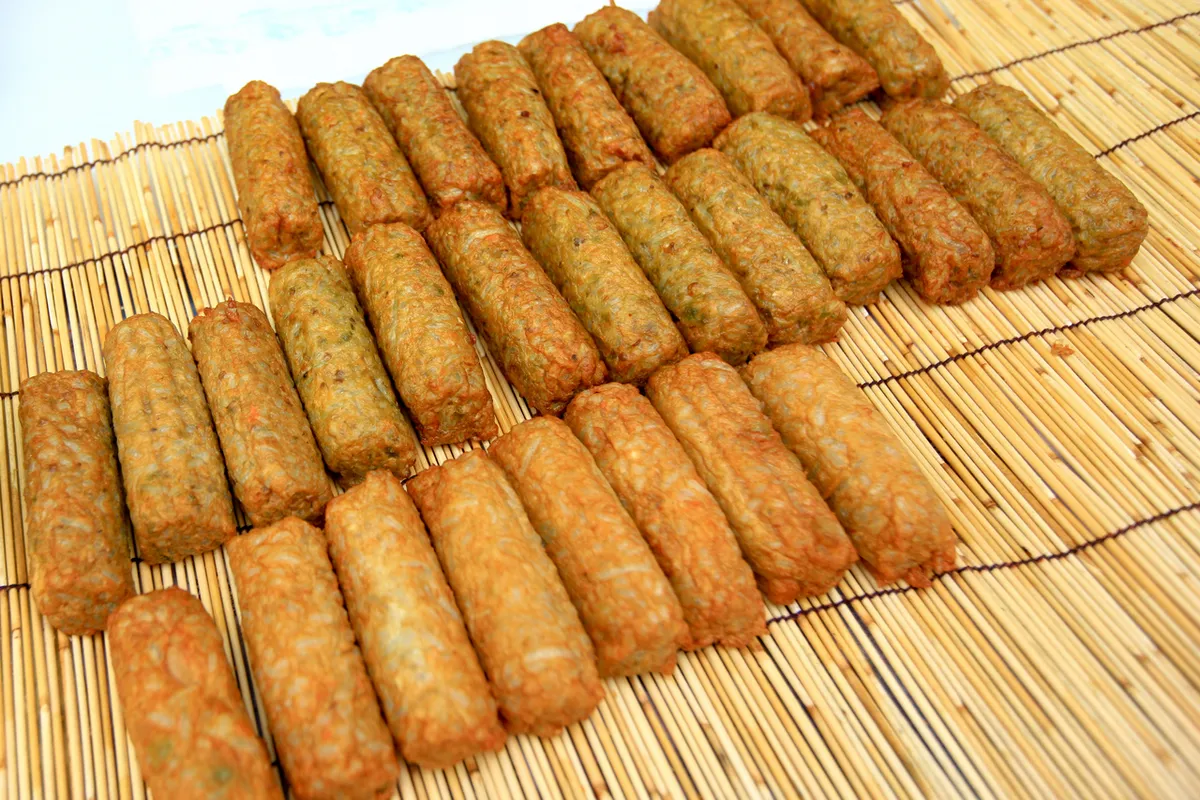
Hotbar is a fried fish cake snack often sold on a stick. It may include additional ingredients such as cheese, sausage, vegetables, or seafood depending on the stall.
Unlike broth skewers, hotbar is usually eaten as a fried handheld snack. It is common in market and street-food settings where vendors display different varieties together.
If you have dietary limits, do not assume every hotbar has the same filling. Check before ordering because some versions contain sausage, shellfish, or other additions.
How to Order Korean Fish Cake
For a simple skewer, say eomuk juseyo or odeng juseyo. Both are commonly understood in casual snack settings, but eomuk is the cleaner Korean food term for article and menu use.
If the stall charges by skewer, keep track of how many you take. Payment systems vary by vendor, so follow the stall’s instructions rather than assuming one standard method.
Use short questions for spice, seafood, and filling checks. Small stalls may have limited English, so pointing and using the Korean word can help.
Eomuk juseyo (어묵 주세요): Fish cake, please.
Odeng juseyo (오뎅 주세요): Odeng, please.
Gukmul isseoyo? (국물 있어요?): Is there broth?
Haesanmul deureogayo? (해산물 들어가요?): Does it contain seafood?
Maeun gayo? (매운가요?): Is it spicy?
What to Check Before Eating Eomuk
Korean fish cake is not a vegetarian food. It is fish-based, and broth or fillings may include additional seafood ingredients.
Some versions are mild, while others are served with spicy sauce or in spicy dishes. The skewer itself may not be spicy, but sauces and nearby dishes can change the flavor.
Food handling and serving style vary by stall. Choose vendors where the broth and display look well maintained, and confirm ingredients directly if you have allergies.
Frequently Asked Questions
What is Korean fish cake called?
Korean fish cake is called eomuk (어묵). Some stalls and signs also use odeng (오뎅), especially for skewered fish cake served in broth.
Is eomuk the same as odeng?
In casual food settings, travelers may hear both words used for Korean fish cake. Eomuk is the standard Korean food term, while odeng is often used at snack stalls.
Is Korean fish cake spicy?
Plain eomuk skewers are usually broth-based rather than chili-based. However, some sauces, soups, or side dishes can be spicy, so ask before ordering if you need a mild option.
Can vegetarians eat eomuk?
No. Eomuk is fish cake, and it may also include seafood-based broth or fillings. Vegetarian travelers should choose a different snack unless a vendor clearly offers a plant-based version.
Where can travelers find eomuk in Korea?
Travelers can find eomuk at street stalls, traditional markets, snack shops, and some casual restaurants. Availability and style vary by city and vendor.
Complete Your Korea Food Trip with TripKorea
Korean fish cake fits naturally into a market-food itinerary, especially when paired with other casual snacks and neighborhood food streets.
Browse Korean food tours and activities on TripKorea
Sources & References
Data Sources:
Photos and location references: Korea Tourism Organization Photo Korea
Official Sites:
Last verified: 2026-08-23
Restaurant hours, recipes, and menus subject to change. Please confirm directly before visiting.