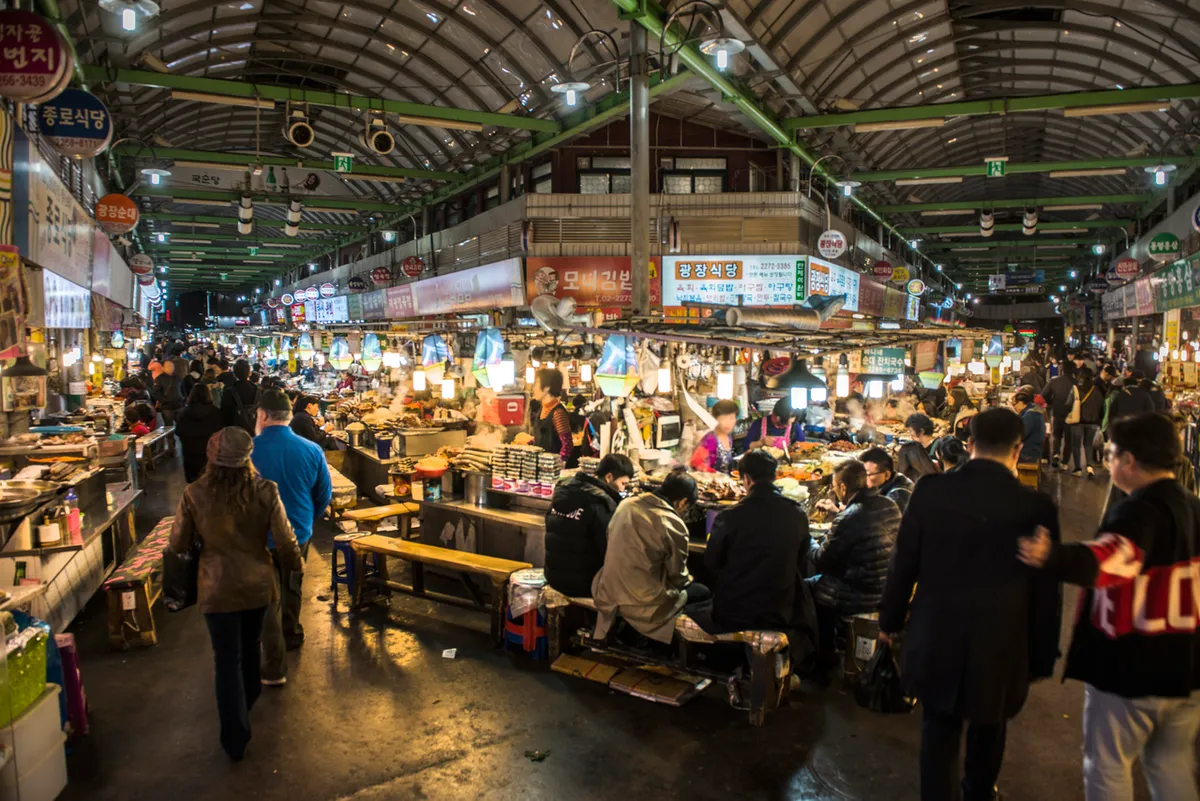
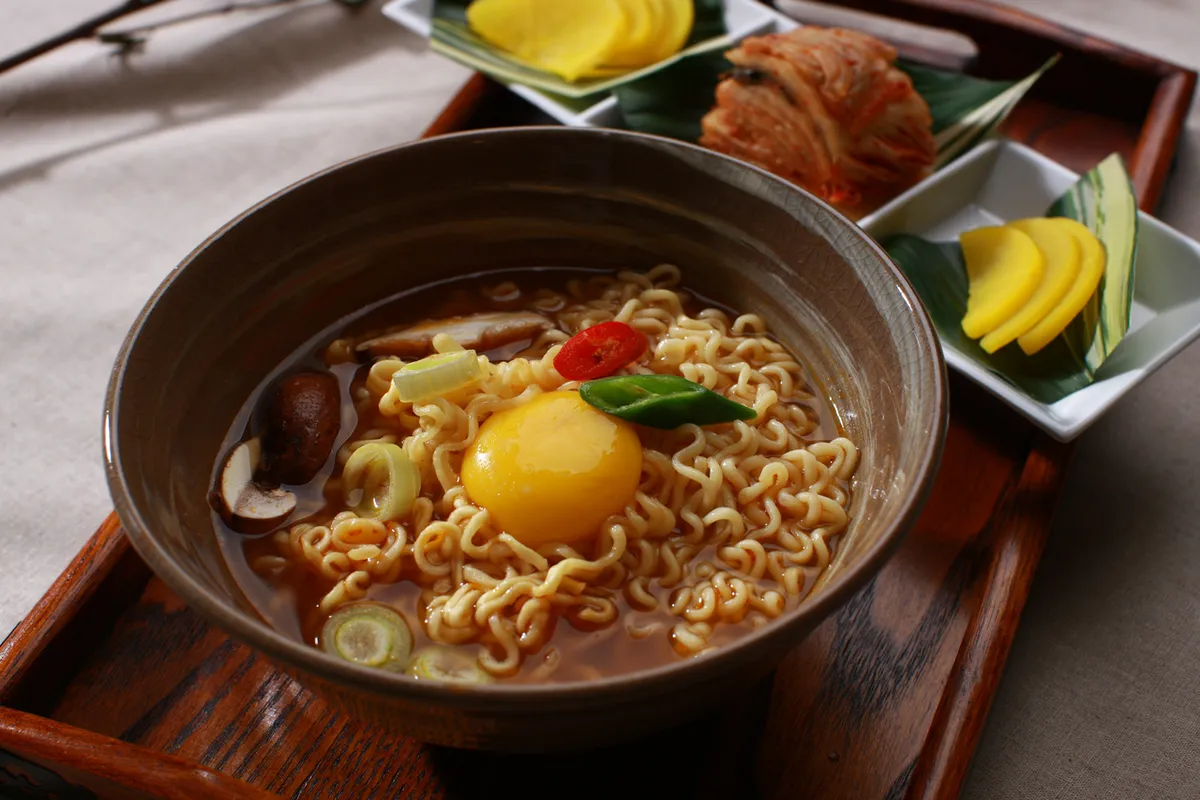
Korean ramyeon is the instant-noodle meal many travelers recognize before they arrive in Korea. Shin Ramyun is the best-known name for many overseas shoppers, and Korean ramyeon also appears often in global screen culture, including recent K-pop-related entertainment references.
In Korea, ramyeon is not treated only as a packaged pantry item. It is a convenience-store meal, a late-night bowl, a quick hotel-room dinner, a Han River snack, and a common add-on at casual restaurants.
What Is Korean Ramyeon?
Korean ramyeon usually refers to instant noodles cooked with a powdered or liquid soup base. The noodles are springy, the broth is often spicy, and the package is designed for quick cooking at home, in a convenience store, or in a small kitchen.
Travelers often compare Korean ramyeon with Japanese ramen, but the two are different food categories. Japanese ramen usually means a restaurant noodle soup with fresh toppings and a prepared broth. Korean ramyeon usually means packaged instant noodles, although restaurants and bunsik shops may serve cooked versions with extra ingredients.
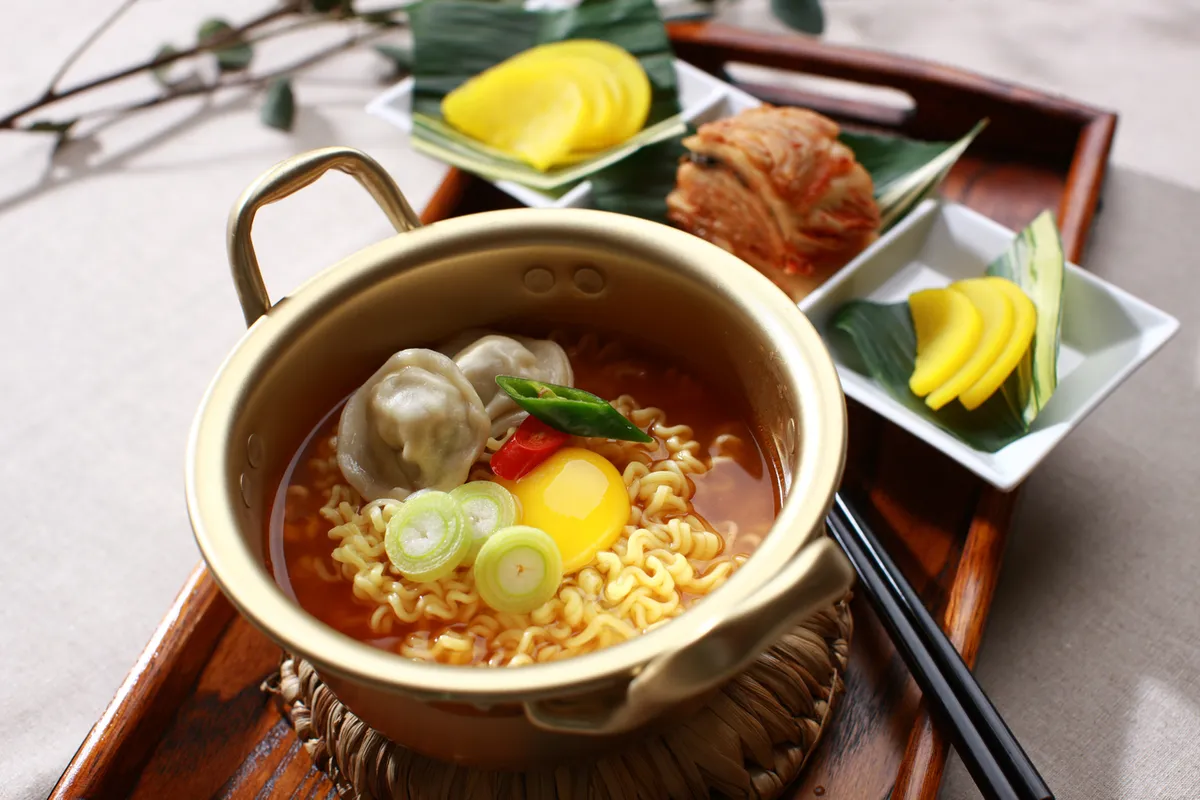
The most familiar style is red, spicy, and beef- or seafood-leaning in flavor. Other styles include mild broth, jjajang-style black bean sauce noodles, cold bibim-style noodles, and very spicy stir-fried noodles.
Because Korean packages vary widely, check the spice marking, product photo, and soup color before buying. Red soup usually means chili heat, but the actual level differs by brand and product.
Why Shin Ramyun Is Known Overseas
Shin Ramyun is one of the Korean ramyeon names most travelers already know from international supermarkets, airport shops, online stores, and Korean grocery aisles abroad. The red package has become a familiar marker of Korean instant noodles outside Korea.
Its importance for travelers is practical: once you know the Shin Ramyun flavor profile, you have a reference point for many other Korean noodle products. Shin-style ramyeon is generally spicy, savory, and broth-based, with noodles meant to stay firm after boiling.
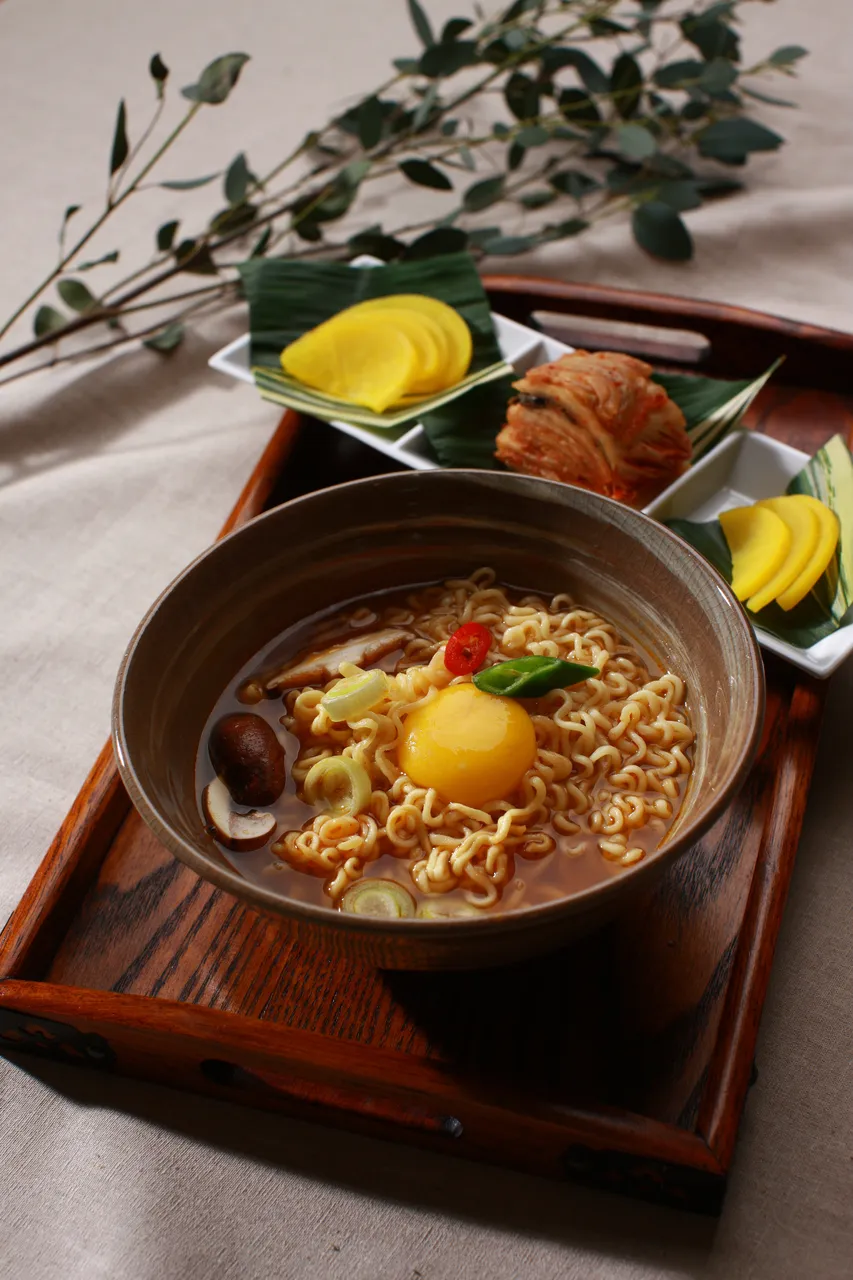
That overseas visibility is also why Korean ramyeon works well as a travel-food topic. Some visitors arrive already knowing the product from home, then try it in Korean settings such as convenience stores, Han River parks, guesthouses, or late-night snack shops.
When writing or searching in English, use both spellings. Korean brands and Korean food writers often use ramyeon or ramyun, while many travelers search for Korean ramen.
How Koreans Commonly Eat Ramyeon
The simplest version is cooked in a pot with the noodles, soup base, and dried vegetable packet. Many people add an egg near the end of cooking. Some leave the egg whole, while others stir it into the broth.
Common add-ins include sliced green onion, cheese, dumplings, rice cakes, fish cake, kimchi, canned tuna, or a small bowl of rice after the noodles are finished. These additions change the meal from a quick snack into a more filling bowl.
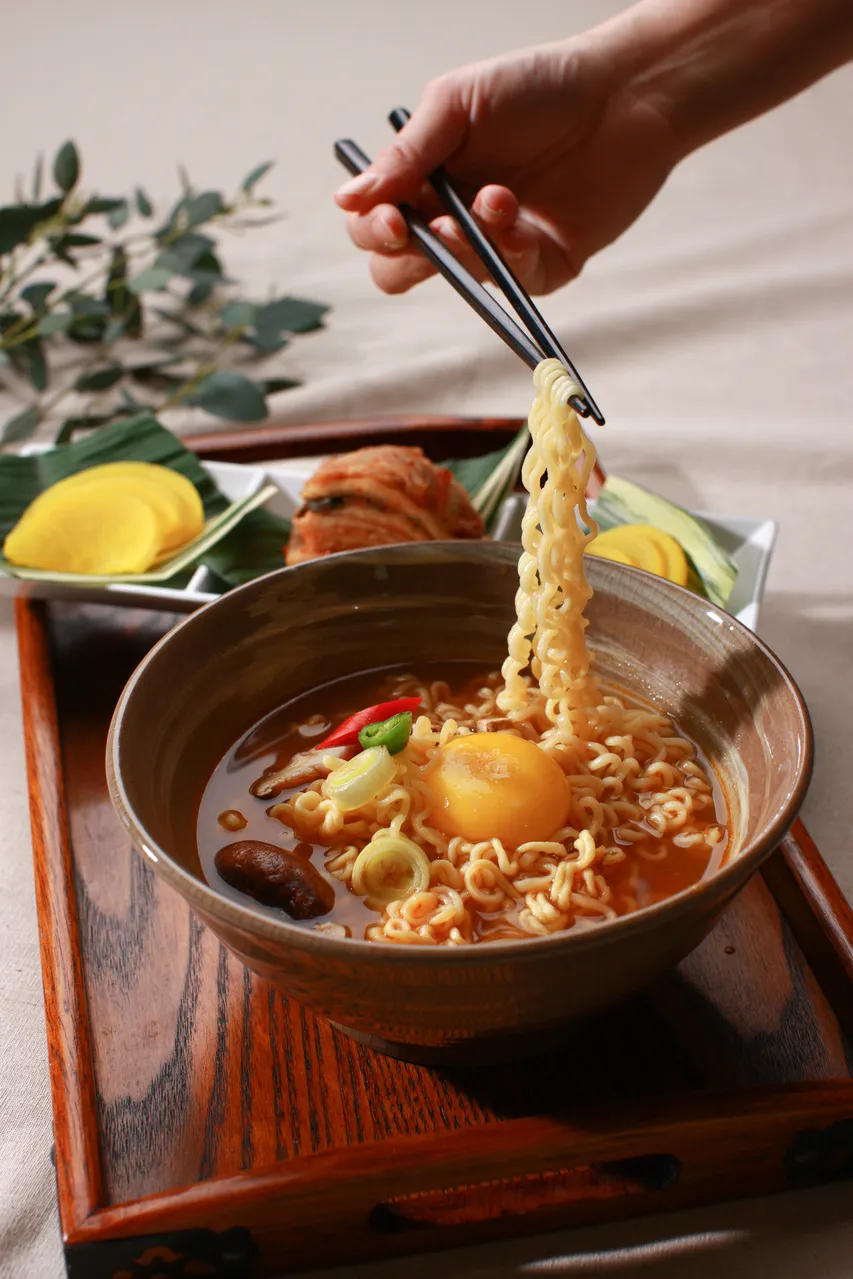
Kimchi is the most common side dish pairing. Pickled radish, gimbap, fried dumplings, or convenience-store triangle gimbap also work well with a spicy bowl.
A useful rule for travelers is to avoid overcooking. Korean instant noodles are usually better when the noodles keep some firmness. If cooking in a hotel or guesthouse kitchen, follow the package timing first before adjusting to personal taste.
Where Travelers Can Try Korean Ramyeon
Convenience stores are the easiest starting point. Many Korean convenience stores sell packet noodles, cup noodles, eggs, gimbap, drinks, and side dishes in one place. Some branches provide hot water or seating, but facilities vary by store.
Han River parks are also strongly associated with outdoor ramyeon meals. Some riverside convenience stores and food kiosks have self-cooking machines or packaged noodle setups, allowing visitors to eat hot noodles near the park.
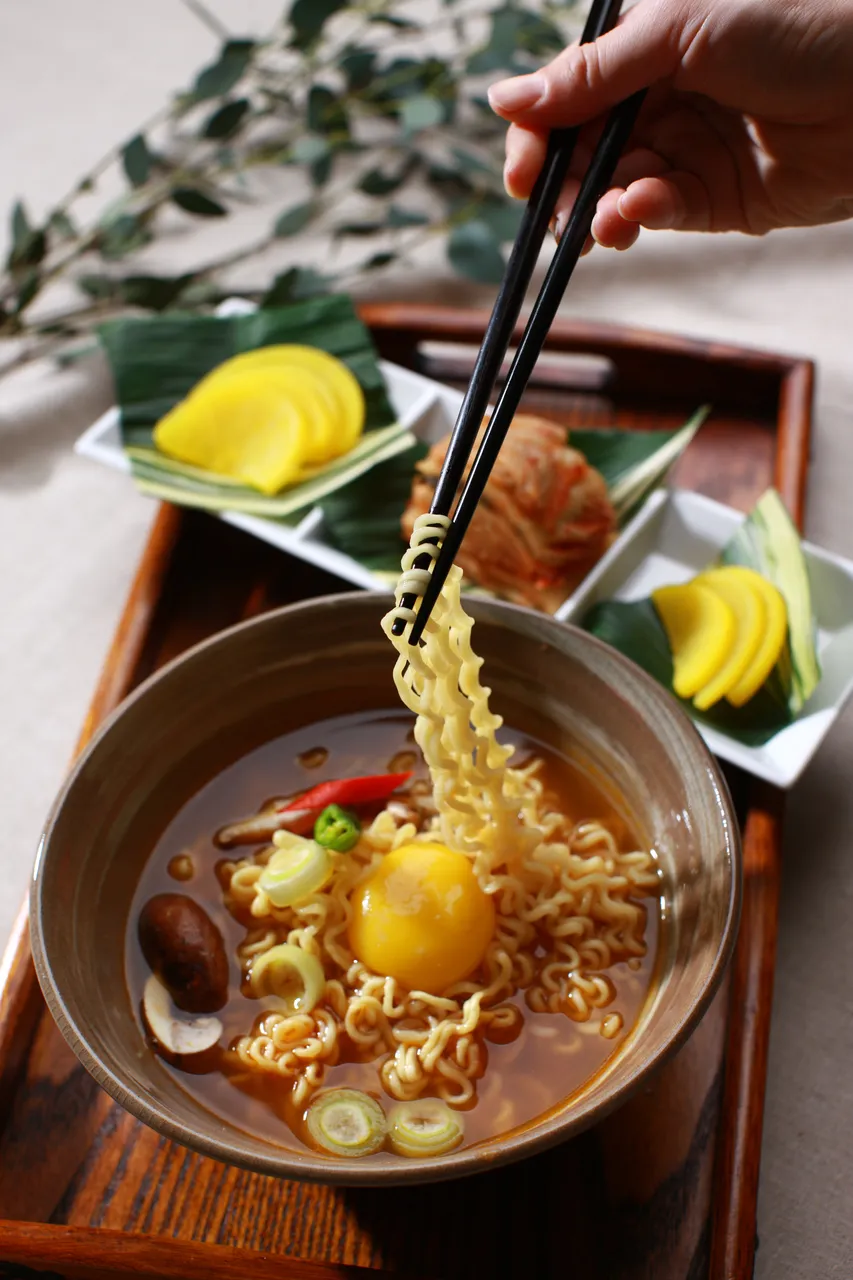
Bunsik shops may serve cooked ramyeon with egg, dumplings, rice cakes, or gimbap. PC rooms, guesthouses, and casual snack shops may also offer instant-noodle meals, especially in areas with students and nightlife.
For a Seoul food itinerary, areas such as Hongdae, Myeongdong, Sinchon, and the Han River parks are practical because they combine convenience stores, casual restaurants, late-night food, and public transport access.
Spice Levels, Toppings, and Ordering Tips
Korean ramyeon can be mild, spicy, or extremely hot depending on the product. Shin Ramyun is commonly treated as spicy by many first-time visitors, but products such as stir-fried fire noodles can be hotter.
If you are not sure about spice level, start with a smaller cup noodle or choose a product with a lighter broth color. Cheese, egg, rice, and dumplings can soften the heat, but they do not remove it completely.
At a convenience store, check whether the product is soup-based or stir-fried. Soup ramyeon is cooked with more water and eaten as broth noodles. Stir-fried noodles are usually drained before the sauce is mixed in, and the flavor can be more concentrated.
For allergies and dietary restrictions, read the package label carefully or ask staff when possible. Instant noodle products may include wheat, soy, seafood extracts, beef flavoring, egg, dairy, or other seasoning ingredients depending on the product.
How to Add Ramyeon to a Korea Trip
Ramyeon works best as a casual food stop rather than a full restaurant plan. Use it between major meals, after a late arrival, during a rainy evening, or as a simple snack after a market walk.
For Seoul, combine a ramyeon stop with a Han River walk, a Hongdae evening route, or a Myeongdong shopping area stay. TripKorea's activity listings can help you compare food tours, cooking classes, market routes, and city experiences: Things to Do in Seoul.
If you want easy access to convenience stores, food streets, and subway lines, check central hotel areas before booking. Useful TripKorea hotel pages include Hotels in Myeongdong, Hotels in Hongdae, and Hotels in Seoul.
Frequently Asked Questions
Is Korean ramyeon the same as ramen?
No. In English, travelers often say Korean ramen, but Korean ramyeon usually means packaged instant noodles. Japanese ramen usually refers to restaurant noodle soup with prepared broth and fresh toppings.
Is Shin Ramyun very spicy?
Many first-time visitors find Shin Ramyun spicy, but spice tolerance varies by person. It is a red, broth-based Korean ramyeon, and it can be softened with egg, cheese, rice, or dumplings.
Where can I eat ramyeon in Korea?
Convenience stores, guesthouses, small kitchens, bunsik shops, PC rooms, and some Han River park stores are common places to eat ramyeon. Facilities vary, so check whether hot water, seating, or cooking machines are available at that location.
What should I add to Korean ramyeon?
Common additions include egg, sliced green onion, cheese, dumplings, rice cakes, kimchi, and fish cake. A small bowl of rice after finishing the noodles is also a common way to make the broth more filling.
Can vegetarians eat Korean ramyeon?
Some products may look vegetable-based but still include beef, seafood, egg, dairy, or other seasoning ingredients. Vegetarian travelers should read the package label carefully and choose products specifically marked for their dietary needs.
Complete Your Korea Food Trip with TripKorea
K-Food Tours and Activities
Compare Seoul food tours, market routes, cooking classes, and city experiences before adding ramyeon stops to your itinerary.
Browse Seoul Food Tours and Activities
Best Places to Stay
Stay near central food streets, subway lines, and convenience stores for easier late-night meals.
Sources & References
Data Sources:
Photos: Korea Tourism Organization PhotoKorea
Food and travel context: Korea Tourism Organization public travel resources
Official Sites:
Last verified: 2026-08-11
Note: Product ingredients, spice levels, store facilities, and tour availability are subject to change. Please confirm labels and local information before buying, eating, or booking.