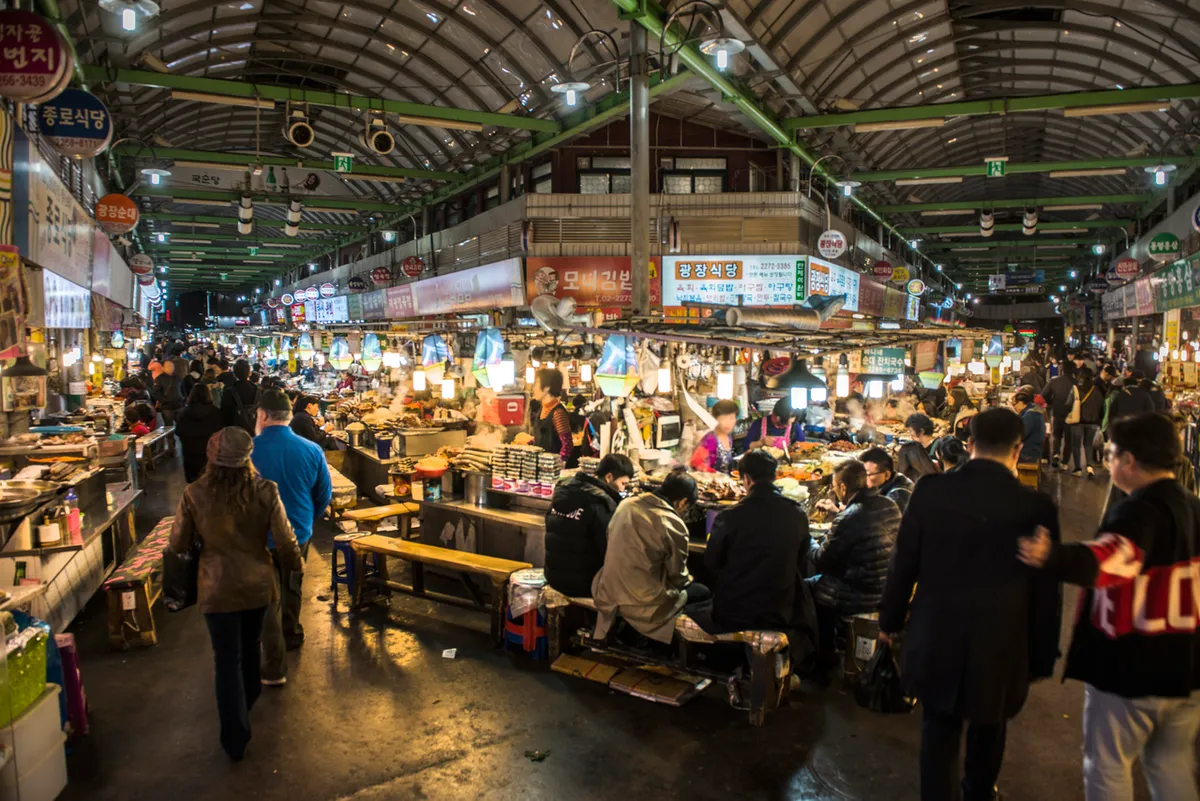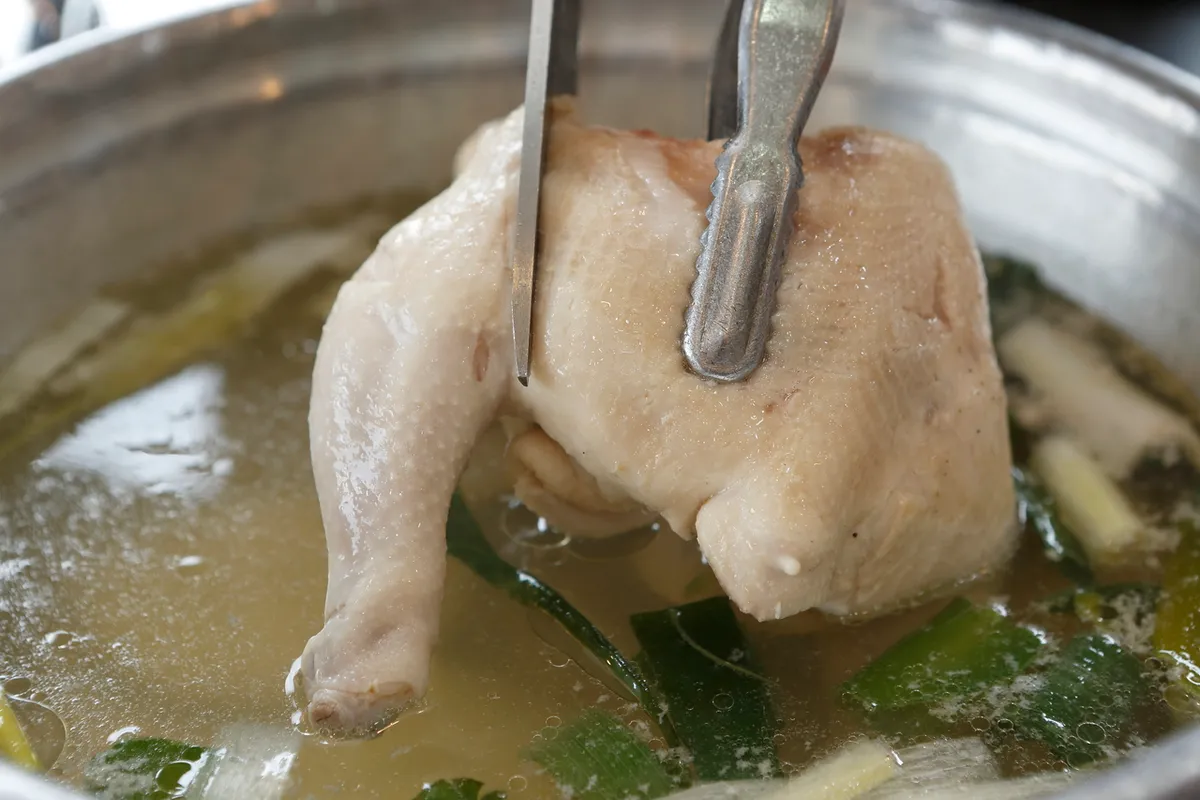
Korean rice dishes show how central bap, or cooked rice, is to everyday Korean dining. This guide introduces seven representative rice-based dishes that travelers are likely to meet in restaurants, markets, lunch counters, and regional food streets across Korea.
The list is not a ranking. It is a practical guide to different styles: mixed rice, rolled rice, soup with rice, fried rice, stone-pot rice, multigrain rice, and rice topped with seasoned ingredients.
Top 7 Korean Rice Dishes at a Glance
Rice can be the main bowl, the base for toppings, the filling inside seaweed rolls, or the final part of a soup meal. Korean rice dishes also vary by setting: some are common lunch choices, while others are tied to regional cooking or seasonal customs.
Bibimbap (비빔밥): rice mixed with vegetables, gochujang, and optional beef or egg.
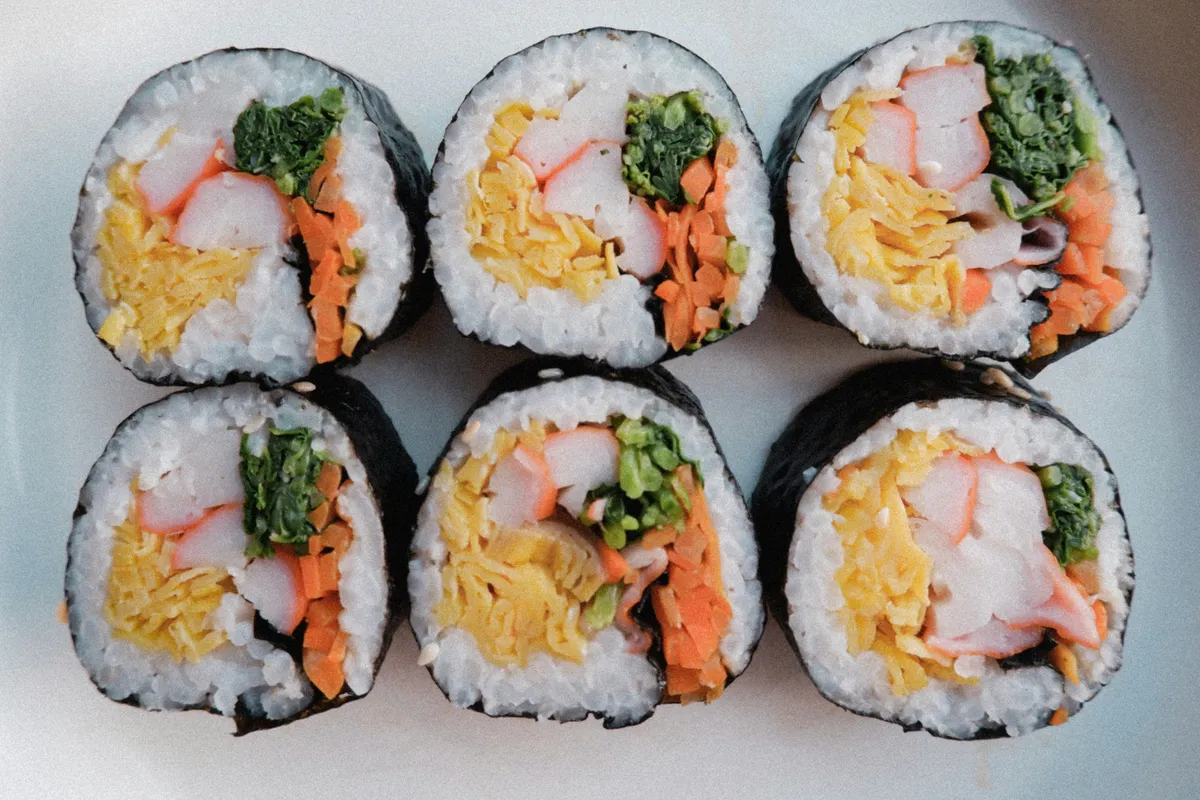
Gimbap (김밥): rice and fillings rolled in dried laver.
Gukbap (국밥): hot soup served with rice in the bowl or alongside it.
Kimchi bokkeumbap (김치볶음밥): fried rice cooked with chopped kimchi.
Dolsotbap (돌솥밥): rice cooked and served in a hot stone pot.
Ogokbap (오곡밥): five-grain rice associated with the first full moon of the lunar calendar.
Deopbap (덮밥): rice topped with cooked or seasoned ingredients.
1. Bibimbap: Korea's Mixed Rice Bowl
Bibimbap (비빔밥) means mixed rice. The bowl usually combines cooked rice with vegetables and gochujang chili paste, with beef or a fried egg often added depending on the restaurant.
The Korea Foundation entry describes bibimbap as rice topped with fresh and cooked vegetables and red chili pepper paste, then mixed before eating. It also records Jeonju and Jinju as cities known for distinctive regional styles.
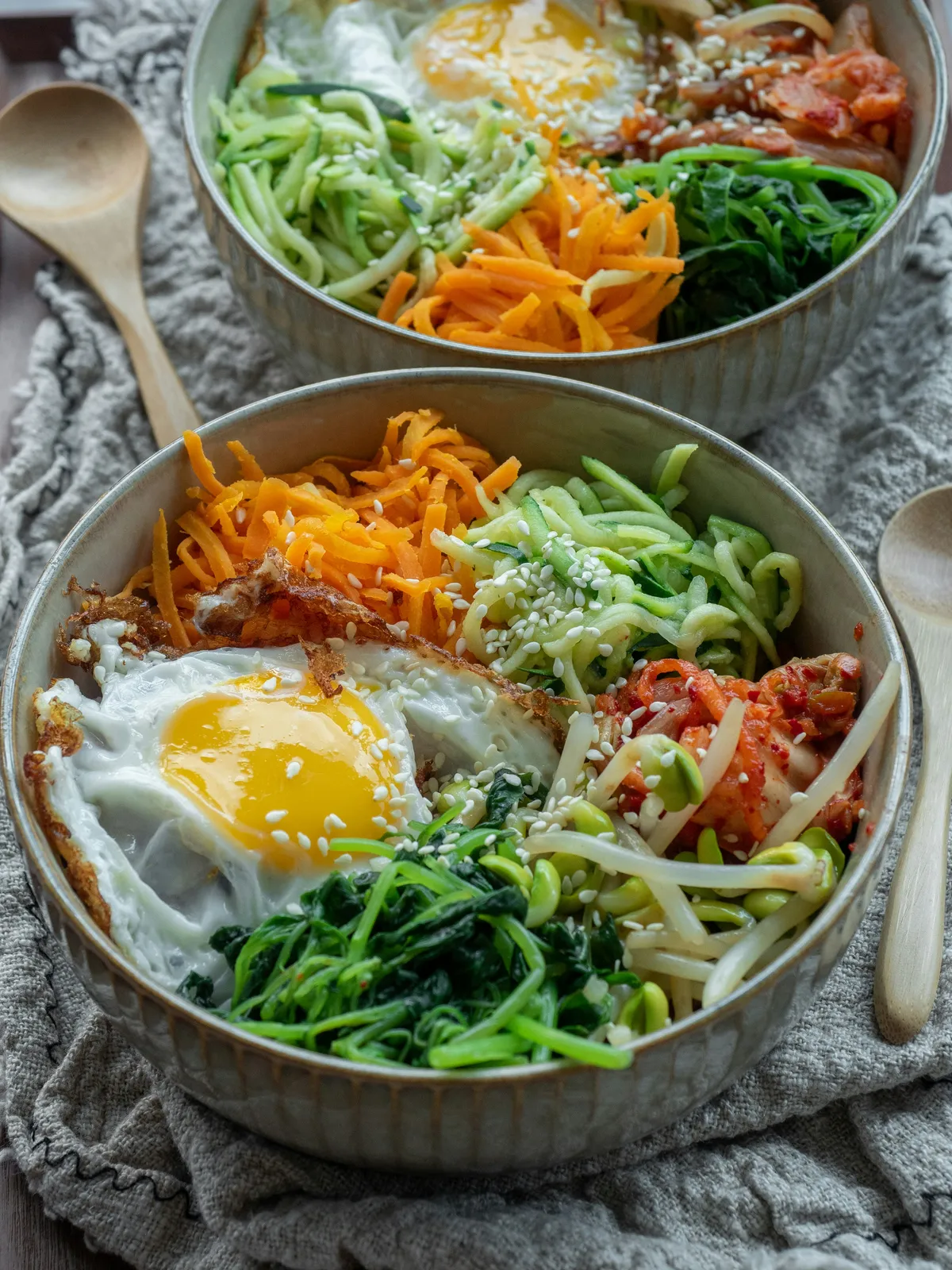
For travelers, bibimbap is useful because the dish is built in front of you as a complete bowl. Mix the rice and toppings thoroughly so the sauce, sesame oil, vegetables, and rice are evenly combined.
2. Gimbap: Rice Rolls in Laver
Gimbap (김밥) is rice rolled in dried laver with fillings such as egg, pickled radish, vegetables, and sometimes beef. The Korea Foundation standard English description is “Rice Rolls in Laver,” but the traveler-facing menu name is usually gimbap.
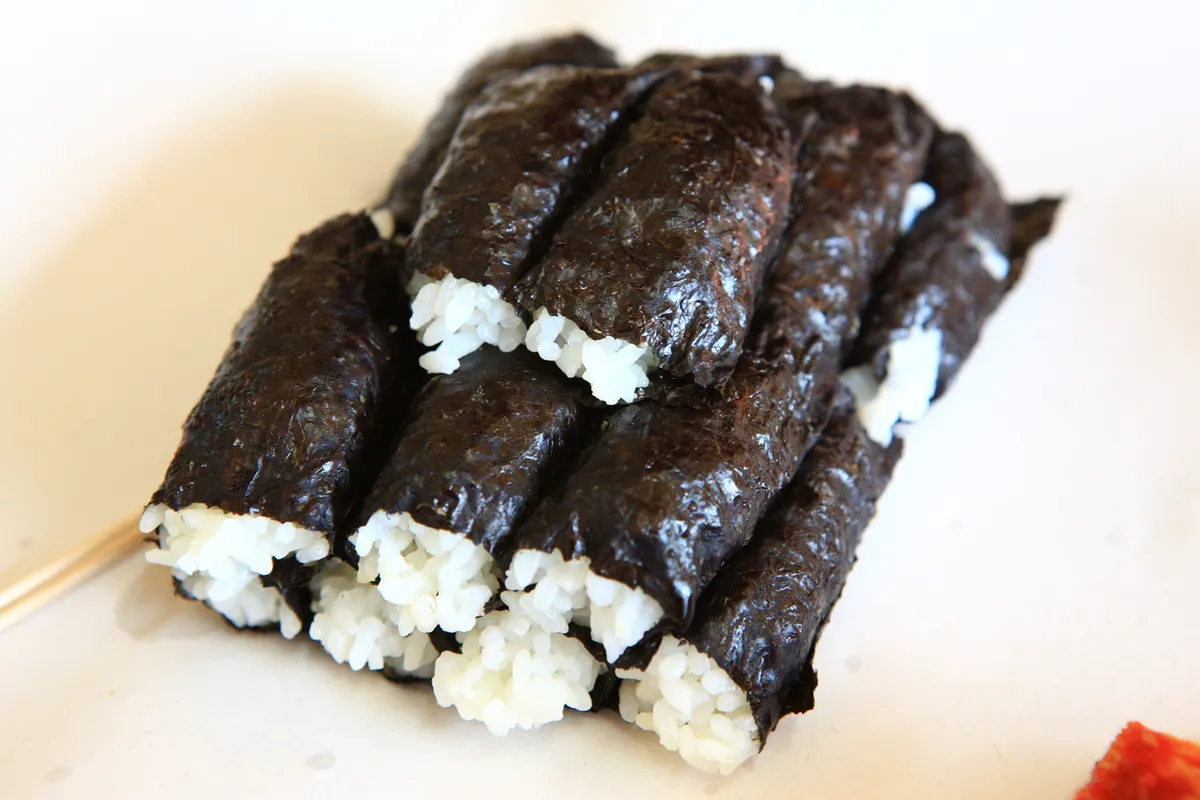
Gimbap is commonly sold as sliced rolls. It works well as a light meal, a snack during travel, or a convenient takeaway food for train stations, markets, and casual restaurants.
Some regional or specialty versions use fewer ingredients. Chungmu gimbap, for example, is typically served as small seaweed rice rolls with separate side dishes rather than a colorful filling inside each slice.
3. Gukbap: Soup with Rice
Gukbap (국밥) combines soup and rice in one meal. In many restaurants, rice may be served already inside the soup or separately so you can add it at your own pace.
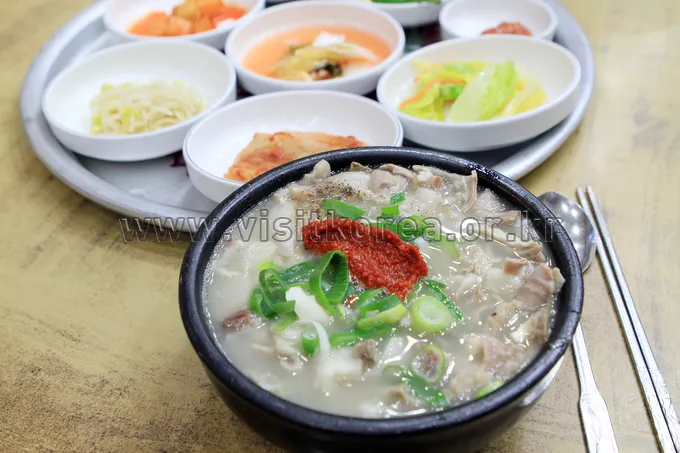
The Korea Foundation description defines gukbap as a main dish that brings together the traditionally separate bowls of rice and soup. This makes it one of the most direct examples of rice as the center of a Korean meal.
Regional versions vary by broth and main ingredient. Dwaeji gukbap uses pork broth, while beef-based rice soups appear under names such as janggukbap or ttaro-gukbap in some menus.
4. Kimchi Bokkeumbap: Fried Rice with Kimchi
Kimchi bokkeumbap (김치볶음밥) is fried rice cooked with chopped kimchi. The Korea Foundation entry notes that beef and other ingredients may also be added.
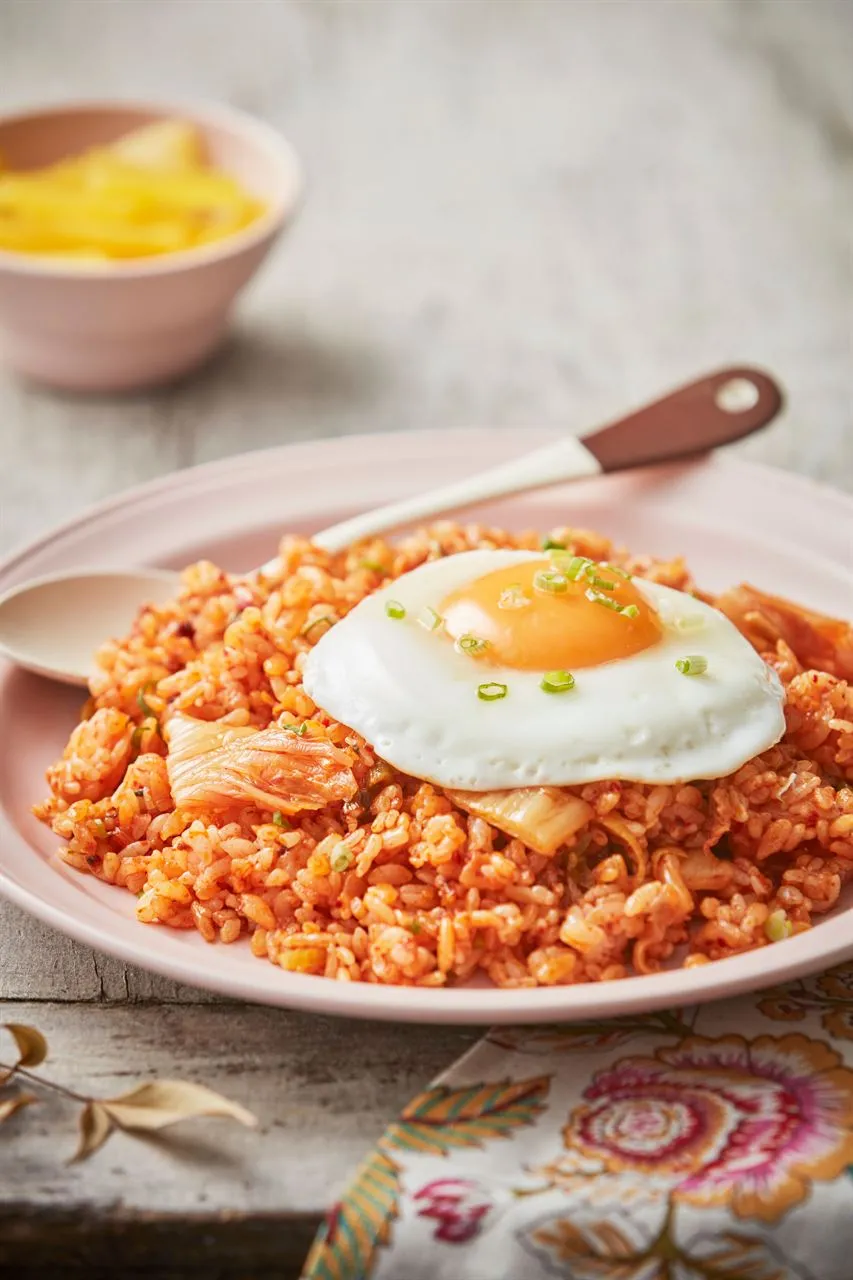
This dish is different from plain fried rice because kimchi gives the rice its main flavor. The taste depends on the kimchi used, so restaurant versions can range from mildly tangy to noticeably chili-forward.
It is often served as a single-plate meal. When ordering, travelers who prefer less heat can ask, “An-maep-ge hae-ju-se-yo” (안 맵게 해주세요), meaning “Please make it not spicy,” although kitchens may not be able to remove chili from kimchi itself.
5. Dolsotbap: Stone Pot Rice
Dolsotbap (돌솥밥) is rice cooked in a stone pot. The Korea Foundation entry describes it as stone-pot rice cooked with ingredients such as chestnuts, mushrooms, and jujubes.
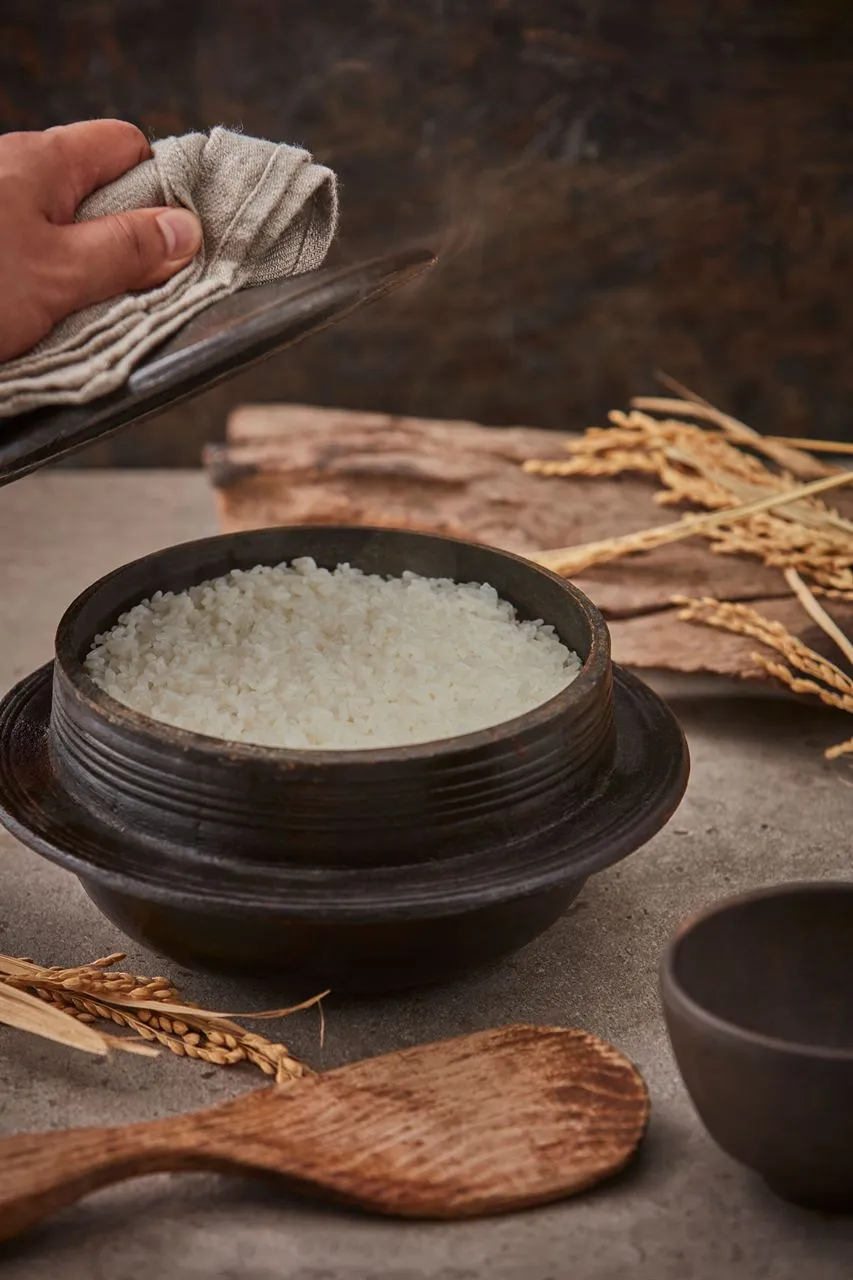
The stone pot is important because it keeps the rice hot at the table. In many Korean restaurants, the rice is scooped into a bowl first, then hot water is poured into the pot to make nurungji, the softened toasted rice left at the bottom.
Dolsotbap is often paired with side dishes and soup. It is a slower meal than gimbap or fried rice, so it fits better at sit-down restaurants than at quick snack counters.
6. Ogokbap and Barley Rice: Multigrain Korean Rice Dishes
Ogokbap (오곡밥) is five-grain rice. The Korea Foundation entry lists grains such as corn, red beans, beans, white rice, glutinous rice, and glutinous millet, and records its traditional link to the first full moon of the lunar calendar.
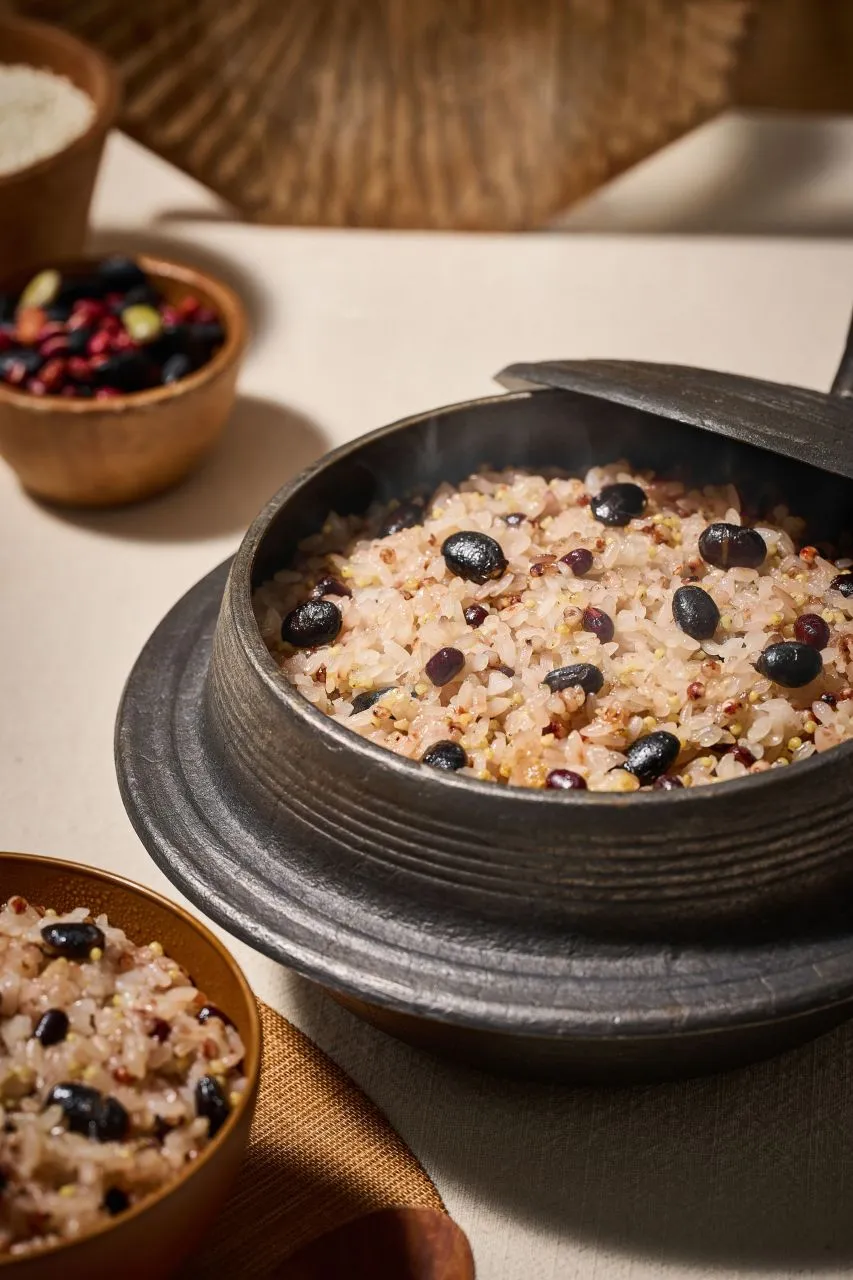
Multigrain rice also appears in everyday forms such as boribap (보리밥), or barley rice. These dishes show a different side of Korean rice culture: rice is not always plain white rice, and grains can be mixed for texture, color, and seasonal meaning.
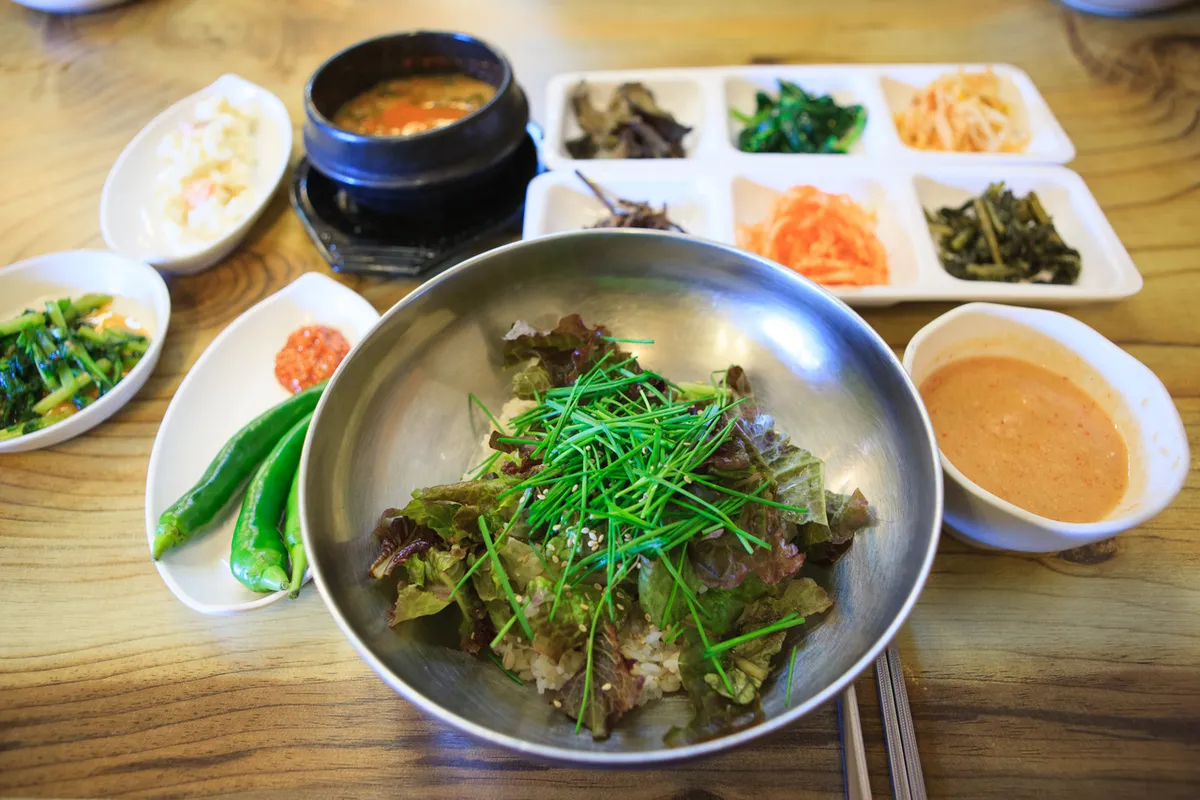
Travelers may find multigrain rice in traditional set meals, countryside restaurants, temple-food menus, and restaurants that focus on vegetables and side dishes.
7. Deopbap: Rice with Toppings
Deopbap (덮밥) refers to rice topped with another prepared ingredient. The word appears in many menu names, and the topping may be seafood, meat, vegetables, or a spicy stir-fry.
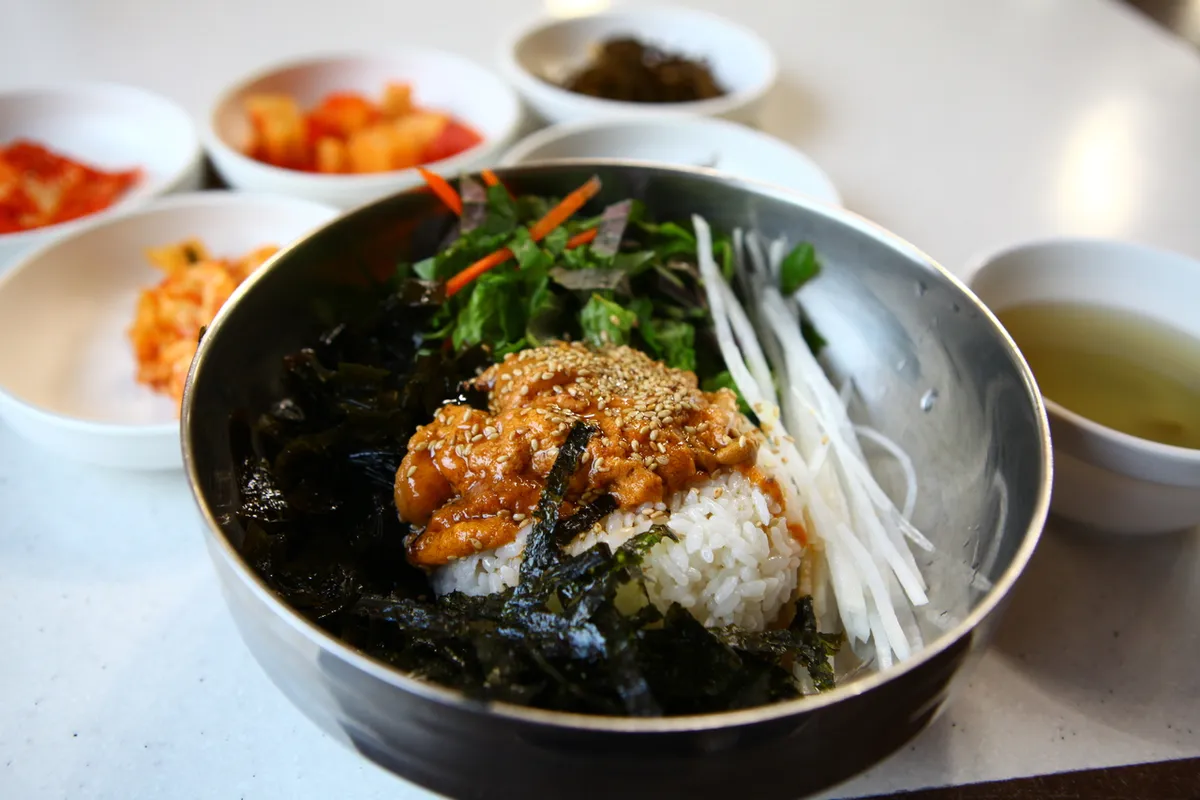
The Korea Foundation rice category includes examples such as ojingeo-deopbap, squid and vegetables stir-fried in red chili pepper sauce and served over rice. It also includes raw fish and vegetables over rice under the name hoe-deopbap.
Because deopbap is a broad menu format, read the full menu name before ordering. The word before “deopbap” usually tells you the main topping.
How to Order Korean Rice Dishes
For a first rice-bowl meal, bibimbap is the easiest place to start. It has a clear structure, and many restaurants can adjust how much sauce you use because gochujang is often served on top or on the side.
For a quick meal, choose gimbap or kimchi bokkeumbap. For a warmer sit-down meal, choose gukbap or dolsotbap.
For a more traditional rice-focused meal, look for ogokbap, boribap, or set menus built around rice, soup, and banchan. These are often less about one topping and more about the full table.
Frequently Asked Questions
What is the most common Korean rice dish for beginners?
Bibimbap is one of the most accessible Korean rice dishes for beginners because it is served as a complete bowl. The usual format is rice, vegetables, sauce, and optional egg or beef mixed together before eating.
Is gimbap the same as sushi?
No. Gimbap is Korean rice rolled in dried laver with fillings such as egg, pickled radish, vegetables, and sometimes beef. It is usually seasoned and served as a ready-to-eat roll, but it is not the same dish as Japanese sushi.
Are Korean rice dishes spicy?
Some are spicy and some are not. Kimchi bokkeumbap and many deopbap dishes can be chili-forward, while gimbap, plain dolsotbap, ogokbap, and many barley-rice set meals are often milder.
What does bap mean in Korean food names?
Bap (밥) means cooked rice, and it can also refer broadly to a meal in Korean. Food names ending in bap usually involve rice as the main base or central part of the dish.
Which Korean rice dish should I order with soup?
Gukbap is the clearest rice-and-soup choice because it combines soup and rice in one meal. Some restaurants serve the rice inside the soup, while others serve it separately so you can add it yourself.
Complete Your Korea Food Trip with TripKorea
Rice dishes are a useful starting point for understanding Korean meals because they connect bowls, soups, side dishes, and regional cooking styles.
For broader travel planning after choosing what to eat, browse TripKorea things to do in Korea.
Sources & References
Data Sources:
Korean Food Information: Korea Foundation Korean Food Database
Photos: Korea Tourism Organization PhotoKorea
Official Sites:
Last verified: 2026-08-21
Restaurant hours and menus subject to change. Please confirm directly before visiting.