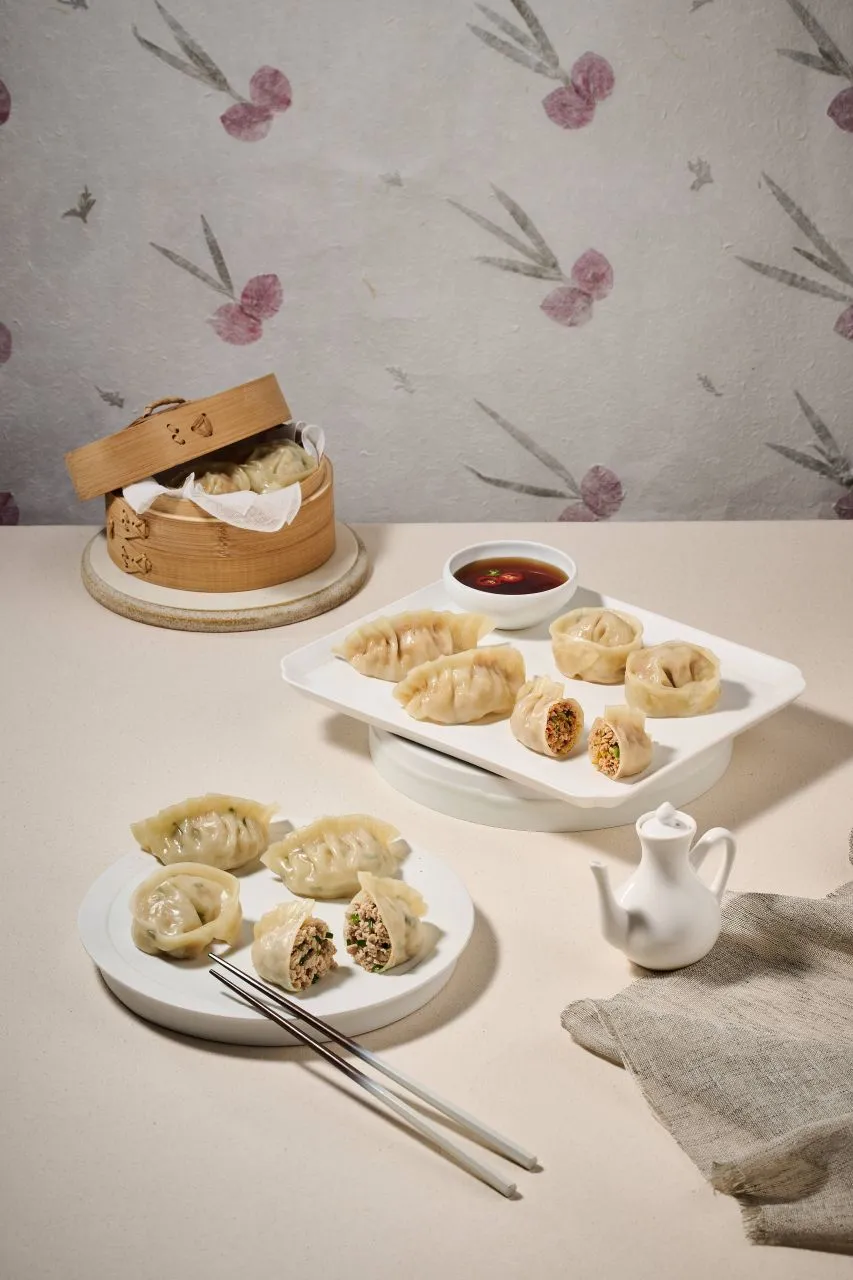
Korean mandu (만두) refers to dumplings served steamed, pan-fried, boiled, or simmered in soup. This guide explains the main styles travelers are likely to see on Korean menus, including kimchi mandu, steamed meat mandu, fried mandu, and manduguk.
Mandu can appear as a snack, a shared side dish, or a full meal depending on how it is cooked and served. The filling, wrapper, and broth make the difference, so the same word can point to several different dining experiences.
Korean Mandu: What the Name Covers
Mandu is the Korean word for filled dumplings. In a restaurant or market, the word usually means a wheat-based wrapper folded around seasoned filling, then cooked by steaming, boiling, or pan-frying.
Korea Foundation food entries classify several dumpling types under the mandu category. These include kimchi mandu, boiled dumplings, steamed dumplings, fish fillet dumplings, pheasant dumplings, and summer dumplings.
For travelers, the practical distinction is simpler: check whether the menu says steamed, fried, boiled, or soup. These cooking words tell you more about the dish than the English translation alone.
Kimchi Mandu and Other Common Fillings
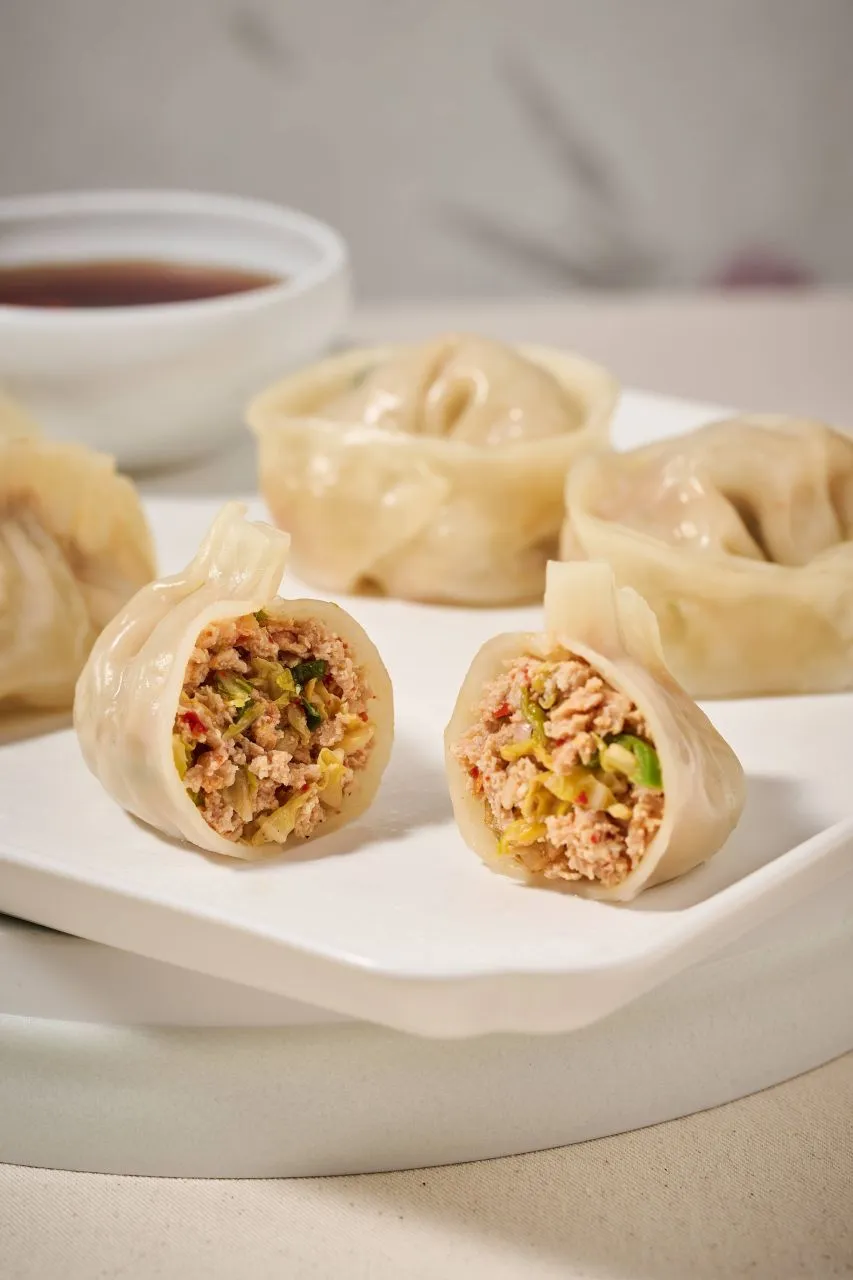
Kimchi mandu (김치만두) is one of the most recognizable Korean dumpling styles. Korea Foundation describes it as dumplings made with a filling that includes kimchi.
The filling often looks redder than plain meat dumplings because of the kimchi inside. It is a useful option for travelers who want a clearly Korean flavor rather than a plain dumpling filling.
Meat mandu is another common style. It is usually ordered as gogi mandu (고기만두), meaning meat dumplings, and is commonly served steamed or added to soup.
Vegetable, tofu, glass noodle, and seafood fillings may also appear, but ingredient details vary by restaurant. Travelers with allergies or dietary limits should ask the restaurant directly before ordering.
Steamed, Fried, and Boiled Mandu
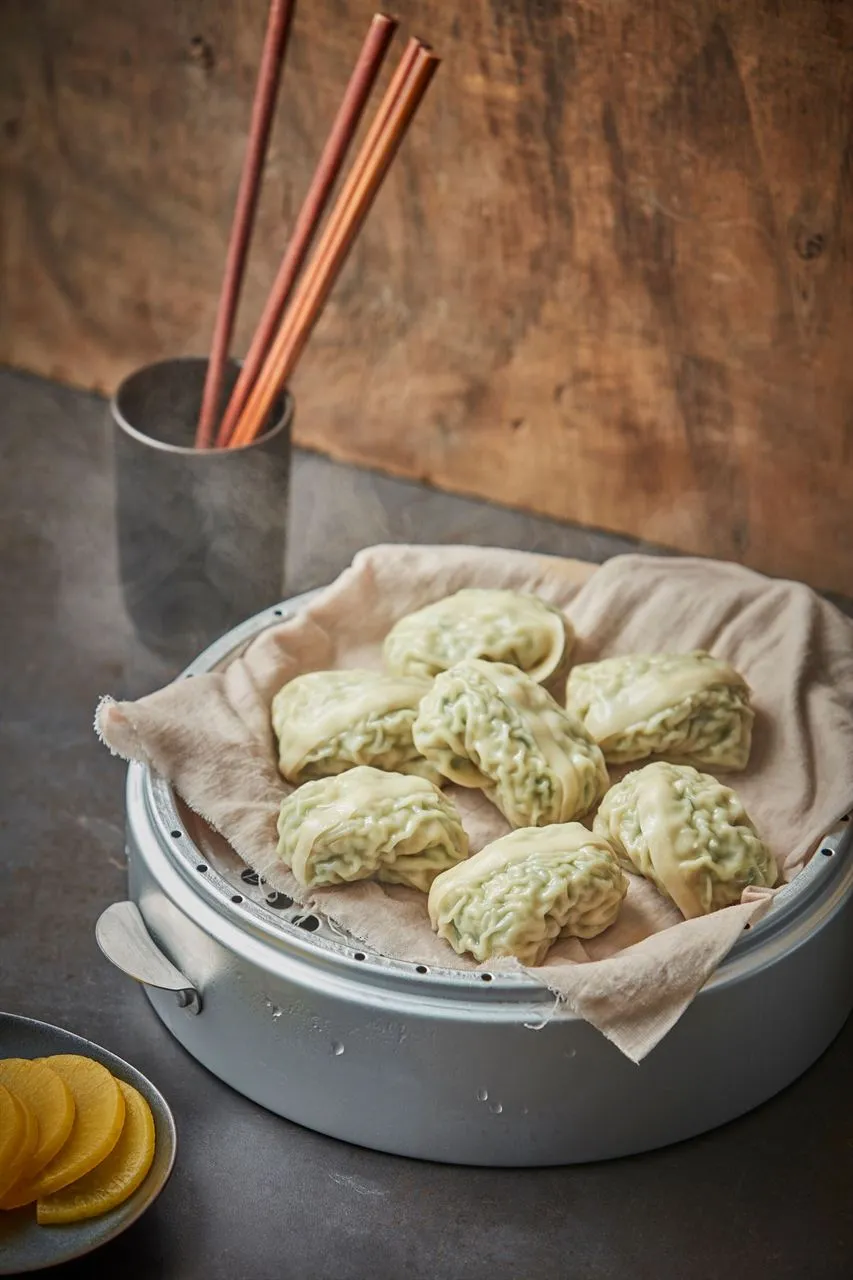
Jjin mandu (찐만두) means steamed dumplings. Korea Foundation defines steamed dumplings as dumplings cooked in a steamer.
This style keeps the wrapper soft and is often served with soy-based dipping sauce. In markets, steamed mandu may be displayed in trays or steamers and sold as a quick snack.
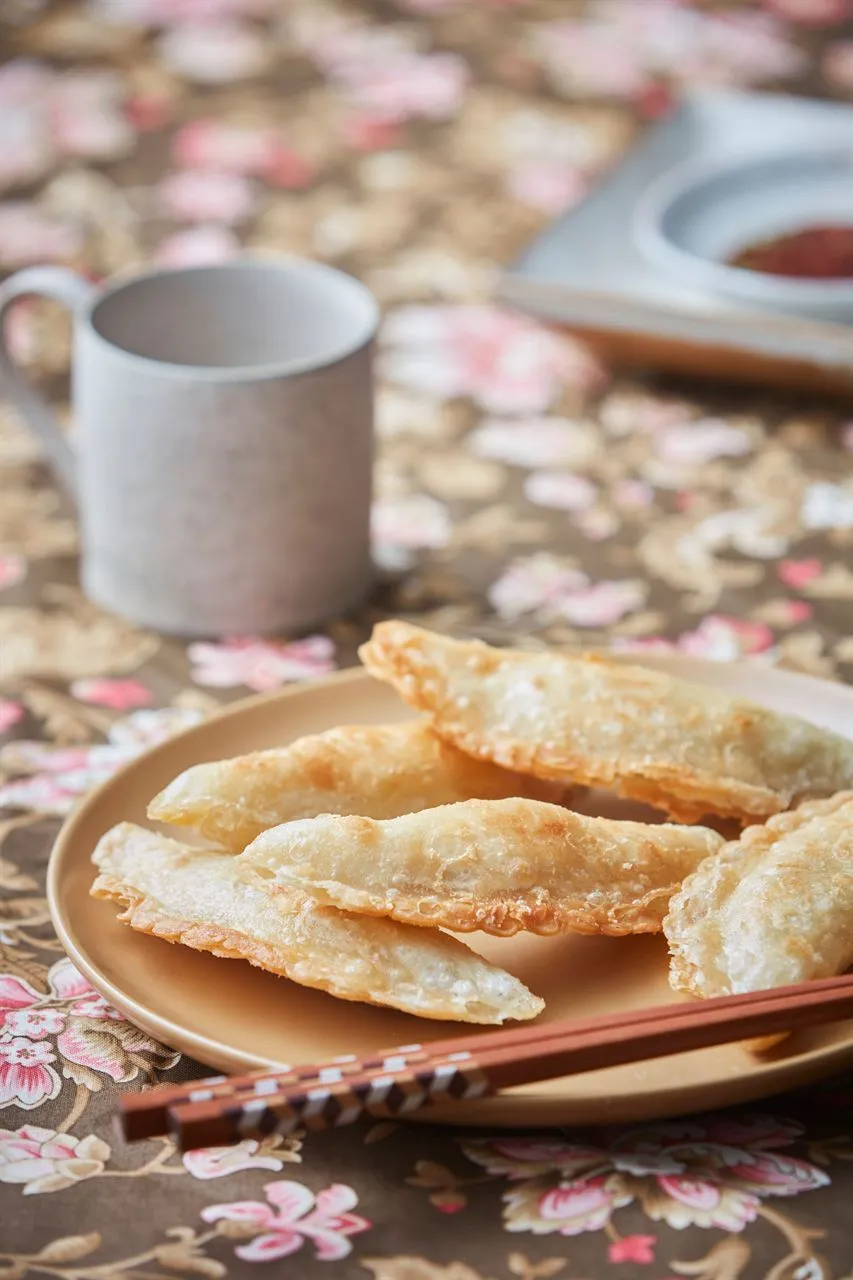
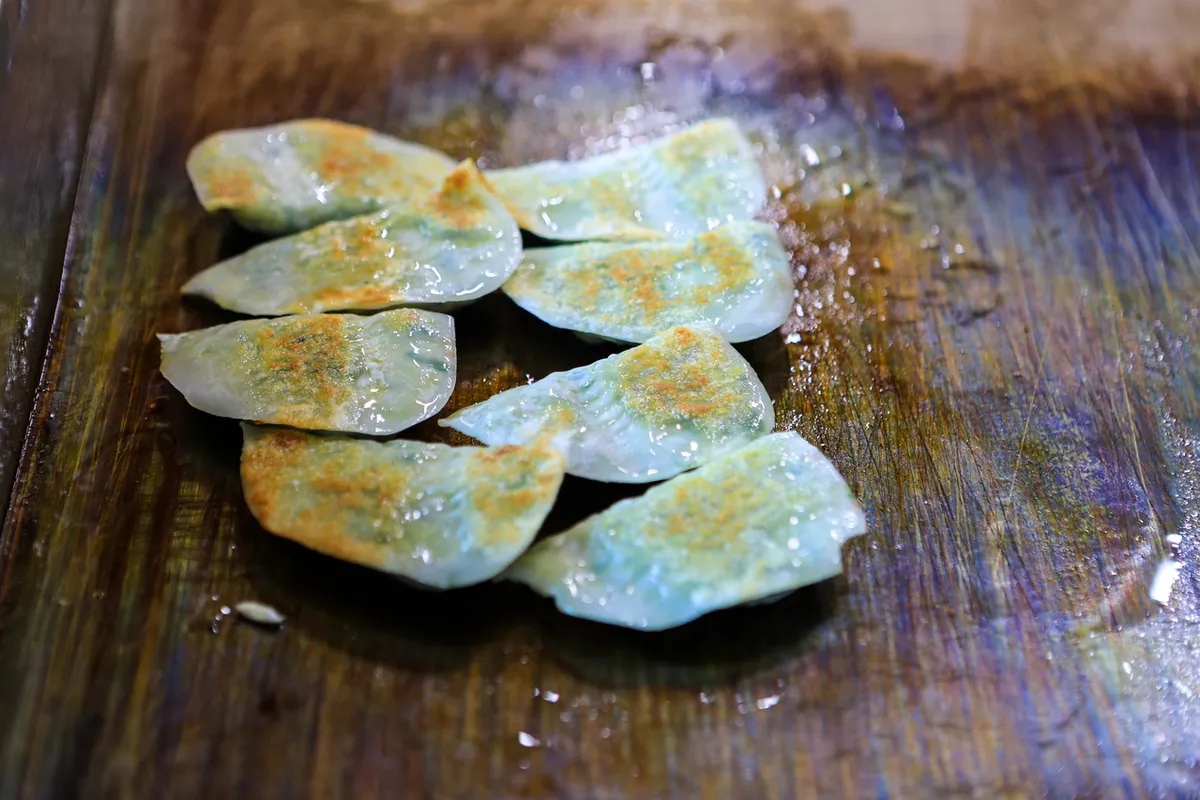
Gun mandu (군만두) means fried dumplings. The wrapper is browned on the outside, giving the dumpling a firmer texture than steamed mandu.
Mul mandu (물만두) means boiled dumplings. Korea Foundation describes this style as dumplings cooked in water or broth and served with soup.
Manduguk: Dumpling Soup for a Full Meal
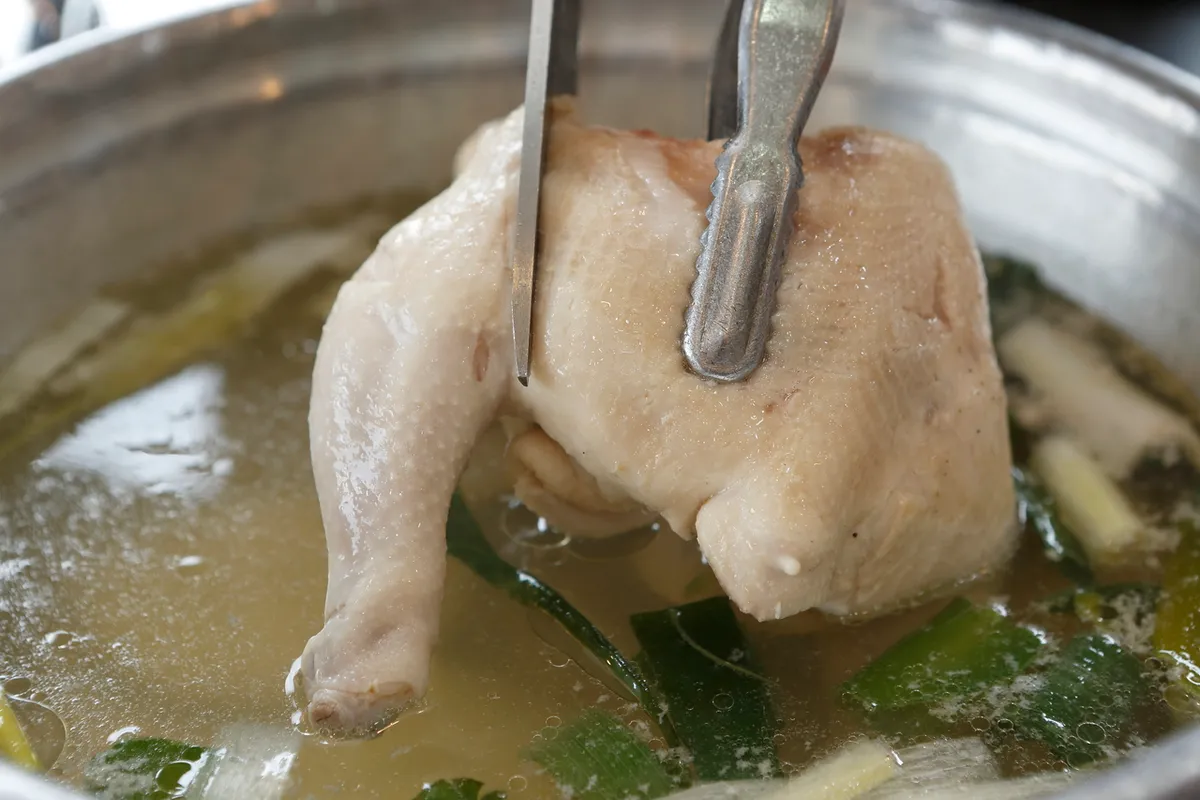
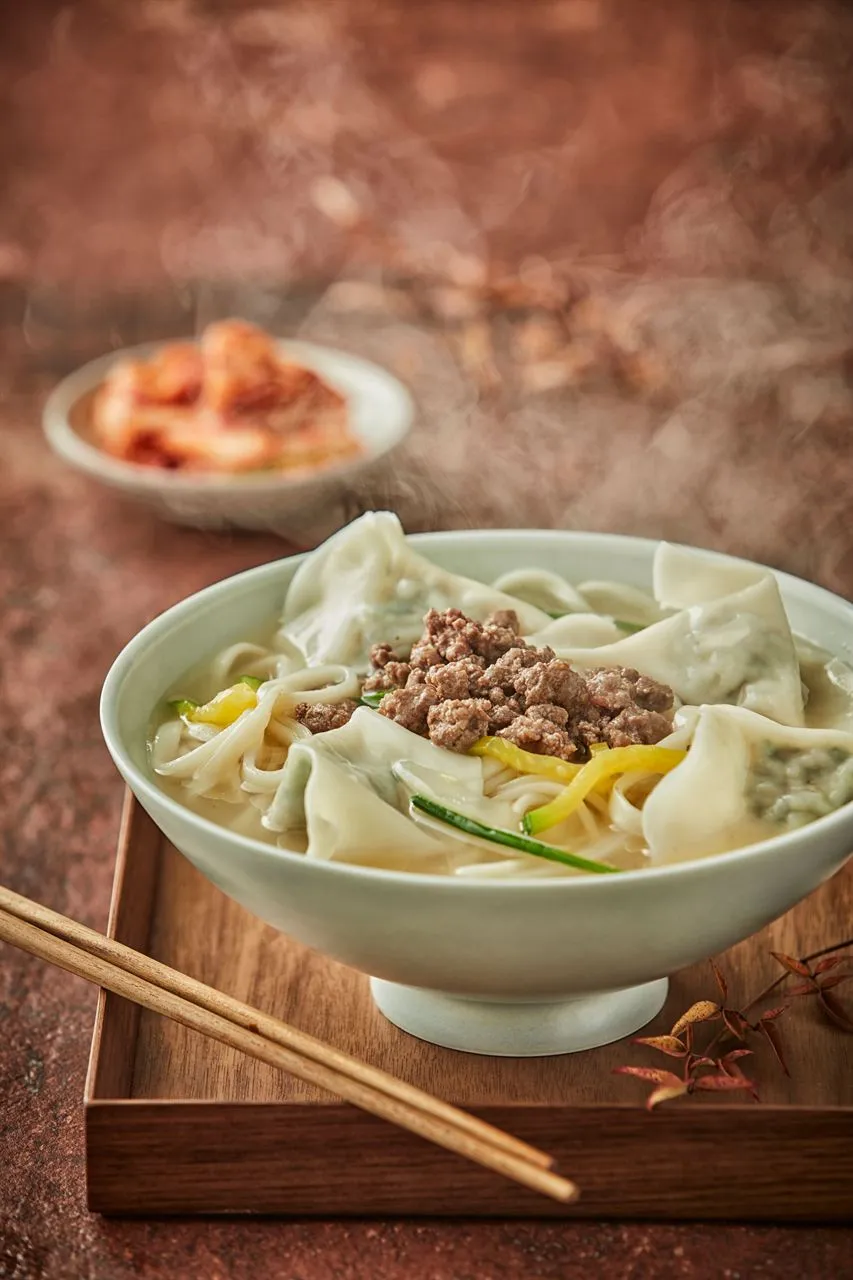
Manduguk (만둣국) is dumpling soup. It places mandu in a clear or lightly seasoned broth, usually turning the dumplings from a snack into a full bowl meal.
The dish is especially associated with winter meals and Korean holiday dining, although restaurants may serve it throughout the year. Some bowls include rice cakes, egg garnish, or sliced green onion depending on the restaurant.
If the menu lists tteok-manduguk (떡만둣국), it means rice cake and dumpling soup. This version combines sliced rice cakes with mandu in the same bowl.
Where Travelers Usually Find Mandu
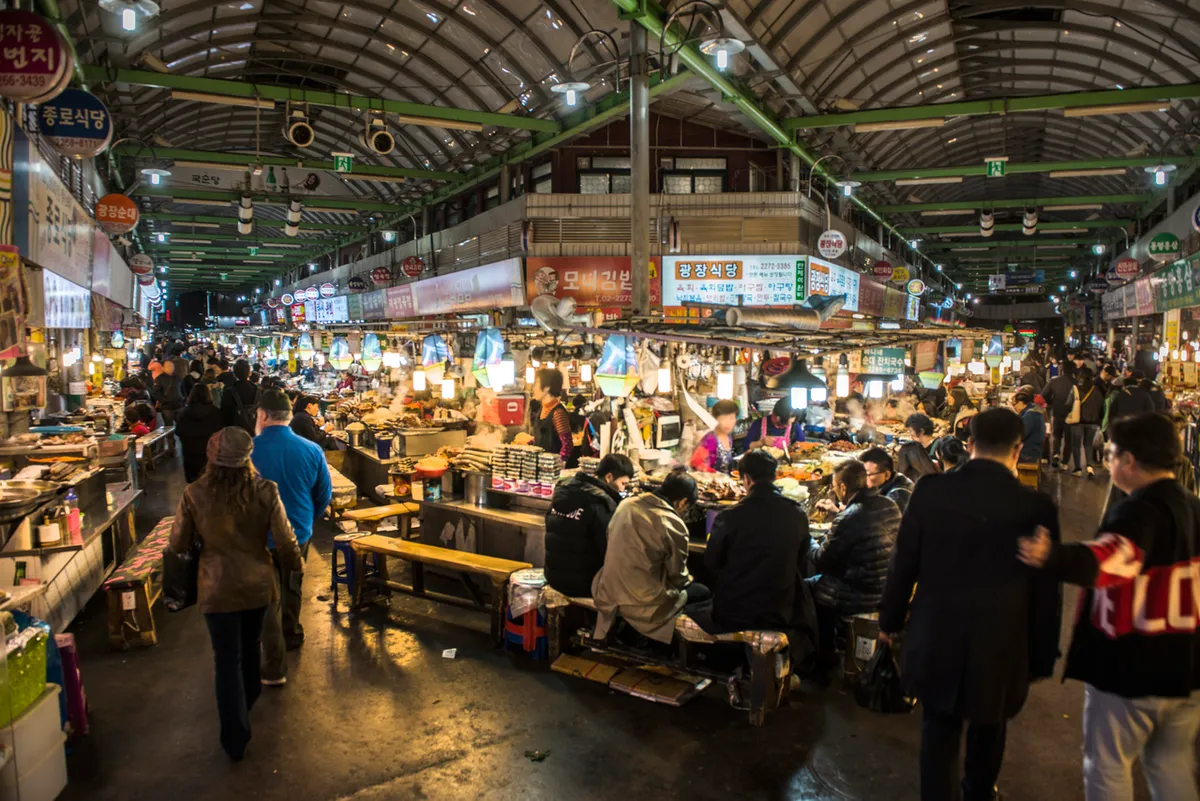
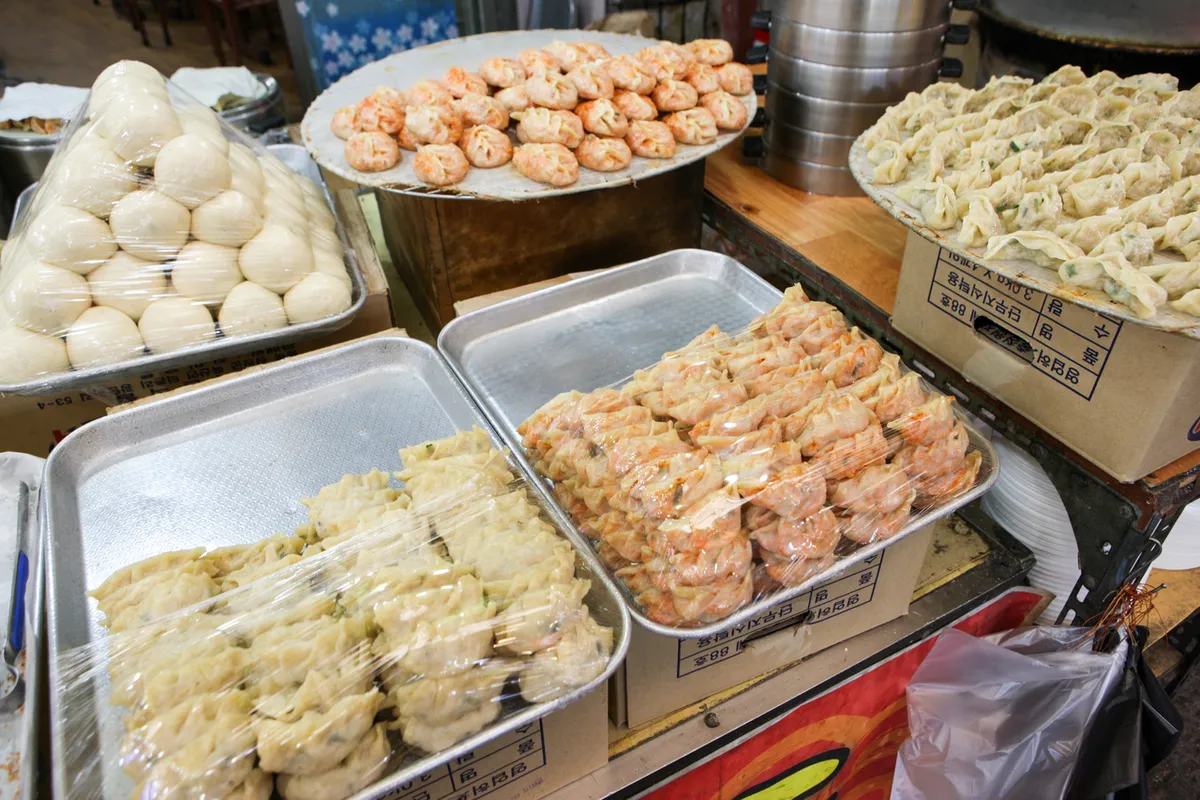
Mandu appears in several dining settings. Snack shops and market stalls may sell steamed or fried dumplings by the portion, while Korean restaurants may serve manduguk as a full meal.
Some noodle restaurants also serve mandu as a side order. In that setting, dumplings are often paired with kalguksu, naengmyeon, or other noodle dishes.
Traditional markets are a practical place to compare styles because steamed buns, mandu, and other flour-based snacks are often sold close together. The exact menu depends on the market and vendor.
How to Order Mandu in Korea
The most useful menu words are simple. Jjin mandu means steamed dumplings, gun mandu means fried dumplings, mul mandu means boiled dumplings, and manduguk means dumpling soup.
Kimchi mandu usually contains kimchi in the filling. Gogi mandu usually points to meat dumplings. If you do not eat pork, seafood, or shellfish, confirm the filling before ordering because recipes vary.
Many dumpling orders are served with a soy-based dipping sauce. Some restaurants serve pickled radish or kimchi on the side, but side dishes are not guaranteed at every stall or casual shop.
Useful Korean Phrases for Mandu
Jjin mandu juseyo (찐만두 주세요): Steamed dumplings, please.
Gun mandu juseyo (군만두 주세요): Fried dumplings, please.
Kimchi mandu isseoyo? (김치만두 있어요?): Do you have kimchi dumplings?
Gogi deureogayo? (고기 들어가요?): Does it contain meat?
Maeun gayo? (매운가요?): Is it spicy?
These phrases are useful in markets, casual restaurants, and small dumpling shops. For allergy questions, show the ingredient in writing and confirm directly with staff.
Frequently Asked Questions
What is Korean mandu?
Korean mandu is a dumpling made with a wrapper and filling. It may be steamed, fried, boiled, or served in soup depending on the dish.
Is kimchi mandu spicy?
Kimchi mandu can be spicy because the filling includes kimchi. The heat level varies by restaurant, so ask staff if you need a mild option.
What is the difference between mandu and manduguk?
Mandu refers to dumplings in general. Manduguk is dumpling soup, where mandu is served in broth as a bowl meal.
Can vegetarians eat mandu in Korea?
Some mandu may include vegetables, tofu, or glass noodles, but many versions contain meat or seafood. Vegetarian travelers should confirm the filling directly before ordering.
Where can travelers try mandu?
Travelers can find mandu at snack shops, traditional markets, noodle restaurants, and Korean restaurants. Menu availability varies by location.
Complete Your Korea Food Trip with TripKorea
Use mandu as a starting point for exploring Korean market snacks, soup dishes, and casual restaurant meals.
Browse Korean food tours and activities on TripKorea
Sources & References
Data Sources:
Korean Food Information: Korea Foundation (한국국제교류재단) Korean Food Database
Photos: Korea Tourism Organization Photo Korea
Official Sites:
Last verified: 2026-08-23
Restaurant hours, recipes, and menus subject to change. Please confirm directly before visiting.