Korean accommodation includes hotels, motels, pensions, guesthouses and hanok stays. Korea hotels, motels & pensions describe different lodging options, but a name alone does not establish the sleeping arrangement, included services or legal business category. This guide explains the labels and the room details to confirm before reserving a stay anywhere in Korea.
Accommodation Labels and Legal Categories
Read an accommodation description on three levels: the name used for travelers, the business category under Korean law, and the particular room or rate being sold. These answer different questions. A name helps identify the style of lodging; registration concerns the operation; the selected room and reservation terms establish what you are booking.
The word pension (펜션) illustrates the distinction. Korean public legal guidance separates pensions reported as lodging businesses, designated tourist pensions, rural homestay pensions and Jeju recreation pensions. The same everyday label can therefore describe businesses operating under different legal frameworks. Do not treat an English category filter as confirmation of a specific registration.
Hotels and hostels also appear in public explanations of statutory accommodation categories. However, the word hotel (호텔) on a sign is not enough to identify the business: some Korean motels use “hotel” in their names. Likewise, a guesthouse description and a hostel business classification should not be treated as interchangeable without checking the operator’s information.
For booking purposes, start with the property’s stated identity and full address, then read the selected room description. If registration status is material to your decision, request the operator’s declared business category and confirm it with the responsible local authority. A photograph or commercial name cannot resolve that question.
Korea Hotels, Motels & Pensions: Hotels and Motels
Korea’s hotel options include business hotels and five-star hotels, as well as international and Korean brands. The category covers different service arrangements, so identify the facilities you need rather than assuming they follow from the name. Check whether the chosen rate includes breakfast and whether any advertised restaurant, pool or other facility is available during your stay.
Motel (모텔) is an accommodation label used in Korea, including for properties in downtown areas. Some motels have room features such as whirlpool baths or computers; those are examples of variation, not standard inclusions. A motel photograph with a large bath does not mean every room has one, and a hotel-style name does not remove the need to check the actual room offer.
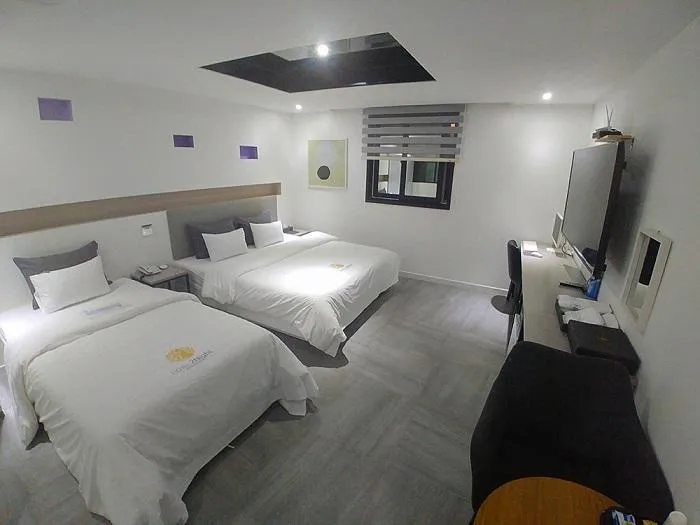
The photograph illustrates one motel room published in Korea’s official tourism accommodation guide. It is not a promise about other motel rooms or a recommendation of a particular property. Judge the room by its stated bed arrangement, bathroom, occupancy and booking conditions rather than by assumptions imported from the word “motel” in another country.
Do not infer an adults-only restriction, a safety assessment or eligibility to stay from the motel label. Where the reservation requires information about ages, identification or accompanying guests, obtain the property’s actual requirements before paying. Confirm that the offer covers an overnight stay and that its arrival and departure times match your plans; do not rely only on a headline price.
Pensions: Read the Facilities, Not Just the Theme
A Korean pension is not one fixed building or room format. The tourism description ranges from small lodging facilities and home-like properties to resort-style pensions and pool villas. Themes can include pools, private sauna facilities or amenities intended for children. These descriptions help explain the range; they do not establish that every pension has the same equipment.
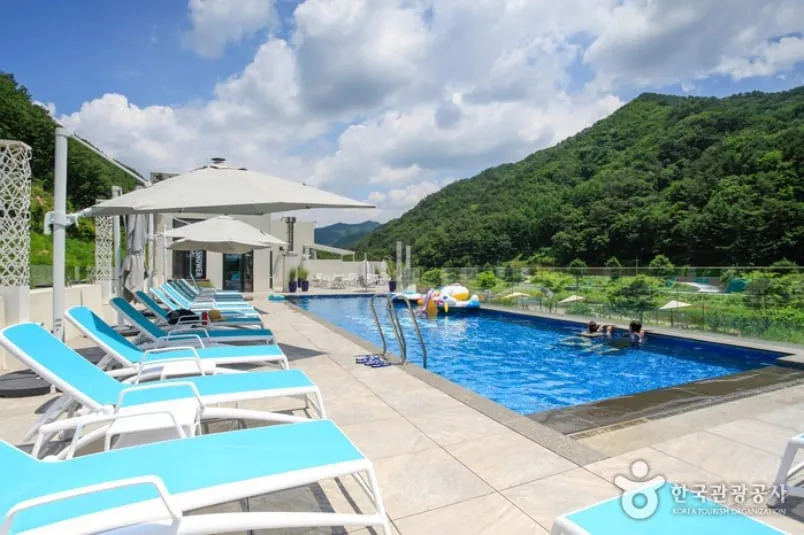
For a pool villa, ask which pool belongs to the room being reserved and whether it is private or shared. Check operating dates, access hours and any additional charge in the offer. A pool photograph is not evidence that the pool is available for every booking, or that the entire property is reserved exclusively for one group.
Cooking and barbecue require separate questions. Do not assume that a property called a pension includes an in-room kitchen, cookware or unrestricted cooking. Confirm the equipment provided, the permitted cooking area and any restrictions. Some pensions rent barbecue equipment or provide a meal, while others do not offer barbecue options at all.
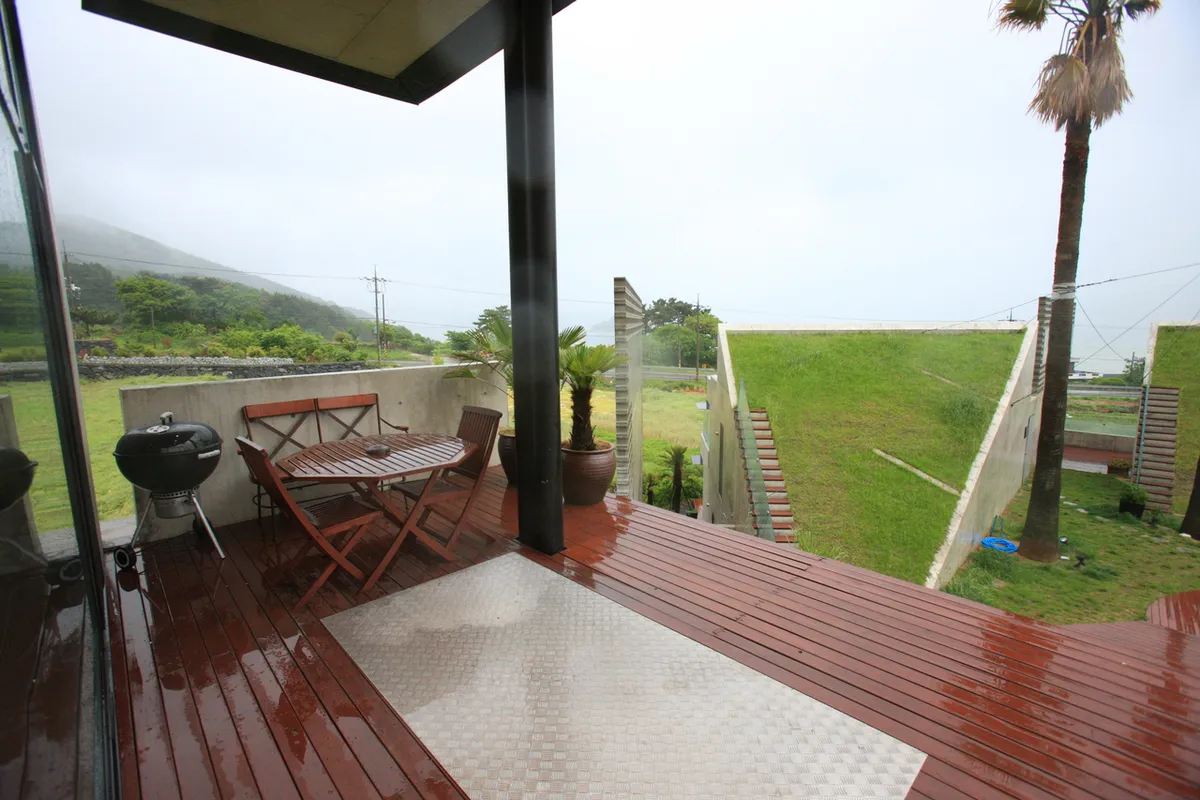
A grill in an illustrative terrace photograph shows that particular photographed setup, not what another pension supplies. If cooking is central to the stay, ask whether the selected room has cooking facilities and whether the barbecue requires advance arrangement or an additional payment. Keep a written answer with the reservation rather than interpreting an exterior photograph as a facilities list.
Children, pets and breakfast are also property-specific. Pensions include child-oriented and pet-friendly options, but some do not accept children or pets. Some offer breakfast free of charge or for a fee. Enter the full traveling party when checking availability, and confirm eligibility and the total cost for the exact room and dates.
Guesthouses and Hanok: Privacy and Sleeping Arrangements
Guesthouse (게스트하우스) does not mean dormitory only. Korean guesthouses include dormitories and rooms for one or two people, and there are female-only options. Identify whether the offer is for one bed in a shared room or for an entire room. A bunk bed identifies a sleeping arrangement in a photograph; it does not, by itself, explain who may occupy the room.
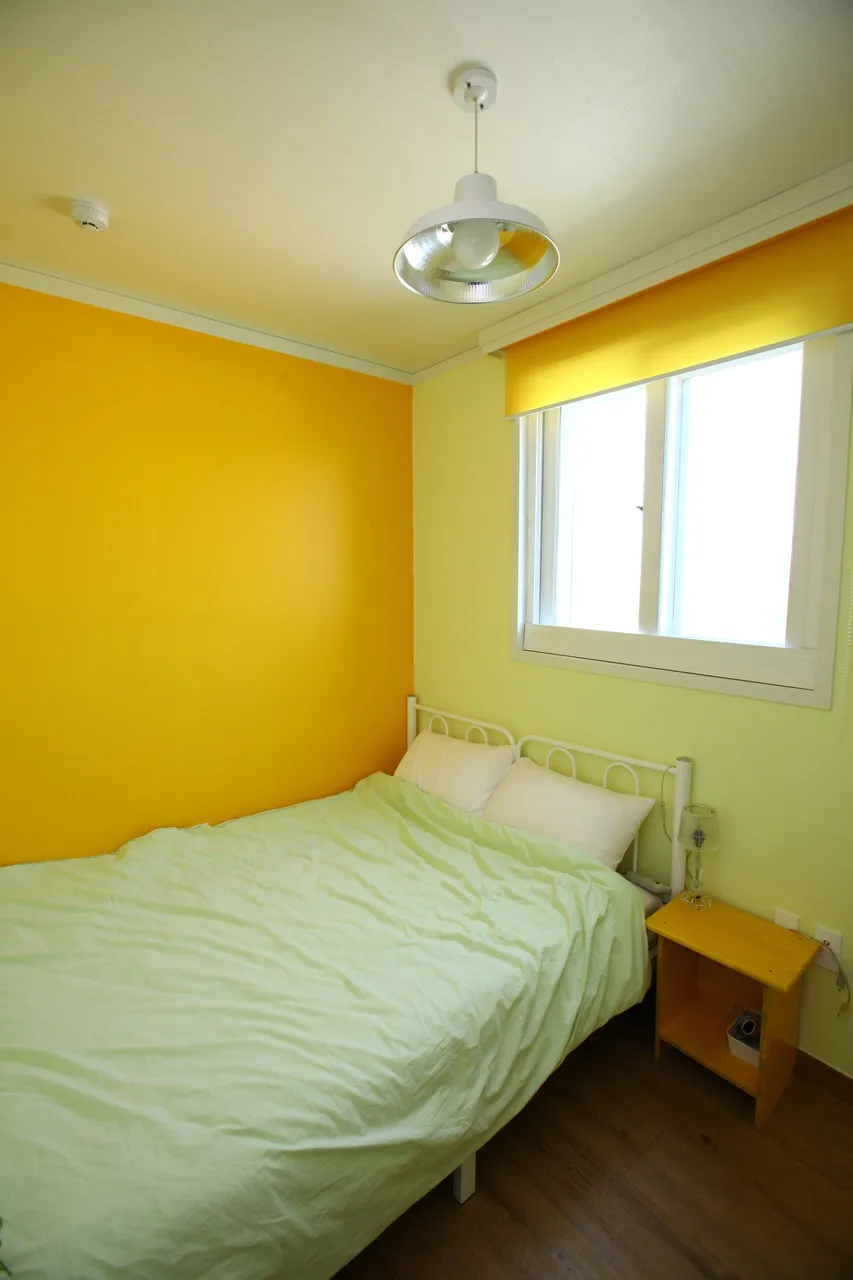
A room with one raised bed and a dormitory-style room answer different needs, but both can appear under the guesthouse label. For a private-room reservation, verify whether only the sleeping space is private or whether the bathroom is private as well. Korea’s official guesthouse guidance explicitly notes both private and shared bathrooms and advises checking in advance.
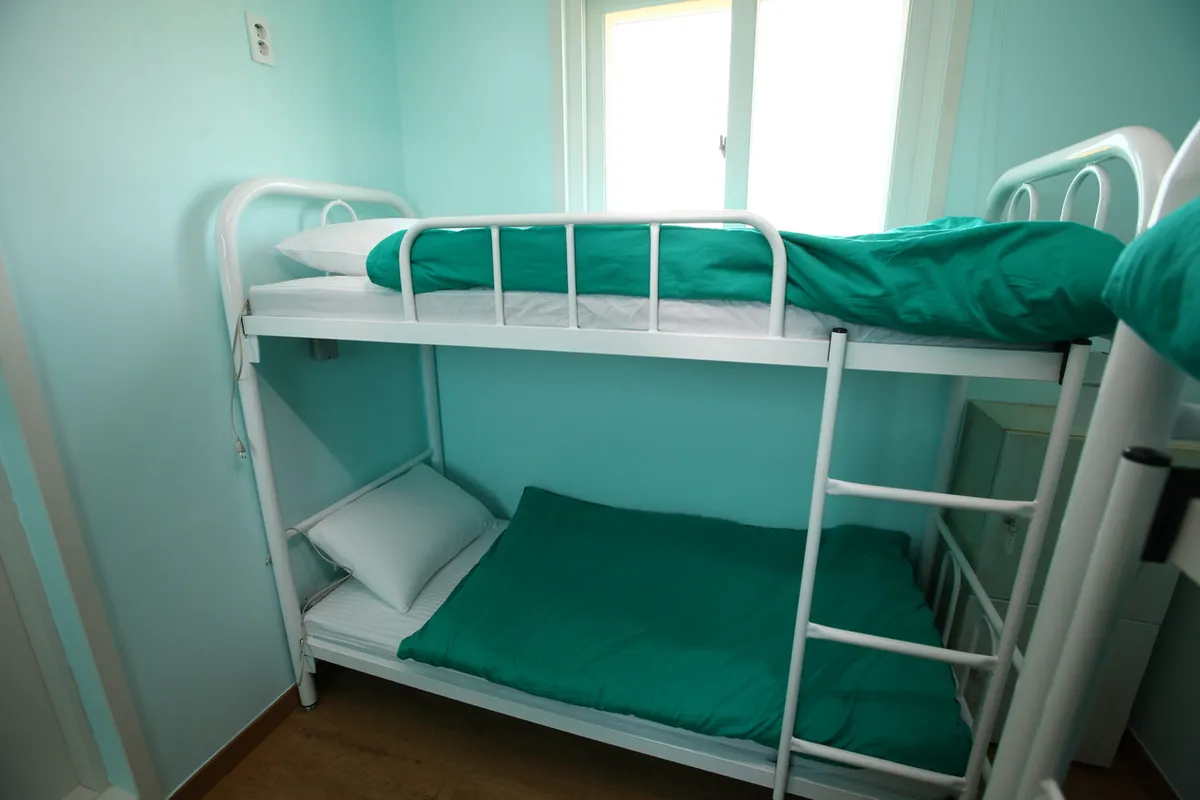
The atmosphere also varies. Some guesthouses hold parties, while others offer a quieter stay. If night-time noise matters, ask about scheduled social events and house rules. Where breakfast is advertised, check whether it is included in your rate and when it is served. Parking and any tour programs should be confirmed separately rather than inferred from the category.
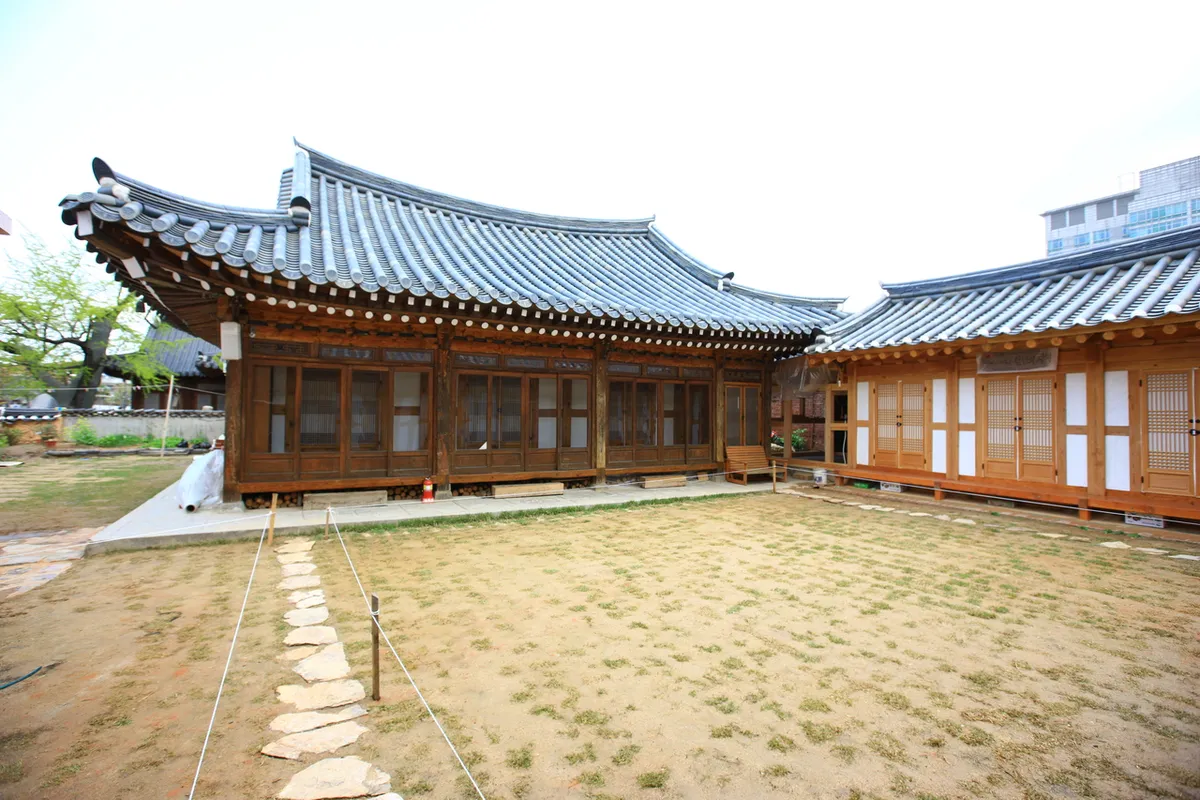
Hanok (한옥) means a traditional Korean house, and hanok accommodation describes the building style rather than a single sleeping arrangement. Traditional timber structures and courtyards can appear alongside modern adaptations. Some hanok stays provide cultural activities, but a tea ceremony or cooking class should be treated as a specific advertised program, not an automatic part of the reservation.
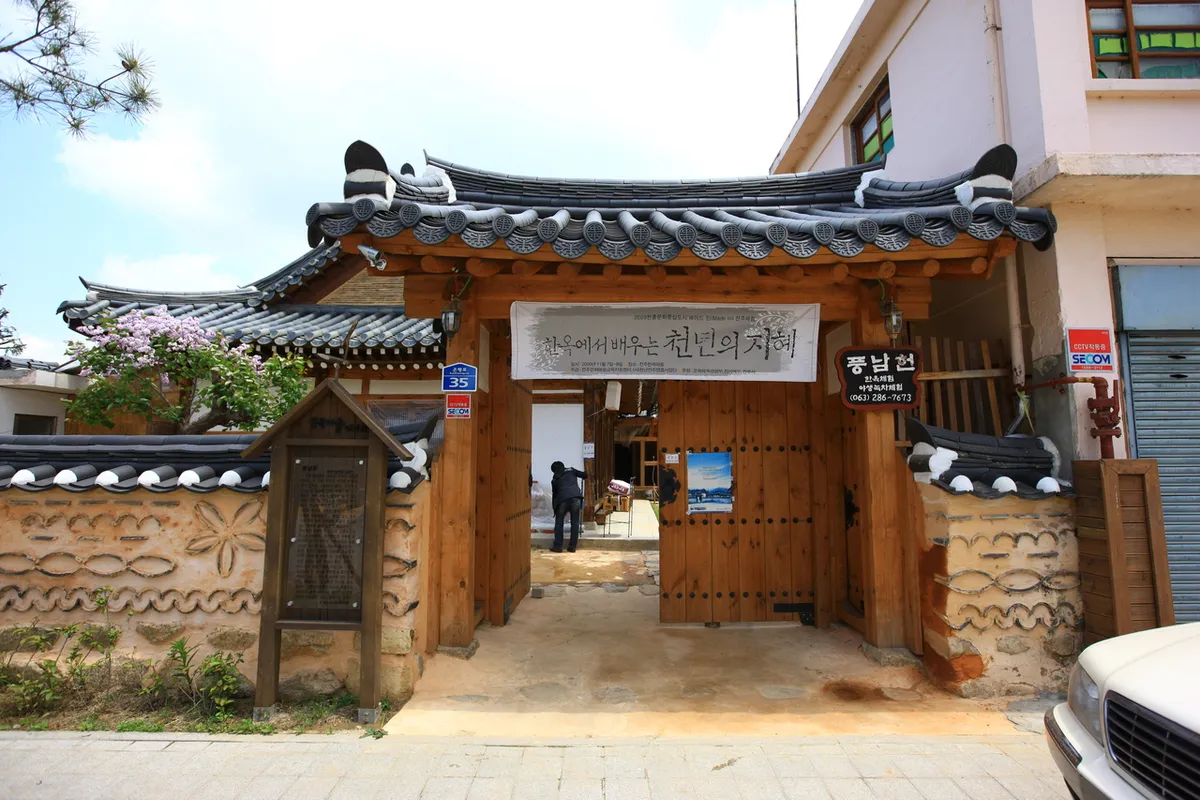
Many hanok accommodations use mats and blankets on the floor; others provide beds. If sleeping on a raised bed is necessary, reserve a room explicitly described as having one and check its photographs. A traditional exterior does not tell you whether the room has a bed, what bathroom arrangement it uses or which modern facilities are included.
An ondol description refers to underfloor heating; confirm the sleeping setup separately instead of assuming it means either a raised bed or floor bedding. Ask about the actual bedding supplied, particularly when more guests are allowed than the number of beds shown. In a hanok, follow the operator’s fire and building-care instructions; wooden structures and any protected historic elements require care.
Booking Checks That Matter More Than the Label
Compare the same needs across different accommodation types. Begin with the room: the number and arrangement of beds, whether floor bedding is involved, the occupancy allowed and the bathroom available to that room. For a shared-room booking, check any stated guest restrictions and which facilities are communal. Do not assume a photograph of a common space depicts the room included in the rate.
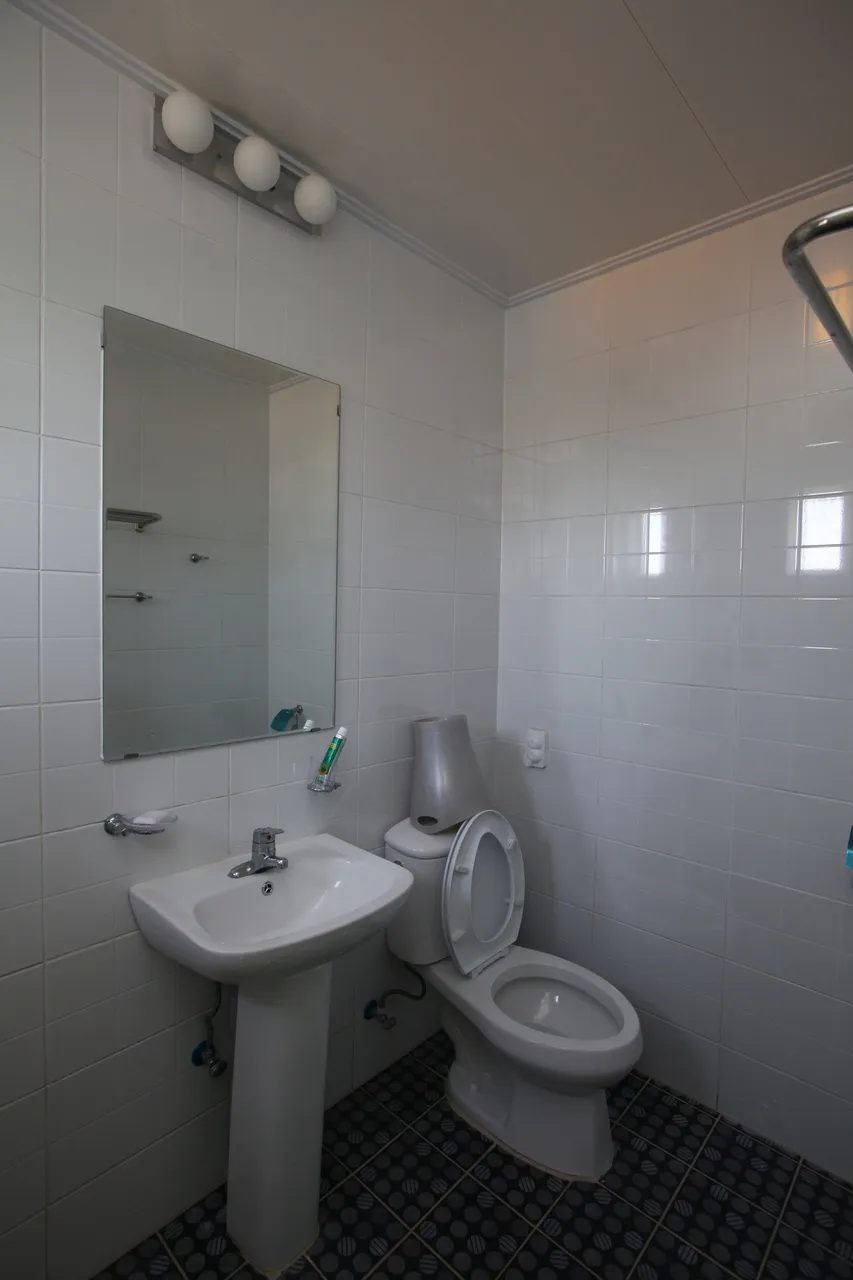
Bathroom access is a separate booking detail. Ask whether it is inside the room, reserved for that room elsewhere in the building or shared with other guests. If a bathtub or a particular shower arrangement is necessary, seek confirmation for the selected room. A general bathroom photograph does not establish access rights or show every room’s facilities.
Next, check arrival arrangements. Obtain the earliest check-in time, the latest permitted arrival and the method for receiving access. If the property uses an access code or a meeting with the operator, confirm how the instructions will reach you. Ask separately about luggage storage, early arrival or late departure when needed; do not assume those services are included.
Read service terms alongside the facilities. Confirm breakfast, housekeeping, towels and any equipment you intend to use. For a longer stay, ask how room cleaning or replacement supplies are arranged. If accessibility matters, request the details relevant to you, such as step-free access and the route to the room, rather than treating an accommodation label as proof of suitability.
Before payment, review the total for the selected dates and guests, including any separately stated facility or extra-person charges. Read the cancellation deadline, any no-show conditions and how changes must be requested. Ask what identification the operator requires and whether any deposit applies to your booking. This guide does not prescribe a nationwide check-in time, minimum age, identification rule, deposit or cancellation schedule.
For an unclear offer, request a written reply tied to the room and reservation dates. A focused question is easier to answer than “What is included?”: “Does this room have two separate beds and a bathroom inside the room?” or “Is breakfast included in this rate for every guest?” Keep the answer and the booking confirmation together so that the agreed details remain available on arrival.
Frequently Asked Questions
Is a Korean motel the same as a hotel?
Not necessarily. Some Korean motels use “hotel” in their names, so the name alone does not establish the business category or room services. Check the selected room and reservation conditions, and ask the operator if the classification matters to your booking.
Does every pension in Korea have a kitchen or barbecue?
No such guarantee follows from the label. Confirm cooking facilities for the selected room, and ask separately about barbecue equipment, availability and charges. Official pension guidance notes that some pensions do not offer barbecue options.
Does a guesthouse reservation include a private bathroom?
Not automatically. Korean guesthouses include private and shared bathrooms, as well as private rooms and dormitories. Confirm the bathroom arrangement attached to the exact room or bed being reserved.
Do all hanok stays require sleeping on the floor?
No. Many hanok stays use mats and blankets on the floor, while others have rooms with beds. Reserve a room that explicitly matches your sleeping preference rather than relying on the building’s exterior.
What check-in time applies to Korean accommodation?
Use the time specified for your reservation, and confirm late-arrival arrangements directly with the operator. This guide does not set a common check-in time for hotels, motels, pensions or guesthouses. Early access and luggage storage should be checked separately when needed.
Choose by the Room and Reservation
When comparing Korea hotels, motels & pensions, use the label to understand the range and the room conditions to make the decision. Match sleeping arrangements, bathroom privacy, facilities and arrival terms to the stay you need. Resolve any essential detail with the operator before reserving rather than assuming that a category name supplies the answer.
Sources & References
Accommodation descriptions and booking considerations:
Korea Tourism Organization — Accommodations in Korea
Korea Tourism Organization — Guesthouses
Korea Tourism Organization — Pensions
Korea Tourism Organization — Hanok Accommodations
Ministry of Government Legislation, Easy to Find Practical Law — Pension Businesses (Korean)
Ministry of Government Legislation, Easy to Find Practical Law — Types of Accommodation Businesses (Korean)
National Institute of Korean History — Ondol, Korea’s Underfloor Heating System (room terminology).
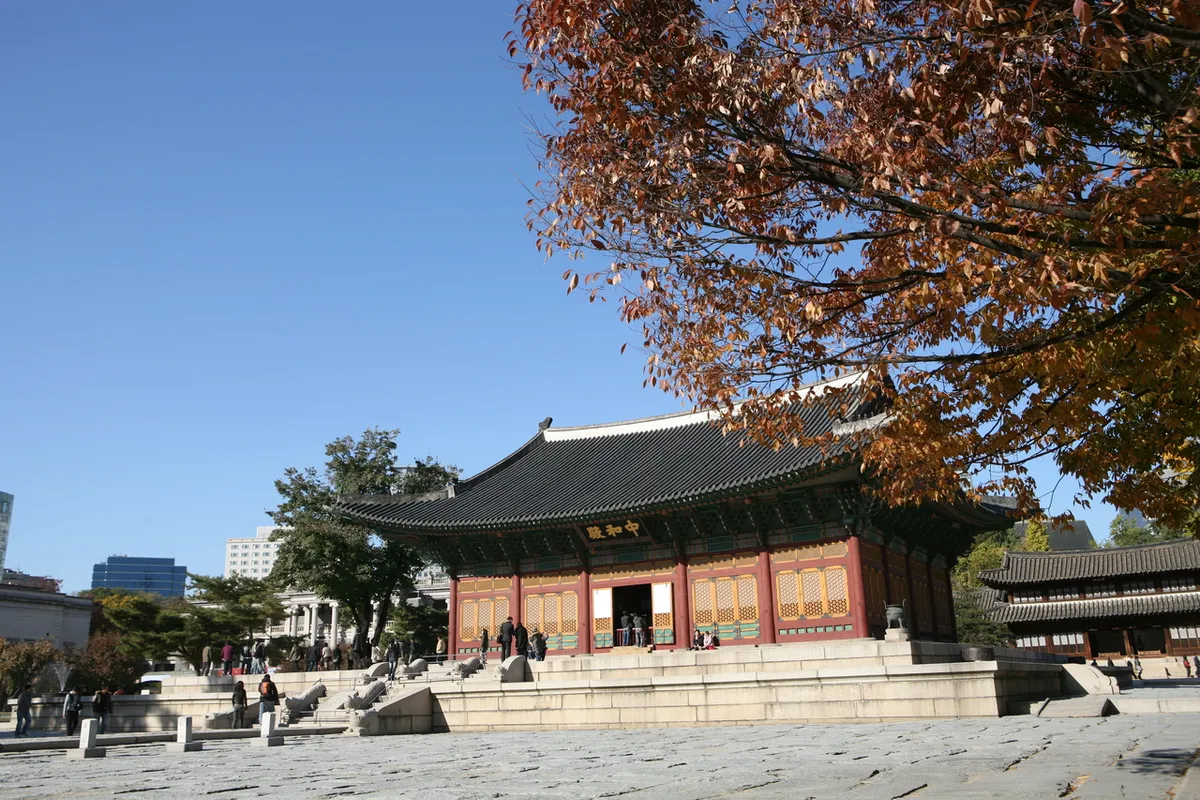
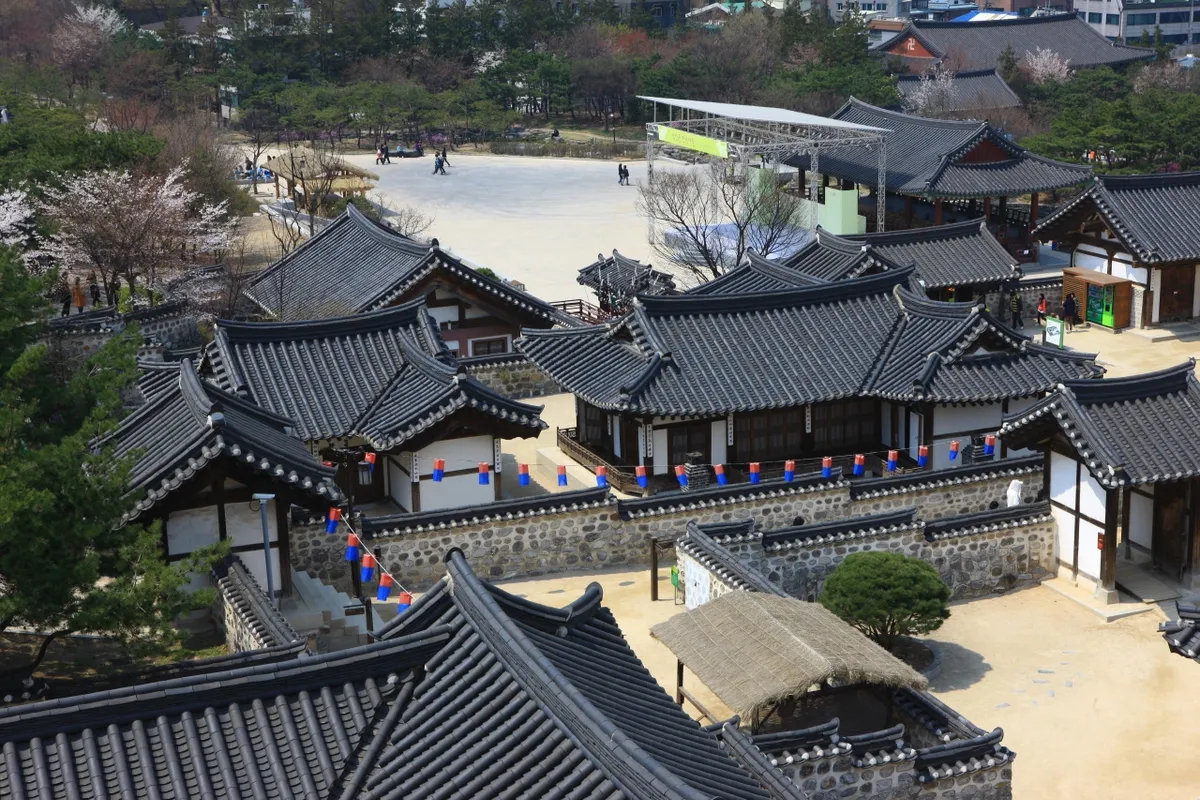
Photos: Korea Tourism Organization / VISITKOREA. Photo archive credits: Park Seong-geun (Tropical Dream), Lee Beom-su (Guesthouse Jip), Kim Ji-ho (Pungnamheon). Accommodation photographs are illustrative archival images, not property recommendations or confirmation of current facilities. The courtyard hero illustrates hanok accommodation, not every lodging type.
Last verified: 2026-10-08. Tourism pages state an October 17, 2025 update; the public legal accommodation overview states a September 15, 2026 information date. Public legal guidance is explanatory information, not a legally binding interpretation.
Room facilities, availability and operating terms can change. Confirm current conditions for the selected room and rate before booking.