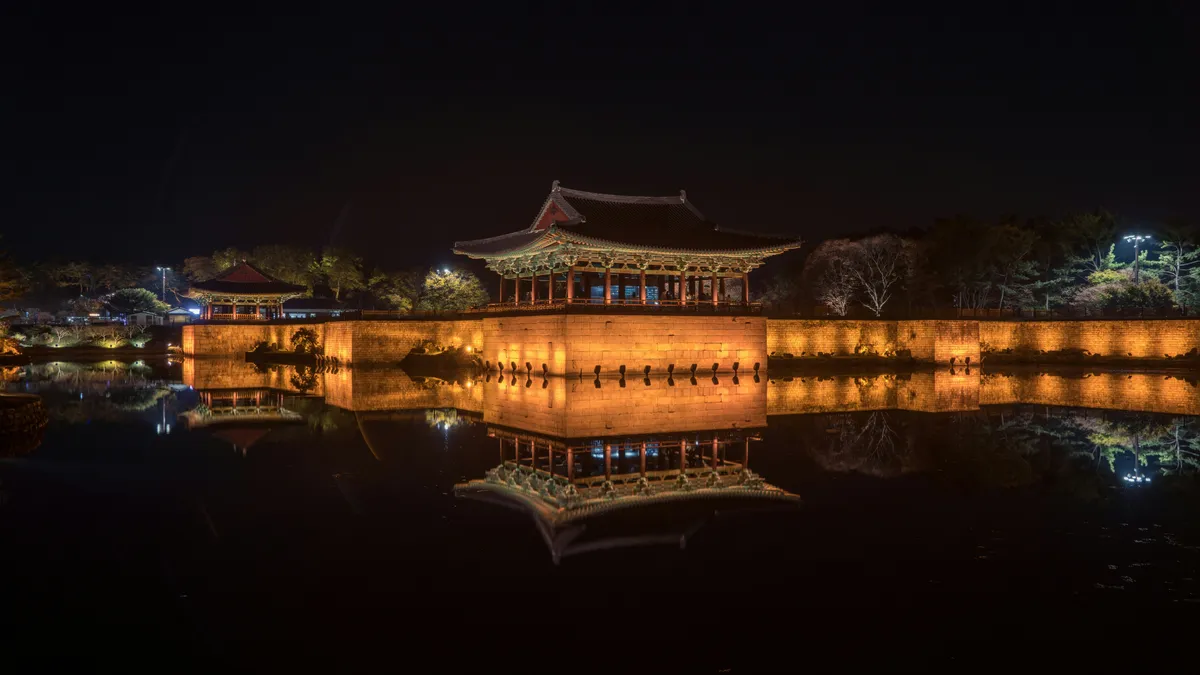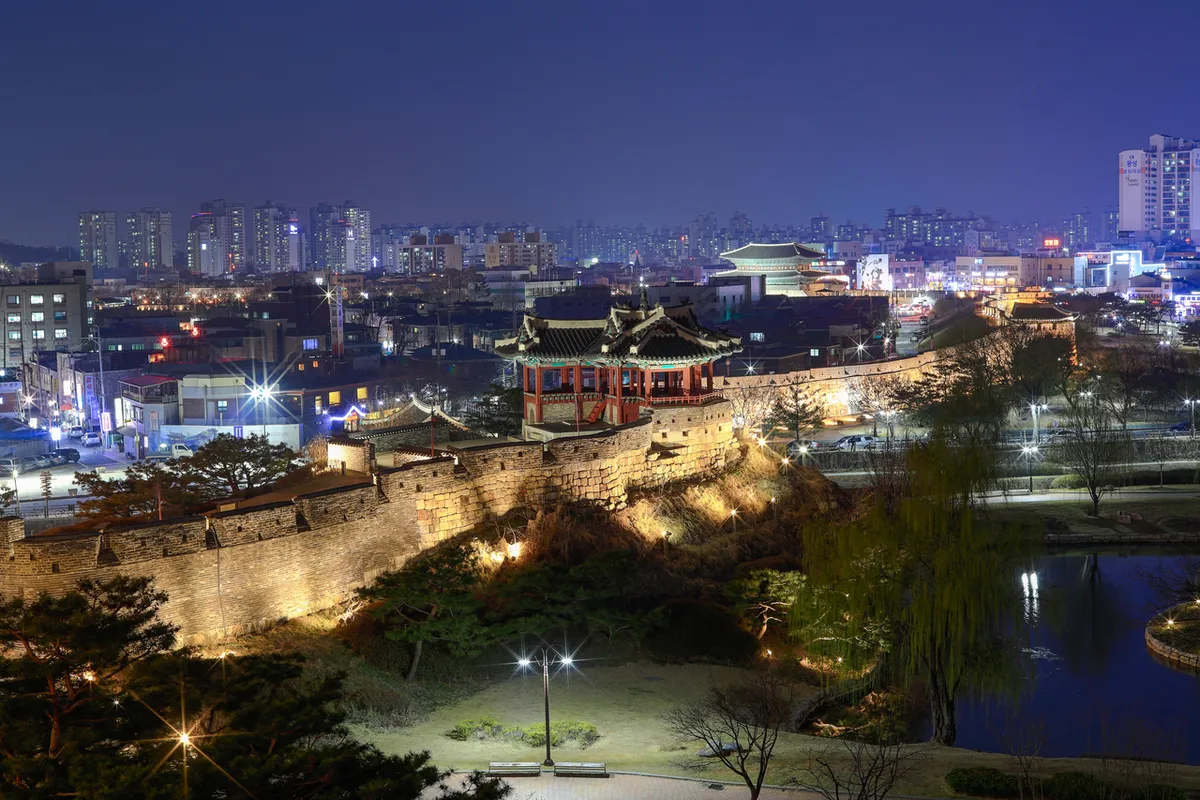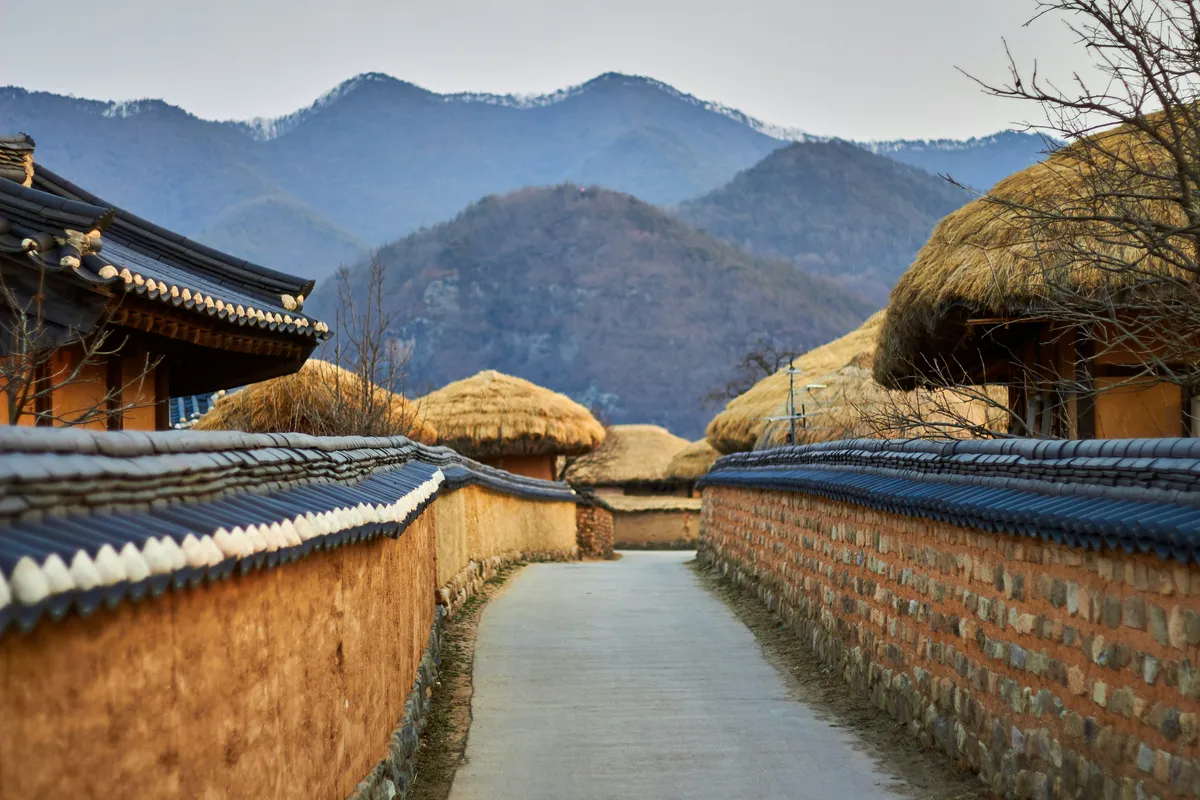
Bulguksa Temple (경주 불국사) in Gyeongju is listed as a UNESCO World Heritage site together with nearby Seokguram Grotto, with the designation recorded in December 1995. This Bulguksa Temple Gyeongju guide covers the temple’s Silla history, opening hours, admission, key structures, and hotel-base choices around Bulguksa, Bomun Lake, and central Gyeongju.
Bulguksa Temple Gyeongju Guide: Essential Facts
Bulguksa is a representative Buddhist heritage site from the Silla kingdom. It stands at 385 Bulguk-ro, Gyeongju-si, Gyeongsangbuk-do.
The temple is open all year round. The recorded visitor hours are 09:00–18:00, with exit time at 19:00. Admission is recorded as free. Parking, restrooms, and interpretation services are listed as available, with interpretation requiring advance inquiry.
Official English name: Gyeongju Bulguksa Temple [UNESCO World Heritage]
Korean name: 경주 불국사
Address: 385 Bulguk-ro, Gyeongju-si, Gyeongsangbuk-do
Hours: 09:00–18:00; exit by 19:00
Closed days: Open all year round
Admission: Free
Parking: Available
Pets: Not allowed
Information center: +82-54-746-9913 (054-746-9913)
💡 TripKorea's Tip: The temple area has free admission in the current record, but hours and on-site rules can change. Confirm the latest visitor notice before setting a fixed schedule.
Why Bulguksa Matters in Silla History
Bulguksa’s recorded history begins in the Silla period. The temple was built during the 15th year of King Beopheung’s reign, which is recorded within the 514–540 reign period, as a prayer for peace and prosperity.
The site was later rebuilt in 751 by Kim Dae-seong. That later rebuilding is central to how Bulguksa is understood today: not only as a working Buddhist temple, but also as a major example of Silla religious architecture and stonework.
During the Imjin War of 1592–1598, the temple caught fire. After the war, the site suffered serious damage and was repeatedly affected by theft. Restoration work began in 1920 and has continued across the modern period.
The present temple complex holds seven national treasures and additional important heritage assets. This is why Bulguksa is treated as one of the key historic sites in Gyeongju, alongside Seokguram Grotto and the wider Silla heritage landscape.
📍 TripKorea's Tip: Read Bulguksa as an architectural site, not only as a temple stop. The value is in how courtyards, stone platforms, pagodas, wooden halls, and mountain-edge placement work together as one historic complex.
What to See Inside the Bulguksa Temple Grounds
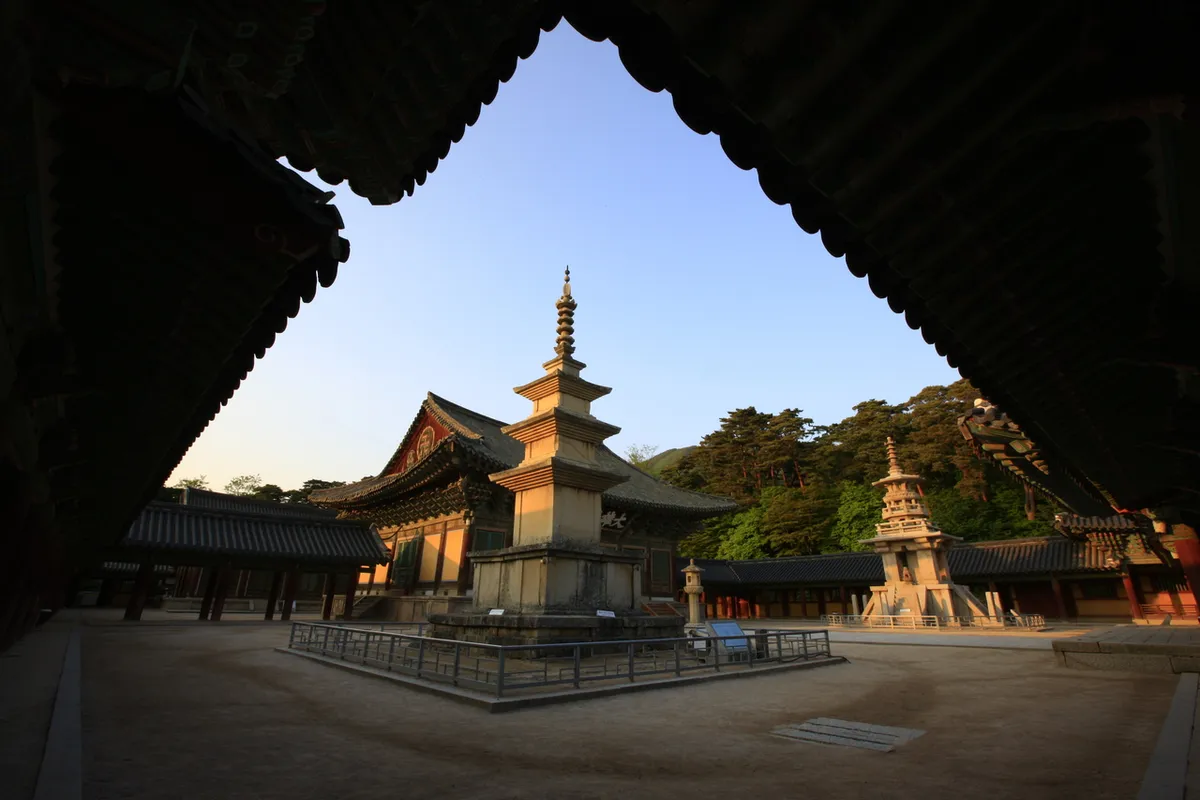
The temple grounds are built around stone pagodas, wooden halls, tiled roofs, enclosed courtyards, and pine-covered slopes. The arrangement is compact enough for a focused visit, but the historic layers are dense, especially for travelers interested in Silla architecture.
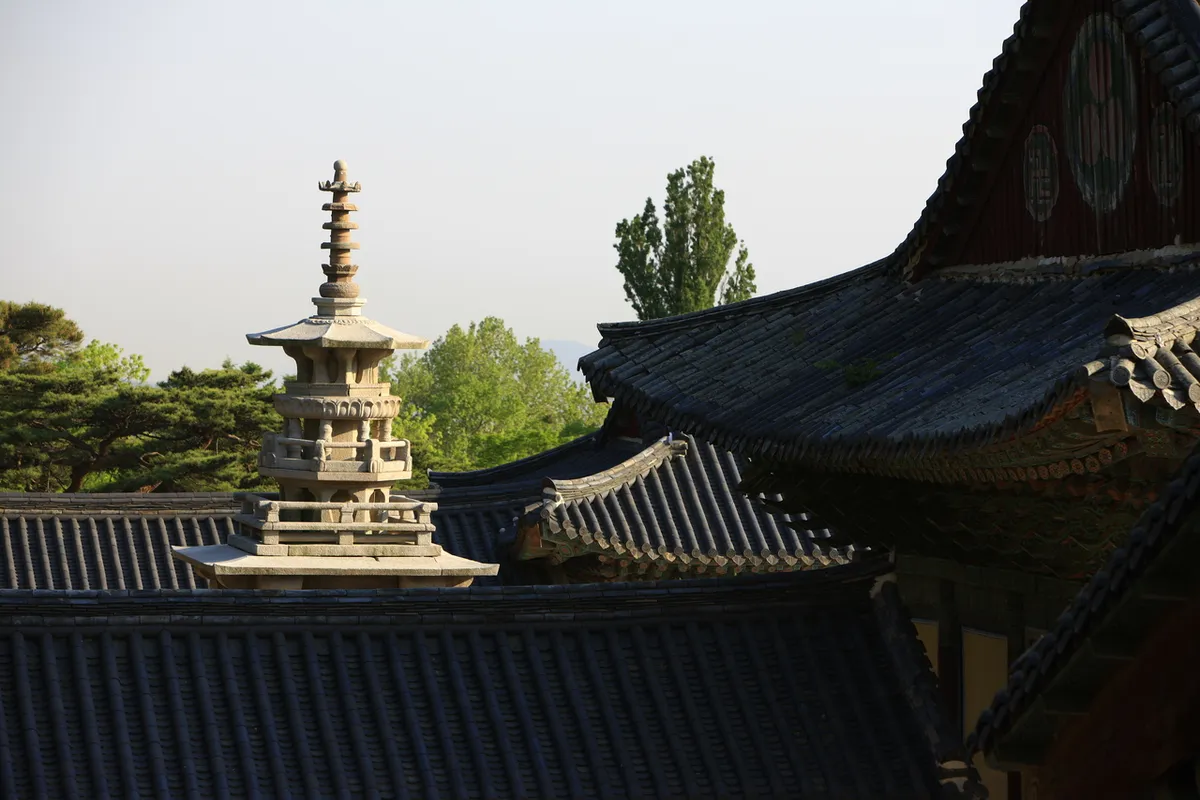
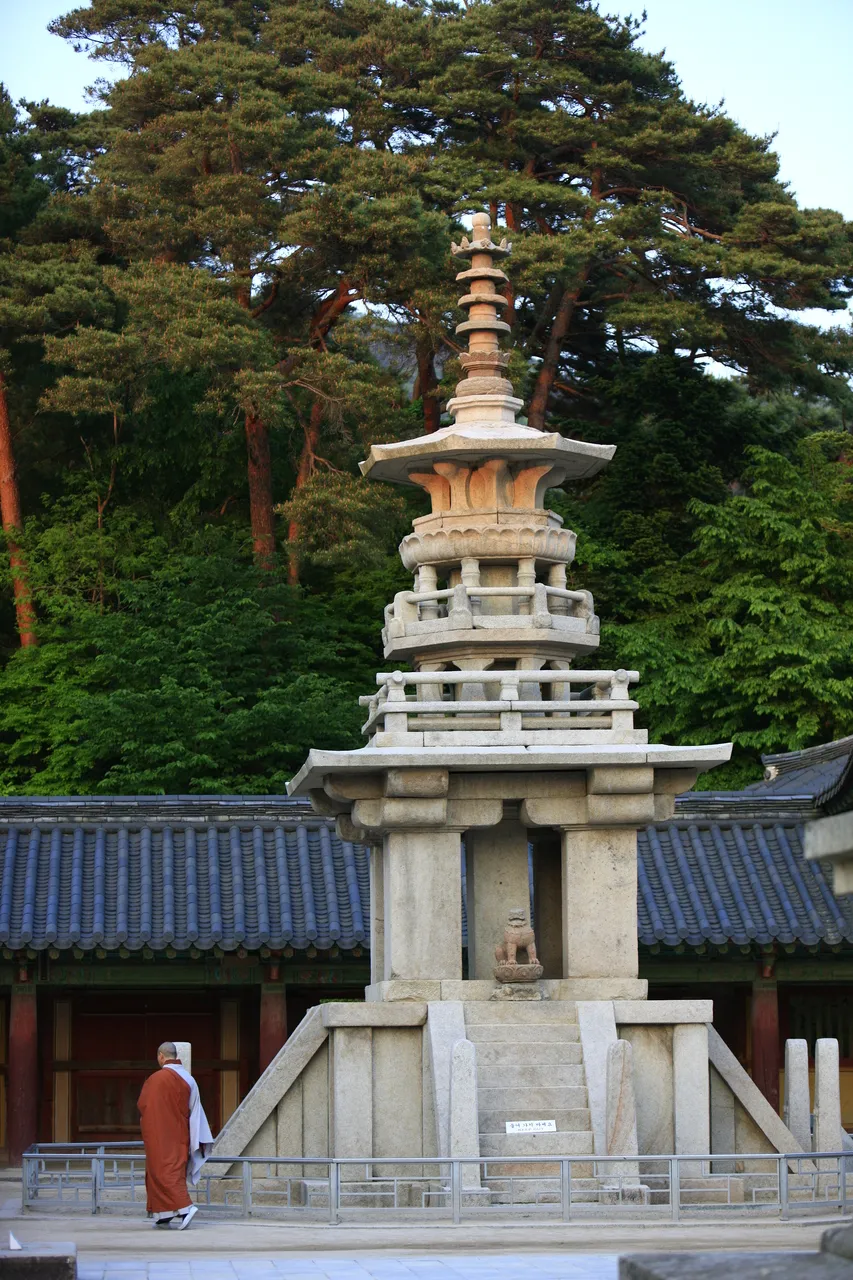
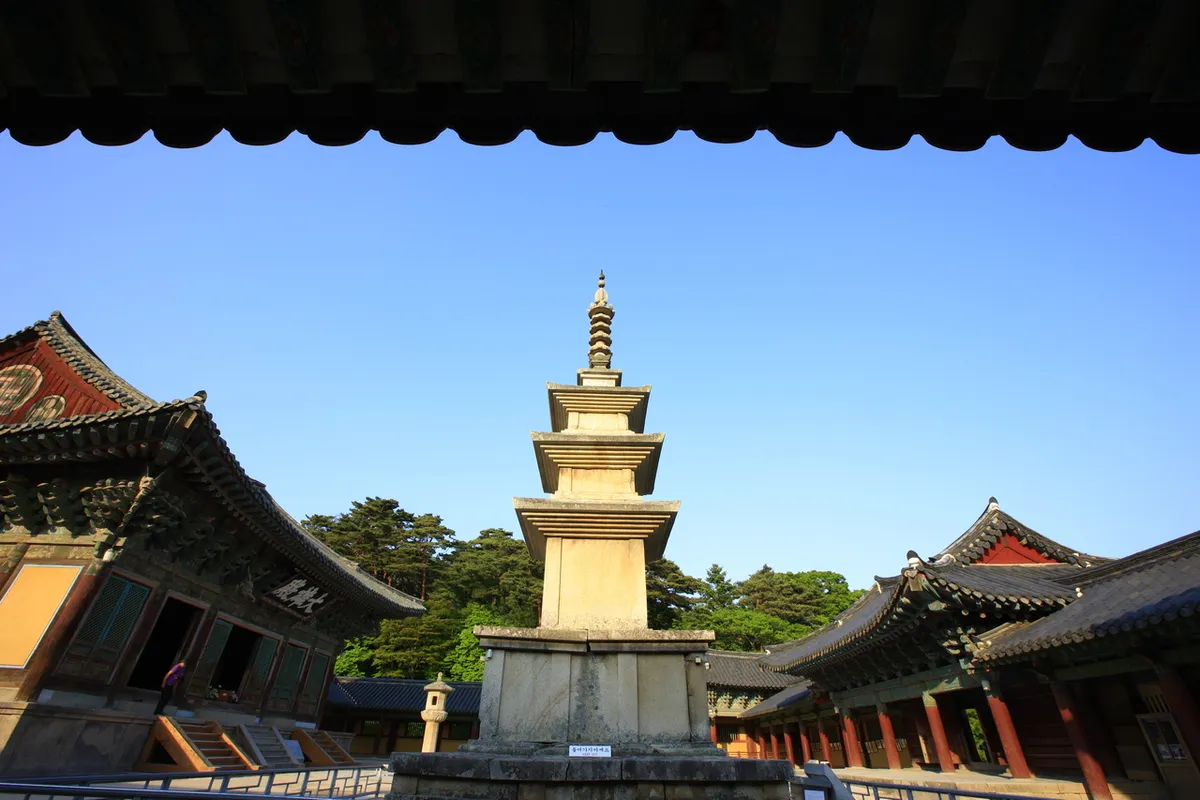
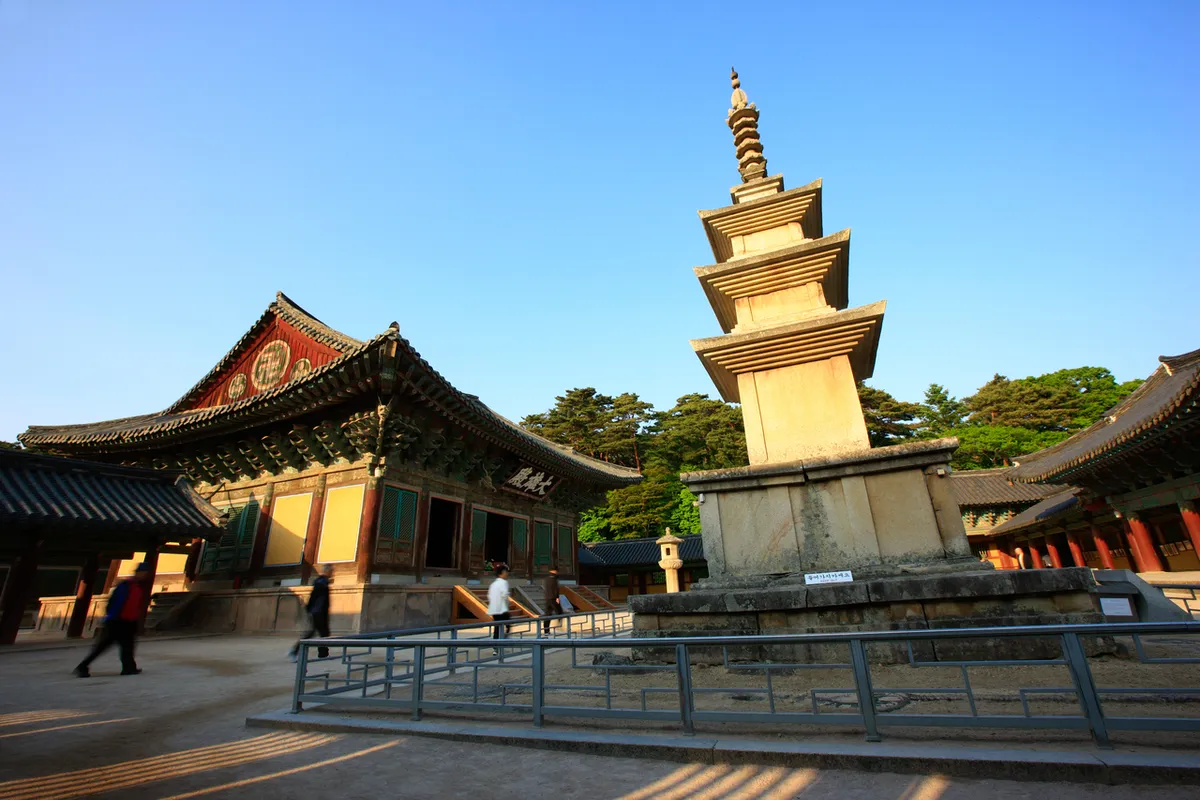
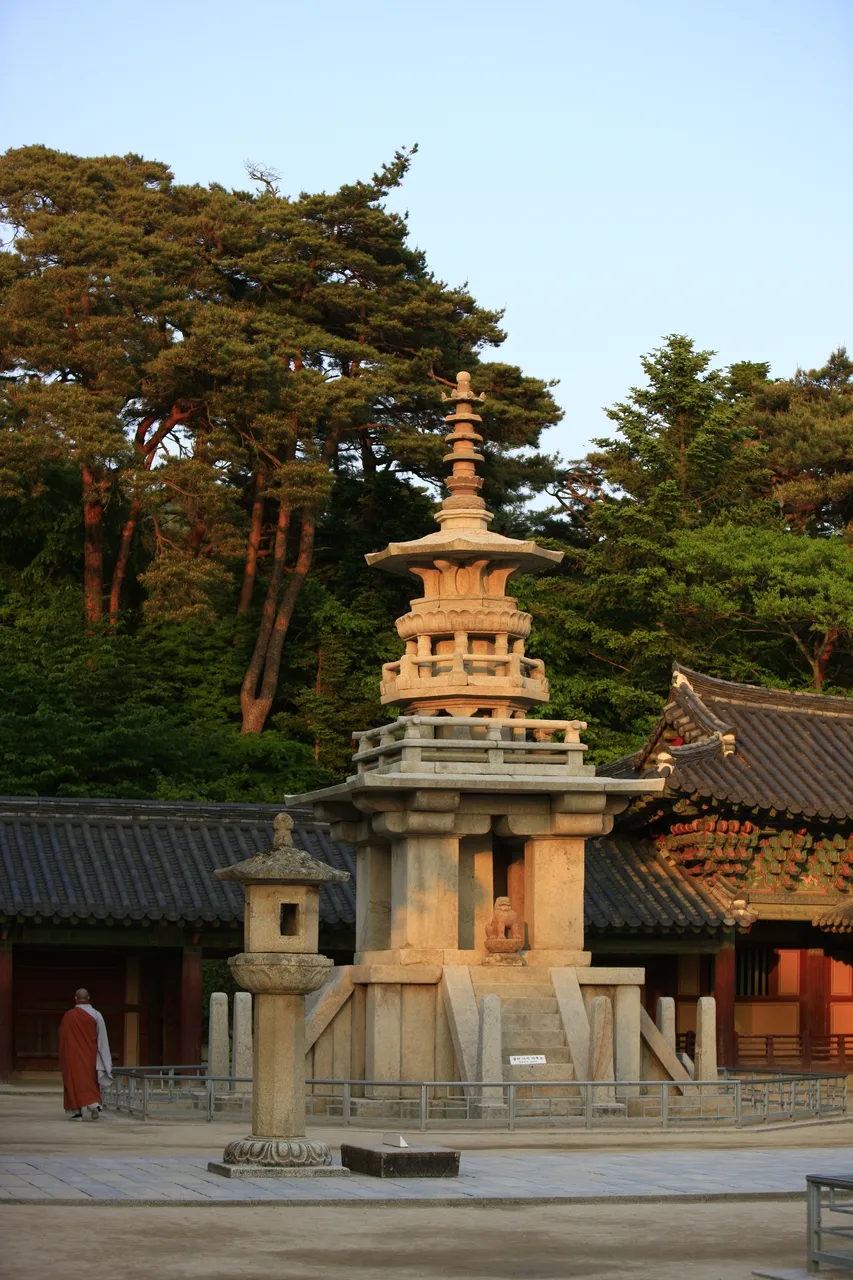
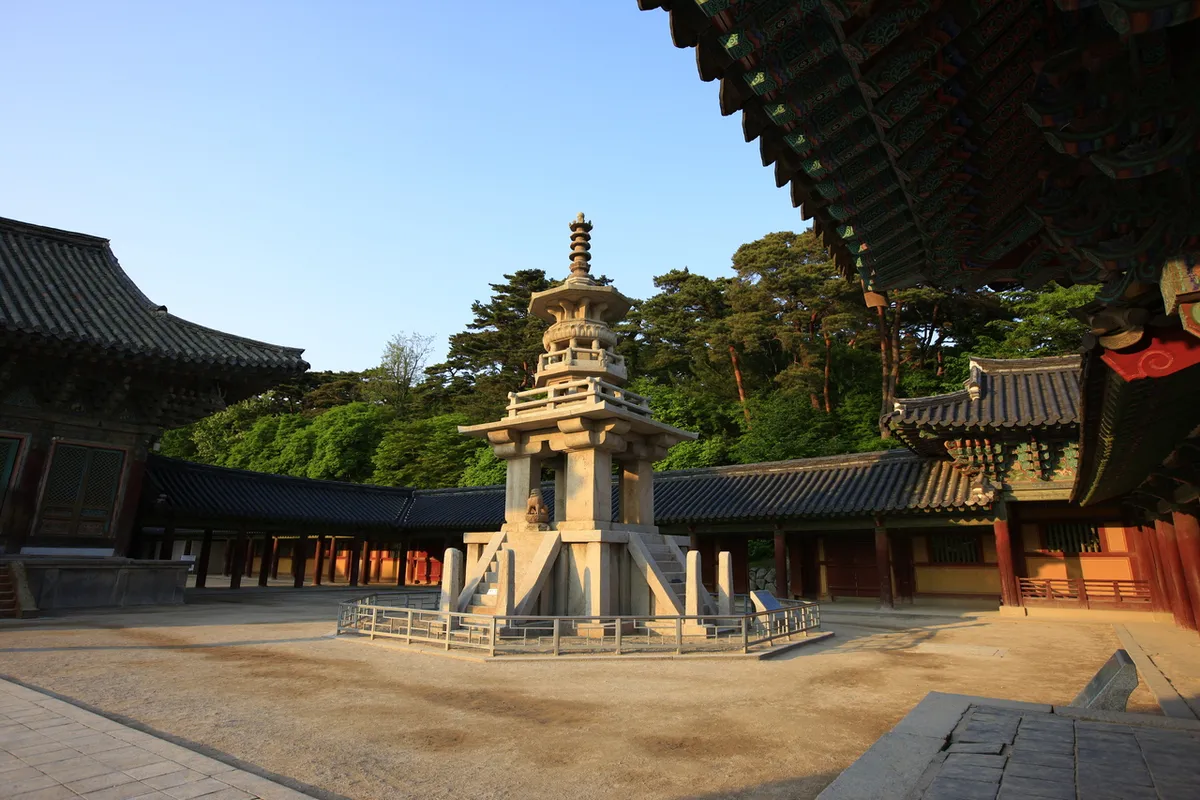
The stone pagodas are the most recognizable visual anchors. Outdoor views include Dabotap, Seokgatap, stone pagodas, temple halls, and the main courtyard. The pagodas sit inside the temple precinct rather than as isolated monuments, so the surrounding halls and rooflines are part of the same visual composition.
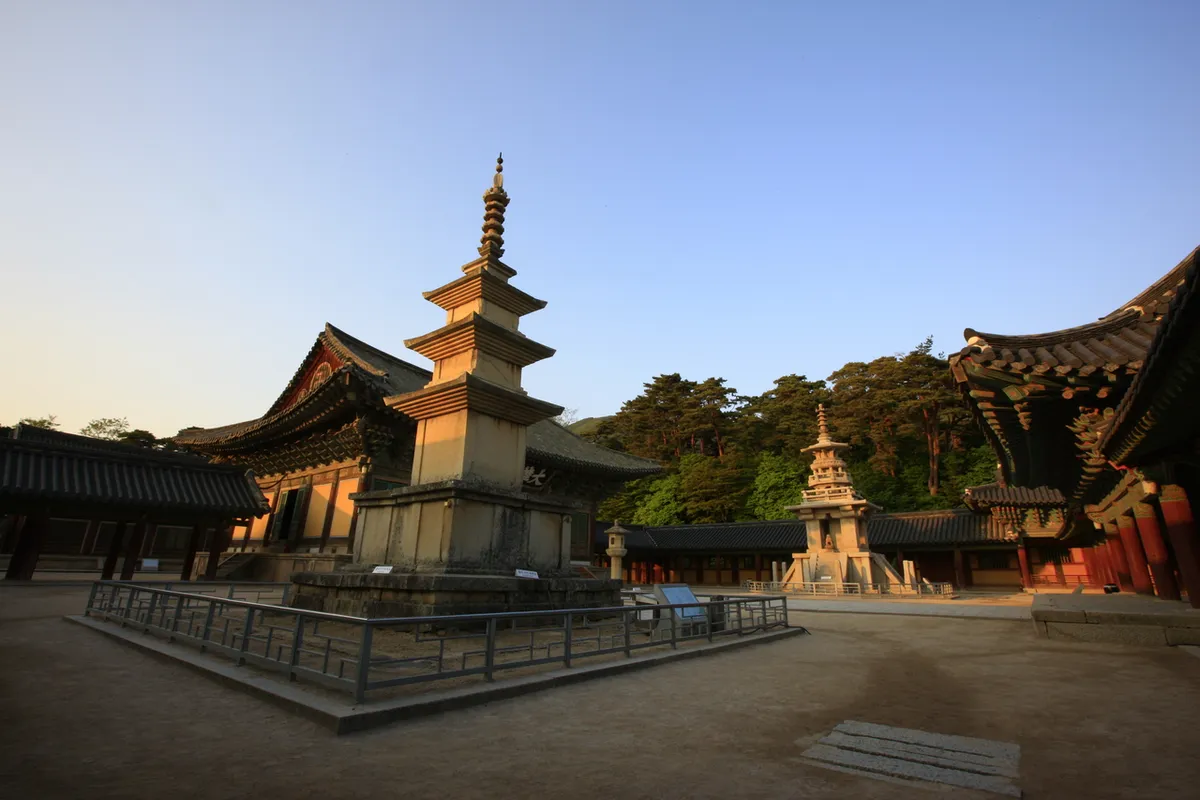
The wooden halls show the Korean Buddhist temple layout through columns, painted eaves, roof tiles, and raised platforms. The stonework contrasts with the painted wood, and the courtyards create clear sightlines between halls and pagodas.
Because Bulguksa remains a religious site, visitor behavior should stay quiet and orderly around prayer spaces, halls, and monks. Photography may be possible in outdoor areas, but interior spaces and worship areas should be approached with care according to on-site notices.
🚨 Warning: Pets are not allowed in the current visitor record. If you are traveling with an animal, do not plan Bulguksa as a stop unless the temple or local authority confirms an exception.
How to Plan Bulguksa with Gyeongju Bases
Bulguksa sits southeast of central Gyeongju, so hotel choice affects how the visit feels. The closest hotel base is the Bulguksa area itself, while Bomun Lake, Hwangnidan-gil, and central Gyeongju each fit different travel patterns.
For the shortest movement to the temple, compare hotels near Bulguksa Temple. This base is useful when Bulguksa and Seokguram-side routes are the main purpose of the trip.
For resort-style stays and easier movement between eastern Gyeongju and the city, hotels near Bomun Lake are a practical middle option. For restaurants, cafes, and old-city walking routes, hotels near Hwangnidan-gil fit travelers who want to return to a lively central area after sightseeing.
Central Gyeongju can also work if the route includes multiple historic sites across the city. In that case, compare hotels in Gyeongju City and check the day’s transport plan before committing to a temple visit.
For activities beyond the temple, use things to do in Gyeongju after the hotel base is set. This keeps the route organized around where you will actually sleep and return at the end of the day.
💡 TripKorea's Tip: Do not choose a Gyeongju hotel only by city name. Bulguksa, Bomun Lake, Hwangnidan-gil, and the city center are different bases, and each changes how much time you spend moving between sites.
Visitor Rules, Hours, and Practical Notes
The current record lists Bulguksa as open year-round, with visitor hours from 09:00 to 18:00 and exit time at 19:00. Admission is free, and restrooms are available. Parking is also recorded as available.
Interpretation services are listed as available by advance inquiry. Travelers who need guided explanation in a specific language should contact the information center before arrival rather than assuming same-day availability.
The site combines tourism and worship. Keep voices low near halls, avoid blocking stairs or thresholds, and follow posted signs around restricted areas. If ceremonies or prayer activities are taking place, give space to temple users first.
Because Bulguksa is a heritage site with stone structures, raised platforms, and courtyard movement, comfortable walking shoes are useful. The confirmed visitor details cover address, hours, admission, parking, restrooms, and interpretation notes; they do not include a verified walking-time route from a station or stop.
Frequently Asked Questions
Is Bulguksa Temple a UNESCO World Heritage site?
Yes. Bulguksa Temple is recorded as a World Cultural Heritage site together with nearby Seokguram Grotto. The designation is recorded in December 1995.
How much is admission to Bulguksa Temple?
The current visitor record lists admission as free. Because admission policies can change, confirm the latest notice before visiting.
What are the opening hours for Bulguksa Temple?
The recorded hours are 09:00–18:00, with exit time at 19:00. The temple is listed as open all year round.
Where is Bulguksa Temple located?
Bulguksa Temple is located at 385 Bulguk-ro, Gyeongju-si, Gyeongsangbuk-do. The recorded coordinates are 35.7892734269, 129.3318475148.
Are pets allowed at Bulguksa Temple?
No. The current visitor record states that pets are not allowed. Check the official temple notice if this rule affects your travel plan.
Where to Stay for Bulguksa Temple Gyeongju Guide Planning
For the closest stay, start with hotels near Bulguksa Temple. For a broader resort base, compare hotels near Bomun Lake. For central dining and evening movement, use hotels near Hwangnidan-gil or hotels in Gyeongju City.
Closest temple base: Hotels near Bulguksa Temple
Lake and resort base: Hotels near Bomun Lake
Central walking base: Hotels near Hwangnidan-gil
City transport base: Hotels in Gyeongju City
Gyeongju activities: Things to Do in Gyeongju
This Bulguksa Temple Gyeongju guide is best used as a base-planning reference: confirm the current temple notice, choose the hotel area that matches your route, and then build the rest of the Gyeongju schedule around that base.
Sources & References
Data Sources:
Tourist Attraction Info: Korea Tourism Organization (TourAPI)
Photos: Korea Tourism Organization Photo Gallery
Official Sites:
Last verified: 2026-06-19
All information verified at time of publication. Operating hours and admission fees are subject to change. Please confirm before visiting.