KTO 2025 foreign-visitor records rank Jung-gu, Seoul first among the most visited places in Korea, followed by Jung-gu, Incheon and Jeju City. This guide explains the top 20 local areas in the dataset and shows where hotel bases make the most sense for travelers comparing Seoul, Jeju, Busan, Incheon, and selected regional cities.
The records are organized by Korean local-government areas. That means Seoul districts such as Jung-gu, Jongno-gu, Mapo-gu, and Gangnam-gu appear beside municipalities such as Jeju City, Seogwipo City, Pyeongtaek-si, and Changwon-si. Use the ranking as a practical map of visitor concentration, not as a rating of travel quality.
Most Visited Places in Korea: Top 20 Areas
The top 20 list shows where foreign-visitor movement concentrated during the 2025 calendar year. Central Seoul districts, airport-linked gateways, Jeju municipalities, and Busan coastal or commercial districts take most of the highest positions.
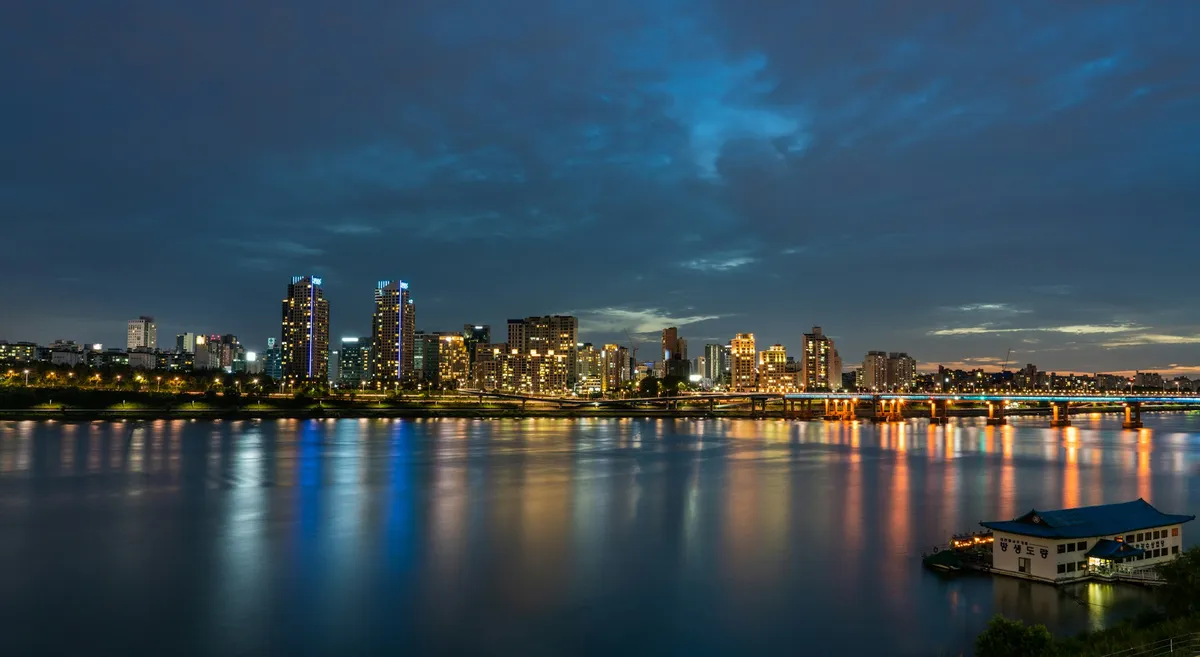
1. Jung-gu, Seoul (중구) — 21,837,112 foreign-visitor counts.
Central Seoul district covering Myeong-dong, City Hall, Deoksugung,
Namdaemun Market, and Namsan access points.2. Jung-gu, Incheon (중구) — 19,527,333 foreign-visitor counts.
Incheon district that includes Incheon International Airport, the port area,
Wolmido, and Chinatown-linked routes.3. Jeju City, Jeju (제주시) — 11,243,202 foreign-visitor counts.
Northern Jeju municipality covering Jeju International Airport, the city center,
Hallim, Aewol, and eastern coastal routes.4. Jongno-gu, Seoul (종로구) — 10,896,717 foreign-visitor counts.
Historic Seoul district containing Gyeongbokgung, Changdeokgung,
Jongmyo, Insadong, and Bukchon-linked streets.5. Mapo-gu, Seoul (마포구) — 9,856,319 foreign-visitor counts.
Western Seoul district associated with Hongdae, Hapjeong, Sangam,
and riverfront movement near the Han River.6. Gangnam-gu, Seoul (강남구) — 8,760,635 foreign-visitor counts.
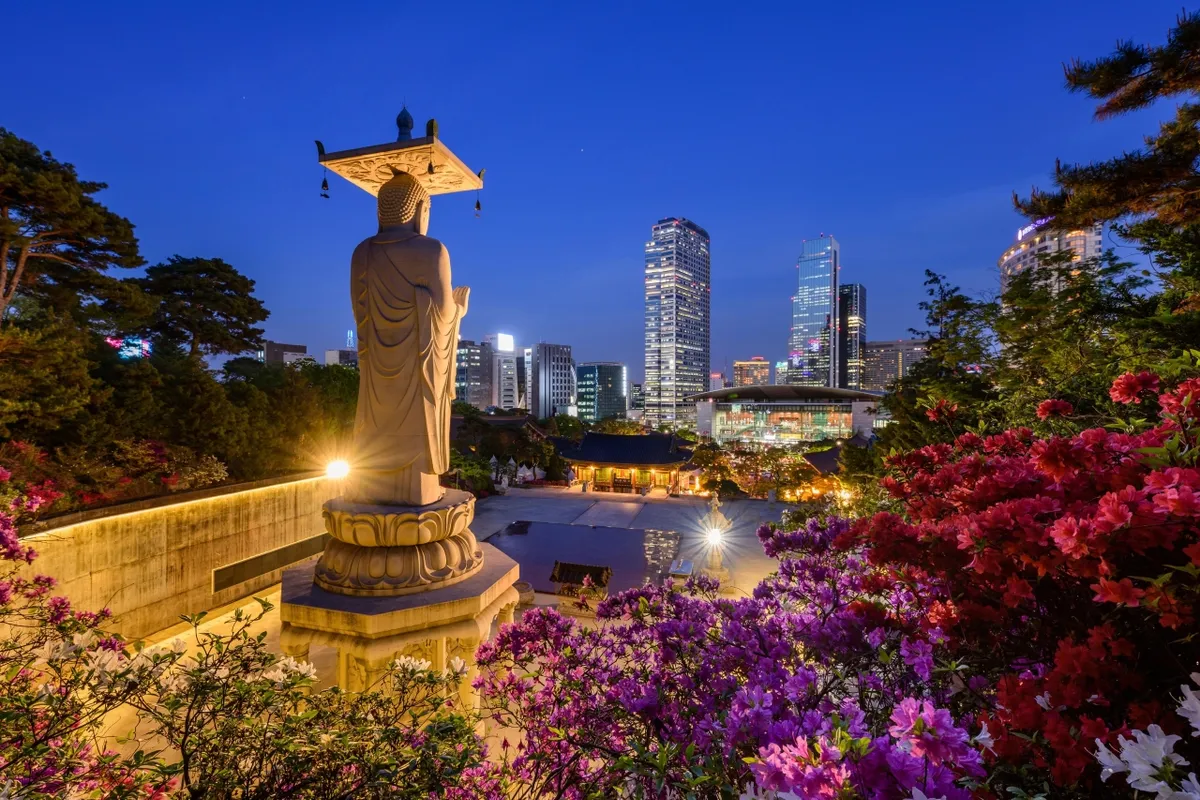
Southern Seoul district covering COEX, Bongeunsa, Apgujeong, Sinsa,
and major business-travel corridors.7. Yongsan-gu, Seoul (용산구) — 8,237,939 foreign-visitor counts.
Central Seoul district covering Itaewon, Hangangjin, Yongsan Station,
the National Museum area, and riverfront routes.8. Seogwipo City, Jeju (서귀포시) — 7,096,324 foreign-visitor counts.
Southern Jeju municipality covering Seogwipo city, Jungmun, waterfalls,
coastal roads, and Hallasan-linked access.9. Gangseo-gu, Busan (강서구) — 5,571,302 foreign-visitor counts.
Busan district connected with Gimhae International Airport approaches,
the Nakdong River, and western Busan routes.10. Gangseo-gu, Seoul (강서구) — 4,328,093 foreign-visitor counts.
Western Seoul district containing Gimpo Airport access, Magok, Seoul Botanic Park,
and routes toward the Han River.11. Haeundae-gu, Busan (해운대구) — 4,313,577 foreign-visitor counts.
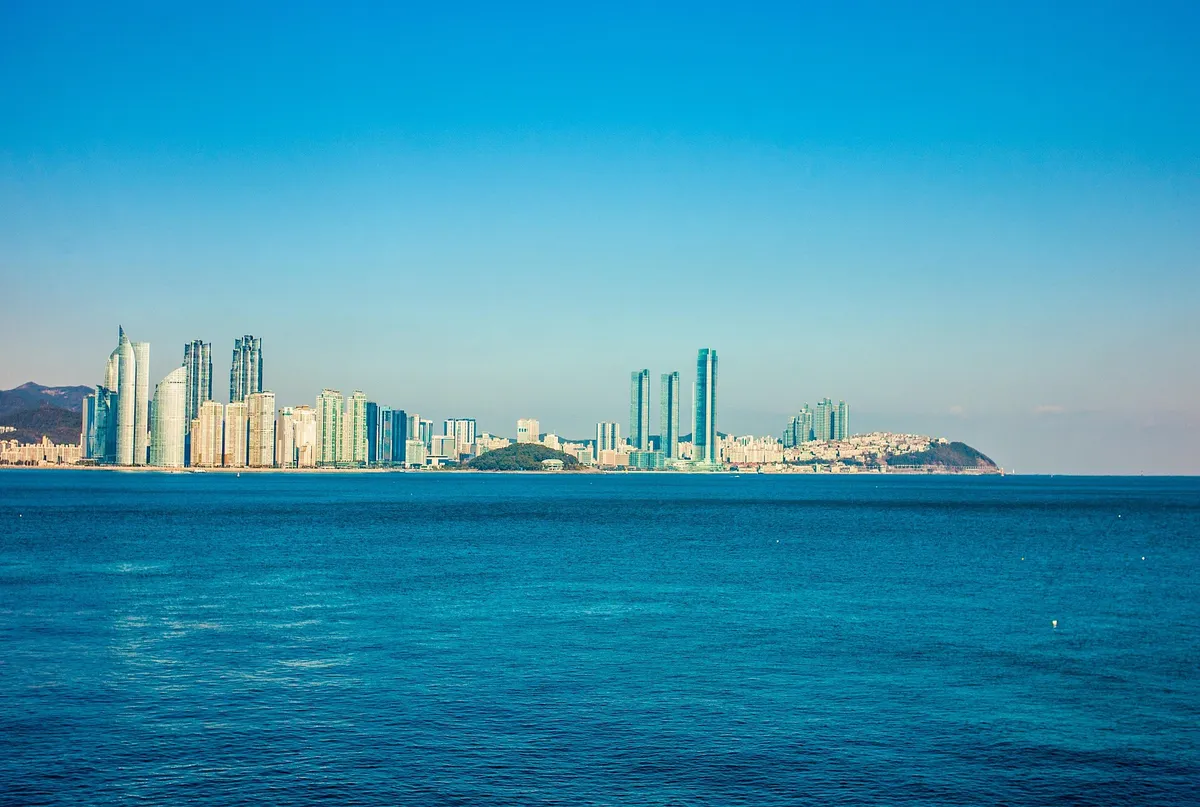
Busan beach district covering Haeundae Beach,
Dalmaji-gil, Marine City, and Centum City.12. Seongdong-gu, Seoul (성동구) — 4,122,289 foreign-visitor counts.
Seoul district covering Seongsu, Seoul Forest, Ttukseom,
and east-central Han River movement.13. Seocho-gu, Seoul (서초구) — 4,042,697 foreign-visitor counts.
Southern Seoul district covering Banpo, Express Bus Terminal, Yangjae,
and arts-and-business corridors.14. Yeongdeungpo-gu, Seoul (영등포구) — 3,970,898 foreign-visitor counts.
Seoul district covering Yeouido, the National Assembly area,
IFC Mall, and Han River park routes.15. Seodaemun-gu, Seoul (서대문구) — 3,343,211 foreign-visitor counts.
Seoul district covering Sinchon, Ewha Womans University area,
Seodaemun Independence Park, and gateway routes to Hongdae.16. Pyeongtaek-si, Gyeonggi-do (평택시) — 3,312,729 foreign-visitor counts.
Gyeonggi-do city with international movement linked to Pyeongtaek Port,
railway access, and nearby military communities.17. Changwon-si, Gyeongsangnam-do (창원시) — 3,297,308 foreign-visitor counts.
Gyeongsangnam-do city with port, industrial, and coastal travel routes,
including Jinhae and Masan-linked areas.18. Songpa-gu, Seoul (송파구) — 2,978,053 foreign-visitor counts.
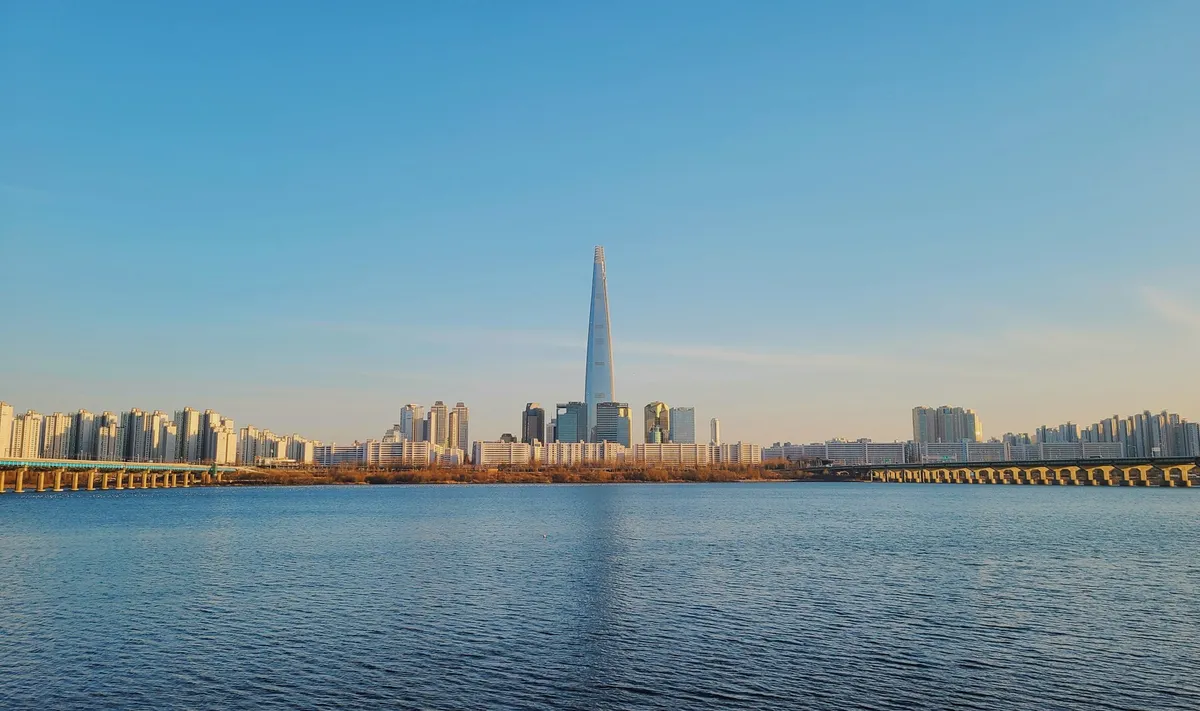
Seoul district covering Jamsil, Lotte World Tower, Olympic Park,
and southeast Seoul transit routes.19. Busanjin-gu, Busan (부산진구) — 2,775,731 foreign-visitor counts.
Busan district centered on Seomyeon, one of Busan’s main subway interchange
and commercial areas.20. Jung-gu, Busan (중구) — 2,756,611 foreign-visitor counts.
Central Busan district covering Nampo, BIFF Square, Jagalchi Market,
and port-linked routes.
💡 TripKorea's Tip: Use this ranking to choose a base area before choosing individual attractions. A lower-ranked district may still be the right base if it matches your route, hotel budget, or airport schedule.
Why Seoul Districts Lead the Ranking
Seoul accounts for many of the highest-ranked entries because foreign travel activity is distributed across separate districts. Jung-gu, Seoul ranks first with 21,837,112 foreign-visitor counts, while Jongno-gu, Mapo-gu, Gangnam-gu, Yongsan-gu, Gangseo-gu, Seongdong-gu, Seocho-gu, Yeongdeungpo-gu, Seodaemun-gu, and Songpa-gu also appear in the top 20.
Jung-gu is the clearest hotel-base signal in the ranking. The district covers Myeong-dong, City Hall, Deoksugung, Namdaemun Market, Namsan access, and major shopping corridors. For many travelers, this area works as a central base because it combines accommodation density with short movements to palaces, markets, department stores, and subway lines.
Jongno-gu ranks fourth with 10,896,717 counts. Its visitor activity is tied to Gyeongbokgung, Changdeokgung, Jongmyo, Insadong, and Bukchon-linked streets. Mapo-gu ranks fifth with 9,856,319 counts and is centered on Hongdae, Hapjeong, Sangam, and west-Seoul movement.
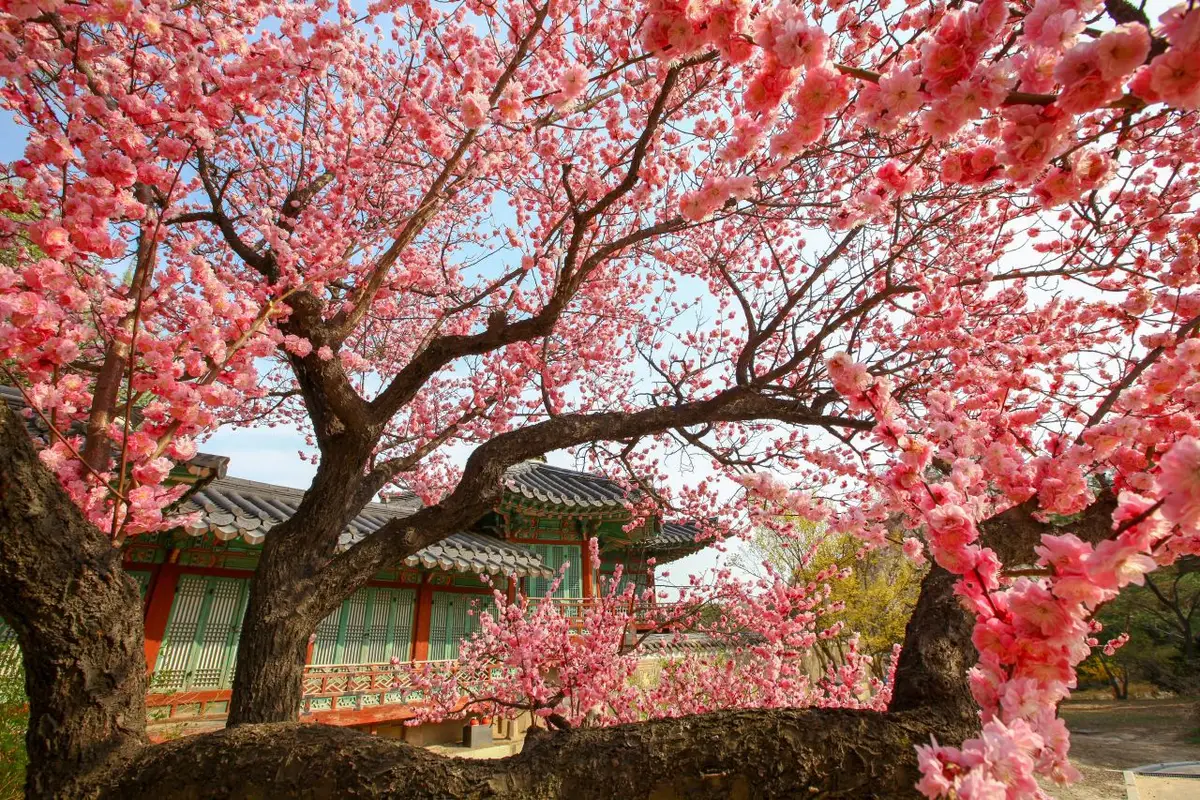
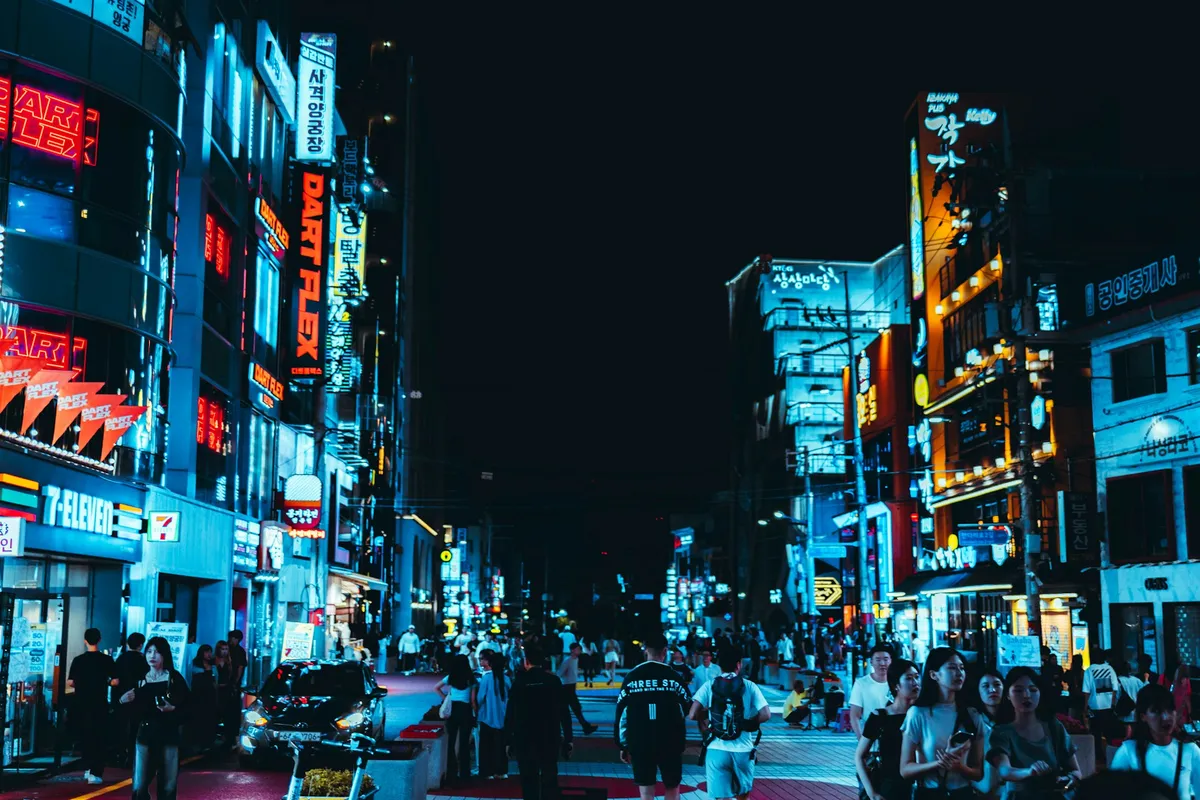
For accommodation, the practical choice depends on the Seoul route. Hotels in Myeongdong fit Jung-gu’s shopping and central-transit pattern. Hotels in Jongno fit palace and old-city routes. Hotels in Hongdae fit Mapo and west-Seoul nightlife routes. Hotels in Gangnam fit southern Seoul, COEX, Apgujeong, Sinsa, and business-travel movement.
Gangnam-gu, Yongsan-gu, and Songpa-gu show another layer of Seoul’s visitor geography. Gangnam-gu combines convention, business, retail, and temple-side routes around COEX, Bongeunsa, Sinsa, and Apgujeong. Yongsan-gu includes Itaewon, Hangangjin, Yongsan Station, and the National Museum area. Songpa-gu is tied to Jamsil, Lotte World Tower, Olympic Park, and southeast Seoul transit flows.
Incheon and Jeju: Gateway Areas with High Visitor Counts
Jung-gu, Incheon ranks second with 19,527,333 foreign-visitor counts. This district includes Incheon International Airport as well as port and waterfront routes, so its ranking reflects both destination activity and gateway movement. It is one of the most important areas for late arrivals, early departures, layovers, and short first-night stays.
For Incheon stays, Hotels near Incheon Airport are the most practical option for flight-linked schedules. Hotels near Incheon Chinatown fit port, Wolmido, and old-town routes, while Hotels in Songdo fit business, convention, and planned-city travel.
Jeju City ranks third with 11,243,202 counts, and Seogwipo City ranks eighth with 7,096,324 counts. Together, the two Jeju municipalities show how island travel is divided between the northern gateway around Jeju International Airport and southern routes around Seogwipo, Jungmun, waterfalls, coastal roads, and Hallasan-linked access.
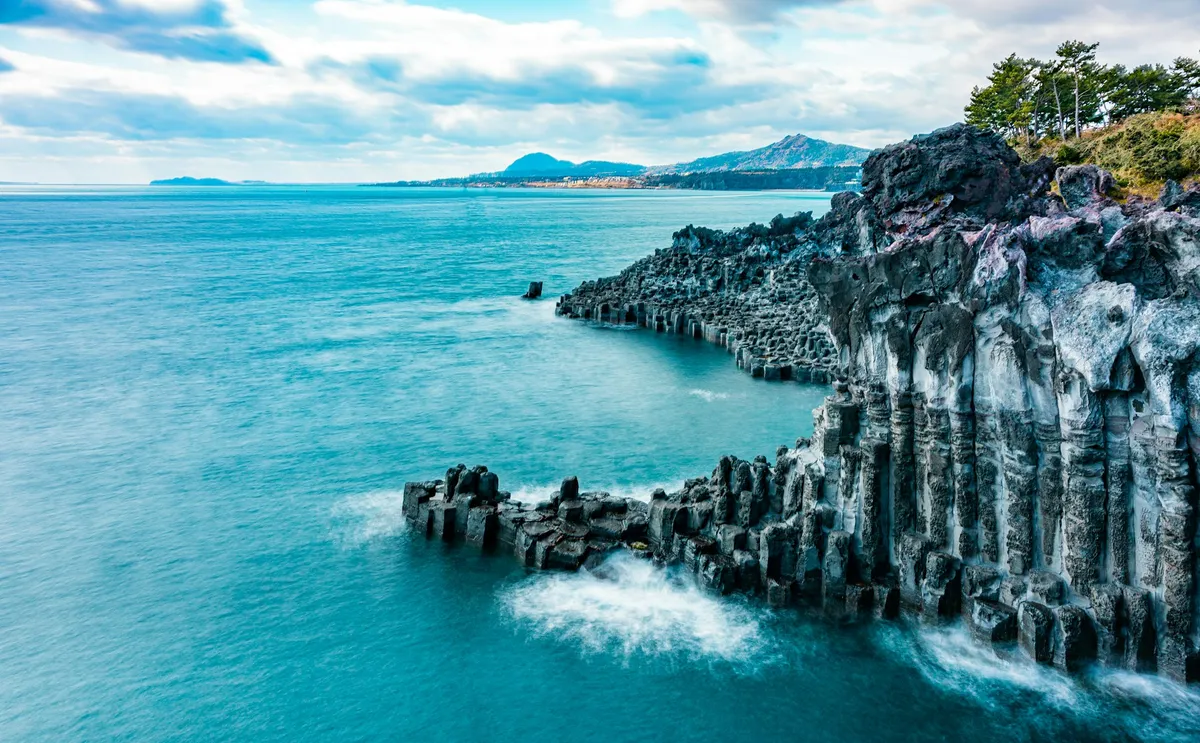
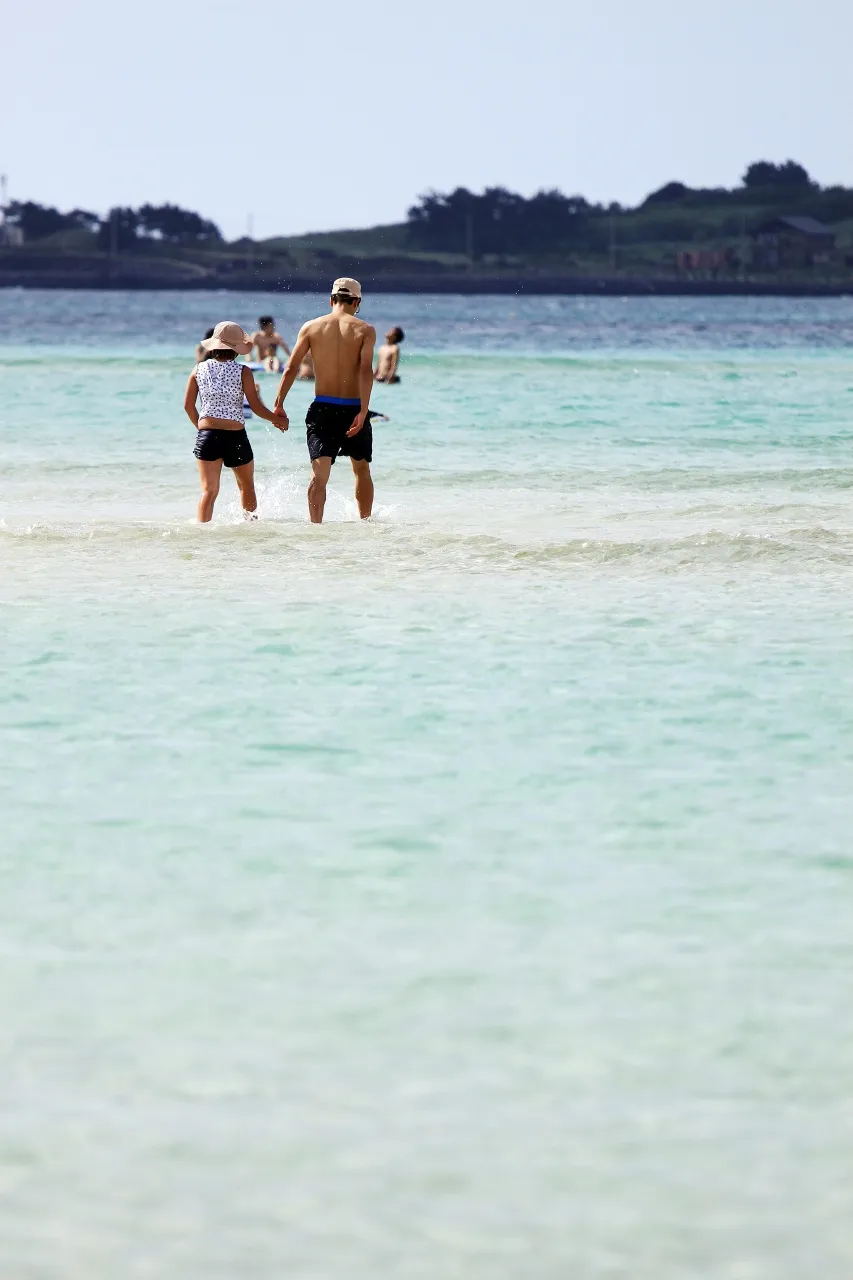
Jeju hotel planning should follow the same split. Hotels in Jeju City fit airport access, northern routes, Hallim, Aewol, and eastern coastal departures. Hotels in Seogwipo fit the southern coast, Jungmun, waterfalls, and Hallasan-side movement.
Airport-linked districts can rank highly even when visitors are transferring, staying overnight before a flight, or moving through the area to reach another destination. That does not make the data less useful. It shows where real travel friction occurs: arrivals, departures, airport hotels, transport connections, and short-stay sightseeing.
Busan and Regional Cities in the Top 20
Busan appears through several districts: Gangseo-gu at ninth, Haeundae-gu at eleventh, Busanjin-gu at nineteenth, and Jung-gu at twentieth. These entries show different functions inside the same city. Gangseo-gu is connected with western Busan and airport-side movement, Haeundae-gu is the beach and coastal district, Busanjin-gu centers on Seomyeon, and Jung-gu covers Nampo, BIFF Square, Jagalchi Market, and port-linked routes.
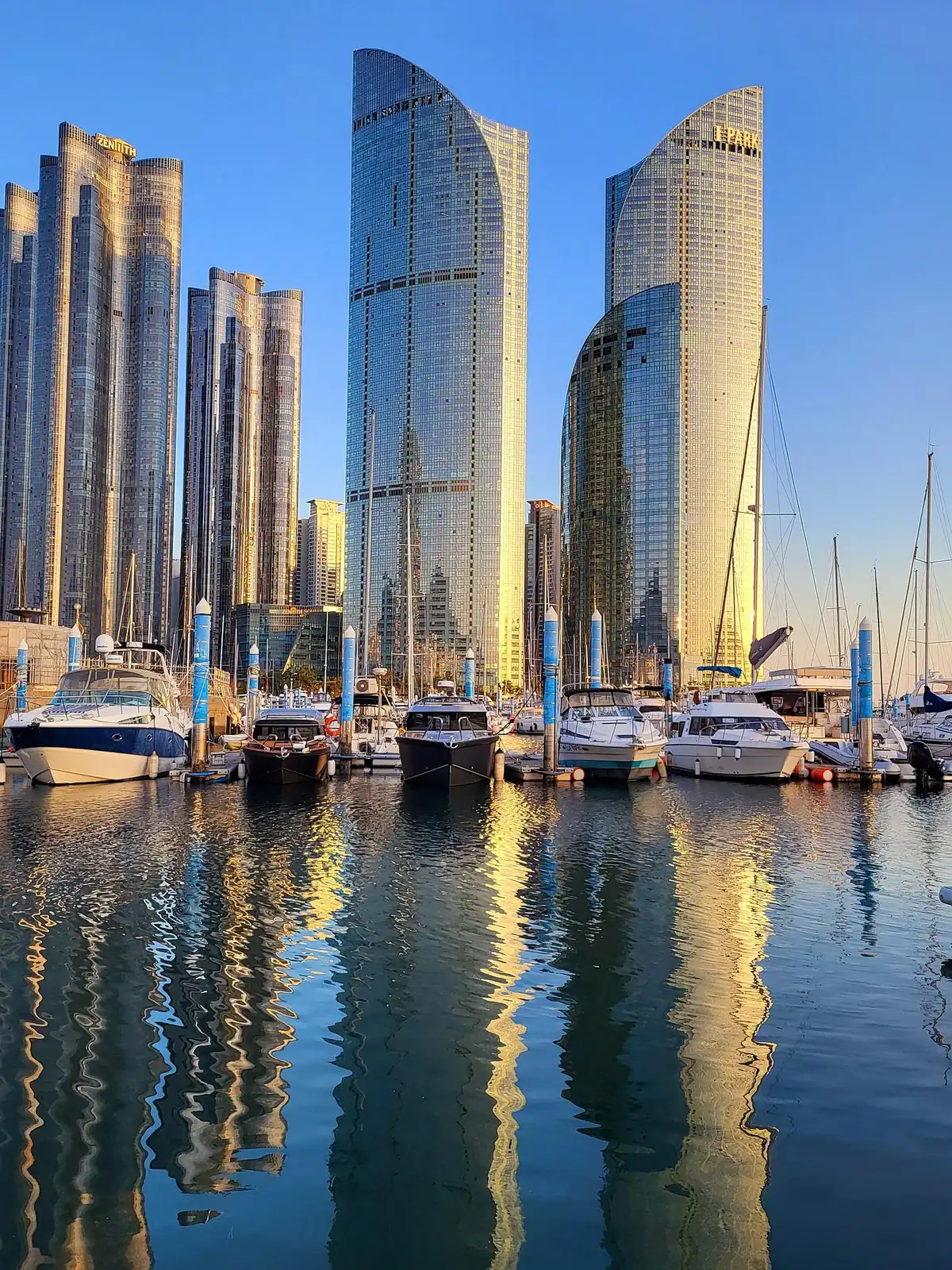
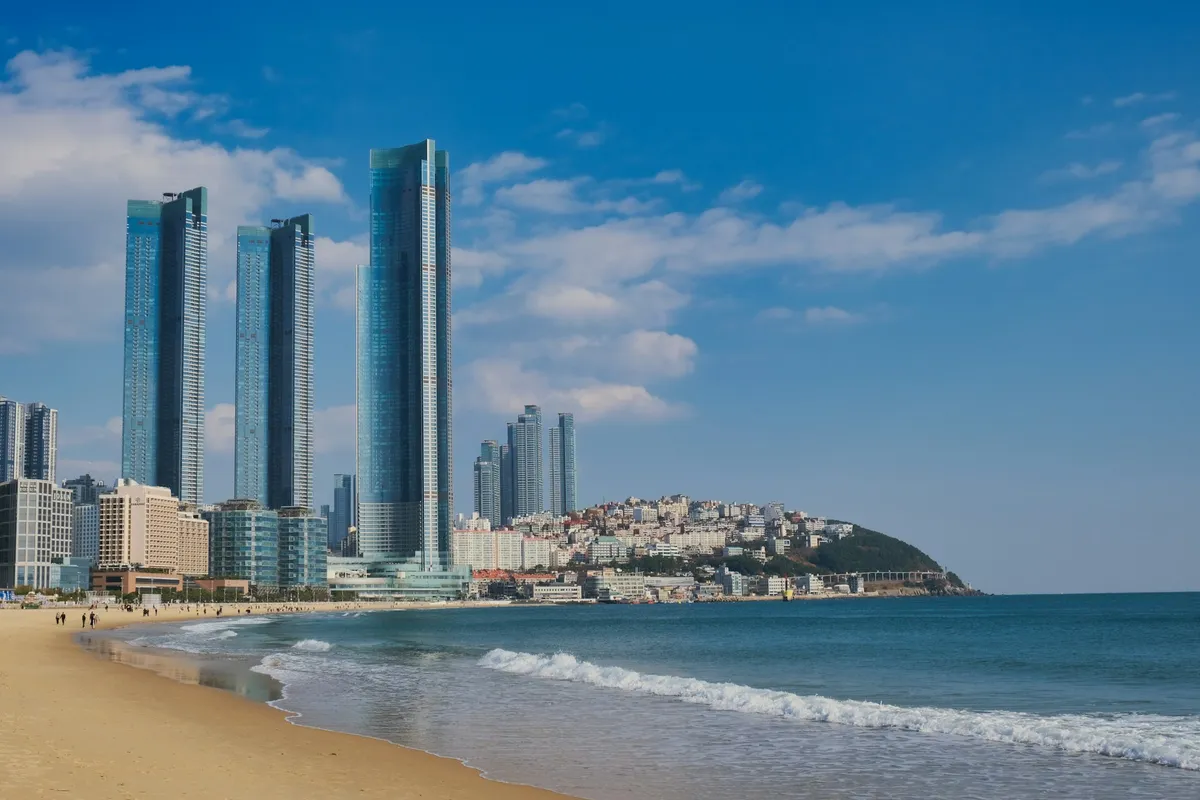
For a Busan base, Hotels in Haeundae fit beach, coastal, and Centum City routes. Hotels in Seomyeon fit subway interchange movement and central Busan shopping. Hotels in Nampo fit Jagalchi Market, BIFF Square, port-side routes, and central Busan sightseeing.
Outside the Seoul, Incheon, Jeju, and Busan clusters, Pyeongtaek-si and Changwon-si enter the top 20. Pyeongtaek-si records 3,312,729 foreign-visitor counts, while Changwon-si records 3,297,308 counts. Their presence shows that foreign-visitor activity is not limited to leisure sightseeing districts. Ports, rail corridors, business travel, military-linked communities, and regional industrial centers also shape visitor-count rankings.
Haeundae-gu is the clearest leisure signal among Busan entries. Busanjin-gu reflects Seomyeon’s role as a subway interchange and commercial center. Jung-gu, Busan is tied to Nampo and port-side routes. The ranking is most useful when each area is read by function rather than treated as a single list of comparable attractions.
How to Choose a Hotel Base from the Ranking
The most visited places in Korea are not always the same as the best overnight bases. A high visitor count can come from airport traffic, commuter movement, business corridors, shopping districts, or sightseeing clusters. The right hotel area should match the route you will repeat most often during the trip.
For first Seoul stays, start with Myeongdong hotels for Jung-gu and central shopping access, Jongno hotels for palace routes, Hongdae hotels for Mapo and west-Seoul routes, or Gangnam hotels for southern Seoul. For Itaewon and Yongsan-side movement, Itaewon hotels are the closer match.
For Jeju, choose Jeju City hotels if flights, northern routes, or short stays matter most. Choose Seogwipo hotels if the southern coast, Jungmun, waterfalls, or Hallasan-side access matter more. For Busan, choose Haeundae hotels for the coast, Seomyeon hotels for subway convenience, or Nampo hotels for market and port-side routes.
After the hotel base is set, use TripKorea’s city activity pages to compare nearby routes: Things to Do in Seoul, Things to Do in Jeju, Things to Do in Busan, and Things to Do in Incheon.
Frequently Asked Questions
What is the most visited place in Korea by foreign visitors?
Jung-gu, Seoul ranked first in the 2025 local-area visitor records with 21,837,112 foreign-visitor counts. The district includes Myeong-dong, City Hall, Deoksugung, Namdaemun Market, and Namsan access points.
Why is Jung-gu, Incheon ranked second?
Jung-gu, Incheon includes Incheon International Airport as well as port and waterfront areas. Its ranking reflects gateway movement, airport-linked hotel stays, and destination activity.
Are these the best places to visit in Korea?
No. The ranking measures foreign-visitor counts by local area. It does not rate scenery, culture, service quality, safety, or travel satisfaction.
Why are Seoul districts listed separately?
The records separate Seoul into districts such as Jung-gu, Jongno-gu, Mapo-gu, and Gangnam-gu. This makes the ranking useful for choosing hotel bases and understanding where visitor activity concentrates inside the city.
Which Jeju areas are in the top 20?
Jeju City ranks third with 11,243,202 foreign-visitor counts, and Seogwipo City ranks eighth with 7,096,324 counts. These two municipalities divide most Jeju planning between the northern gateway and the southern coast.
Set Your Hotel Base Near Korea’s Most Visited Areas
The ranking shows where foreign visitors concentrate, but the best next step is choosing the right hotel base. Start with the city or district that matches your route, then compare nearby attractions after the accommodation area is clear.
Seoul hotel bases: Hotels in Myeongdong, Hotels in Jongno, Hotels in Hongdae, Hotels in Gangnam
Jeju hotel bases: Hotels in Jeju City, Hotels in Seogwipo
Busan hotel bases: Hotels in Haeundae, Hotels in Seomyeon, Hotels in Nampo
Incheon hotel bases: Hotels near Incheon Airport, Hotels near Incheon Chinatown, Hotels in Songdo
For broader planning after hotels, compare Seoul activities, Jeju activities, Busan activities, and Incheon activities.
Sources & References
Data Sources:
Visitor Statistics: KTO Big Data Service, 2025 local-government foreign-visitor records
Photos: Korea Tourism Organization Photo Gallery
Official Sites:
Last verified: 2026-06-07
All information verified at time of publication. Visitor statistics, operating hours, and admission fees are subject to change. Please confirm current details before visiting.