Seoul day trips by transit can be built around fortress walls, cave parks, open-port districts, riverside viewpoints, peace-tourism sites, and theme parks within reach of the capital. This revised guide avoids repeat seasonal routes and focuses on verified destinations that work by subway, rail, shuttle, guided tour, or private transfer.
Seoul Day Trips by Transit: Practical Route Types
A transit-based day trip works when the main destination has clear visitor facilities and a route that does not depend on renting a car. For this guide, the strongest options are grouped into six route types: near-Seoul heritage, industrial-heritage caves, open-port Incheon, Paju peace-tourism sites, riverside scenery, and theme-park or folk-culture routes.
For independent travelers, short routes such as Suwon, Gwangmyeong, Incheon, and Paju are easier to manage because they are inside the greater capital region. For visitors who want fewer transfers, TripKorea’s Klook-linked listings include day tours from Seoul, Seoul transport products, Suwon activities, Incheon activities, and Paju and DMZ-area tours.
💡 TripKorea's Tip: Choose one anchor area per day. A good no-car route should not require changing between long-distance bus, taxi, local bus, and subway more than necessary.
Suwon: UNESCO Fortress Walls Close to Seoul
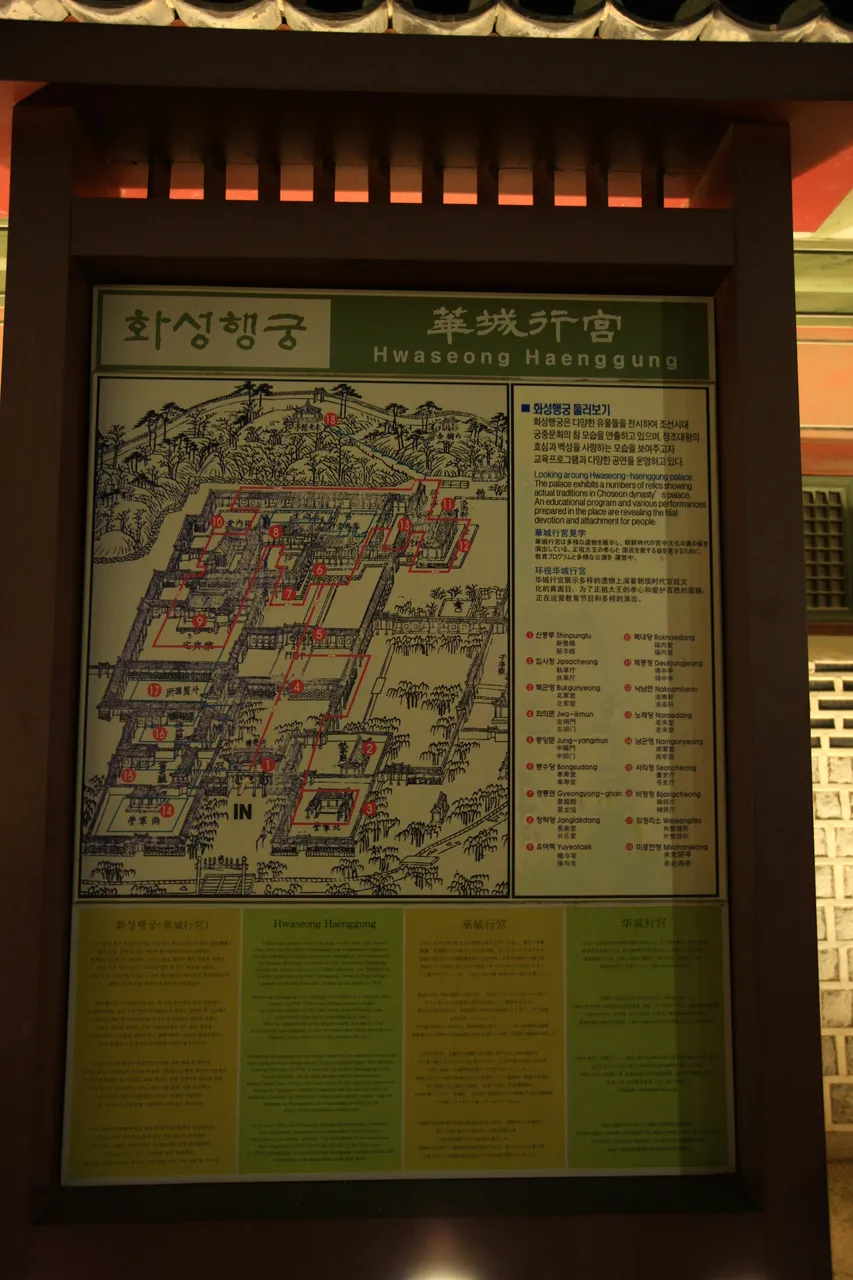
Suwon Hwaseong Fortress [UNESCO World Heritage] (수원 화성) is a strong first choice for a transit-based historical day trip. Suwon was one of four main regional government centers during the Joseon dynasty, and Hwaseong Fortress was built to protect the city. The fortress was designated as a UNESCO World Cultural Heritage Site on December 12, 1997. Its walls stretch for approximately 5.7 kilometers, with Paldalsan Mountain at the center.
The listed location is Yeonghwa-dong, Jangan-gu, Suwon-si, Gyeonggi-do. The fortress is listed as open 24 hours and open year-round. Parking is available, but the value for foreign visitors is that Suwon can also be planned as a rail-and-walk day rather than a car route.
For an easier packaged option, TripKorea’s listings include Suwon Hwaseong Fortress day tours from Seoul, Suwon Hwaseong tours, and Suwon private charter options. These are useful when combining the fortress with Korean Folk Village or another Gyeonggi-do stop.
Gwangmyeong Cave: Industrial Heritage Near Seoul
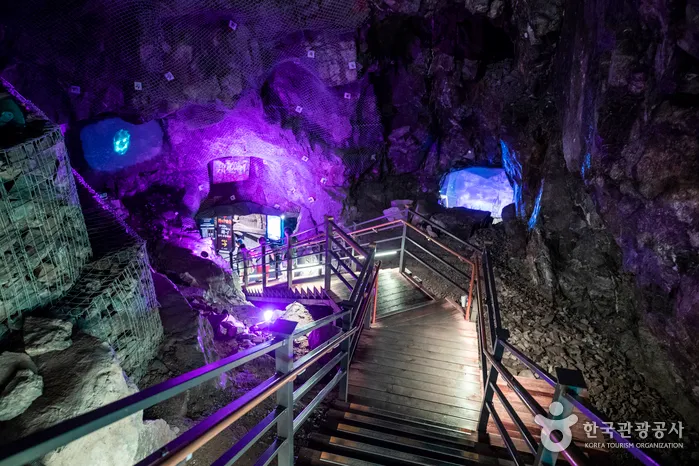
Gwangmyeong Cave (광명 동굴) is listed at 142 Gahak-ro 85beon-gil, Gwangmyeong-si, Gyeonggi-do. The cave was developed in 1912 during the Japanese colonial period to exploit resources including gold, and continued to be used for industrial purposes after liberation. After the mine closed in 1972, it was used as a salted seafood warehouse for about 40 years before Gwangmyeong City purchased and reorganized the site for public use.
The site is listed as a modern industrial heritage attraction. Its listed hours are 09:00 to 18:00, with last entry at 17:00. Mondays are listed as the rest day. Individual admission is listed as 10,000 won for adults, 5,000 won for teenagers, and 3,000 won for children. A VR experience is also listed.
TripKorea’s Klook-linked listings include Seohaerang Cable Car, Gwangmyeong Cave, and Suwon day tours from Seoul and private charter routes that include Gwangmyeong Cave and Suwon Hwaseong Fortress.
🚨 Planning note: Because Gwangmyeong Cave lists Monday closure and last entry at 17:00, it should be planned earlier in the day than evening-based city stops.
Incheon: Chinatown, Open-Port Streets, and Wolmido
Incheon Chinatown (인천 차이나타운) developed after the opening of Incheon Port in 1883 and Incheon’s designation as an extraterritoriality of the Ching dynasty the following year. The area was once associated with stores trading goods imported from China; today, many Chinese businesses in the area are restaurants, and many residents are second- or third-generation Chinese descendants of early settlers. The listed address is 20 Chinatown-ro 59beon-gil, Jemulpo-gu, Incheon.
Wolmido Island (월미도), listed at 36 Wolmimunhwa-ro, Jemulpo-gu, Incheon, adds a waterfront stop to the same broad Incheon direction. Wolmi Culture Street opened in July 1989 and contributed to the area’s visitor appeal. Wolmido also has earlier historical associations, including a temporary palace built in 1653 during King Hyojong’s reign, although traces of that palace are no longer visible.
For visitors who want this as a structured no-car route, TripKorea’s listings include Incheon day tours from Seoul, Incheon private car and transfer options, and activity products around Wolmido, Yeongjongdo, Songdo, and Ganghwa-do.
For overnight positioning near the airport or open-port district, use hotels near Incheon Chinatown, Incheon Airport hotels, or Songdo hotels.
Paju: Imjingak and the DMZ Peace Gondola
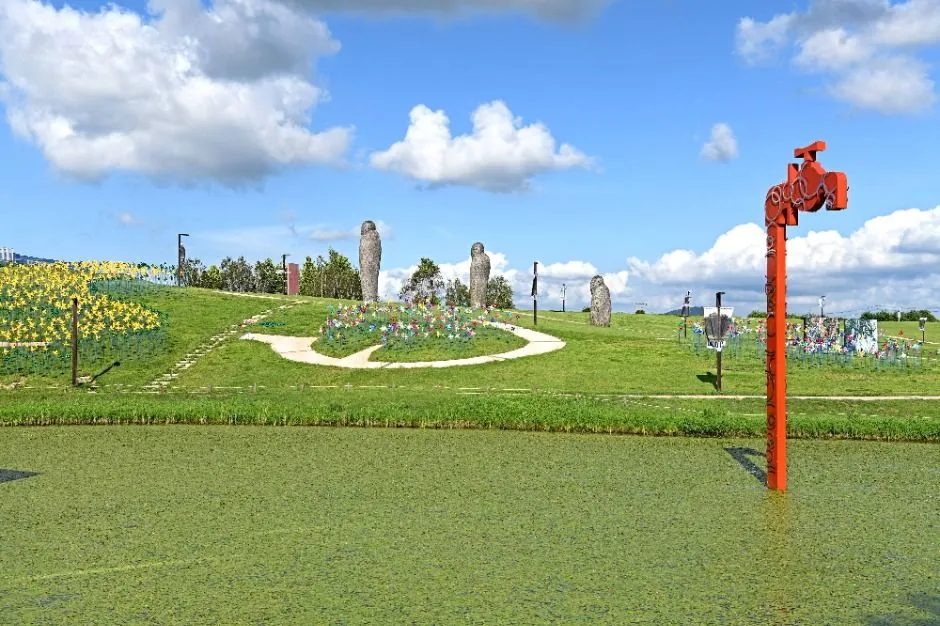
Imjingak Resort (Pyeonghwa Nuri Park) (파주 임진각 평화누리공원) is listed at 177 Imjingak-ro, Munsan-eup, Paju-si, Gyeonggi-do. The site is approximately 56 kilometers from Seoul City Hall and 7 kilometers from the DMZ. It includes war-related artifacts, Pyeonghwa Nuri Park, the Freedom Bridge, the Imjingang rail bridge from the Korean War, a memorial hall, monuments, and recreation areas.
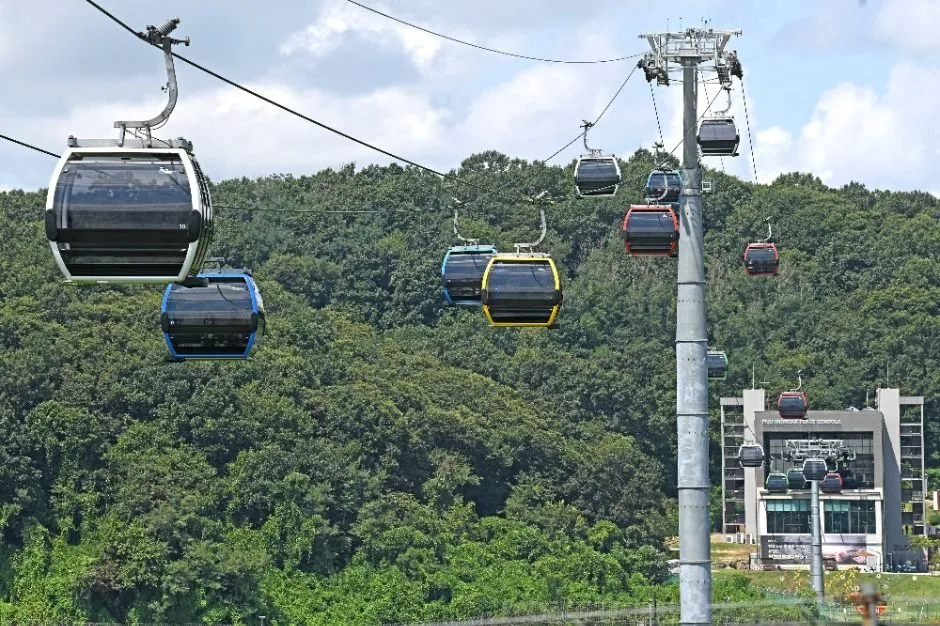
Paju Imjingak Peace Gondola (DMZ Peace Gondola) (파주 임진각평화곤돌라) is located in the Imjingak Tourist Complex and connects Imjingak Resort with Camp Greaves. It is listed as Korea’s first gondola to cross over the Civilian Control Zone. General-cabin round-trip fees are listed as 12,000 won for adults and 10,000 won for children. Crystal-cabin round-trip fees are listed as 15,000 won for adults and 13,000 won for children.
Weekday operating hours are listed as 09:00 to 18:00, with last ticketing at 17:30. Weekend and public-holiday hours are listed as 09:00 to 19:00, with last ticketing at 18:30. The gondola closes for quarterly maintenance on the first Monday of March, June, September, and December.
TripKorea’s Klook-linked listings include Paju and DMZ tours, DMZ day tours departing from Seoul, and DMZ shuttle and private transfer options.
🚨 Planning note: DMZ-related itineraries can be affected by security rules, weather, and supplier schedules. Confirm identification requirements and the exact access area before booking.
Yangpyeong and Pocheon: Scenic Routes Beyond the Subway Core
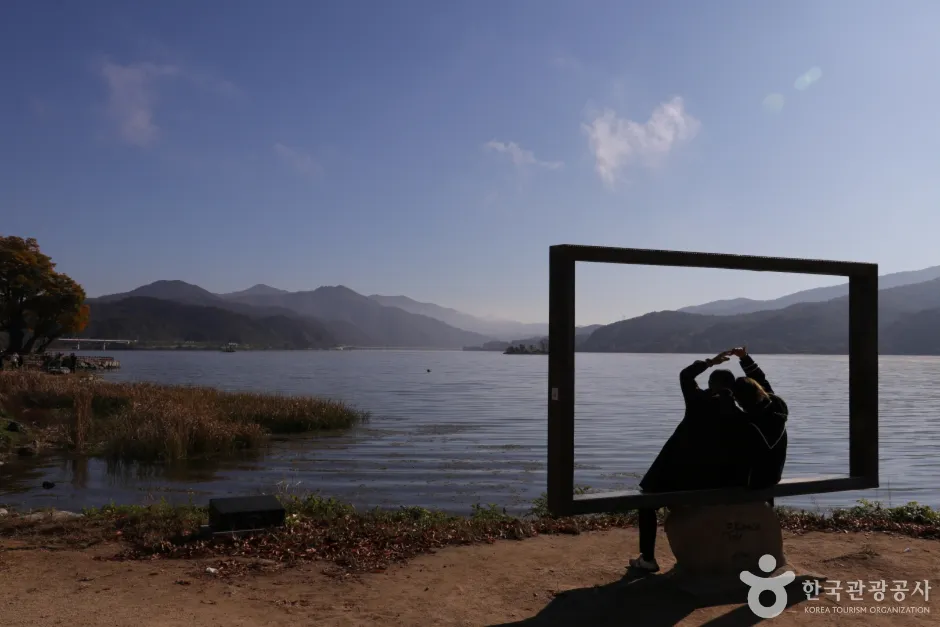
Yangpyeong Dumulmeori (양평 두물머리) is listed at 145 Dumulmeori-gil, Yangseo-myeon, Yangpyeong-gun, Gyeonggi-do. Its name means “two heads of water,” referring to the place where the Bukhangang River and Namhangang River meet. The site includes an old-style ferry dock, weeping willows, and three 400-year-old Zelkova trees that appear as one large tree. It is listed as open 24 hours and open year-round, with paid parking nearby.
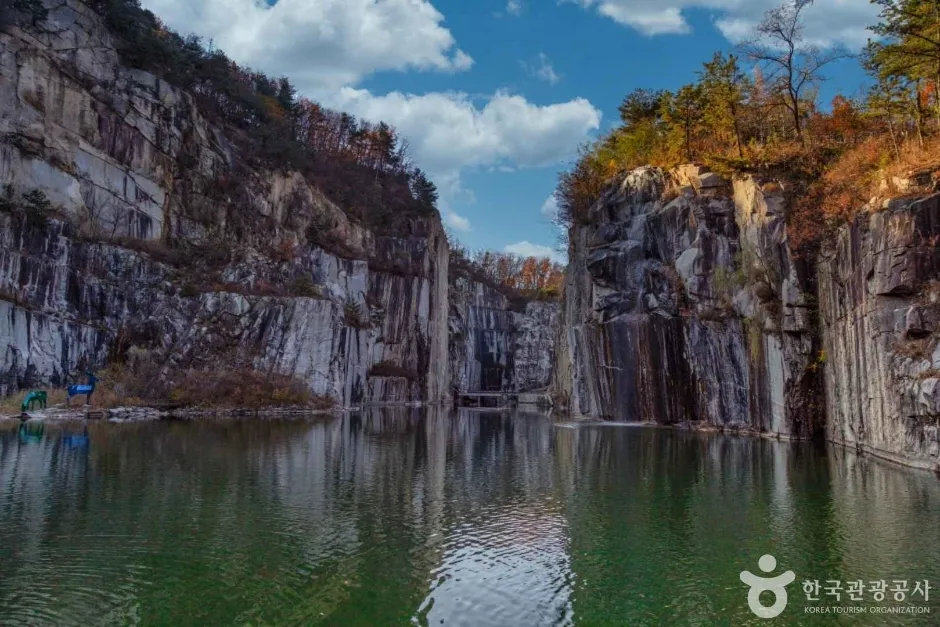
Pocheon Art Valley [Hantangang UNESCO Global Geopark] (포천아트밸리) is listed at 234 Art valley-ro, Sinbuk-myeon, Pocheon-si, Gyeonggi-do. The site was created from an old rock quarry and developed into an art and culture complex. An astronomical observatory opened in 2014. Listed hours are March to October from 09:00 to 19:00 Monday to Thursday, 09:00 to 22:00 on Friday, Saturday, and public holidays, and 09:00 to 20:00 on Sundays. From November to February, listed hours are 09:00 to 18:00. The first Tuesday of every month is listed as the rest day.
These two routes are less straightforward than Suwon or Incheon by independent transit, so private transfer or guided routing may be useful. TripKorea’s listings include Hantan Canyon, Pocheon, and seasonal Gyeonggi-do day tours as well as Seoul private transport options.
Yongin: Folk Culture and Theme Park Routes
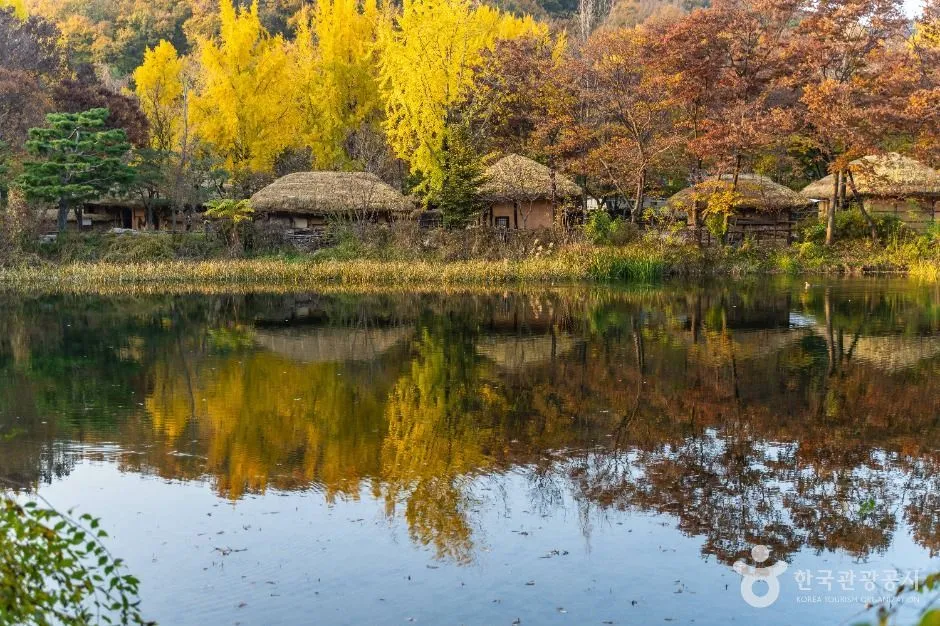
Korean Folk Village (한국민속촌) is listed at 90 Minsokchon-ro, Giheung-gu, Yongin-si, Gyeonggi-do. The site presents late-Joseon-period traditional culture through restored houses, cultural classes, seasonal customs, folk music, martial arts on horseback, traditional wedding ceremonies, and seasonal performances. It is listed as open year-round, with Monday to Thursday hours from 10:00 to 18:00 and Friday and weekend hours from 10:00 to 22:00.
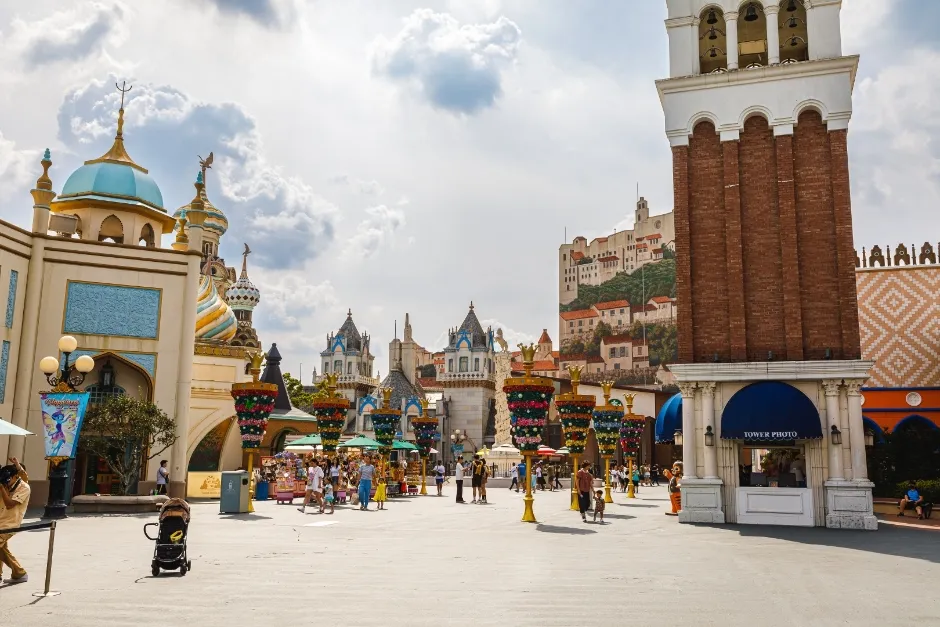
Everland (에버랜드), also in Yongin, is listed at 199 Everland-ro, Cheoin-gu, Yongin-si, Gyeonggi-do. It opened on April 17, 1976 and is organized into five themed areas: Global Fair, American Adventure, Magic Land, Zootopia, and European Adventure. It is listed as open year-round, with operating hours varying by month and published on the official website.
For transit-focused visitors, Yongin is easier with a ticket-and-transfer product. TripKorea’s listings include Everland day tours with transfers, Seoul to Everland shuttle bus options, and Korean Folk Village and Suwon Hwaseong Fortress day tours.
Where to Stay for Transit-Based Day Trips
For most day trips departing from Seoul, central districts still work well. Use Myeongdong hotels for central pickup access, Jongno hotels for historical sightseeing before or after a day trip, or Hongdae hotels for airport-rail and western Seoul access.
If the day trip becomes an overnight route, choose the destination base instead. Consider hotels near Suwon Hwaseong Fortress, hotels near Incheon Chinatown, or hotels in Paju for slower regional travel.
Frequently Asked Questions
What is the easiest Seoul day trip by transit?
Suwon, Gwangmyeong, and Incheon are among the easier choices because they are close to Seoul and have clear anchor attractions. Paju, Yangpyeong, Pocheon, and Yongin can also work, but some routes are easier with a guided tour, shuttle, or private transfer.
Can I book these Seoul day trips before arriving in Korea?
Yes. TripKorea’s Klook-linked listings include day tours, tickets, shuttles, private transfers, and regional activity routes. Availability depends on the date, meeting point, season, and supplier inventory.
Which route is suitable for history-focused travelers?
Suwon Hwaseong Fortress, Korean Folk Village, Incheon Chinatown, Imjingak Resort, and the DMZ Peace Gondola all have strong historical or cultural content. The Paju route requires extra attention to access rules and schedule changes.
Which routes are more weather-resistant?
Gwangmyeong Cave and some Yongin or Incheon ticketed attractions are more structured than open-river or mountain-view routes. Dumulmeori and Pocheon Art Valley are more exposed to weather, so confirm conditions before traveling.
Should I stay overnight outside Seoul?
For Suwon, Gwangmyeong, Incheon, and Paju, most travelers can return to Seoul the same day. For slower regional travel or late-start itineraries, staying in Suwon, Incheon, or Paju can reduce transfer pressure.
Plan Your Seoul Day Trips by Transit
1. Start with the easiest Seoul base
Use Myeongdong hotels, Jongno hotels, or Hongdae hotels if your trip starts and ends in Seoul.
2. Match the destination to the transport style
Use Suwon activities for fortress routes, Incheon activities for open-port and coastal routes, and Paju activities for DMZ-area planning.
3. Use tours and transfers where they save time
For Gwangmyeong Cave, Pocheon Art Valley, Yongin, and Paju, compare Seoul day tours, Seoul transport listings, and destination-specific transport pages before choosing an independent route.
Seoul day trips by transit are easiest when the destination, ticket, transfer, and return plan are checked together before departure.
Sources & References
Data Sources:
- Tourist Attraction and Leisure Information: Korea Tourism Organization (TourAPI)
- Photos: Korea Tourism Organization Photo Korea and TourAPI image records
- Activity, Ticket, and Transport Links: TripKorea Klook-linked listings snapshot
Official Sites:
Last verified: 2026-08-15
All information verified at time of drafting. Operating hours, admission fees, guided-tour inventory, security access rules, and transport schedules are subject to change. Please confirm before visiting.