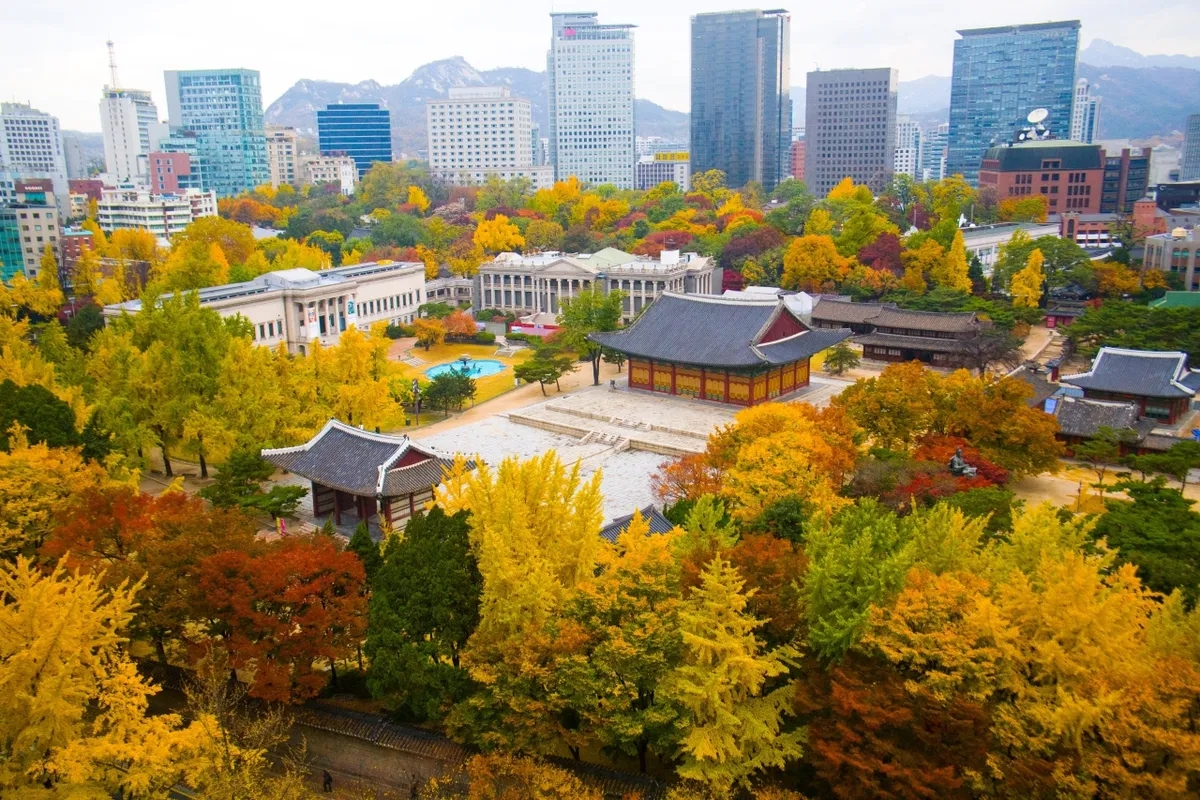
Seoul Forest (서울숲) opened in 2005 on land shaped by waterworks, horse racing and other earlier uses. Today, lawns, wooded paths, wetland planting and reused water-treatment structures form a public landscape within Seongsu, in eastern Seoul. This guide focuses on the park and its urban setting, including seasonal facilities, wildlife viewing and the different rules for the main grounds and ecological areas.
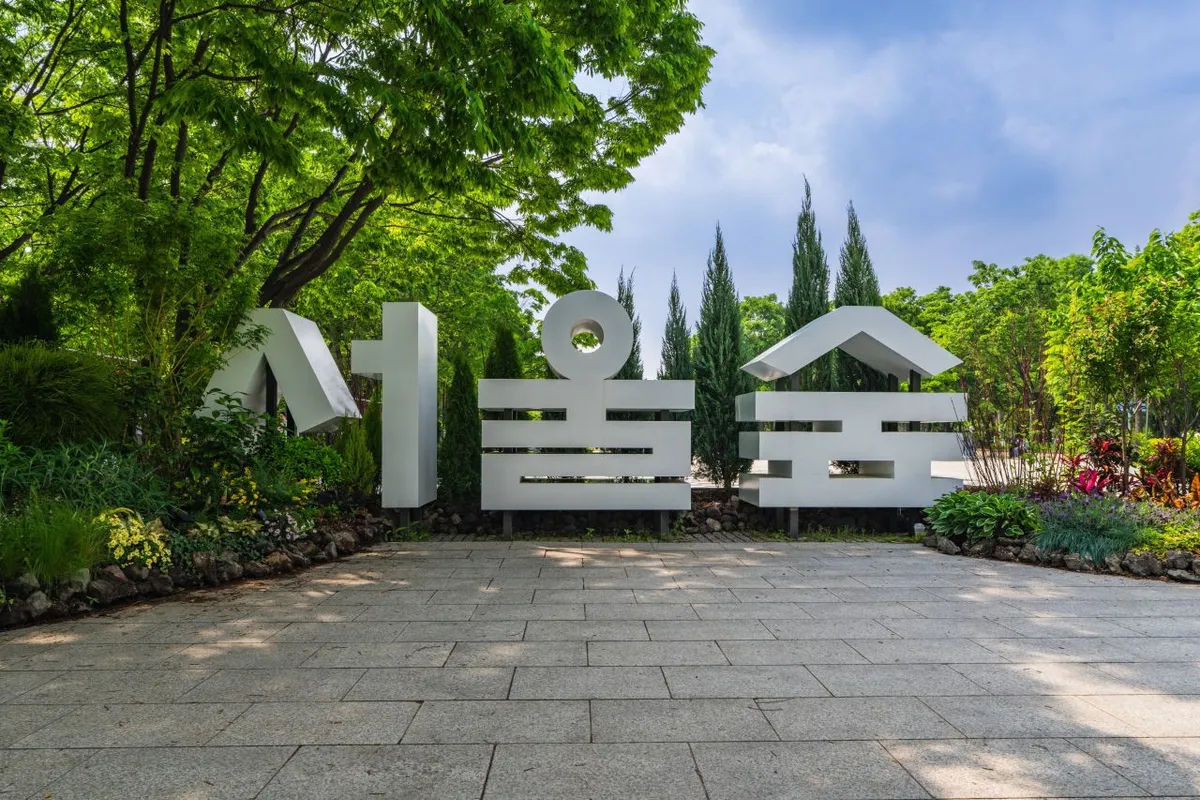
Photo: Korea Tourism Organization / Seo Mun-gyo (서문교), May 2025.
1. Seoul Forest and the Seongsu landscape
The park opened on June 18, 2005, following a decision to create green space instead of proceeding with a development project at Ttukseom. Its history reaches further back: the area included royal hunting grounds, early waterworks, a racecourse and a golf course. The present landscape is therefore a conversion of urban land, not a surviving tract of untouched forest.
Four principal themed areas organize the park: the Culture & Art Park (문화예술공원), Ecological Forest (자연생태숲), Experiential Learning Park (자연체험학습원) and Wetland Ecological Garden (습지생태원). They serve different purposes, from open recreation and cultural activity to habitat observation and environmental learning.
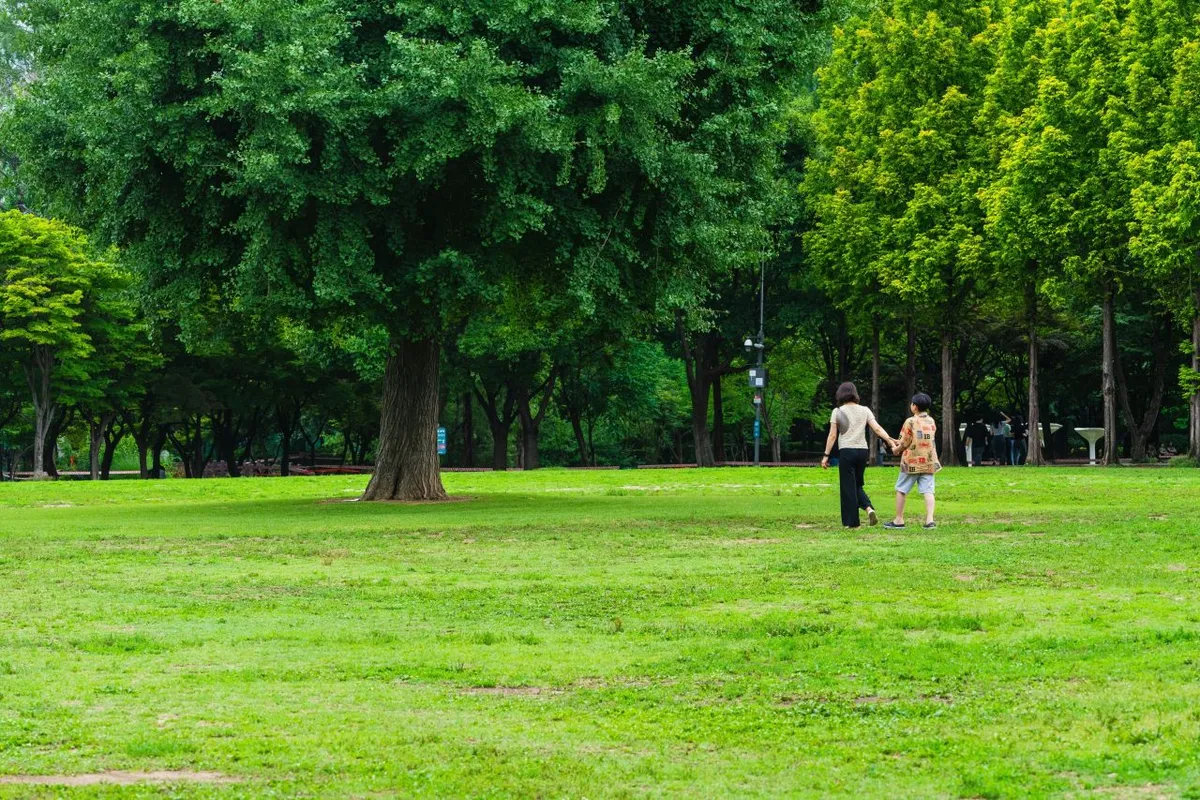
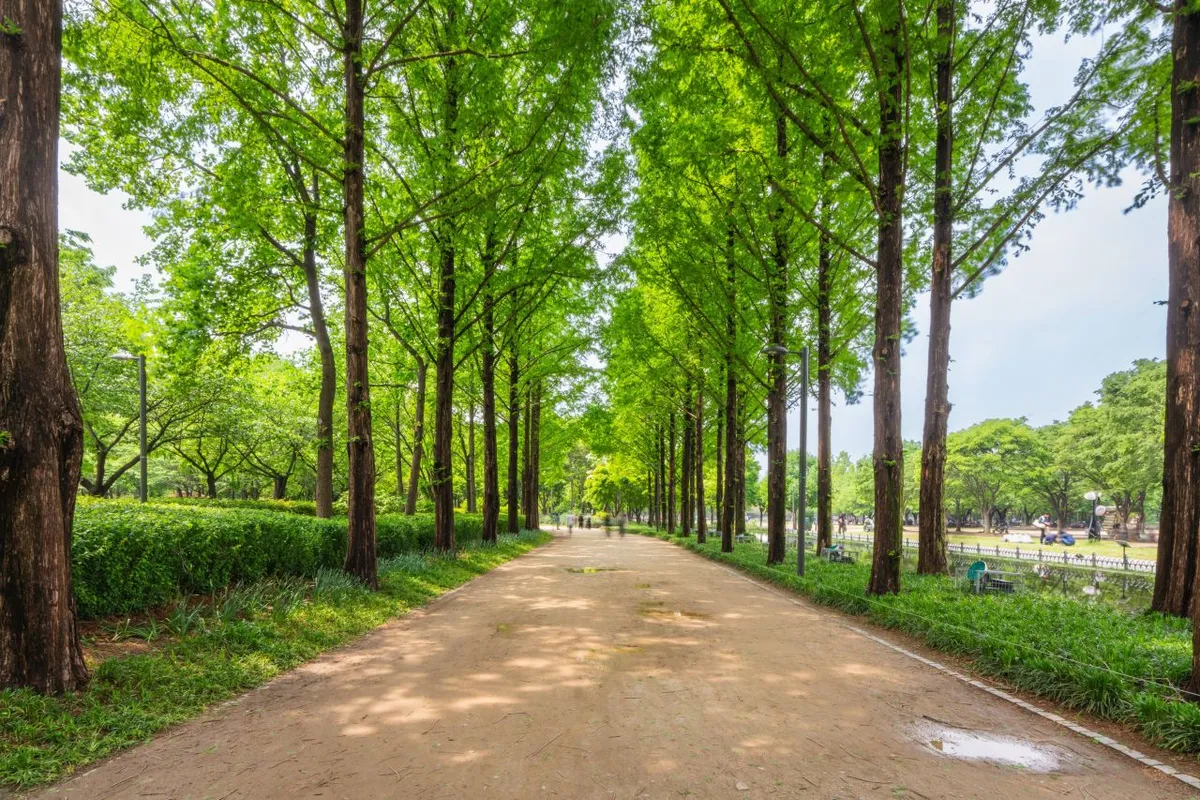
Photo: Korea Tourism Organization / Kim Ju-won (김주원), July 2024.
The Culture & Art Park contains lawns, tree avenues, water features, sculpture and an outdoor theater. These are permanent landscape elements rather than a single scheduled attraction. A visit can focus on trees and open space without depending on a concert, exhibition or temporary event.
The horse-racing sculpture START (출발) recalls the former racecourse. Elsewhere, water-treatment structures remain part of the gardens. Looking for these traces gives the park a historical context beyond its greenery: the site preserves elements of the city’s infrastructure while providing space for contemporary public use.
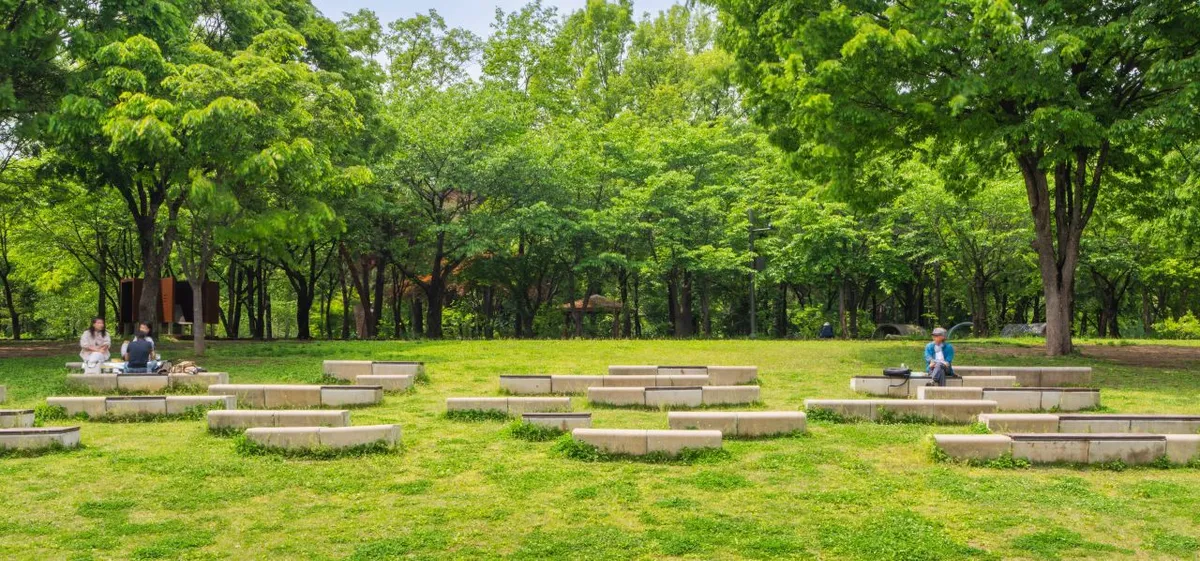
Photo: Korea Tourism Organization / Seo Mun-gyo (서문교), May 2025.
Seongsu is the surrounding urban district, not another name for every part of the park. Buildings at its edges remain visible above the trees and across the water. This guide concentrates on that relationship between park and city rather than presenting a shopping or café itinerary.
TripKorea’s Tip: Choose the areas that match your interests rather than treating all four as a compulsory circuit. Lawns, ecological observation and indoor plant displays have different access conditions.
2. Tree avenues, water and reused structures
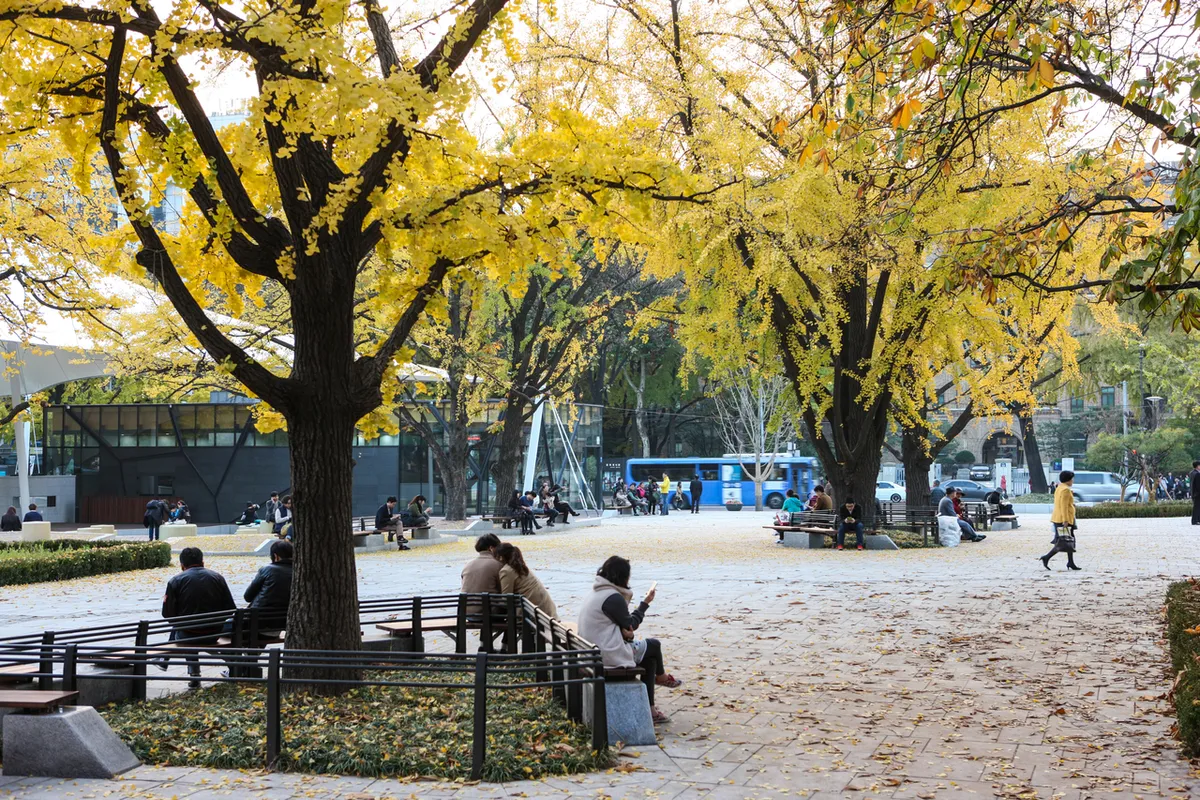
The family lawn provides an open grass landscape bordered by mature trees. Other paths pass through more closely planted areas, with tree avenues offering a different scale from the open grounds. Ginkgo and metasequoia routes are identified on the park map, but their appearance changes with the season and weather.
Water is another organizing feature. A shallow reflective pond mirrors nearby trees, while the Central Lake has waterside walking and resting areas. These are places to observe the relationship between planting, reflections and the surrounding skyline, not guarantees of a particular photographic condition.
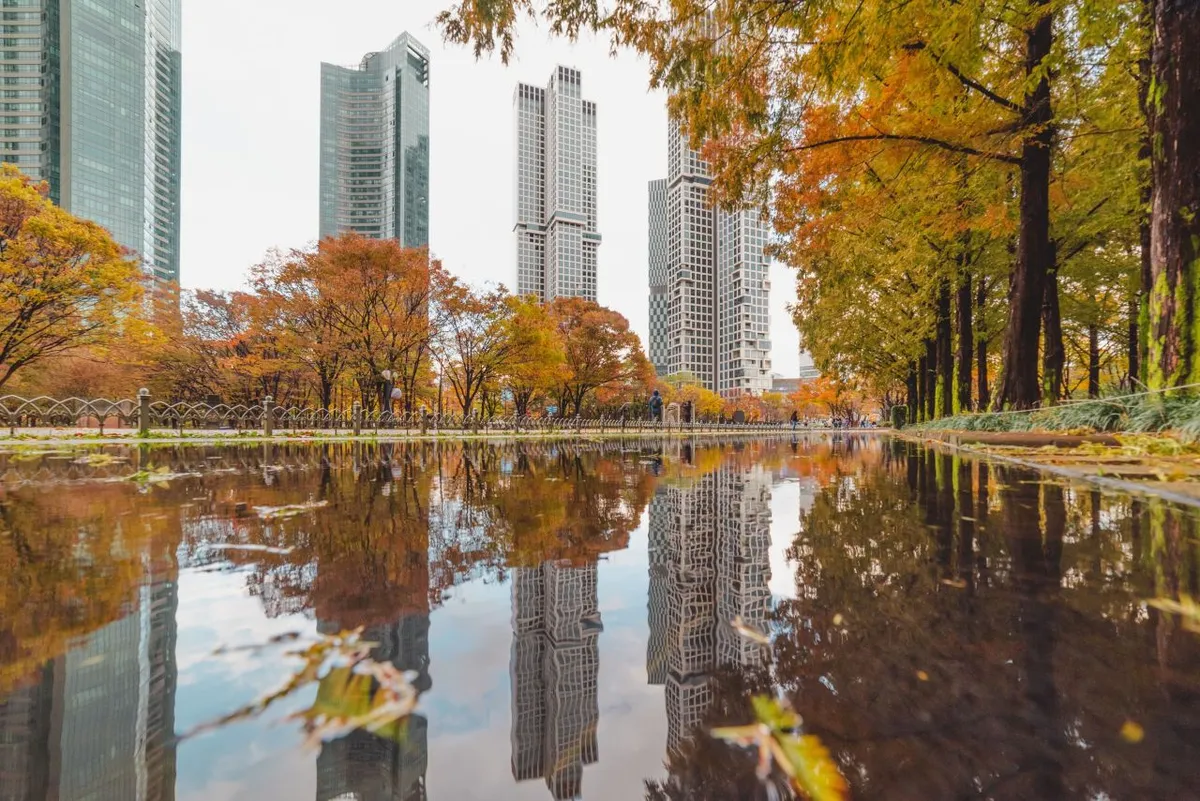
Photo: Korea Tourism Organization / Lim Tae-won (임태원), November 2023.
Autumn-colored leaves, flowers and dense green foliage appear in photographs taken at different times of year. None establishes the conditions on a future visit. This guide’s images carry capture dates, so a November pond scene should not be read as a promise of peak color on a specified October day.
The Experiential Learning Park makes the site’s infrastructure history visible. The Gallery Garden reuses structures from former water-treatment sedimentation tanks. The Insect/Plant Garden occupies a greenhouse adapted from a former rapid-filtration building. Their construction history is part of what distinguishes these spaces from a newly built ornamental garden.
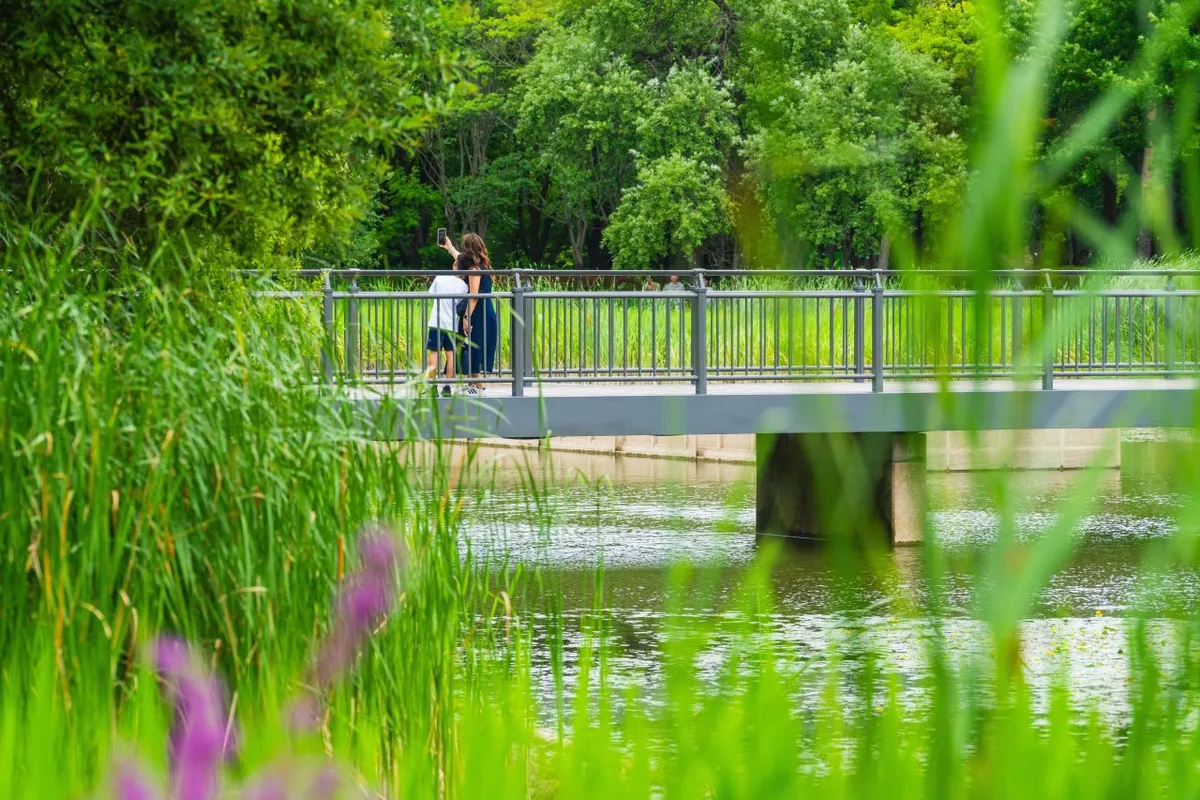
Photo: Korea Tourism Organization / Kim Ju-won (김주원), July 2024.
The wetland area provides another type of landscape, with wetland planting, environmental-learning spaces and a birdwatching location identified on the map. Observe from designated paths and platforms. The presence of a habitat does not guarantee sightings of a particular bird or animal, and planting conditions vary through the year.
The park also connects toward the Hangang River. An elevated pedestrian bridge passes above the ecological forest and links the Hill of Wind area with Hangang Park. This connection is useful when considering the wider public landscape, but it has its own opening period and may be affected by temporary access restrictions.
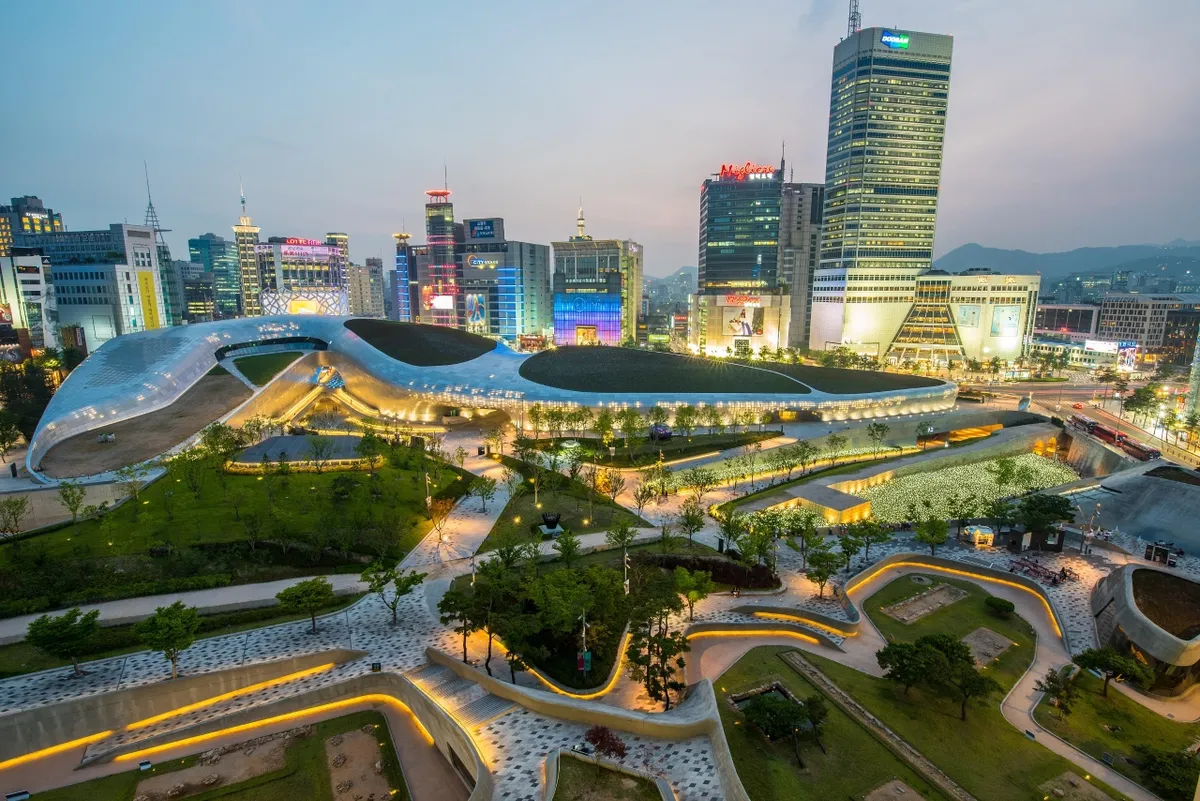
TripKorea’s Tip: Aerial photographs show the park’s relationship to the city; they do not indicate a publicly accessible rooftop viewpoint. Use ground-level paths and designated viewing areas during your visit.
3. Opening hours, seasonal facilities and deer viewing
General admission is free, and the main park grounds are open 24 hours throughout the year. This does not make every building, habitat area or river connection available overnight. Parking, reserved sports facilities and separately operated programs should not be assumed to be free because park admission is free.
The Ecological Forest, deer enclosure and pedestrian bridge operate from 05:30 to 21:30. These hours apply separately from the main grounds. Follow any additional barriers or notices rather than assuming that an open park entrance permits access to every internal area.
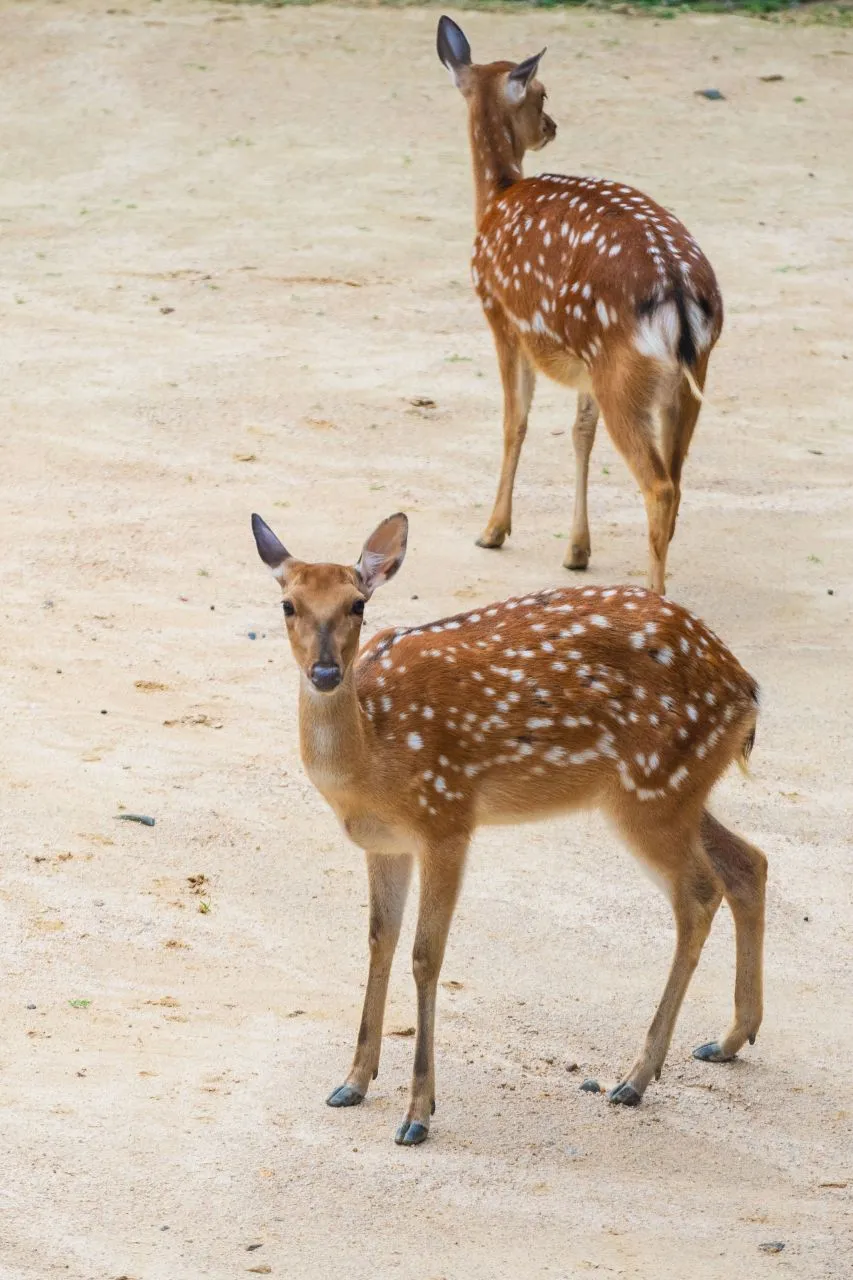
Photo: Korea Tourism Organization / Kim Ju-won (김주원), July 2024.
The deer enclosure is an observation area, not a promised hands-on encounter. Deer-feed sales stopped in 2020, so buying feed should not be part of your plans. The photograph here illustrates an earlier visit and does not guarantee that deer will be visible in the same position or conditions.
The Insect/Plant Garden opens from 10:00 to 17:00 in March–October, with last admission at 16:30. In November–February, hours shorten to 10:00–16:00, with last admission at 15:30. It closes on Mondays. This indoor facility contains plant and animal displays, but a particular species should not be treated as guaranteed without a current display notice.
The Butterfly Garden operates from May through October, from 10:00 to 17:00, with last admission at 16:30, and closes on Mondays. It is seasonally closed from November through April. Its winter closure is separate from the greenhouse’s reduced winter hours.
Fountains, outdoor stages and special programs have their own seasonal or event arrangements. Their presence on a map is not evidence of operation when you arrive. Likewise, an event advertised for an earlier period should not be treated as part of the park’s permanent program.
TripKorea’s Tip: For a late-afternoon visit in winter, distinguish the greenhouse’s 15:30 last admission from the later ecological-area closing time. The main grounds’ overnight opening does not extend either schedule.
4. Subway access, visitor facilities and park rules
Seoul Forest Station (서울숲역) on the Suin–Bundang Line provides an approach via Exit 4. Ttukseom Station (뚝섬역), Exit 8, on Subway Line 2 is another access option. These are different stations on different lines, not alternative exits from a single station.
The park address is 273 Ttukseom-ro, Seongdong-gu, Seoul (서울특별시 성동구 뚝섬로 273). For visitor enquiries, call 02-460-2905. Choose your entrance according to the part of the park you intend to visit rather than relying on a single walking-time estimate for the entire site.
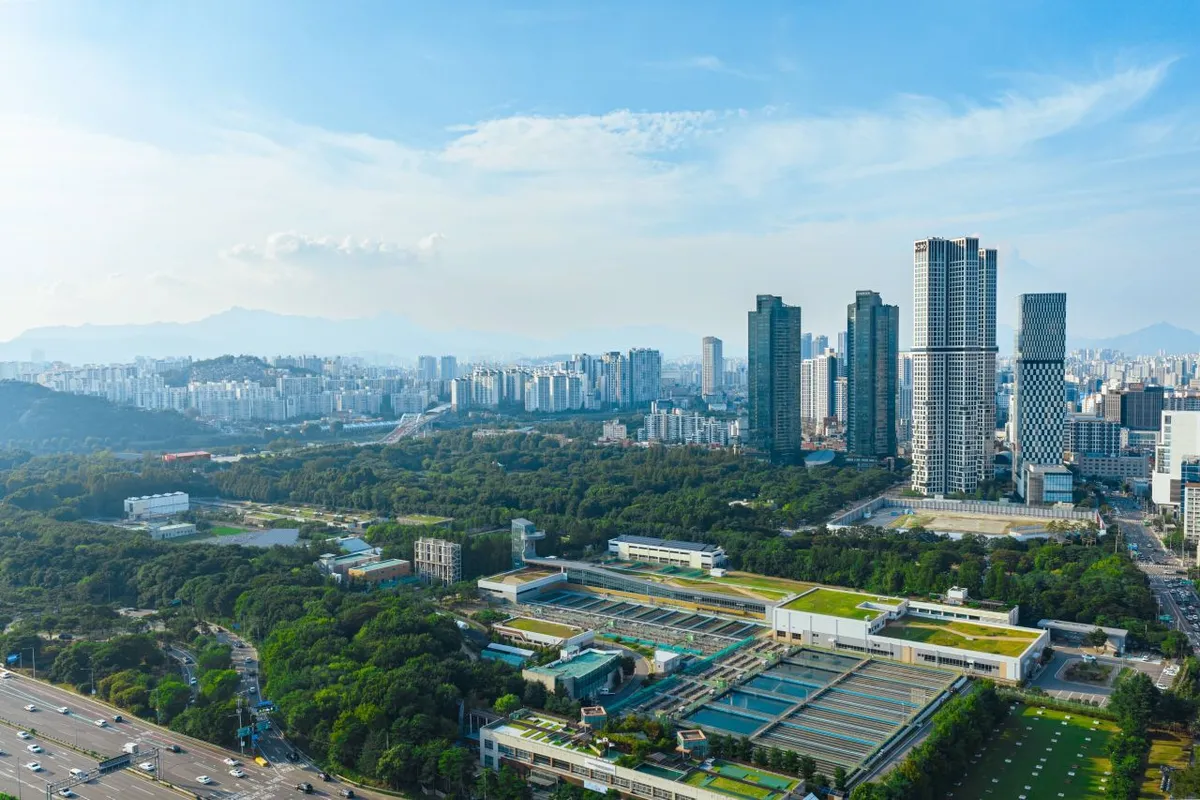
Photo: Korea Tourism Organization / Seo Mun-gyo (서문교), August 2025.
The Visitor Center operates from 09:00 to 18:00. Wheelchairs and strollers can be borrowed free for up to two hours with identification. Availability and suitability should be confirmed when needed. These services do not establish a continuous step-free route from either station to every garden, elevated bridge or river connection.
Core park paths are pedestrian-only under the city’s 2026 rules: dismount and push a bicycle rather than riding through them. Cycling remains permitted on the designated Ttukseom water-treatment-center–Hangang section outside the restricted core. Follow current signs, since the rule is not a blanket ban on the entire riverside network.
Pets must remain on a lead within two meters, and owners must clean up after them. Keep pets out of lawns and gardens and off benches or resting platforms. Permission to accompany a visitor in the park does not mean access to every building or the deer enclosure.
Tents, including shade tents, are prohibited. The park is smoke-free, and visitors must not damage planting or pick flowers or fruit without permission. Drone use requires approval; the aerial image in this guide is not permission to launch a personal drone. Observe animals without harming or capturing them.
For a base in the surrounding district, compare hotels in Seongsu. Check each property’s location against the station and park entrance you intend to use.
Frequently Asked Questions
Is Seoul Forest free to enter?
Yes. General park admission is free. Separate charges or reservations can apply to parking, sports facilities or individual programs.
Is every part of the park open 24 hours?
No. The main grounds are open 24 hours, but the Ecological Forest, deer enclosure and pedestrian bridge operate from 05:30 to 21:30. Indoor facilities have separate schedules.
Is the Butterfly Garden open in winter?
No. It is closed from November through April. The Insect/Plant Garden remains on a reduced winter schedule, closing on Mondays.
Which subway station should I use?
Use Seoul Forest Station on the Suin–Bundang Line, Exit 4, or Ttukseom Station on Line 2, Exit 8. Select the approach that suits your arrival route and intended park area.
Can I ride a bicycle through the park?
Not on the core pedestrian-only paths; dismount and push it there. A designated riverside section retains cycling access, so follow the posted boundaries rather than relying on older general cycling advice.
Plan your Seongsu visit
For a Seoul Forest visit, browse Seongsu hotels and confirm the opening hours of any seasonal facilities before setting your plans. For other attractions across the capital, explore things to do in Seoul.
Sources & References
Park history and landscape: Seoul Parks’ Seoul Forest introduction and access, landscape and facilities guide and English park map. Location and opening history cross-checked against Korea Tourism Organization’s Seoul Forest attraction information.
Visiting conditions: Seoul Parks’ facility opening hours, visitor FAQ and park notices; Visit Seoul’s Korean visitor guide; Seoul Metropolitan Government’s March 26, 2026 pedestrian-path rules. Winter greenhouse hours follow the Korean operator information; some English materials retain a different opening time.
Photography: Korea Tourism Organization, KOGL Type 1. Photographers and capture dates appear with the images. The hero is by Seo Mun-gyo (서문교), May 2025. Archival photographs illustrate the park, not current foliage, wildlife availability or program operation. Photo service and reuse terms.
Last verified: October 27, 2026. Facility hours, access conditions and programs are subject to change. Please confirm the latest notices before visiting.