Cash or card in Korea is one of the first practical questions for travelers because the Korean won (KRW) is the only everyday settlement currency, while card payment is widely used in visitor areas. This guide explains when to use cards, when to keep cash, how currency exchange works, and how transport cards fit into daily payments, using official Korea Tourism Organization and Seoul Metropolitan Government sources.
It does not list a daily exchange rate because rates change by date, provider, card network, and commission. For current reference rates, check Korea Eximbank or your bank before travel, then confirm the actual rate shown at the exchange counter, ATM, or card issuer.
1. The Problem: Card Payment Is Common, but Cash Still Matters
Korea is highly card-friendly in major travel settings. Visit Korea states that most businesses in Korea widely use and accept credit cards, including major hotels, department stores, and general shops. Visa, MasterCard, American Express, and other credit cards can be used, but Visit Korea also tells visitors to check service availability because some stores may not provide this service.
That is the key balance for foreign visitors. A card can handle many hotel, café, restaurant, retail, and attraction payments, but it should not be your only payment method. Overseas card security blocks, contactless terminal differences, temporary network issues, small-store policy, and public-transport recharge situations can all create payment friction.
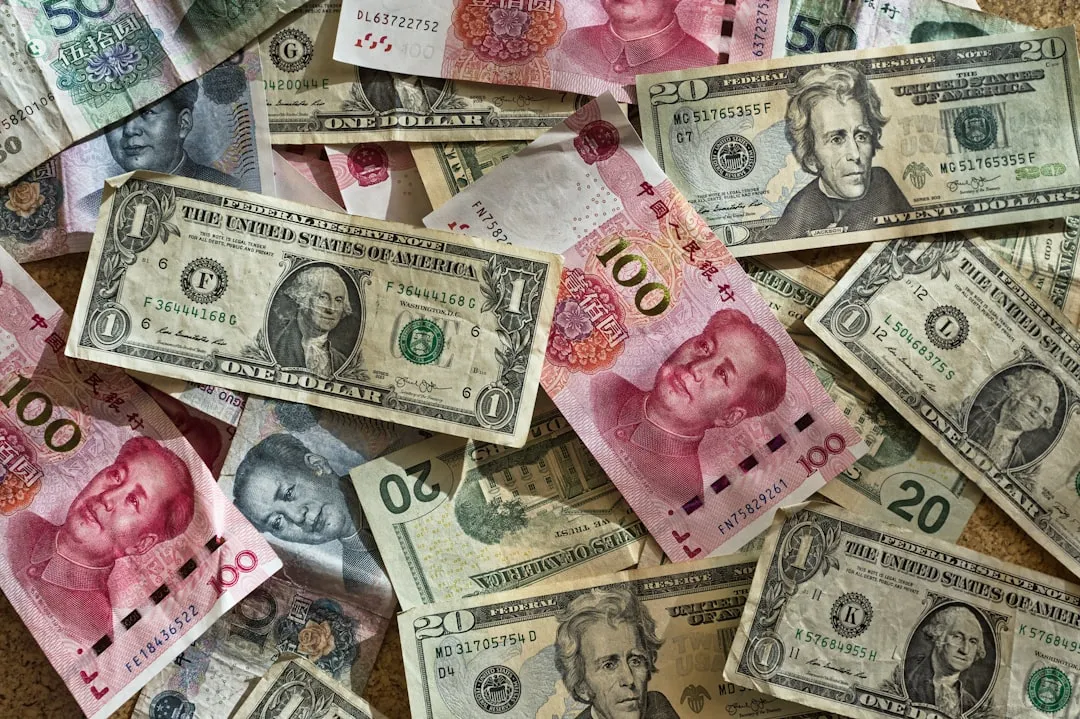
Korean won cash is still useful for backup situations. It can help with transport-card recharging, small markets, lockers, older vending machines, emergency taxis when a card fails, and small businesses that cannot process a foreign card at that moment. The practical rule is not “cash only” or “card only.” The safer approach is card-first, cash-backup.
💰 Money Tip: Before departure, enable overseas card use with your bank, confirm withdrawal limits, and save the card issuer’s emergency phone number outside your wallet. If the issuer blocks a transaction, having a second card from another network can prevent a small payment problem from interrupting the day.
2. The Solution: Use a Two-Layer Payment Setup
The most reliable setup is simple: one or two international payment cards, a small amount of KRW cash, and a separate transportation card. This separates hotel and shopping payments from subway and bus payments, which makes daily travel easier.
Visit Korea identifies the Korean won as Korea’s official monetary unit. It lists banknotes of 50,000 won, 10,000 won, 5,000 won, and 1,000 won, and coins of 500 won, 100 won, 50 won, and 10 won. Travelers do not need to memorize every denomination, but recognizing the main notes helps when topping up a transport card, paying at a market, or checking change.
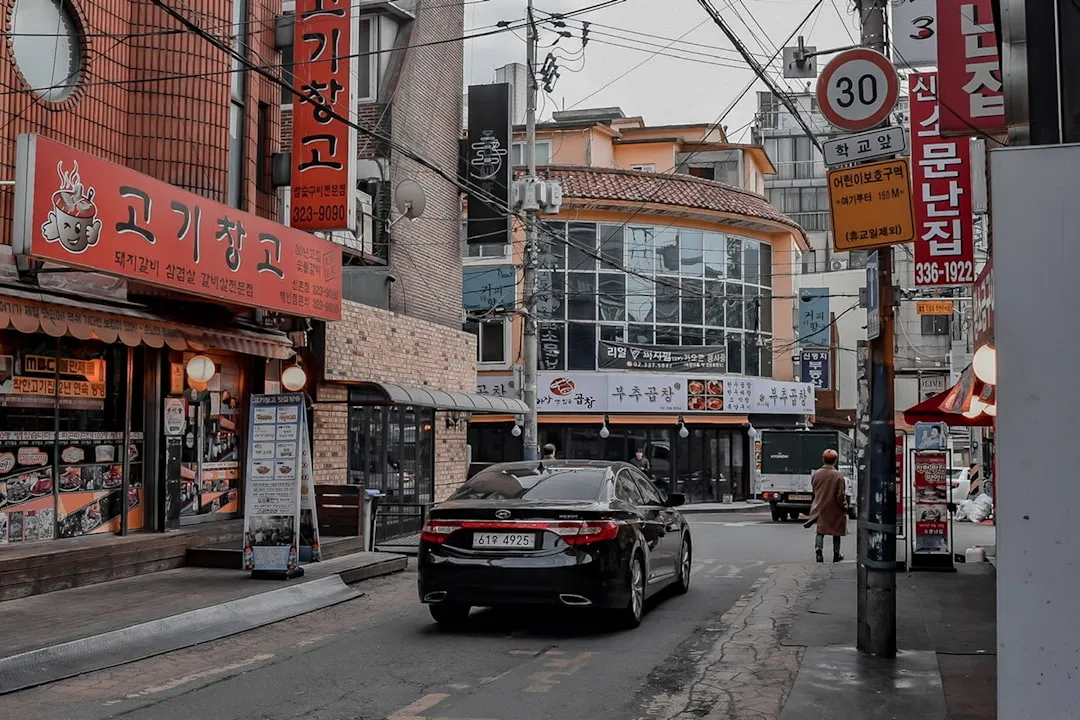
For currency exchange, Visit Korea advises travelers to use a bank or an authorized exchange service center when exchanging foreign currency into Korean won. It also notes that banks are generally open from 09:00 to 16:00 on weekdays, while Korea Post Bank operates from 09:00 to 16:30. Operating hours can vary by bank and region, so visitors should check before going.
Airport exchange counters can be useful for arrival cash, especially before reaching the city. They are not the only option. Banks and authorized exchange centers in city areas may also be available, depending on your location and schedule. Old foreign currency may not be accepted at some locations, so travelers carrying older banknotes should check acceptance before relying on them.
🚨 Important Warning: Do not plan a fixed budget using a single rate from a blog post. Exchange rates and card conversion rates move daily, and retail exchange counters may apply different spreads or fees. Use official reference sources such as Korea Eximbank for current context, then check the actual rate shown at the point of transaction.
3. Step-by-Step Guide to Paying in Korea
Step 1: Prepare cards before departure
Bring at least two payment methods if possible. A primary credit or debit card can handle most hotel, shopping, restaurant, and attraction payments, while a backup card helps if the first one is blocked or rejected. If your bank app requires SMS verification, make sure your phone plan or eSIM setup can receive the required authentication method overseas.
Check whether your card charges foreign transaction fees and whether dynamic currency conversion is offered at terminals. If a payment screen asks whether to pay in KRW or your home currency, many travelers prefer KRW so their own card issuer handles the conversion. This is a general payment principle, not a Korean regulation, so check your card’s terms before travel.
Step 2: Exchange enough KRW for practical backup
Exchange or withdraw a small amount of KRW for the first stage of the trip. The exact amount depends on your itinerary, arrival time, and hotel location, so this guide does not state a universal number. The goal is to cover transport-card needs, small purchases, and backup payments if a card fails.
If using an ATM, choose machines in supervised areas such as airports, banks, major stations, hotels, or large shopping centers. Confirm the withdrawal amount, fee, and exchange terms on the screen before accepting. Keep the receipt when it helps track fees or resolve a card issue later.
Step 3: Separate transportation payment from shopping payment
Visit Korea describes Korean transportation cards such as Tmoney Card, EZL Card, WOWPASS, and Climate Card as chargeable prepaid cards that do not require a bank account. These cards reduce the need to buy a separate ticket or pay cash for each public-transport ride, and they can offer transfer benefits on public transportation.
Tmoney and EZL cards can be purchased and charged at convenience stores nationwide, according to Visit Korea. Seoul Metropolitan Government also states that public transportation cards such as T-money and Cash-bee can be purchased at retail convenience stores and subway stations, then reloaded after purchase. Reloading devices in subway stations may support different languages, and payment methods can include cash, debit or credit card, or mobile bank transfer depending on the device.
For visitors, the practical recommendation is to keep the transport card separate from other contactless cards. If multiple cards are near the reader, the gate or bus terminal may not read the intended card. A separate sleeve, wallet pocket, or phone case slot can reduce errors.
Step 4: Consider traveler prepaid cards only when they match your trip
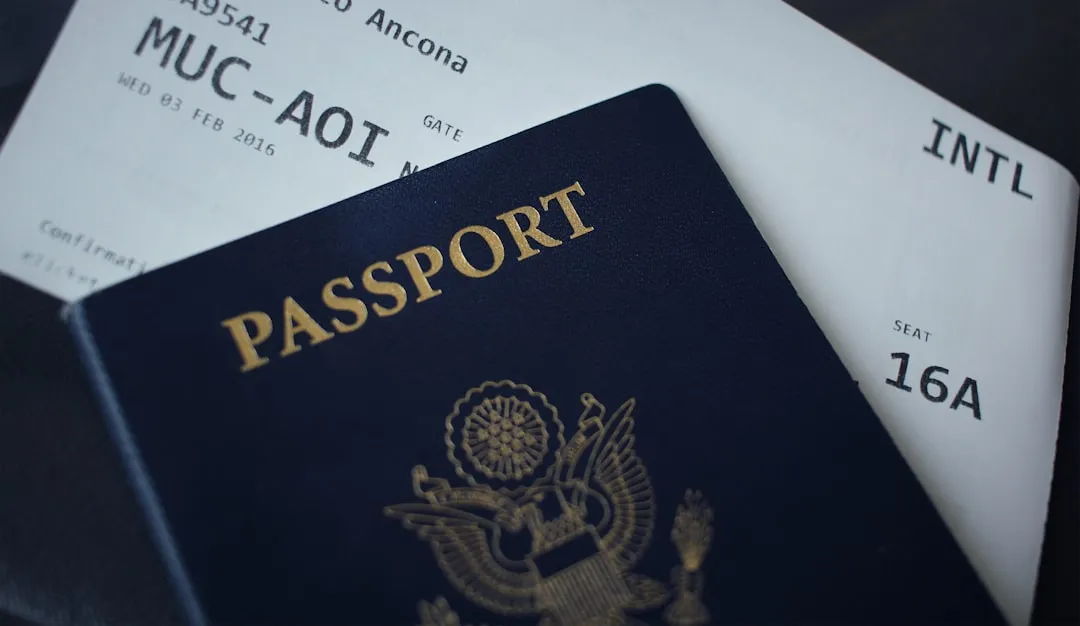
Visit Korea describes WOWPASS as a foreigner-exclusive all-in-one prepaid transportation card with payment and currency-exchange functions. It states that travelers can purchase or pick up the card through designated airport locations or kiosks in major subway stations, hotels, and international airports, and that a passport is needed to buy the card.
This can be useful for travelers who want one card for KRW loading, store payment, and transport-card features. It is not mandatory for every visitor. If you already have reliable international cards and a separate Tmoney or EZL card, a traveler prepaid card may be optional rather than essential.
4. Pro Tips and Warnings for Foreign Visitors
💡 Local Hack: Keep your hotel name and address in Korean. If a card fails late at night or you need a taxi, showing the Korean address is more useful than explaining the hotel name by pronunciation.
💰 Money Tip: Keep small KRW notes after your first exchange or ATM withdrawal. Large notes can be inconvenient for very small purchases or quick transport-card recharge situations.
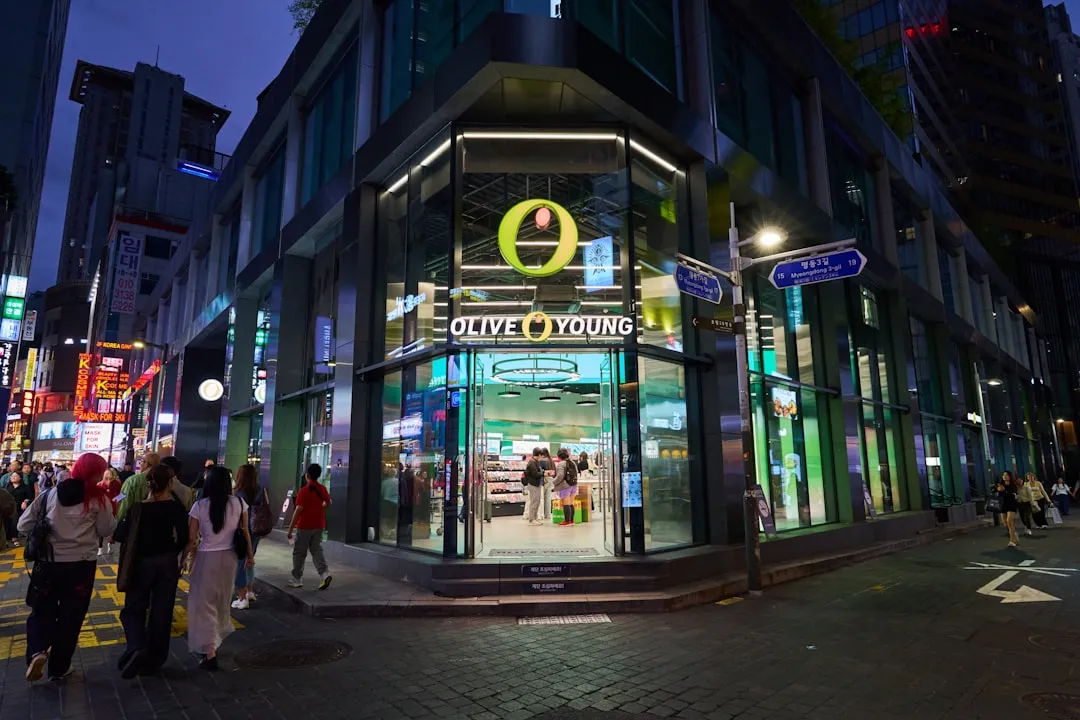
🚨 Important Warning: Do not assume a card logo means every transaction will work. A merchant may accept Korean-issued cards but have trouble with a foreign-issued card, or your own issuer may block the transaction as suspicious. Carry a second payment method and enough KRW for backup.
📍 TripKorea's Pro Tip: Plan money and accommodation together. Staying near a major station, airport-rail stop, or visitor district can make it easier to find ATMs, banks, convenience stores, and transport-card recharge points. For the first nights, compare hotels in Seoul, hotels in Busan, or hotels in Jeju before finalizing your route.
Restaurants and cafés in visitor districts usually have visible payment counters or table-service instructions. In small restaurants, markets, or older shops, payment procedure may vary. If unsure, show the card and ask “Card?” or say “Kadeu dwaeyo?” (카드 돼요?), meaning “Is card payment possible?”
🗣️ Korean Phrase: “Card payment, please” can be shown as “카드 결제할게요” (kadeu gyeoljehalgeyo). “Cash receipt?” may be asked as “현금영수증?” (hyeongeum yeongsujeung), but most short-term visitors who do not use a Korean tax or phone-number receipt system can simply decline politely.
5. Cash or Card in Korea: Practical Visitor Scenarios
Airport arrival: Use a card for large planned purchases, but keep KRW cash available for backup. If you arrive late, exchange counters, ATMs, convenience stores, and transport counters may vary by terminal and time. Prepare enough payment flexibility before leaving the airport.
Subway and buses: Use a transportation card rather than paying trip-by-trip. A prepaid transport card is easier than buying single tickets repeatedly, and it separates transport spending from your main bank card.
Hotels and department stores: International cards are commonly used in major hotels and larger retail settings, consistent with Visit Korea’s credit-card guidance. Still, confirm card acceptance at check-in if the booking requires on-site payment or deposit authorization.
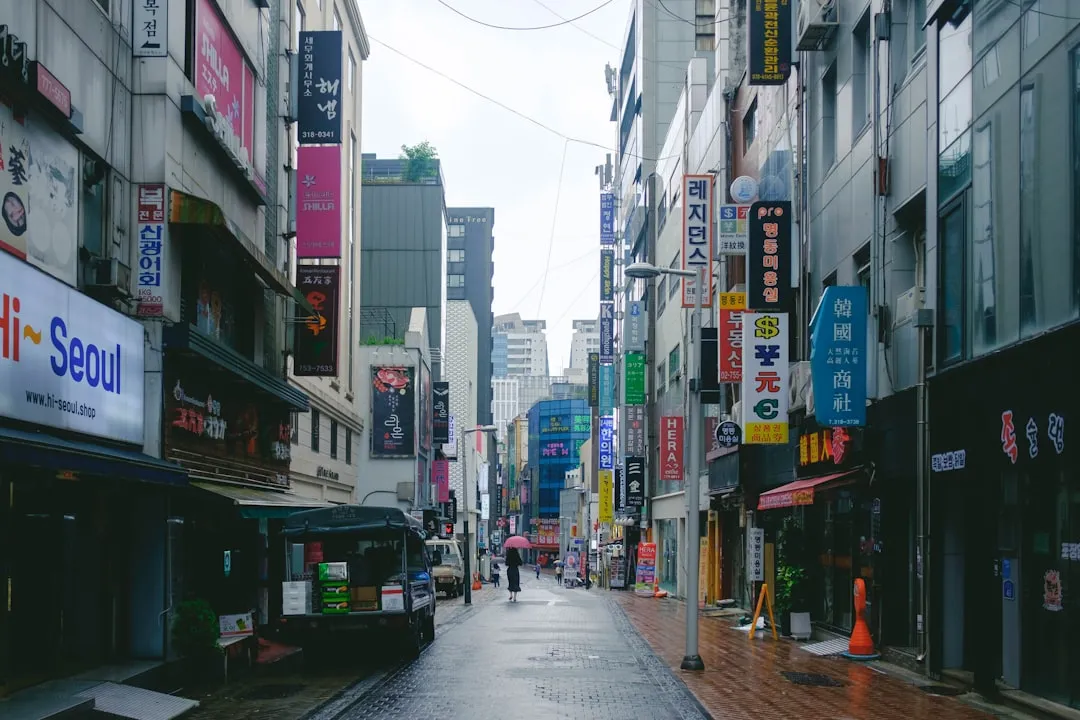
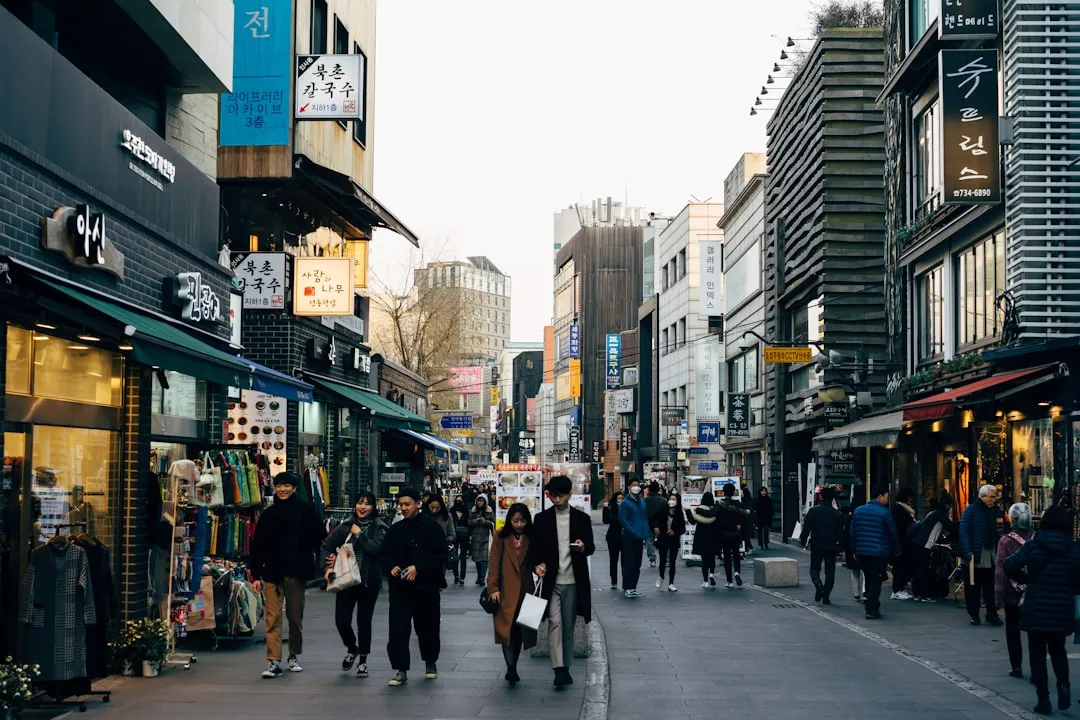
Markets and small shops: Carry some KRW. Even when a small shop can accept card payment, cash can help if the foreign card is rejected or if the purchase is too small for the merchant’s payment setup.
Day trips: Bring both card and cash when traveling outside central Seoul, Busan, or Jeju City. Tourist sites may accept cards, but smaller food stalls, local buses, lockers, or rural stops can be less predictable for foreign-issued cards.
Frequently Asked Questions
Is Korea cashless for tourists?
No. Korea is card-friendly in many visitor settings, but it is not cashless for tourists. Visit Korea says credit cards are widely used at major hotels, department stores, and general shops, but it also advises checking service availability because some stores may not provide card service.
Should I bring cash to Korea?
Yes, bring or withdraw some Korean won for backup. Cash is useful for transport-card recharge, small markets, lockers, vending machines, and situations where a foreign card does not work. The amount depends on your itinerary and risk preference.
Can I use Visa or Mastercard in Korea?
Visit Korea states that Visa, MasterCard, American Express, and other credit cards can be used in Korea. However, foreign-issued cards can still fail because of merchant settings, bank security rules, or terminal compatibility. Carry a backup card or KRW cash.
Where should I exchange money in Korea?
Visit Korea advises using banks or authorized exchange service centers for foreign-currency exchange into Korean won. Banks are generally open from 09:00 to 16:00 on weekdays, and Korea Post Bank operates from 09:00 to 16:30, but hours can vary by bank and region.
Do I need a Tmoney card if I have a credit card?
For most visitors using public transportation, yes. A separate transportation card such as Tmoney or EZL makes subway and bus use easier and can provide transfer benefits. Visit Korea describes these as prepaid cards that do not require a bank account.
🎒 Plan the Money Side of Your Korea Trip
Payment planning works best when it is connected to your first hotel area, airport route, and mobile setup. Choose a base near transport and visitor services, then keep one card, one backup card, KRW cash, and a transport card ready for the first day.
- Find hotels in Seoul near major stations and shopping areas
- Compare hotels in Busan for city and beach routes
- Choose hotels in Jeju for rental-car and bus access
- Check Seoul transport options before arrival
- Plan things to do in Seoul by area
Sources and References
Official Tourism and Government Sources:
- Visit Korea — Korean Currency and Exchange Info
- Visit Korea — Foreign Exchange Banks in Airports
- Visit Korea — Transportation Cards
- Seoul Metropolitan Government — Public Transportation
- Korea Eximbank — current exchange-rate reference source
Helplines: Tourist interpretation 1330 / Foreigner information 1345 / Government civil complaints 110 / Emergency medical and fire 119 / Police 112 / BBB Korea 1588-5644
Last verified: 2026-06-11
Payment note: Card acceptance, exchange rates, bank hours, ATM fees, transport-card rules, and traveler prepaid-card terms can change. Always verify current details with the official source or provider before travel.
Image Credits
- Seoul shopping street: Markus Winkler / Unsplash
- International banknotes: Eric Prouzet / Unsplash
- Korean street storefront: Arisya Akma / Unsplash
- Korean café interior: rawkkim / Unsplash
- Korean bus street scene: Daniel Bernard / Unsplash
- Myeongdong shopping storefront: Jin-Woo Lee / Unsplash
- Seoul night street: Red Shuheart / Unsplash