Pharmacies in Korea are easy to find in cities, but buying medicine can still be difficult when symptoms, ingredients, and instructions need to cross a language barrier.
This Korean Pharmacy Guide explains how to find a pharmacy, ask for medicine safely, use late-night pharmacy resources, and know when to move from a pharmacy to a clinic, hospital, or emergency call.
Pharmacies in Korea are called yakguk (약국). They are useful for non-emergency medicine questions and travel-health basics, but they are not a substitute for emergency care, diagnosis, or prescription treatment when symptoms are serious or unclear.
1. The Problem: Medicine Questions Are Harder Abroad
A minor health problem can become stressful when the medicine label, pharmacy sign, and spoken explanation are in another language. Travelers may know the brand name used at home, but the same product may not be sold under the same name in Korea.
Visit Korea’s pharmacy guide advises foreign visitors to use a translation app and a photo of the medicine they need when visiting a Korean pharmacy. The same guide notes that a pharmacist may suggest a local alternative when the exact ingredient match is not available.
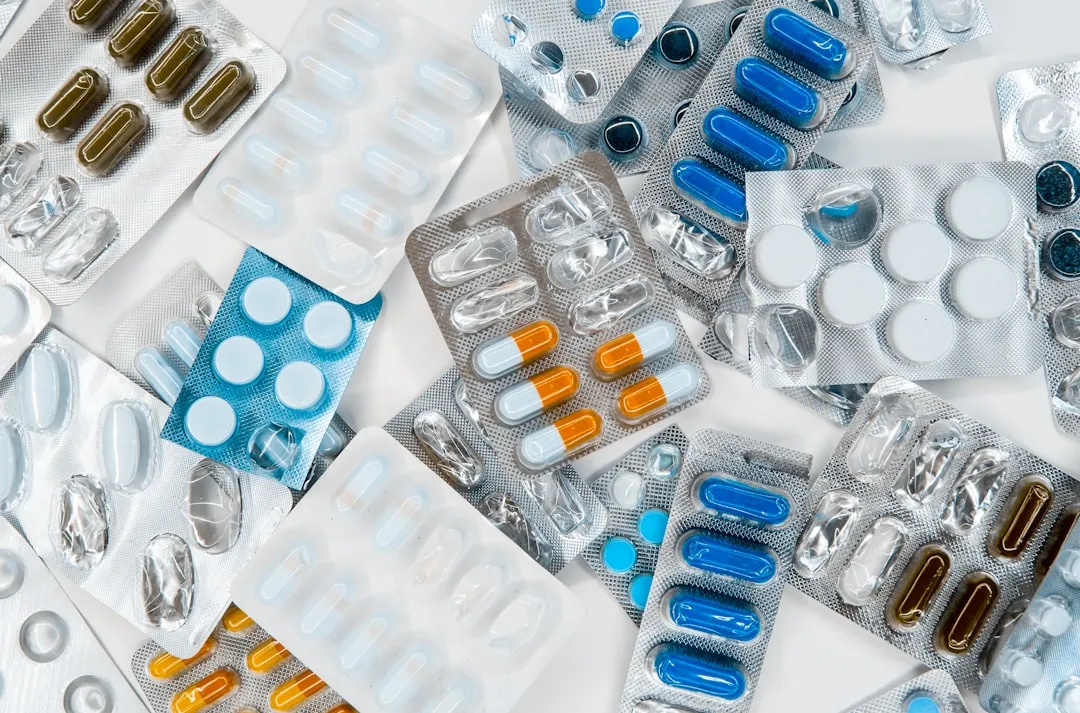
The important rule is to describe the symptom and show known medical information instead of guessing. Bring the product package, a photo of the active ingredient, allergy information, and any existing prescription document you rely on. If you have a complex condition or need a prescription medicine, Visit Korea recommends preparing medical records and an English prescription before travel.
🚨 Important Warning: TripKorea does not provide medical diagnosis or dosage advice. Ask a licensed pharmacist, clinic, hospital, or emergency service for medical decisions. If symptoms are severe, sudden, or worsening, call 119 for medical emergency help in Korea.
2. The Solution: Use Pharmacies for Basic Help, and Know the Escalation Path
A Korean pharmacy is a practical first stop for many non-emergency medicine questions. Look for the sign 약국 or the English word “Pharmacy.” In tourist districts, some pharmacies may display signs indicating language assistance, but this should not be assumed everywhere.
For communication, prepare short, factual phrases on your phone. State the body part, symptom, time started, allergies, pregnancy status if relevant, and medicines already taken. A photo of your usual medicine or its active ingredient can help the pharmacist understand what you mean.
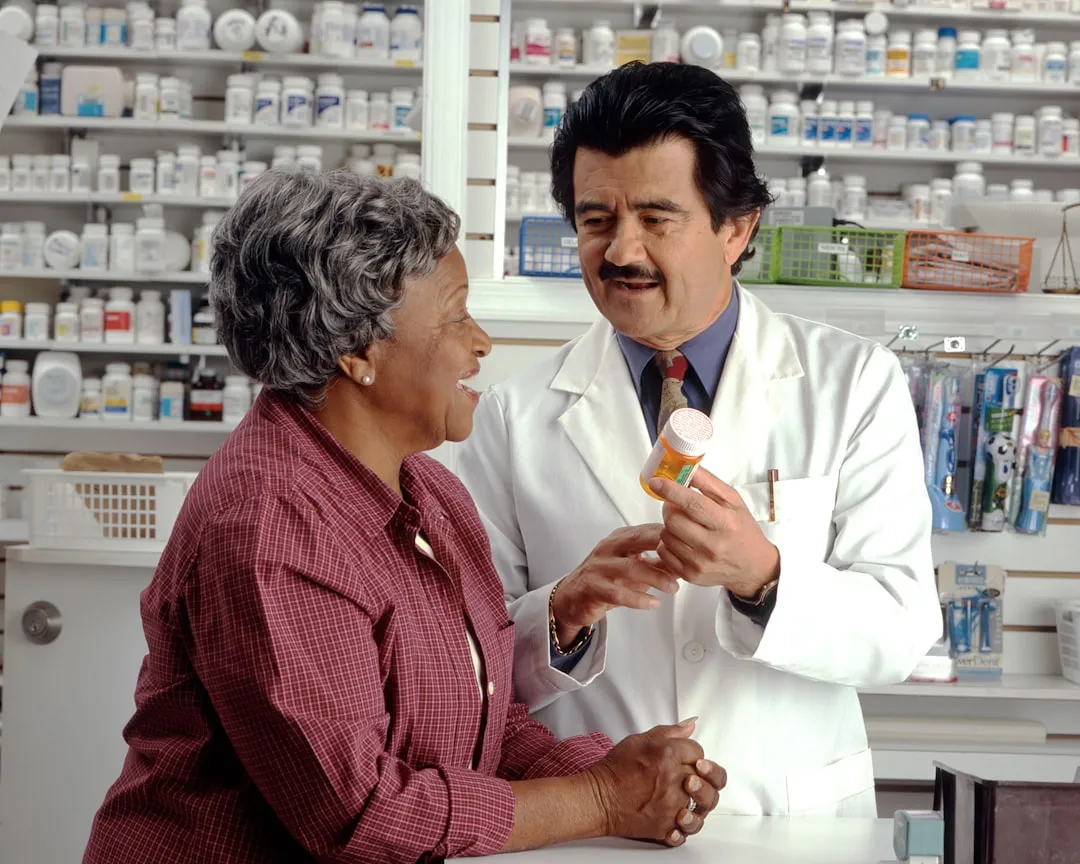
The next step depends on the situation. A pharmacist may help with over-the-counter products or recommend that you visit a clinic. If you need a prescription, have strong symptoms, or are unsure whether the condition is urgent, do not try to solve it only at the pharmacy counter.
Visit Korea’s emergency information lists 119 for medical emergencies and fire, 112 for police, and 1330 for the Korea Travel Hotline. These numbers are essential when a pharmacy is closed, language support is needed, or the situation has moved beyond ordinary medicine purchase.
119: medical emergency and fire
112: police
1330: tourist information and travel interpretation support
1345: foreigner information and immigration-related help
BBB Korea 1588-5644: volunteer interpretation support
3. Step-by-Step Korean Pharmacy Guide for Visitors
Step 1: Find the nearest pharmacy
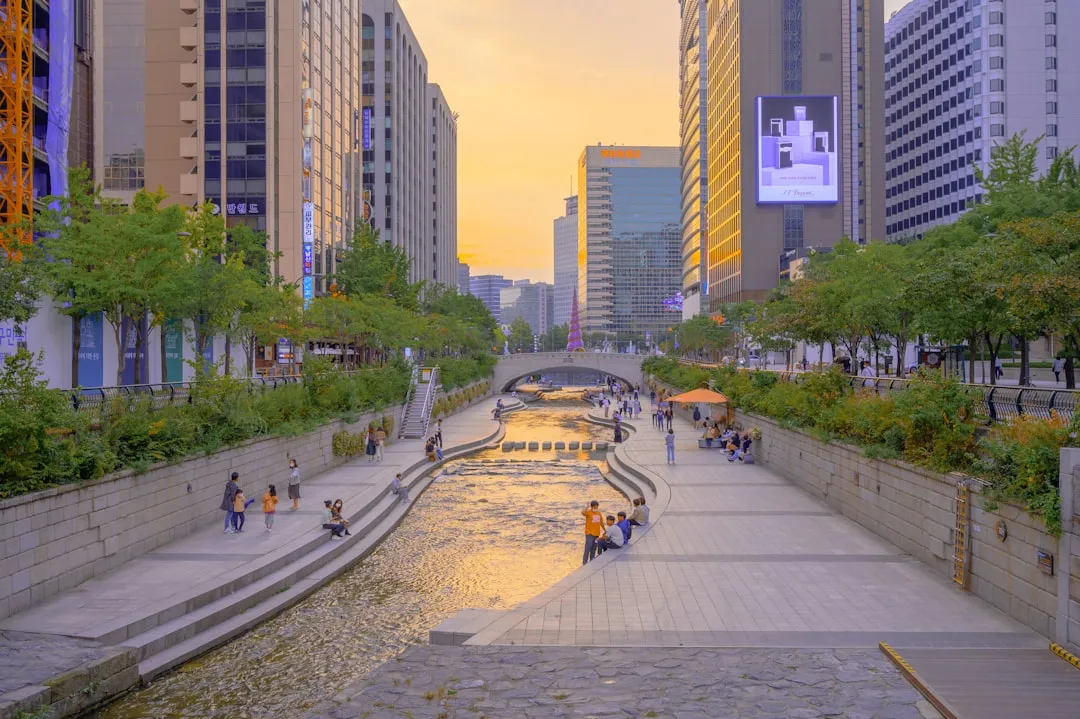
Search for 약국, yakguk, or pharmacy in a local map app. In Korea, KakaoMap and Naver Map are often more useful than relying only on global map search results, especially for local names, exits, and updated business listings.
Pharmacies are commonly found near subway stations, clinics, hospitals, shopping streets, residential areas, and large commercial buildings. Operating hours vary by location, and a pharmacy that was open during the day may not be open at night, on weekends, or on public holidays.
Step 2: Prepare the information before entering
Before you reach the counter, write the core information in simple English and Korean translation. Include the symptom, how long it has lasted, allergies, existing conditions, medicines already taken, and whether the medicine is for an adult or child.
If you brought medicine from home, show the package or a photo of the active ingredient. Brand names can differ by country, so the ingredient is often more useful than the logo on the box.
Step 3: Ask clearly and keep the answer simple
A useful phrase is “Yak jom chuchon haejuseyo” (약 좀 추천해 주세요), meaning “Please recommend medicine.” Another practical phrase is “Allergy isseoyo” (알레르기 있어요), meaning “I have an allergy.”
For a direct request, show this sentence: “I am a traveler. I need medicine for this symptom. I have these allergies.” Then list the symptom and allergy. This keeps the conversation factual and reduces the risk of misunderstanding.
Step 4: Check how to take the medicine before leaving
Do not leave the pharmacy until you understand the basic instructions. Ask how many times per day, whether to take it before or after meals, whether it causes drowsiness, and whether it should be avoided with alcohol or other medicines.
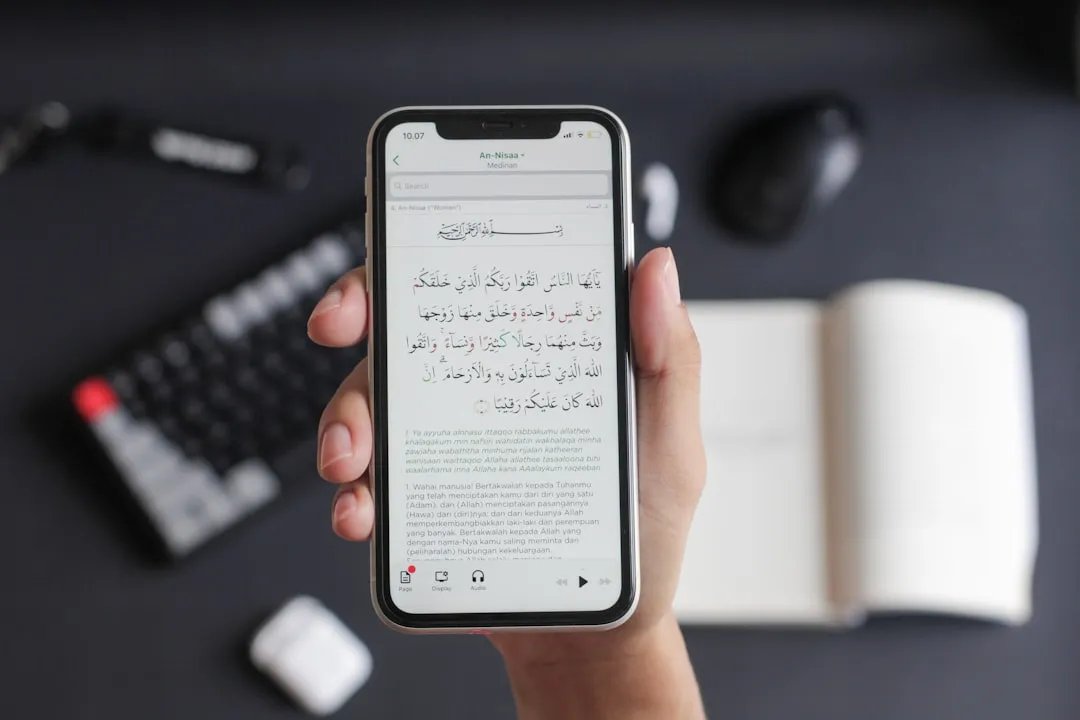
Use a translation app to confirm instructions if the conversation is difficult. If the pharmacist writes Korean instructions, take a photo and translate it before taking the medicine. If the translation is unclear, ask again or contact 1330 for travel interpretation support.
Step 5: Use duty-pharmacy resources for nights, weekends, and holidays
Visit Korea’s pharmacy guide points travelers to holiday-guard pharmacy and late-night pharmacy resources operated by the Korean Pharmaceutical Association. These resources help visitors look for duty pharmacies when ordinary opening hours do not apply.
The main Korean-language resource is pharm114.or.kr, often known as the holiday guard pharmacy site. Because listings and hours can change, call before traveling across town, especially late at night or during public holidays.
4. Pro Tips and Warnings for Medicine Safety
💊 Medicine Tip: Pack a short medicine note before departure. Include generic ingredient names, dosage used at home, allergies, chronic conditions, and emergency contacts. Keep it on your phone and as a printed backup.
🗣️ Korean Phrase: “Where is the pharmacy?” is “Yakguk eodi isseoyo?” (약국 어디 있어요?). “I need a hospital” is “Byeongwon-i piryohaeyo” (병원이 필요해요).
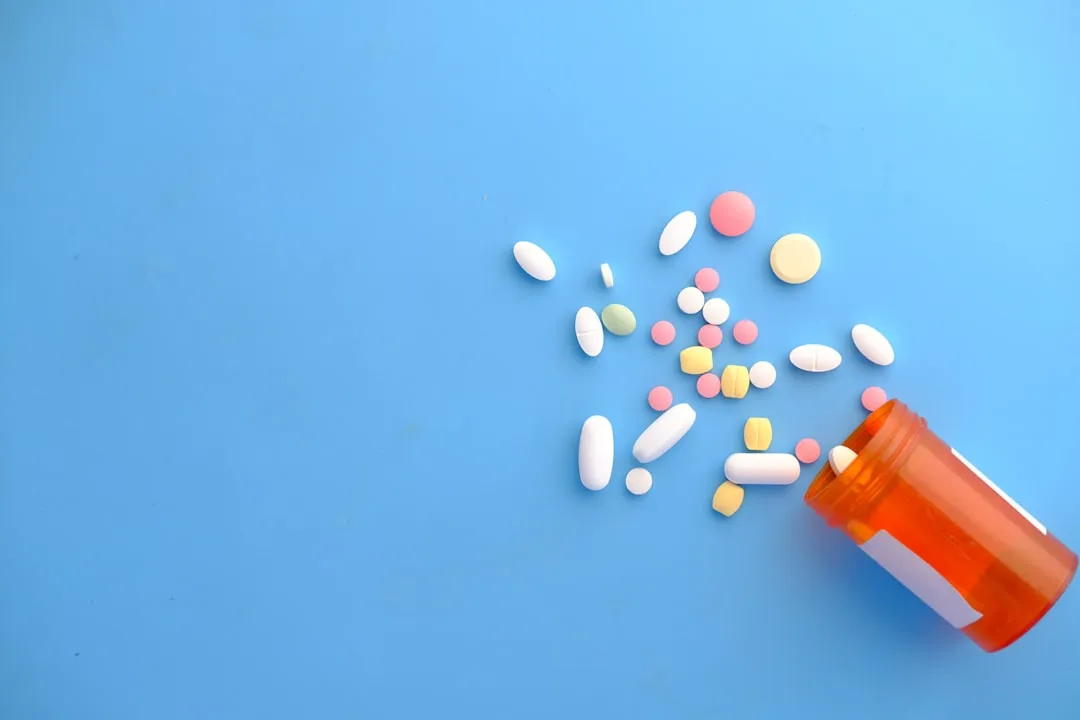
🚨 Important Warning: Do not mix medicines just because the packaging looks familiar. Check the active ingredient, dosage, and warnings with the pharmacist. If you are taking prescription medicine, anticoagulants, psychiatric medicine, diabetes medicine, heart medicine, or medicine for a child, ask a medical professional before adding a new product.
📍 TripKorea's Pro Tip: Choose the first hotel area with practical services in mind. A base near a major station, clinic cluster, or visitor district makes it easier to find pharmacies, hospitals, taxis, convenience stores, and interpretation help. Compare hotels in Seoul, hotels in Busan, or hotels in Jeju before locking in the route.
Keep receipts and packaging until you finish the medicine. If a reaction occurs or you need to visit a clinic later, the pharmacist’s label, box, or receipt can help another professional identify what you took.
5. When to Skip the Pharmacy and Seek Medical Help
A pharmacy is not the right place for every problem. If there is chest pain, breathing difficulty, severe allergic reaction, serious injury, sudden weakness, loss of consciousness, high fever with concerning symptoms, severe dehydration, or any condition that feels urgent, call 119 or go to an emergency medical facility.
Visit Korea states that many large hospitals in Korea operate International Health Care Centers for international visitors. These centers may provide language assistance through the medical process, but services and languages vary by hospital, so confirm directly with the hospital.
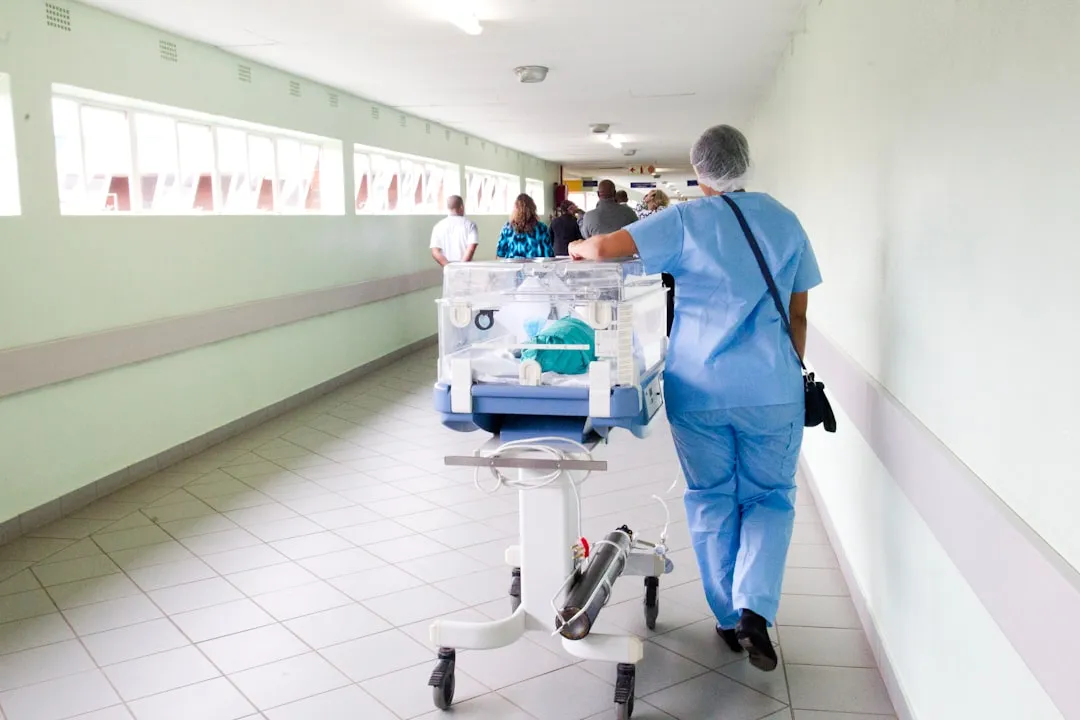
For non-emergency but prescription-level symptoms, a clinic may be the next step. A pharmacy can explain that a doctor’s prescription is needed, but it cannot replace a doctor’s examination. Keep your passport or identification available when seeking medical services.
If language becomes the barrier, use 1330 for travel interpretation and information. Visit Korea lists 1330 as available in Korean, English, Japanese, Chinese, Russian, Vietnamese, Thai, and Indonesian on its emergency information page. Language availability can change, so check the current Visit Korea page before travel.
Frequently Asked Questions
What is a pharmacy called in Korean?
A pharmacy is called yakguk (약국). You can search 약국 in KakaoMap or Naver Map, or look for a street sign that says 약국 or Pharmacy. In tourist areas, some pharmacies may also display language-assistance signs.
Can I buy medicine in Korea without speaking Korean?
Yes, but prepare carefully. Visit Korea recommends using a translation app and showing a photo of the medicine you need. Bring allergy information and active-ingredient names so the pharmacist can understand the request more accurately.
Are Korean pharmacies open at night?
Some duty pharmacies operate at night, on weekends, or on public holidays, but not every pharmacy does. Visit Korea points travelers to holiday-guard and late-night pharmacy resources operated by the Korean Pharmaceutical Association. Check pharm114.or.kr and call before going if possible.
When should I call 119 instead of visiting a pharmacy?
Call 119 for medical emergencies, including severe symptoms, major injury, breathing difficulty, suspected severe allergic reaction, or sudden serious illness. Visit Korea lists 119 for medical emergencies and fire. A pharmacy is for non-emergency medicine support, not emergency response.
Can 1330 help with pharmacy or medical communication?
1330 is the Korea Travel Helpline and can support travel information and interpretation. Visit Korea lists 1330 in multiple languages, including English. For diagnosis, treatment, or emergency care, contact a medical professional or call 119.
🎒 Plan a Safer Korea Trip
The Korean Pharmacy Guide approach is simple: know the word 약국, keep medicine information ready, use translation support, and move quickly to medical care when symptoms are serious. A small amount of preparation can make a pharmacy visit shorter and safer.
Find hotels in Seoul near major stations and visitor services
Choose hotels in Jeju for clinic, pharmacy, and transport access
Sources and References
Official Tourism and Public Sources:
Helplines: Tourist interpretation 1330 / Foreigner information 1345 / Government civil complaints 110 / Emergency medical and fire 119 / Police 112 / BBB Korea 1588-5644
Last verified: 2026-06-14
Medical note: Medicine rules, pharmacy hours, duty-pharmacy listings, hospital services, and interpretation availability can change. Always verify current details with the official source, pharmacist, clinic, hospital, or emergency service before making medical decisions.
Image Credits
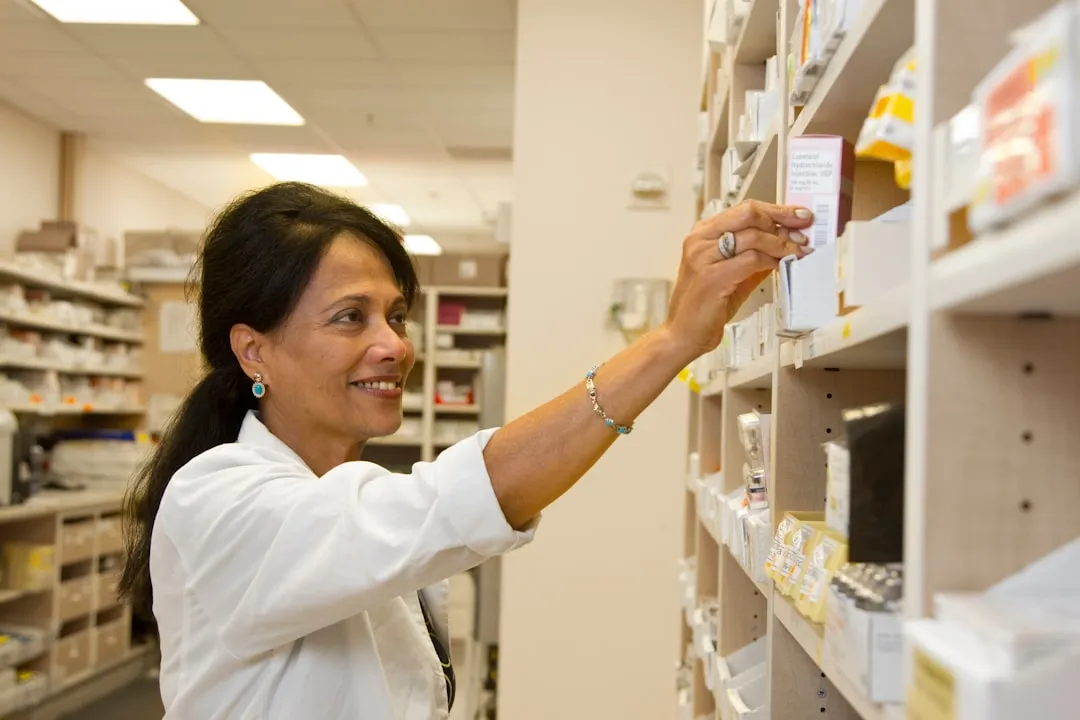
Pharmacist selecting medicine: National Cancer Institute / Unsplash
Packaged tablets and capsules: Roberto Sorin / Unsplash
Medicine bottle and tablets: Towfiqu barbhuiya / Unsplash
Pharmacy consultation counter: National Cancer Institute / Unsplash
Smartphone translation scene: Bagas Rais R / Unsplash
Seoul street: Zequn Gui / Unsplash
Hospital corridor: Hush Naidoo Jade Photography / Unsplash