Korea Taxi Guide 2026 gives foreign visitors a practical way to use taxis without relying on guesswork, especially when luggage, late-night travel, or a destination written in Korean makes public transport less direct.
Visit Korea states that taxis in Korea use meters and do not require tips, while passengers can pay by cash, credit card, or transportation card. This guide explains taxi types, fares, apps, airport rides, payment, and safety steps using official tourism and Seoul transport sources.
1. The Problem: Taxis Are Easy to Find, but Rules Vary
Taxis are part of daily transport in Korean cities, but the details can confuse visitors. Vehicle colors, taxi categories, airport fare systems, late-night surcharges, and app-based calls do not all work the same way.
The most important point is that taxis are regulated transport, not a bargaining system. Visit Korea explains that most taxis charge a base fare plus additional distance-based charges, with extra charges possible by time and by travel outside the region.
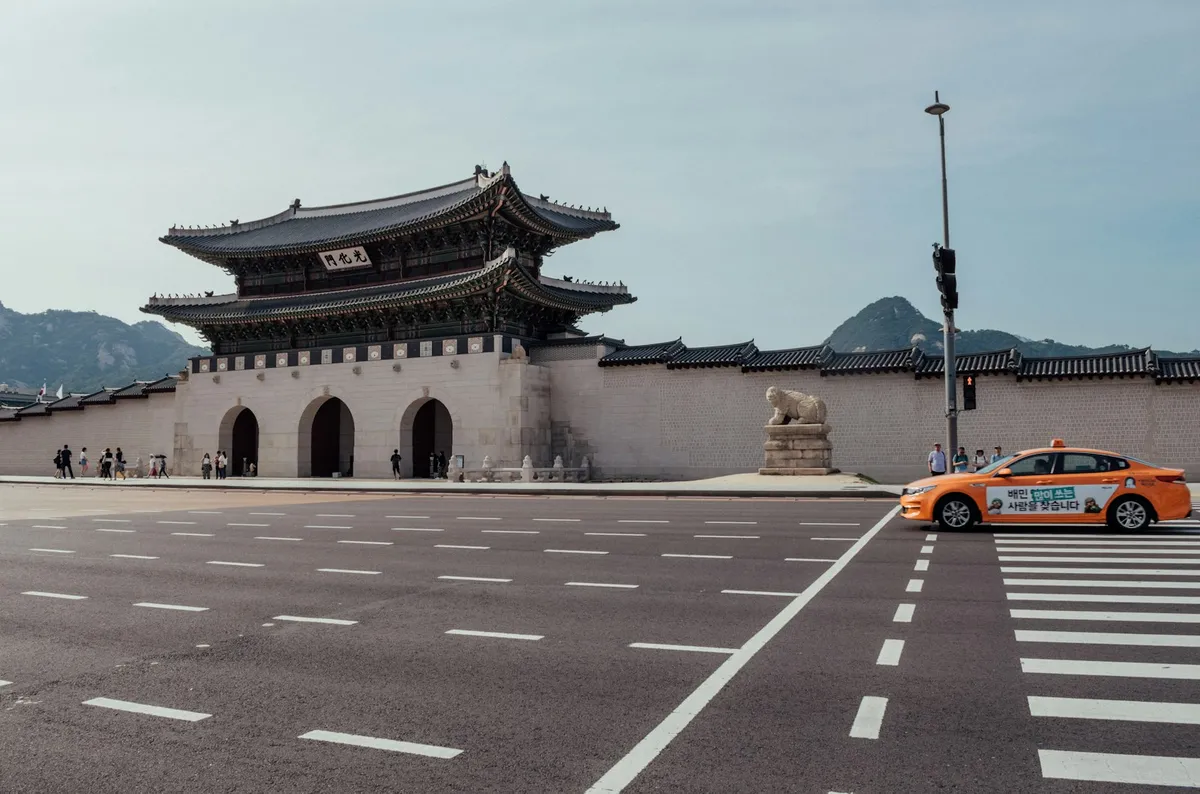
For visitors, the risk is usually not the taxi itself. The risk is choosing the wrong vehicle type, entering the wrong destination, misunderstanding a surcharge, or getting into a van that is not a normal metered taxi.
Visit Seoul specifically warns travelers to distinguish legitimate passenger transport and large taxis from vans labeled “밴” or “콜밴,” which may not use meters and can charge higher fares for cargo and passenger transport.
2. The Solution: Know the Taxi Type Before You Ride
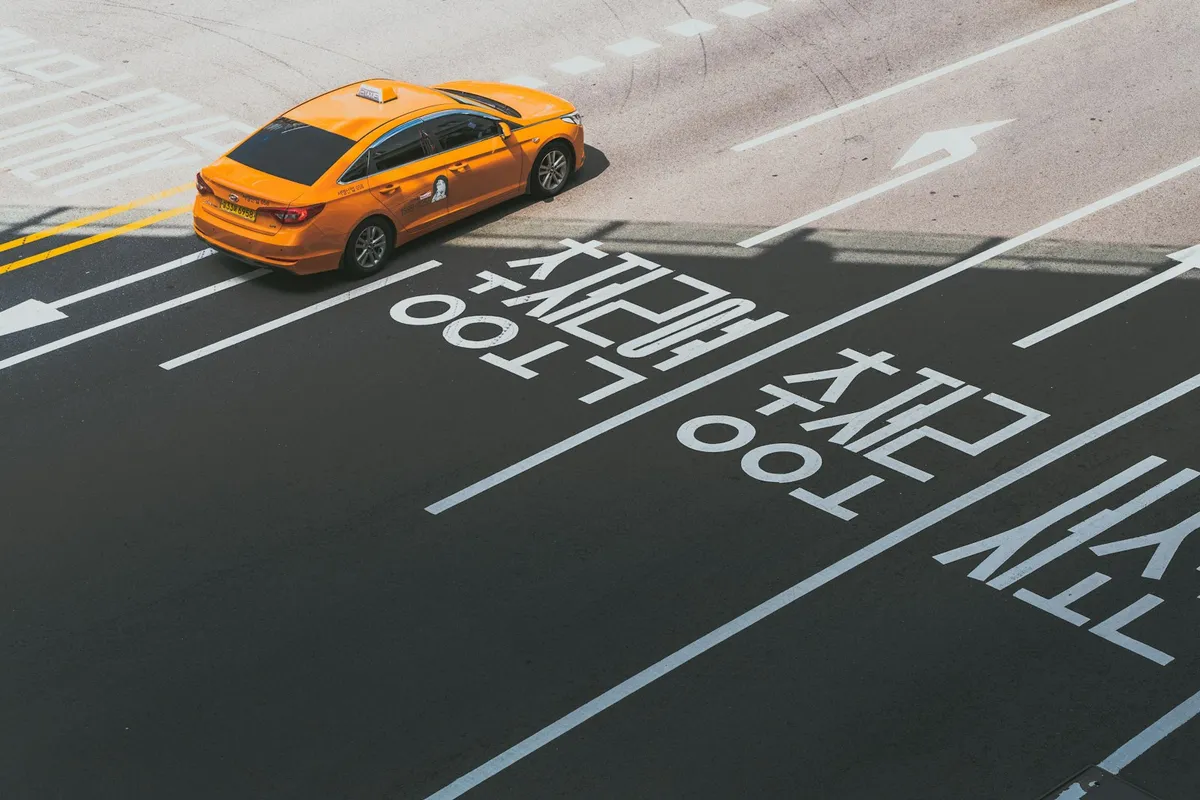
Standard taxis in Korea are generally divided into regular taxis and deluxe taxis. Visit Korea notes that regular taxis can be recognized by yellow license plates and a roof sign that reads “TAXI.”
Visit Seoul describes general taxis as the most common taxi type in Seoul, with vehicle colors including orange, white, and gray. These are the taxis most visitors will use for short city trips, hotel transfers inside a city, or rides after subway service becomes inconvenient.
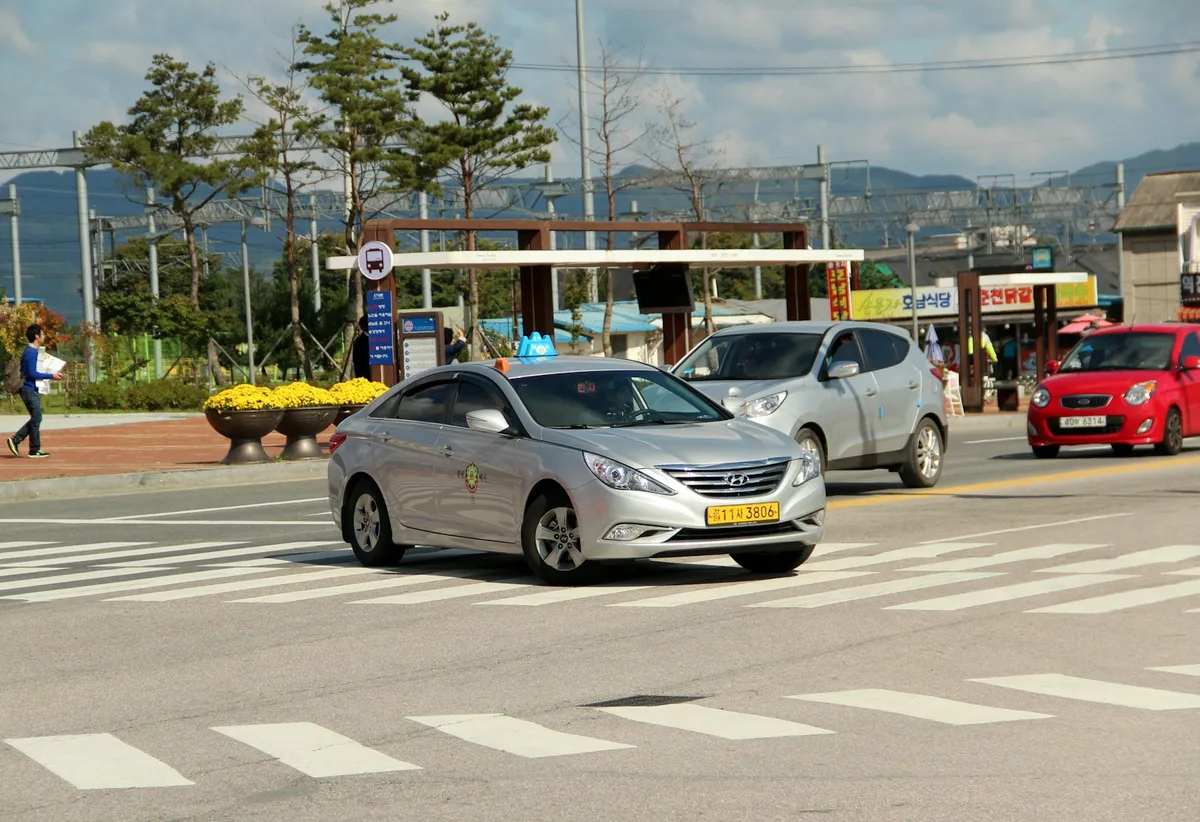
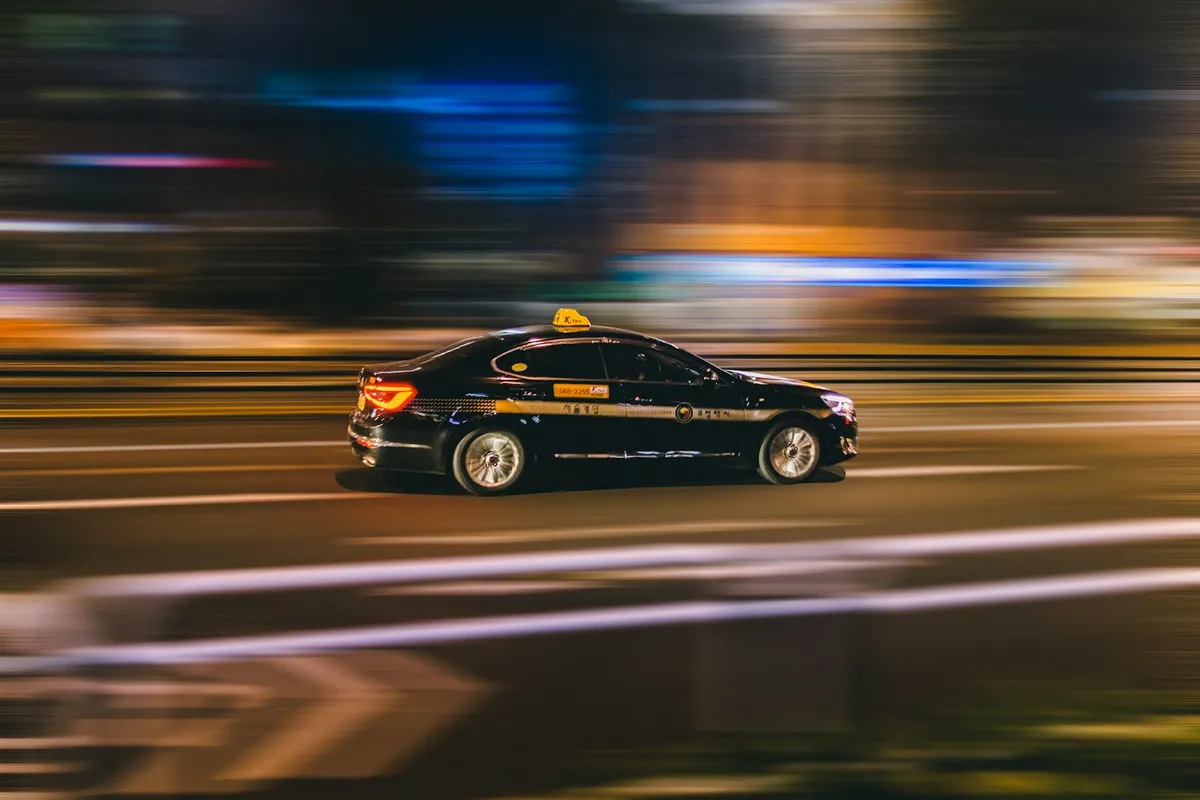
Deluxe taxis are usually black and priced higher than regular taxis. Visit Seoul describes them as offering more spacious rides than regular taxis, while Visit Korea explains that deluxe taxis are usually black vehicles with a higher standard of service than regular taxis.
Large taxis are designed for groups. Visit Seoul states that a large taxi can accommodate up to eight passengers and is marked with “대형,” meaning “large.” This is useful when several travelers have luggage, but it should still be a legitimate passenger taxi, not an unmetered cargo van.
International taxis are a separate visitor-focused option in Seoul. Visit Seoul describes International Taxi as Seoul’s officially designated taxi service for foreigners, with English, Chinese, or Japanese language ability indicated on the vehicle side.
Visit Korea also states that international taxis were introduced by the Seoul Metropolitan Government for travelers going to or from Incheon International Airport, Gimpo International Airport, or Seoul, with reservation and airport information-desk options.
3. Step-by-Step Guide to Taking a Taxi in Korea
Step 1: Prepare the destination in Korean
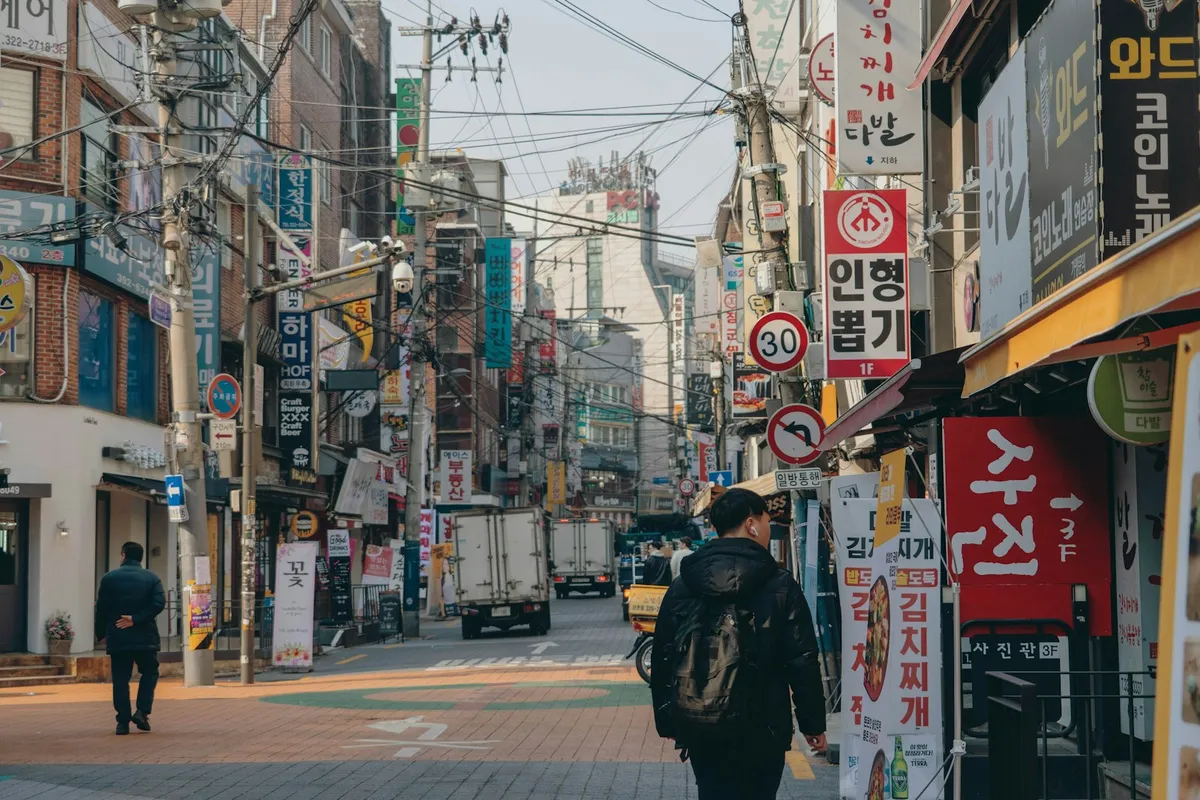
Before entering a taxi, save the destination name and address in Korean. A hotel name in English may not be enough, especially for small guesthouses, restaurants, clinics, or buildings with similar names.
Use KakaoMap or Naver Map to open the destination page, then show the Korean address. If the destination is a hotel, show the street address and phone number from the booking confirmation.
Step 2: Choose the right place to board
Visit Korea states that taxi stands can be found in places with a large flow of people, including bus terminals, major subway stations, and large shopping malls. If you cannot find a taxi stand, look for local signposts.
At airports and stations, follow official taxi signs rather than accepting unsolicited offers from individuals. This keeps the ride within the normal taxi queue or designated transport system.
Step 3: Check the meter or app fare structure
For normal taxi rides, look for the meter after the ride starts. Visit Korea explains that most taxis charge a base fare plus additional charges based on distance, and that taxi fare varies by city and taxi type.
Do not negotiate a random street price for a normal city ride. If a ride uses a fixed airport or international-taxi section fare, confirm that it is the official section fare or app-displayed fare before departure.
Step 4: Pay by cash, card, or transport card
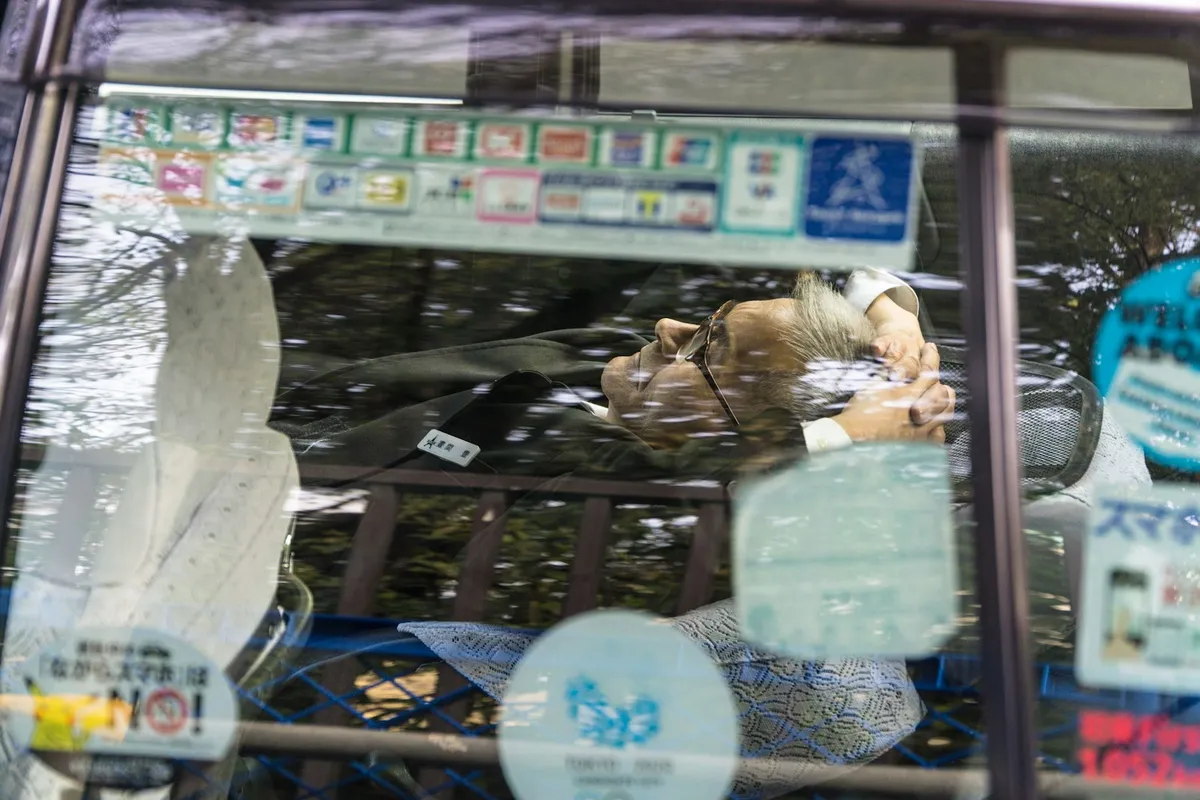
Visit Korea states that passengers can use cash, credit card, or transportation card to pay for taxis. In practice, keeping a backup payment method is still wise because foreign-issued cards, app registrations, or terminals can fail.
Ask for a receipt if you need proof of payment or if an item is left in the taxi. A receipt can help identify the vehicle, company, time, and fare details.
4. Korea Taxi Guide to Fares, Apps, and Airport Rides
Visit Korea lists Seoul, Busan, Incheon, Gyeonggi-do, and Gwangju regular-taxi base fare at 4,800 won for the first two kilometers. It also lists Jeju and Daejeon at 4,300 won, Daegu and Ulsan at 4,500 won, and Gangwon State at 4,600 won.
Fares can change by city, taxi type, and date. Always check the official city or taxi source before relying on a fare for budgeting, especially for airport rides, late-night rides, or rides outside city limits.
Late-night charges matter. Visit Korea states that late-night fares are usually applied from 22:00 to 04:00, with the most expensive period from 23:00 to 02:00. Seoul Metropolitan Government lists different late-night surcharge rates for Seoul taxis by time band.
Airport trips can use different rules. Visit Korea explains that international taxis traveling from the airport to Seoul may use a fare table categorized by regional sections, while rides within Seoul or out of Seoul can use a meter with an additional international-passenger surcharge.
For app-based rides, Visit Korea says a call taxi can be requested directly or through an app, and apps are convenient because travelers can check a fare estimate in advance. It also identifies k.ride as a foreigner-exclusive version of Kakao T operated by Kakao Mobility, available in English, Chinese, and Japanese, with overseas credit-card registration supported.
Uber Taxi is also available in Korea through the Uber app, according to Visit Korea. The page states that the app can use existing Uber payment information and offers automatic message translation for communication with the driver.
5. Pro Tips and Warnings for Visitors
📍 TripKorea's Pro Tip: Save your hotel address in Korean before the first ride from the airport or station. A Korean address is more useful than an English hotel name when the driver is checking navigation.
🚨 Important Warning: Avoid unmetered vans unless you intentionally booked that service and understand the fare. Visit Seoul warns that vans labeled “밴” or “콜밴” do not use meters and can charge higher fares.

💰 Money Tip: Keep one backup payment method. Card payment is common, but a foreign card can fail because of issuer security, terminal settings, or app registration problems.
🗣️ Korean Phrase: “Please go to this address” can be shown as “이 주소로 가 주세요” (i jusoro ga juseyo). “Please give me a receipt” is “영수증 주세요” (yeongsujeung juseyo).
⏰ Timing Tip: During the late-night surcharge window, compare the taxi option with subway, airport bus, or hotel-area planning where available. The fastest option is not always the most predictable option for cost.
If communication becomes difficult, call the 1330 Korea Travel Hotline for tourism interpretation support. For immediate danger or crime, call 112. For fire or medical emergencies, call 119.
Frequently Asked Questions
Do taxis in Korea accept credit cards?
Yes. Visit Korea states that taxi passengers can pay by cash, credit card, or transportation card. Travelers should still keep a backup card or KRW cash in case a foreign-issued card or app payment fails.
Do I need to tip taxi drivers in Korea?
No. Visit Korea states that taxis in Korea do not require tips. Pay the fare shown by the meter, app, or official fixed-fare system.
What is the basic taxi fare in Korea?
Visit Korea lists the regular-taxi base fare in Seoul, Busan, Incheon, Gyeonggi-do, and Gwangju at 4,800 won for the first two kilometers. Other regions can differ, and fares can change, so check the official local source before travel.
Can foreigners use Kakao T in Korea?
Visit Korea identifies k.ride as a foreigner-exclusive version of Kakao T operated by Kakao Mobility. It says k.ride supports English, Chinese, and Japanese, social login through Google or Apple, and overseas credit-card registration.
Are airport taxis in Korea metered?
Many taxi rides use meters, but airport international-taxi trips may use section fares depending on the route and service type. Visit Korea states that international taxis from the airport to Seoul can charge based on regional fare sections.
🎒 Plan Taxi-Friendly Korea Travel
The Korea Taxi Guide works best when it is paired with a practical first-night base, a clear airport route, and mobile data for maps and taxi apps. Keep the destination address in Korean, confirm the fare system, and use official taxi queues at airports and major stations.
Sources and References
Official Tourism and Government Sources:
Helplines: Tourist interpretation 1330 / Foreigner information 1345 / Government civil complaints 110 / Emergency medical and fire 119 / Police 112 / BBB Korea 1588-5644
Last verified: 2026-06-29
Transport note: Taxi fares, surcharges, app availability, airport fare sections, and payment rules can change. Always verify current details with the official source, taxi operator, app, or airport information desk before travel.
Image Credits
Orange taxi on a Seoul street: Ryoji Iwata / Unsplash
Orange taxi on a Korean street: Dave Weatherall / Unsplash
Silver taxi in Seoul: Dave Kim / Unsplash
K taxi vehicle: CJ Dayrit / Unsplash
Taxi on a Seoul side street: Guille Álvarez / Unsplash
Seoul street traffic: yongzheng xu / Unsplash
Pedestrian street in Seoul: Chinh Le Duc / Unsplash