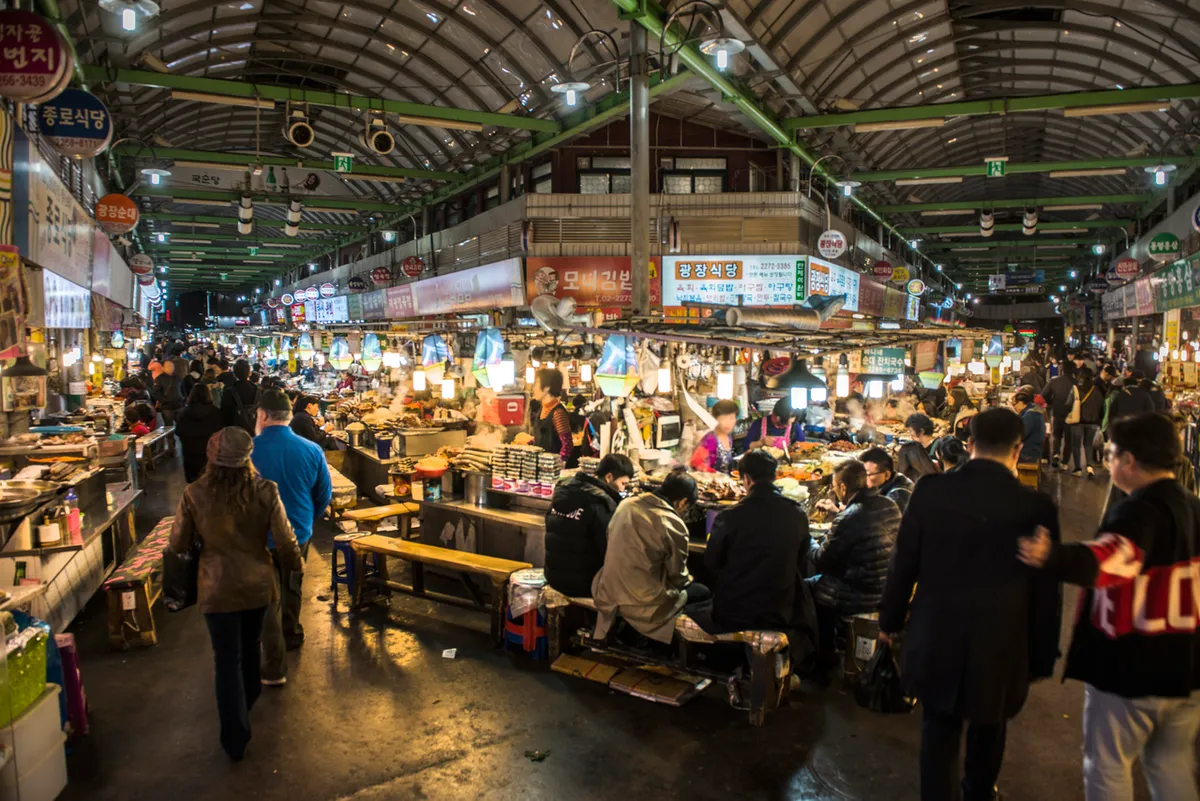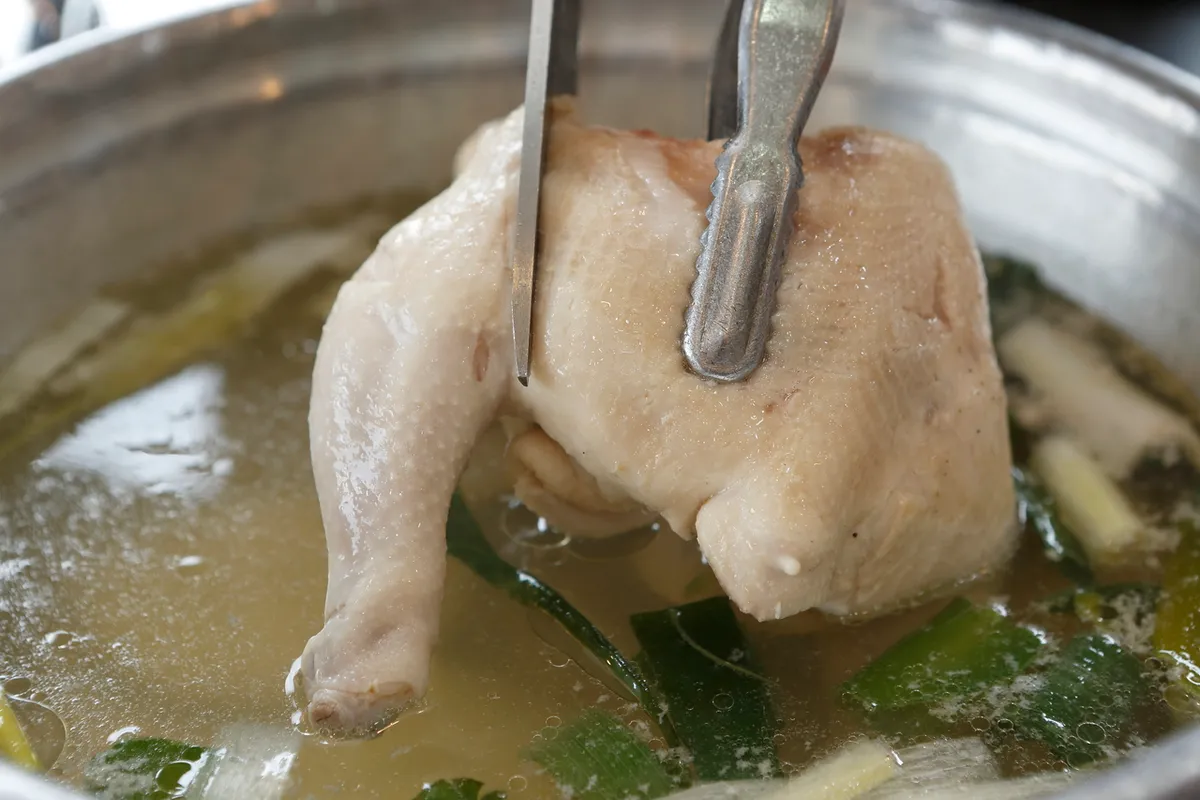
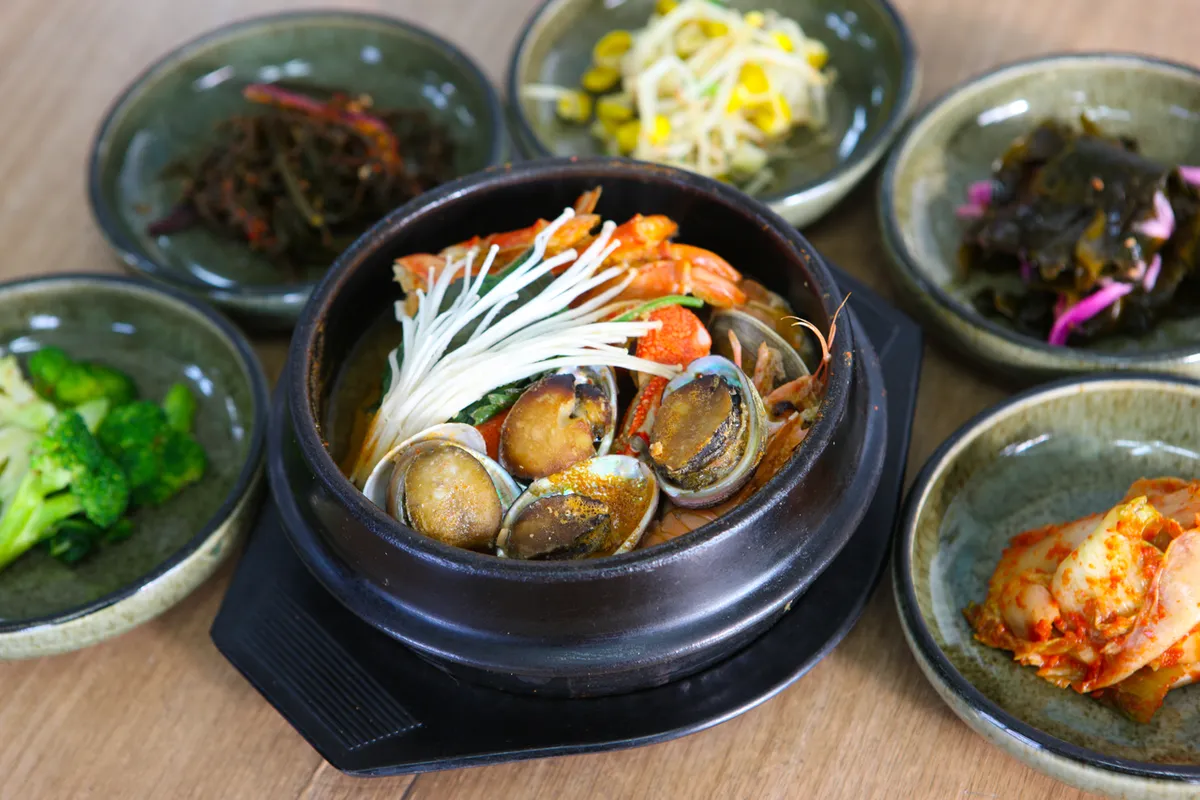
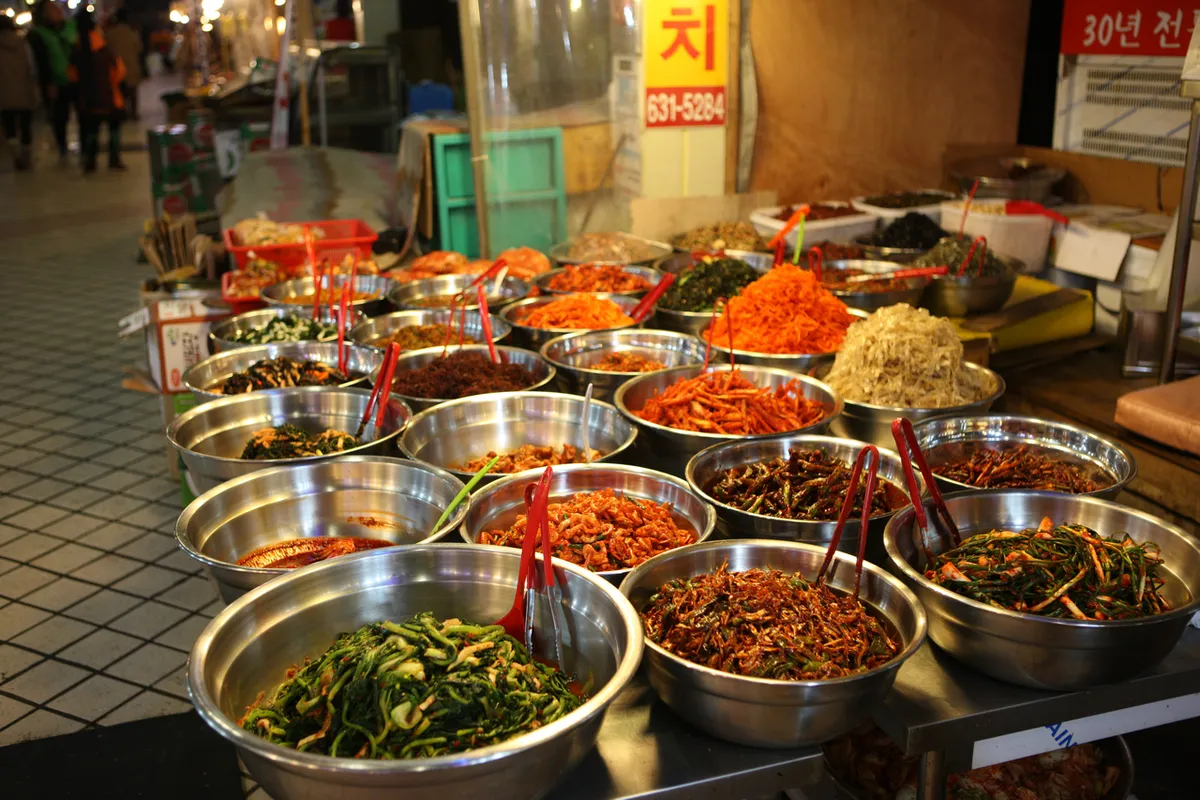
Banchan (반찬) are the small Korean side dishes served with rice, soup, barbecue, stews, noodle meals, and set menus. This banchan guide explains how Korean side dishes work at the table, which types travelers are likely to meet, and how to ask for refills or ingredient details politely.
The key point is simple: banchan are not random extras. They help balance salt, acidity, texture, and heat across a Korean meal, especially when the main dish is rich, spicy, grilled, or broth-based.
What Is Banchan?
Banchan means side dishes. In Korean restaurants, these small dishes are usually placed in the center of the table and shared by everyone eating the meal.
A table may have only one or two simple side dishes, or it may include a wide spread of kimchi, seasoned vegetables, pickles, braised items, stir-fried dishes, and egg dishes. The number depends on the restaurant style and the main dish ordered.
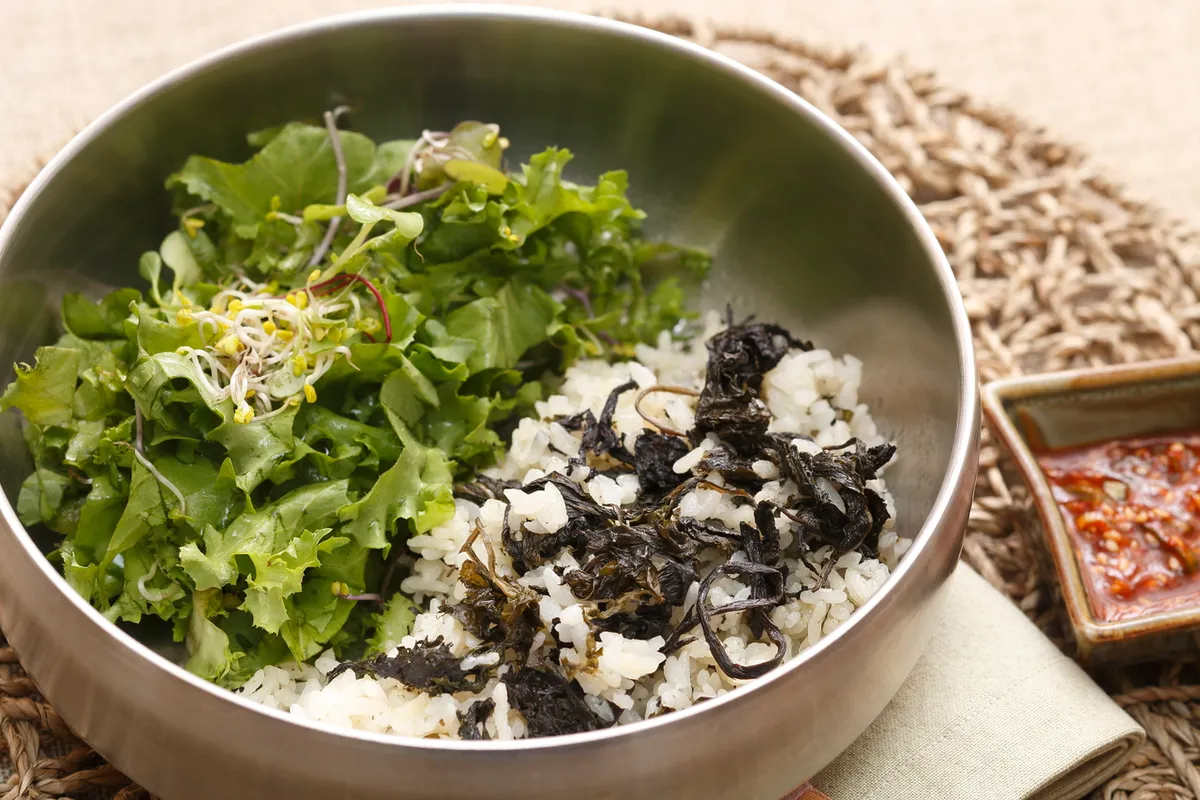
Banchan should be understood as part of the meal structure. Rice gives the base, the main dish provides the center, and banchan adds contrast between bites.
This is why a Korean barbecue table, a stew shop, and a set-meal restaurant may all serve different side dishes. The side dishes support the main food rather than following one fixed national template.
Banchan Guide to Common Side Dish Types
Kimchi is the best-known banchan, but it is only one part of the side-dish system. Cabbage kimchi, kkakdugi, cucumber kimchi, and water kimchi may appear with different meals.
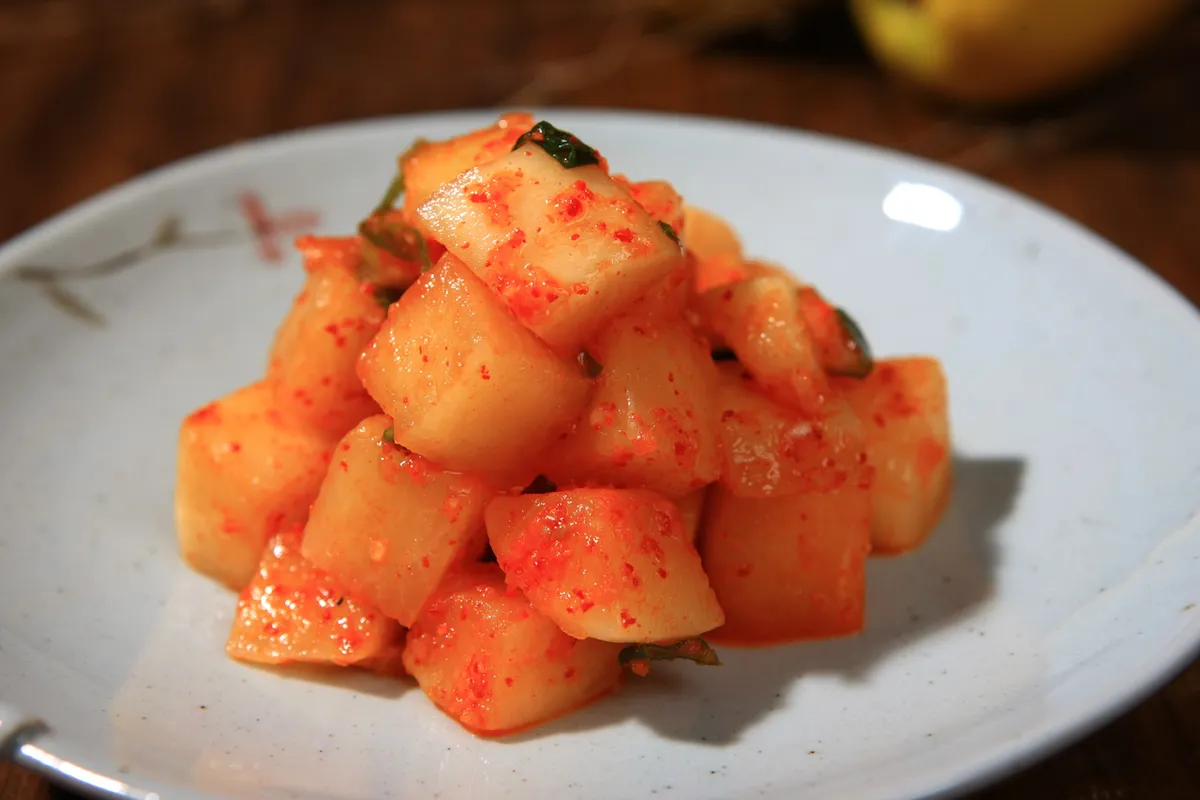
Kkakdugi (깍두기), diced radish kimchi, is often served with soups and stews. It is made from white radish cut into cubes and seasoned with chili pepper powder, fish sauce, garlic, and green onions.
Namul refers to seasoned vegetable side dishes. These may use greens, sprouts, roots, or mountain vegetables. Seasonings can include sesame oil, salt, garlic, soy sauce, or chili depending on the vegetable and restaurant.
Stir-fried and braised side dishes are also common. Sauteed dried anchovies, called myeolchi-bokkeum, are glazed with soy sauce or chili paste and sweet syrup. Other tables may include fish cake, potatoes, lotus root, mushrooms, or tofu.
Kimchi, Pickles, and Fermented Banchan
Fermented and pickled side dishes are important because they cut through rich meals. A spoonful of stew, a bite of grilled meat, or a mouthful of rice can taste different when followed by something sour, crisp, or salty.
Kimchi may be red and spicy, white and mild, or served in a clear brine. For a deeper explanation of cabbage kimchi, white kimchi, water kimchi, and cooked kimchi dishes, read TripKorea's Kimchi Guide.
Jangajji, or pickled vegetables, can also appear as banchan. These are usually cut small and eaten in modest amounts because the seasoning is concentrated.
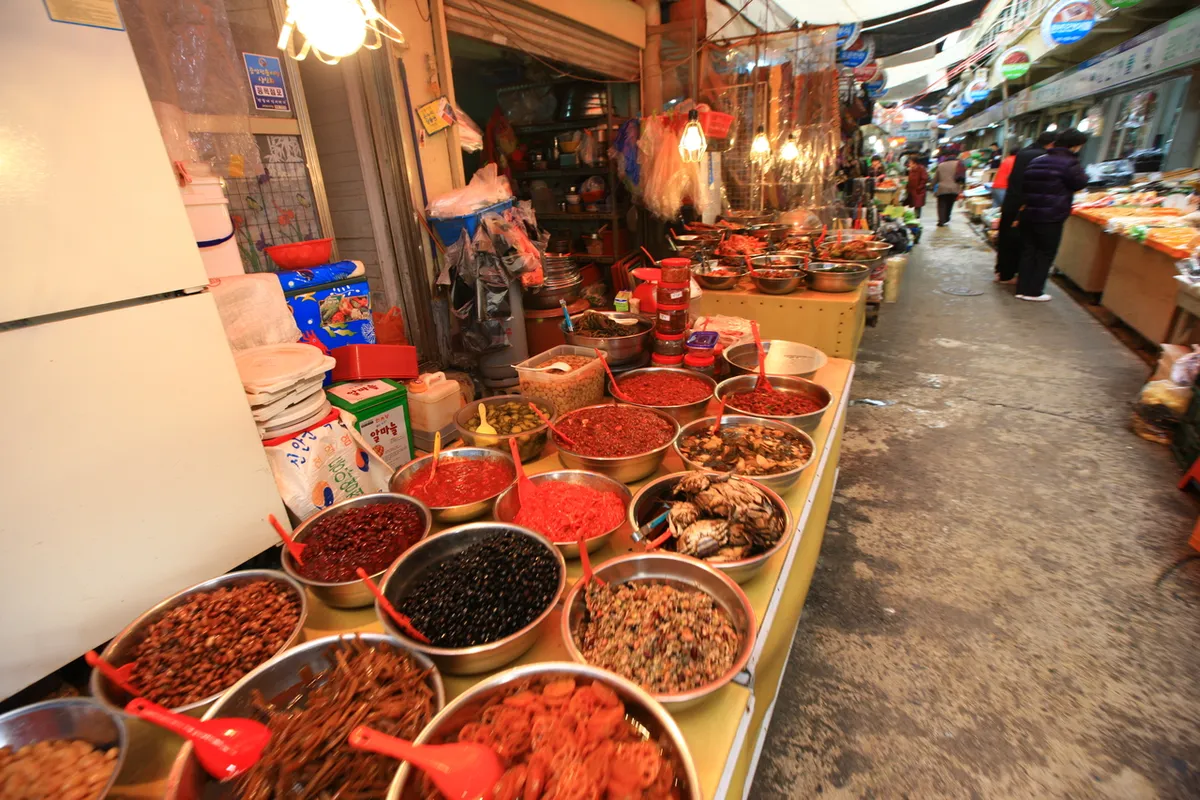
Jeotgal, salted seafood, may appear in markets, set meals, and regional food settings. Travelers with seafood allergies or dietary restrictions should ask directly before eating fermented or salted side dishes.
Warm Banchan: Egg, Noodles, and Cooked Sides
Not all banchan are cold. Some side dishes are served warm, especially in barbecue restaurants, set-meal restaurants, and seafood restaurants.
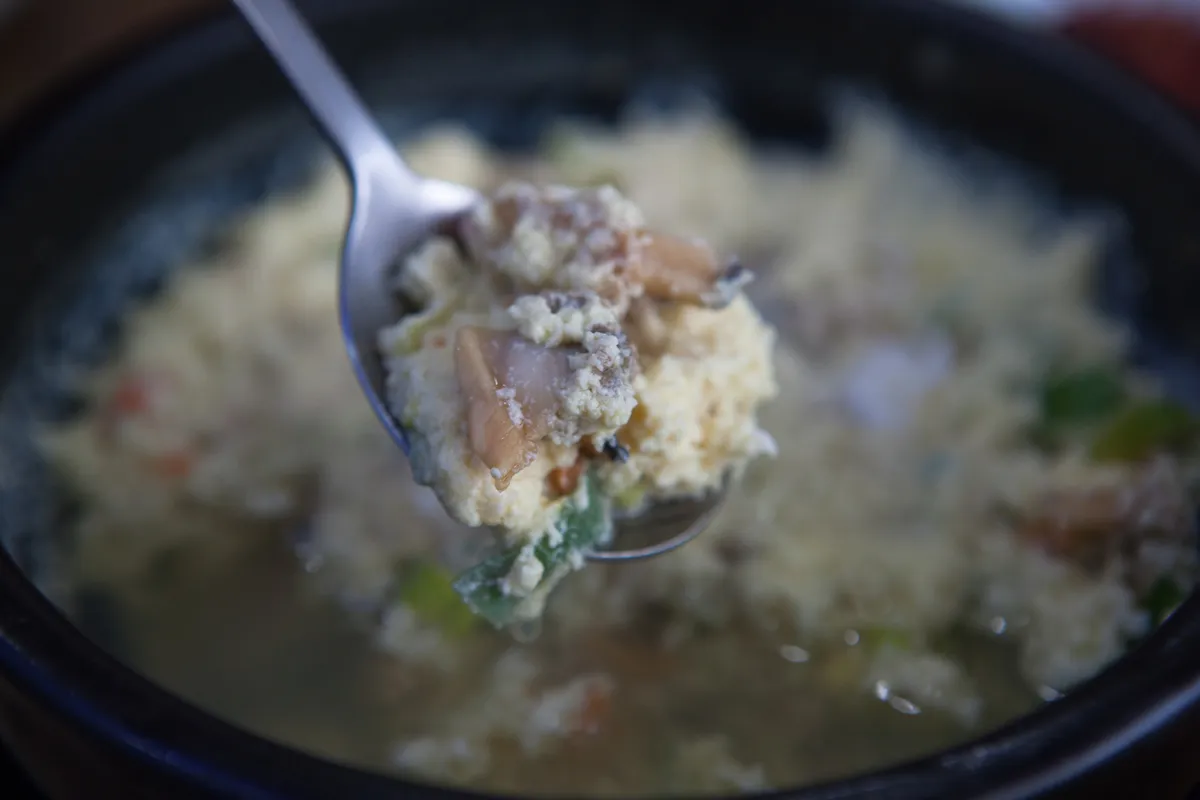
Gyeran-jjim (계란찜), steamed egg, is a soft egg dish served in a hot bowl or pot. It may appear as a side dish or a separate order depending on the restaurant.
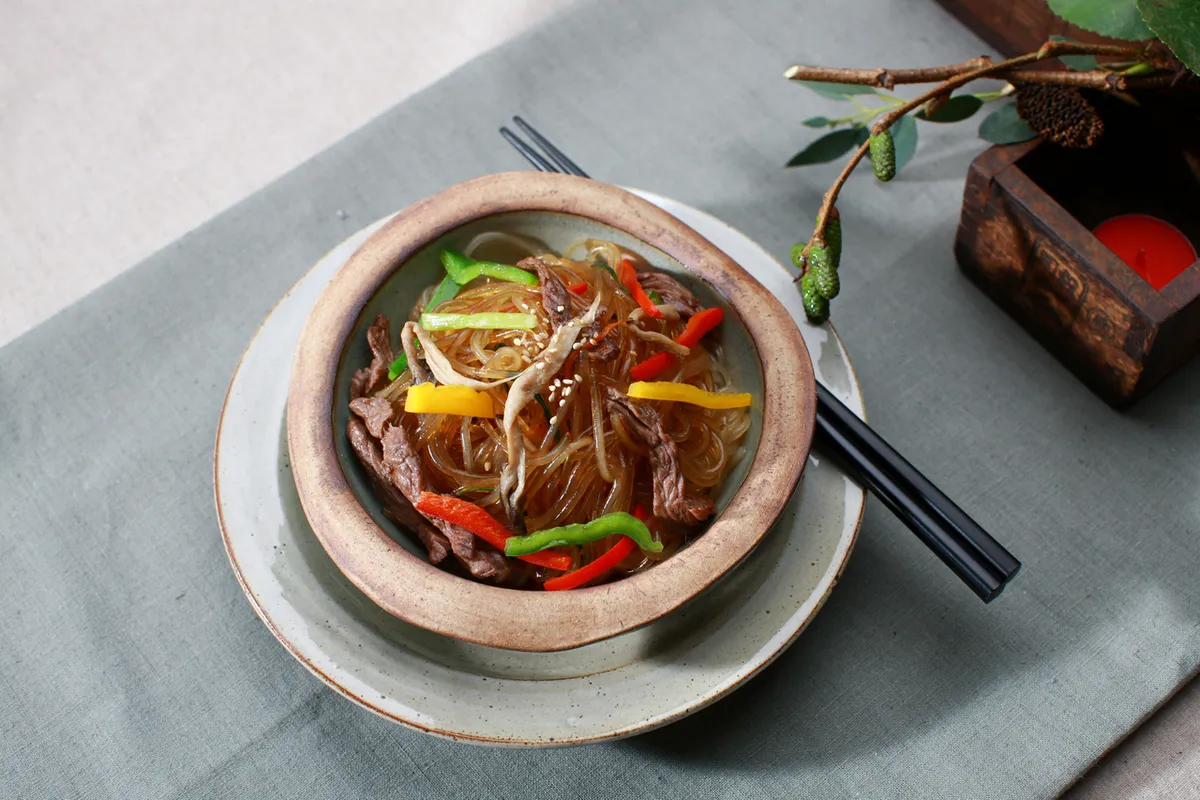
Japchae can also appear in side-dish portions, although it is also served as a party dish or main dish in some settings. It uses clear noodles mixed with vegetables, soy sauce, and other seasonings.
Warm banchan may not always be refillable. If a side dish is cooked to order or served in a larger portion, it may be treated differently from small cold side dishes.
How to Eat Banchan at a Korean Restaurant
Banchan are usually shared. Take small portions with chopsticks and eat them between bites of rice, soup, meat, or noodles.
Avoid treating one side dish as a separate appetizer to finish before the main dish arrives. The usual rhythm is to move between rice, the main dish, and several side dishes throughout the meal.
At Korean barbecue restaurants, banchan often support grilled meat. Kimchi, pickles, garlic, lettuce, ssamjang, and vegetable side dishes help balance fatty pork or beef.
At soup and stew restaurants, banchan usually gives texture beside the broth. Kkakdugi with a hot soup is a common example because the radish stays crisp next to rice and broth.
🗣️ Korean Phrase: “Banchan jom deo juseyo (반찬 좀 더 주세요)” means “Please give us a little more side dishes.”
Are Banchan Free or Refillable?
Many Korean restaurants provide basic banchan as part of the meal. Some restaurants refill simple side dishes when asked, especially kimchi, pickles, or vegetable sides.
This should not be treated as a universal rule. Premium items, cooked egg dishes, seafood sides, large portions, or special side dishes may cost extra or may not be refillable.
The safest approach is to ask politely and order extra only if the restaurant confirms it. If staff bring more banchan without mentioning a charge, it is commonly part of the table service, but travelers should still follow the restaurant's menu and staff guidance.
Do not take more than the group will eat. Leaving large amounts of refilled banchan is poor table etiquette and can create unnecessary waste.
Allergy and Vegetarian Notes
Banchan can look simple while containing hidden ingredients. Kimchi may include fish sauce or salted seafood. Stir-fried side dishes may use soy sauce, sesame oil, seafood, anchovies, egg, wheat, or processed fish cake.
Vegetable banchan are not automatically vegetarian. A namul dish may be plant-based, but seasoning and broth ingredients can vary by restaurant.
Travelers with allergies should ask directly and avoid guessing from appearance alone. If the restaurant cannot confirm ingredients, choose side dishes that are clearly safe for your needs or avoid uncertain items.
Frequently Asked Questions
What does banchan mean?
Banchan means Korean side dishes. They are small dishes served with rice and main foods such as barbecue, stews, soups, noodles, or set meals.
Are banchan free in Korea?
Basic banchan are often included with a restaurant meal, but this is not a universal rule for every item. Premium, cooked, or larger side dishes may cost extra, so ask staff if you are unsure.
Can I ask for more banchan?
Yes, in many casual restaurants you can ask politely for more basic side dishes. Use “Banchan jom deo juseyo” (반찬 좀 더 주세요), meaning “Please give us a little more side dishes.”
Is kimchi the same as banchan?
No. Kimchi is one type of banchan. Banchan also includes seasoned vegetables, pickles, stir-fried dishes, braised dishes, egg dishes, and other small sides.
Are banchan vegetarian?
Not always. Some vegetable side dishes may use fish sauce, anchovies, seafood seasoning, egg, or processed fish products. Travelers with dietary restrictions should ask before eating.
Complete Your Korea Food Trip with TripKorea
Korean food walks and markets
Use Seoul activity listings to connect restaurant meals with markets, cooking classes, and food streets.
Explore Things to Do in Seoul
Stay near central restaurant areas
Myeongdong is useful for travelers who want quick access to food streets, shopping routes, and subway lines.
Explore Hotels in Myeongdong
Sources & References
Data Sources:
- Korean Food Information: Korea Foundation Korean Food Database
- Photos: Korea Tourism Organization PhotoKorea
Official Sites:
- Visit Korea — Korean Food
Last verified: 2026-08-15
Restaurant side dishes, refills, ingredients, and extra charges vary by location. Please confirm directly before ordering or eating.