Korean set meals organize rice, soup, a main dish, and accompanying dishes into one restaurant order. Baekban (백반), jeongsik (정식), and hanjeongsik (한정식) can all describe set-menu formats, but the words do not always indicate the same scale or type of meal.
This guide explains how Baekban works, how Korean set-meal names are formed, and what distinguishes an everyday rice set from a broader Hanjeongsik table.
1. What Does Baekban Mean?
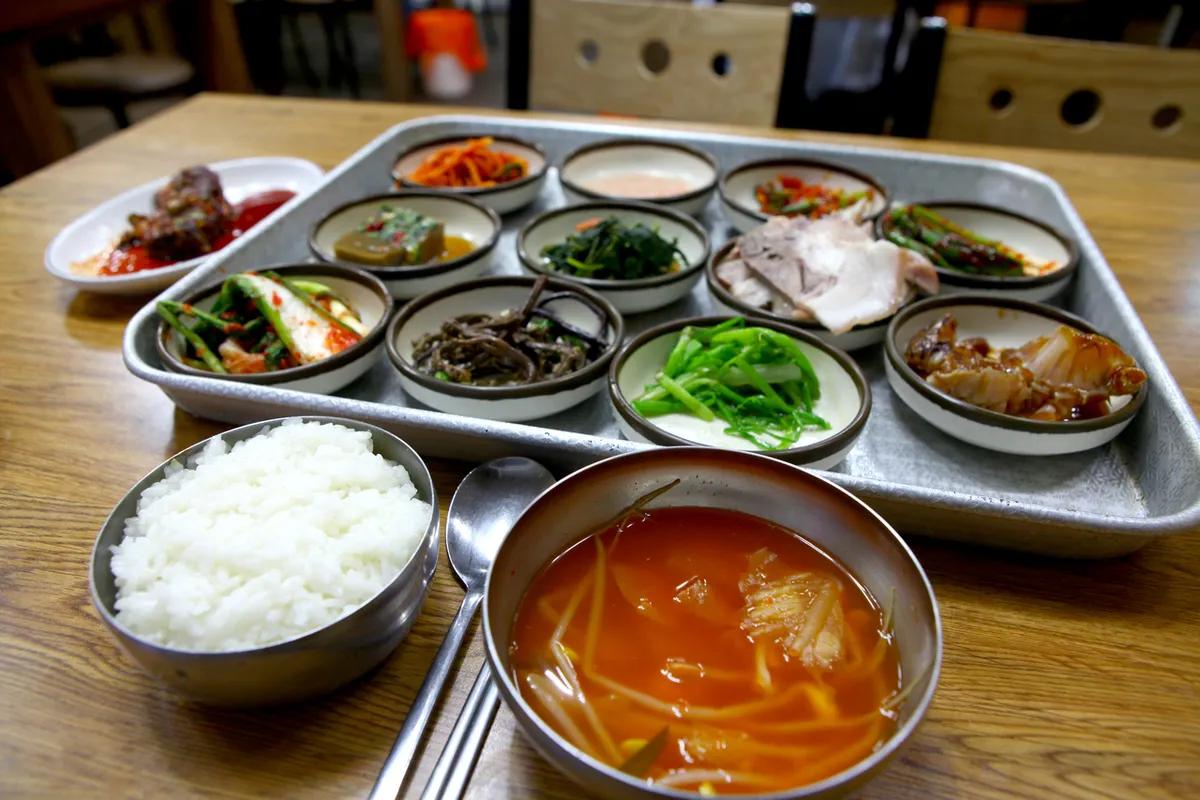
Baekban has two related meanings. It can refer simply to steamed white rice, or it can mean a complete restaurant menu made up of rice, soup, and side dishes.
On a restaurant sign or menu, the second meaning is often the useful one. A Baekban order provides the basic structure of a Korean meal without requiring every dish to be selected separately.
The word alone does not identify one fixed recipe. The main dish or soup commonly determines the full menu name, so two restaurants can both sell Baekban while serving different meals.
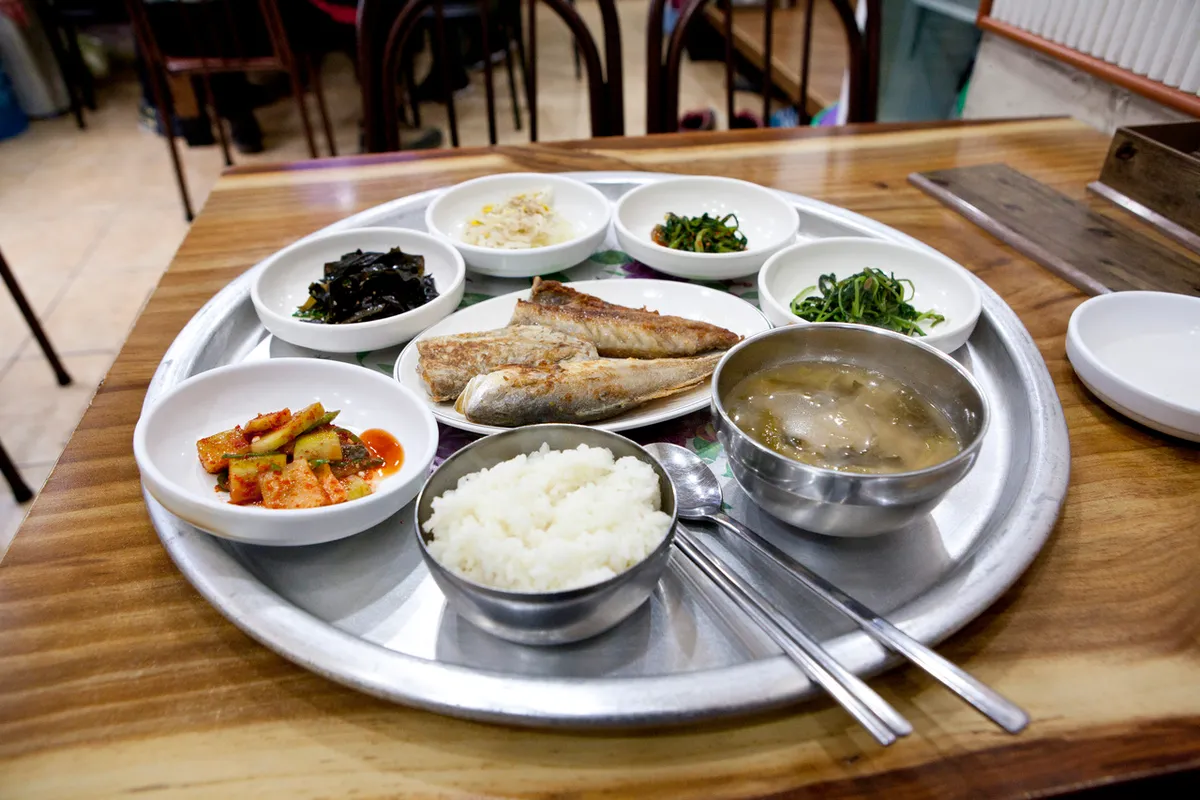
Photo: Korea Tourism Organization
2. How Korean Set-Meal Names Work
A Korean set-meal name usually places the featured dish before Baekban or jeongsik. This tells the diner what anchors the meal while rice and accompanying dishes complete the set.
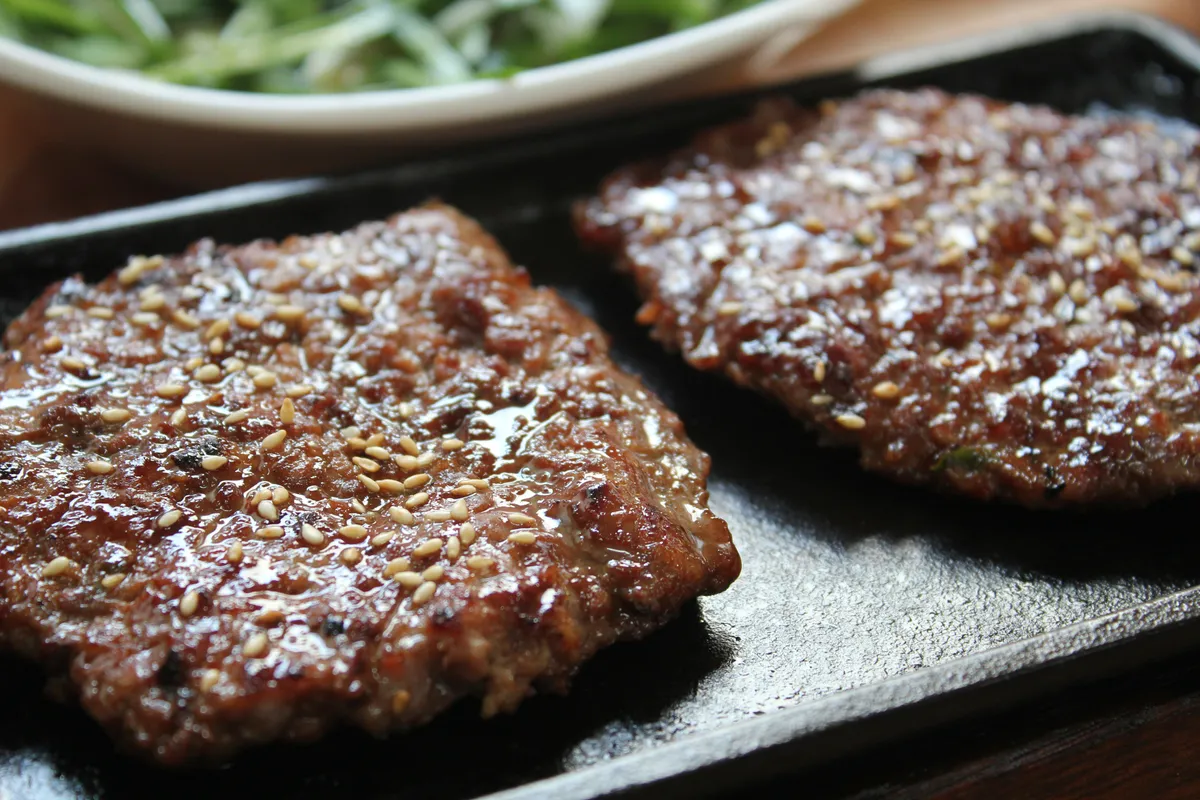
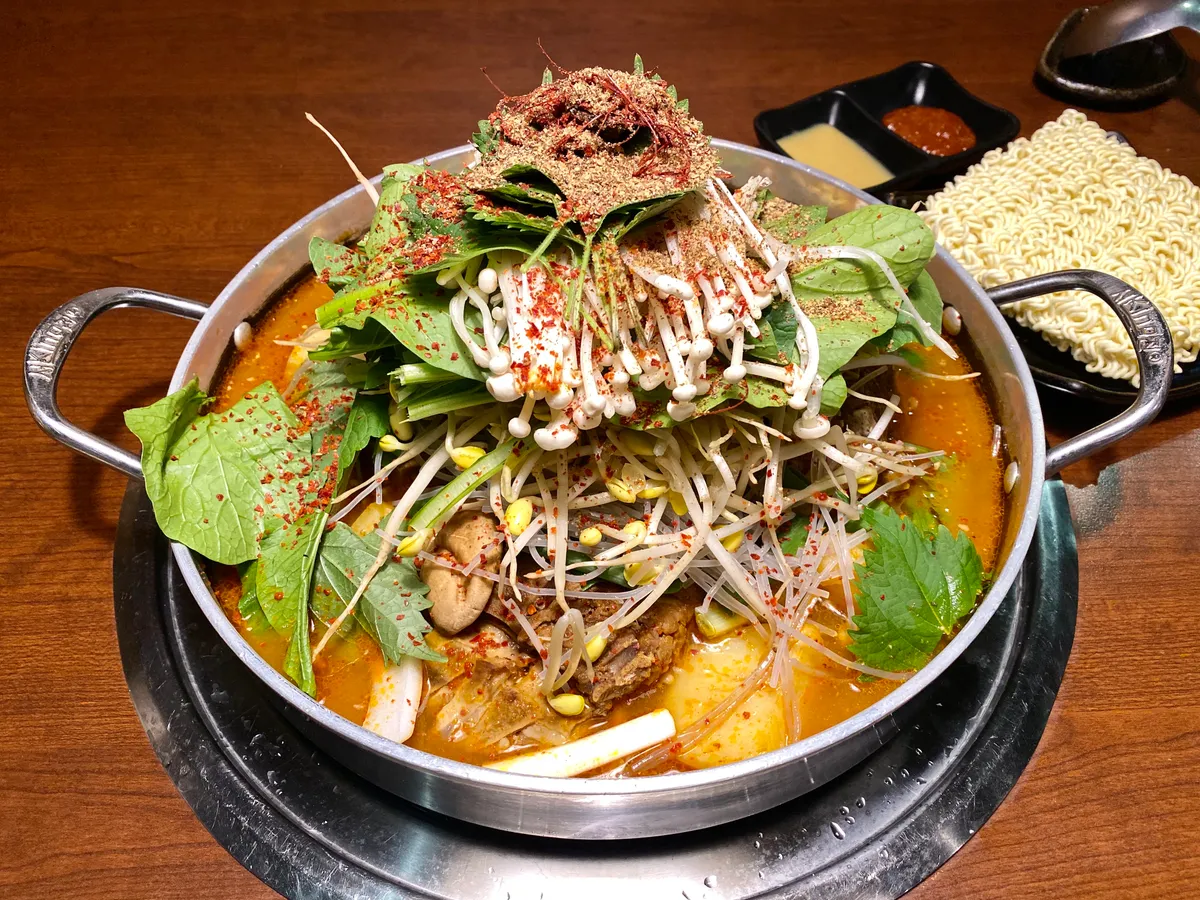
Doenjang-jjigae Baekban and bulgogi Baekban are two documented examples. One is organized around soybean-paste stew, while the other is organized around marinated beef.
Bulbaek jeongsik (불백정식), another recorded menu name, is a set of grilled marinated beef, rice, and side dishes. The example shows how a main dish can become the identifying word for the entire order.
The exact composition still belongs to the restaurant. A menu name identifies the center of the meal, but it does not guarantee a nationwide list of accompanying dishes.
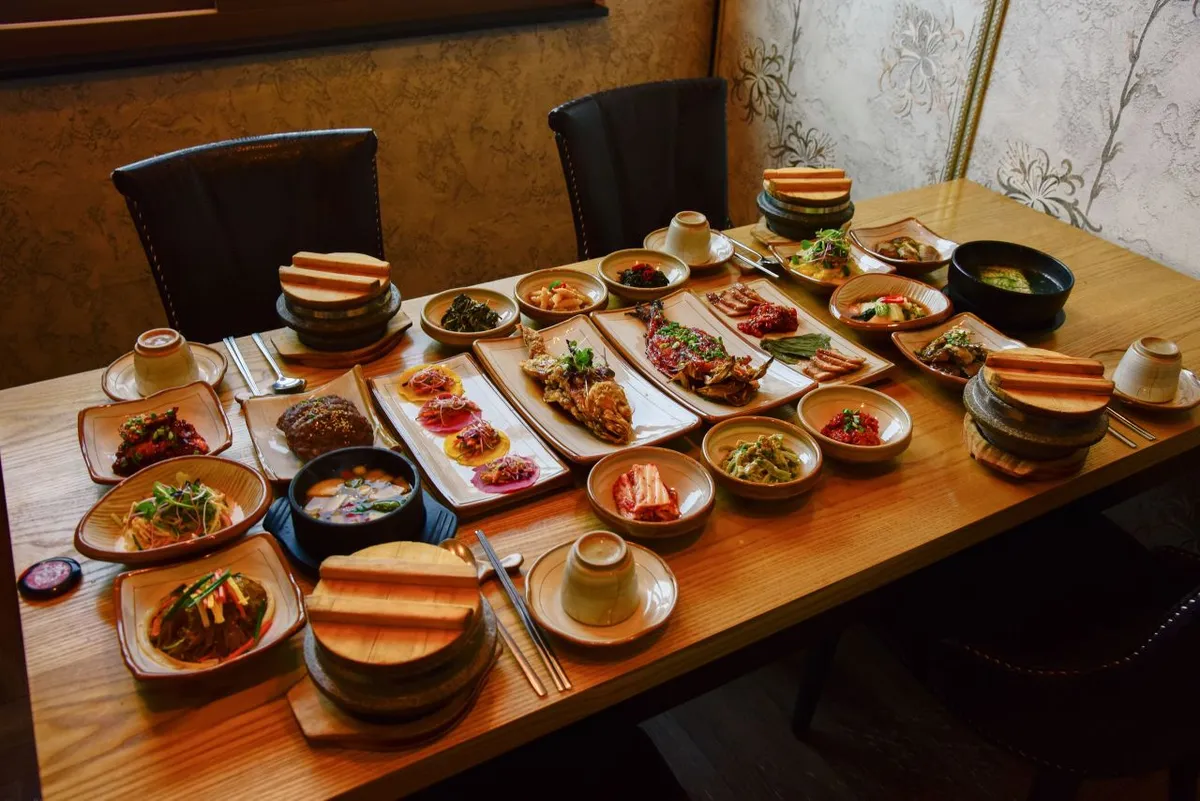
Photo: Korea Tourism Organization
3. Korean Set Meals: Baekban, Jeongsik, and Hanjeongsik
Baekban centers on rice and the dishes served with it. The name may stand alone or follow a main food such as a stew, grilled fish, or bulgogi.
Jeongsik means a set menu and is usually connected to the specialty of the house.
This makes jeongsik a broad menu word rather than the name of one dish. A restaurant can attach it to the food it specializes in and serve that food with rice and accompanying items.
Hanjeongsik refers to a traditional Korean set menu composed of various dishes with rice, soup, kimchi, and side dishes. Compared with a straightforward Baekban order, the name signals a wider table arrangement rather than one standardized list.
The distinction is best read as a menu structure, not a guaranteed hierarchy. Prices, portions, number of courses, and included dishes must be checked on the restaurant's current menu.
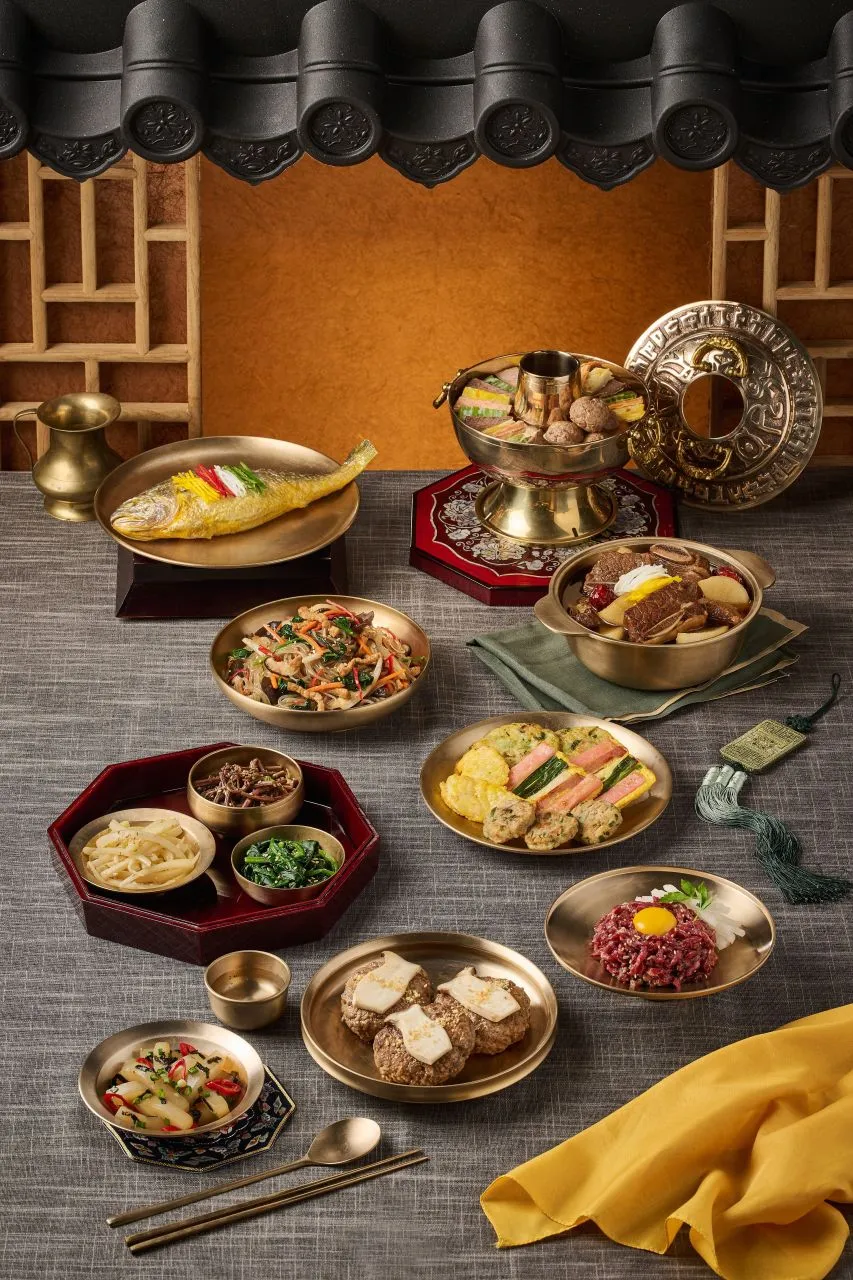
Photo: Korea Tourism Organization
4. Reading a Baekban Menu
Begin with the word that comes before Baekban or jeongsik. That first word normally identifies the soup, meat, fish, or restaurant specialty around which the set is built.
Next, check whether the listed price applies to one person or whether the restaurant states an ordering condition. Do not infer the serving rule from the photograph alone.
Menu photographs can help show the table arrangement, but included dishes may change. The written menu and staff confirmation are the reliable guides for the current order.
If several set names appear together, compare their featured dishes rather than counting visible side plates. One set may be distinguished by its stew, another by grilled fish, and another by marinated meat.
Useful menu words include:
Baekban (백반): rice with soup and accompanying dishes in a restaurant set
Jeongsik (정식): a set menu, often built around the restaurant's specialty
Hanjeongsik (한정식): a traditional Korean set menu with various dishes
Because restaurant formats vary, confirm whether rice and soup are included before adding separate items.
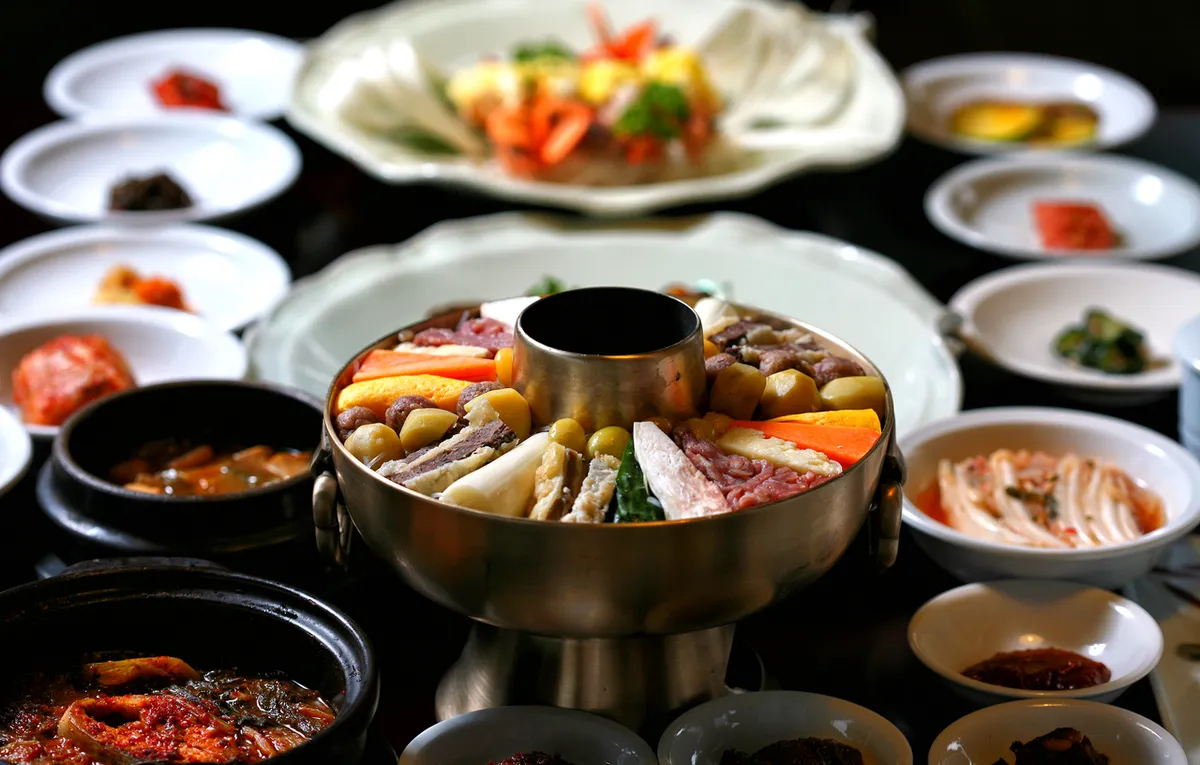
Photo: Korea Tourism Organization
5. How to Approach the Meal at the Table
A Baekban table is organized around the full meal rather than a sequence of separate appetizers and a main course. Rice, soup, the featured dish, and accompanying dishes are intended to be eaten as parts of the same order.
Start by identifying the main dish and the soup. This makes it easier to understand why the set carries a particular name and which plates are supporting components.
The exact arrangement depends on the restaurant and the number of diners. Use the menu name and the dishes served to identify the featured food and the accompanying parts of the set.
For Hanjeongsik, the number and order of dishes may differ from the compact Baekban format. Follow the restaurant's serving sequence rather than assuming that every plate shown in promotional material will arrive at once.
When a dish is unfamiliar, ask what it is before making dietary assumptions. The appearance of a vegetable, soup, or sauce does not establish every ingredient used by the kitchen.
Frequently Asked Questions
What is Baekban?
Baekban can mean steamed white rice or a complete set meal of rice, soup, and side dishes. In restaurant names, it often refers to the complete meal.
Is Baekban one specific dish?
No. The main dish or soup can define the type of Baekban. Doenjang-jjigae Baekban and bulgogi Baekban are examples of different meals using the same set-menu format.
What is the difference between Baekban and Hanjeongsik?
Baekban is a rice-centered restaurant set, while Hanjeongsik is a traditional set menu of various dishes served with rice, soup, kimchi, and side dishes. Individual restaurants determine the exact composition.
Does a set-menu photo show everything included?
Not necessarily. Included dishes and serving conditions can change, so check the written menu and confirm current details with the restaurant.
Continue Exploring Korean Food
Baekban explains the structure of the full meal. For a closer look at the individual dishes served beside rice and soup, read the Banchan Guide to Korean Side Dishes.
Sources & References
Korean Food Information: Korea Foundation Korean Food Database entries for Baekban, Jeongsik, Bulbaek Jeongsik, and Hanjeongsik
Official food information: Visit Korea — Korean Food
Photos: Korea Tourism Organization
Last verified: September 9, 2026
Restaurant set composition, portions, prices, and ordering conditions may change. Use this Korean set meals guide with the restaurant's current menu.