Seoul day trips without a car can cover UNESCO-listed fortress walls, island parks, DMZ-area peace sites, mountain cable cars, hanok villages, East Sea beaches, and theme parks. This guide focuses on verified destinations that can be planned through public transport, KTX or express-bus routes, shuttle services, private transfers, or guided day tours.
Seoul Day Trips Without a Car: How to Choose the Right Route
A no-car day trip from Seoul works well when the destination has one clear anchor attraction, a known ticket or shuttle option, and enough on-site content to justify the travel. Shorter routes such as Suwon, Yongin, Paju, and Gapyeong suit travelers who want to return to Seoul the same evening. Longer routes such as Sokcho, Jeonju, and Gangneung are still possible as day trips, but they benefit from a more structured plan.
The safest way to compare routes is by destination type. Historical routes favor Suwon Hwaseong Fortress, Korean Folk Village, and Jeonju Hanok Village. Nature and scenery routes favor Nami Island, Gangchon Rail Park, Seoraksan Cable Car, and Gyeongpo Beach. Security-history routes point toward Paju and Imjingak. Theme-park routes point toward Everland, where shuttle and ticket packages are commonly used by foreign visitors.
TripKorea’s Klook-linked listings can help when a route has several transfers or time-sensitive tickets. Relevant internal pages include Seoul things to do and day tours, Gapyeong activities, Paju and DMZ-area tours, and Seoul transport options.
💡 TripKorea's Tip: For an initial no-car day trip, choose one primary destination and one optional add-on. A route with three or four rural stops is better handled as a guided tour or private transfer.
Suwon and Yongin: Fortresses, Folk Culture, and Theme Parks
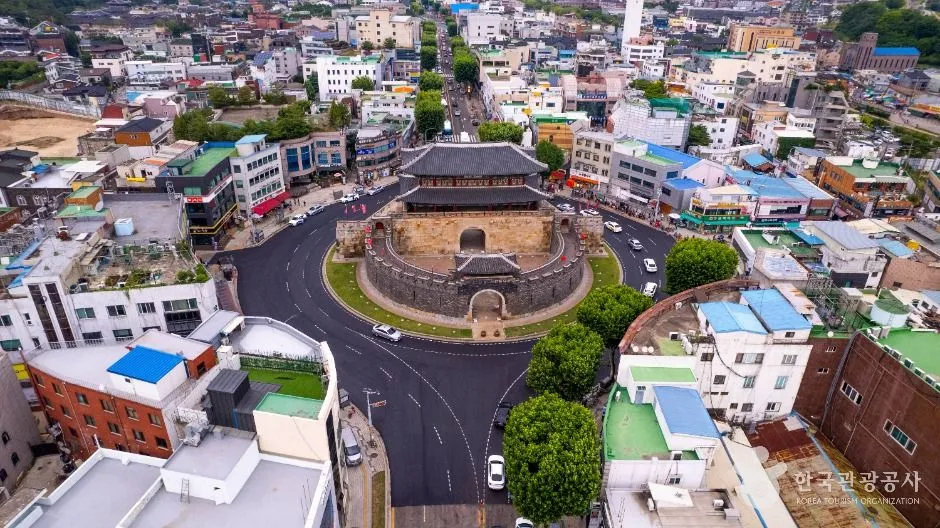
Suwon Hwaseong Fortress [UNESCO World Heritage] (수원 화성) is one of the strongest historical day trips from Seoul. The fortress was built during the Joseon dynasty to protect Suwon, one of the four main regional government centers of the period. It was designated as a UNESCO World Cultural Heritage Site on December 12, 1997. The fortress walls stretch for approximately 5.7 kilometers, with Paldalsan Mountain at the center, and the site is listed as open 24 hours.
The listed address is Yeonghwa-dong, Jangan-gu, Suwon-si, Gyeonggi-do. Parking exists, but the route is also suitable for travelers who prefer a train-based city day. For visitors who want a packaged route, TripKorea’s listings include Seoul Korean Folk Village and Suwon Hwaseong Fortress day tours and Suwon private charter options from Seoul.
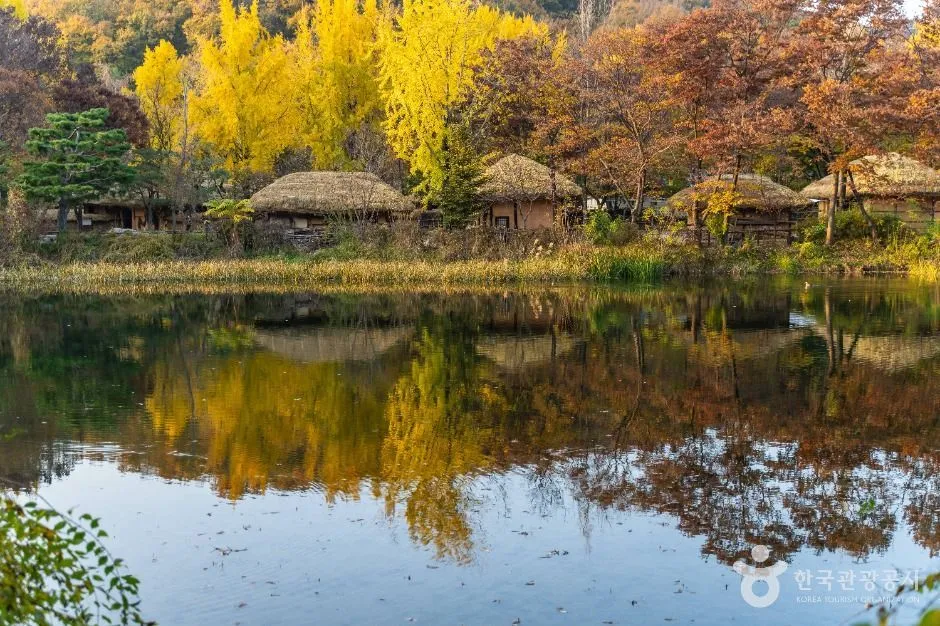
Korean Folk Village (한국민속촌) in Yongin introduces late-Joseon-period traditional culture through restored houses, cultural classes, seasonal customs, folk music, martial arts on horseback, traditional wedding ceremonies, and seasonal performances. Its listed address is 90 Minsokchon-ro, Giheung-gu, Yongin-si, Gyeonggi-do, and listed hours are Monday to Thursday 10:00 to 18:00, with Friday and weekend hours from 10:00 to 22:00. It is open year-round.
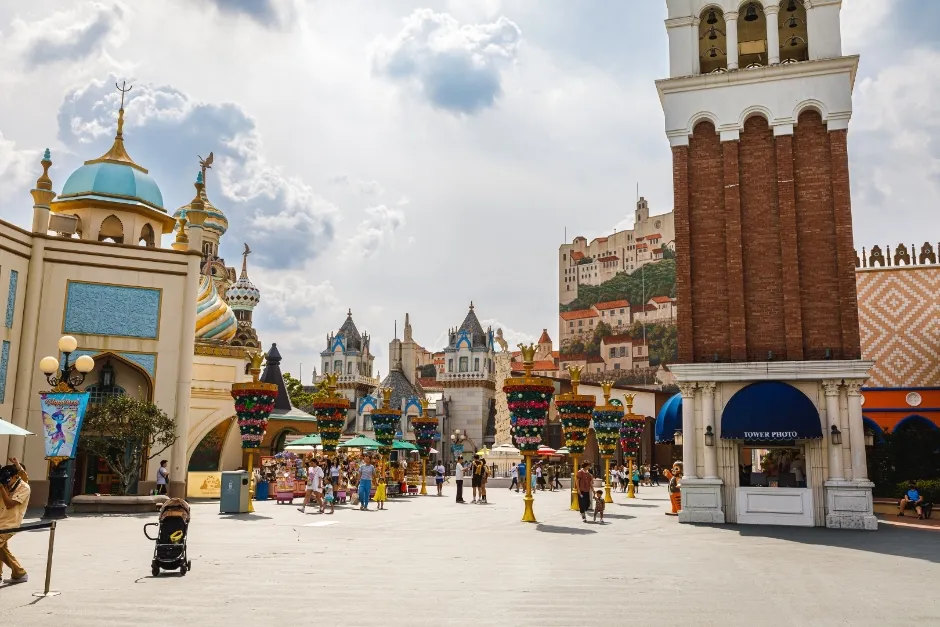
Everland (에버랜드), also in Yongin, is a theme park with five areas: Global Fair, American Adventure, Magic Land, Zootopia, and European Adventure. It opened on April 17, 1976, and is listed as open year-round, with monthly operating hours published on the official website. For no-car planning, TripKorea’s listings include Everland day tours with transfers and Seoul to Everland shuttle bus options.
Gapyeong and Chuncheon: Nami Island, Rail Bike, and Garden Routes
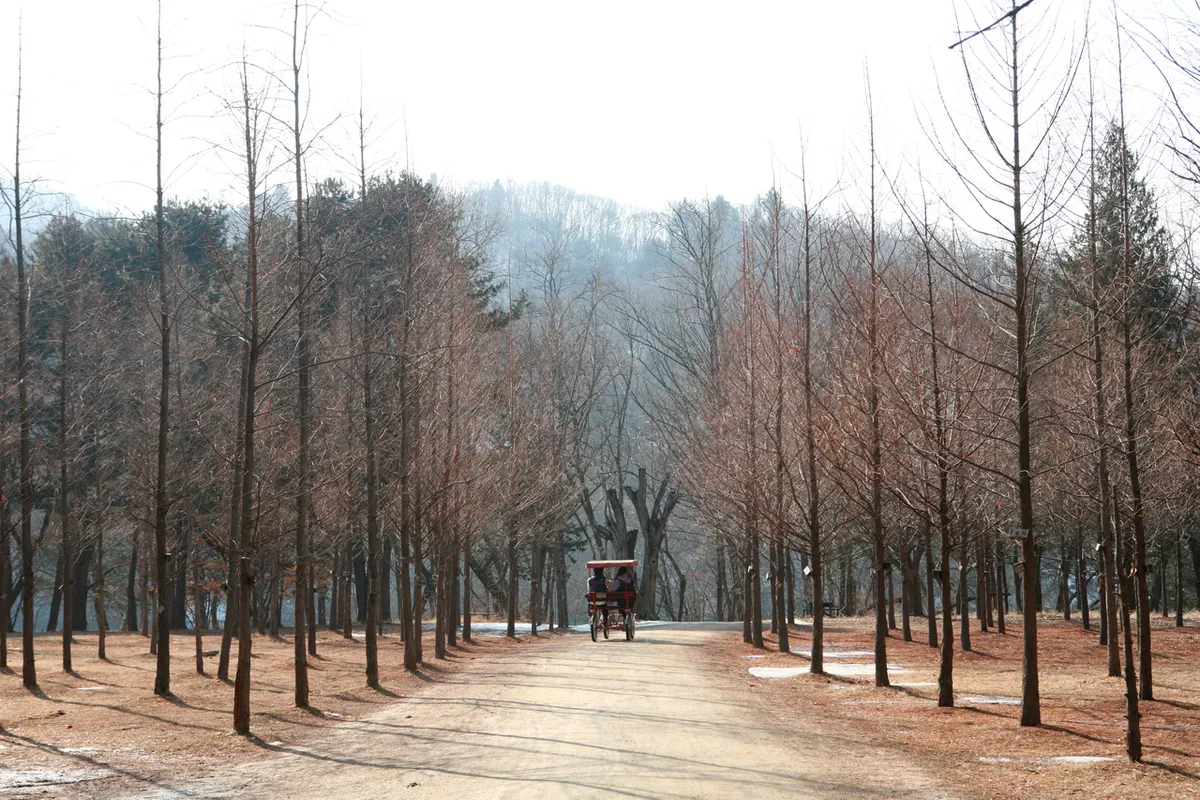
Nami Island (남이섬) in Chuncheon is a practical choice for a no-car route because it is commonly paired with shuttles, guided tours, and packaged day trips. The island is listed at 1 Namiseom-gil, Namsan-myeon, Chuncheon-si, Gangwon-do. It operates year-round, and the ferry from Gapyeongnaru Pier is listed from 08:00 to 21:00. Morning ferry intervals are listed at 30 minutes between 08:00 and 09:00, and 10 to 20 minutes between 09:00 and 18:00, with schedule changes possible by season and operating conditions.
The island includes cultural spaces such as the Song Museum, Picture Book Playground, and MICE Center. Visitor activities listed for the island include a charity train, story tour bus, bicycles, craft programs, wood-fired pizza making, and ship-safety education programs.
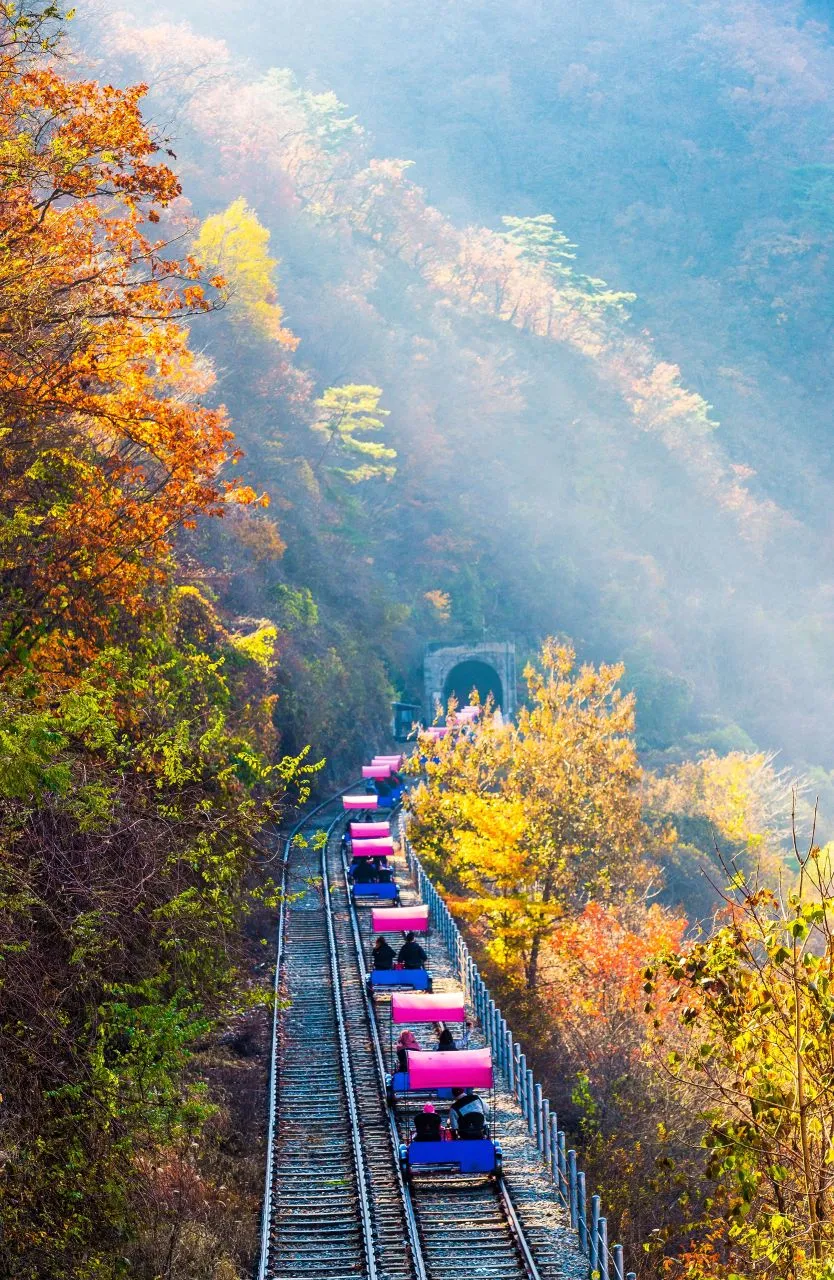
Gangchon Rail Park (Gimyujeong Railbike) (강촌레일파크 김유정레일바이크) is another strong Chuncheon-area activity. The rail bike park uses former railway tracks after the Gyeongchun Subway Line opened. Its total course is 8.5 kilometers, with 6 kilometers by rail bike and the final 2.5 kilometers by train. Listed hours are March to October from 09:00 to 17:30 and November to February from 09:00 to 16:30, with a 12:10 to 13:00 break and schedule changes possible.
For this region, the most efficient no-car products usually combine multiple sites. TripKorea’s listings include Nami Island, rail bike, Alpaca World, Petite France, and Morning Calm day tours, Seoul to Nami Island shuttle services, and Chuncheon rail bike and nearby activity routes.
📍 TripKorea's Tip: Gapyeong and Chuncheon routes are easier when grouped by supplier route rather than by map distance. Check whether the package starts in Seoul, Gapyeong, or Chuncheon before booking.
Paju and the DMZ Area: Imjingak and Peace Tourism
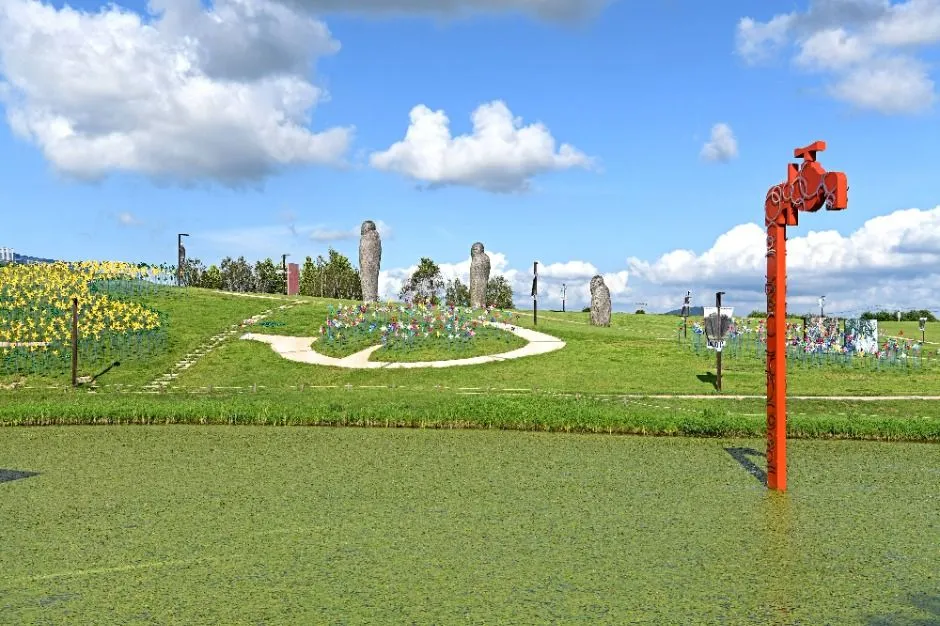
Imjingak Resort (Pyeonghwa Nuri Park) (파주 임진각 평화누리공원) is listed at 177 Imjingak-ro, Munsan-eup, Paju-si, Gyeonggi-do. The site is approximately 56 kilometers from Seoul City Hall and 7 kilometers from the DMZ. It includes war-related artifacts, Pyeonghwa Nuri Park, the Freedom Bridge, the Imjingang rail bridge from the Korean War, a memorial hall, monuments, and recreation areas.
Paju Imjingak Peace Gondola (DMZ Peace Gondola) (파주 임진각평화곤돌라) is located in the Imjingak Tourist Complex. It connects Imjingak Resort and Camp Greaves and is listed as Korea’s first gondola to cross over the Civilian Control Zone. General-cabin round-trip fees are listed at 12,000 won for adults and 10,000 won for children; crystal-cabin round-trip fees are listed at 15,000 won for adults and 13,000 won for children. Weekday operating hours are listed as 09:00 to 18:00, with last ticketing at 17:30. Weekend and public-holiday hours are listed as 09:00 to 19:00, with last ticketing at 18:30.
DMZ-area planning requires more caution than a normal city day trip because some programs depend on security conditions, access rules, or supplier schedules. TripKorea’s listings include Paju DMZ tours, DMZ tours departing from Seoul, and DMZ shuttle and private transfer options.
🚨 Planning note: Do not assume every DMZ-related site has the same access rules. Check the exact itinerary, identification requirements, cancellation policy, and meeting point before booking.
Sokcho, Gangneung, and Jeonju: Long Day Trips by Tour or KTX
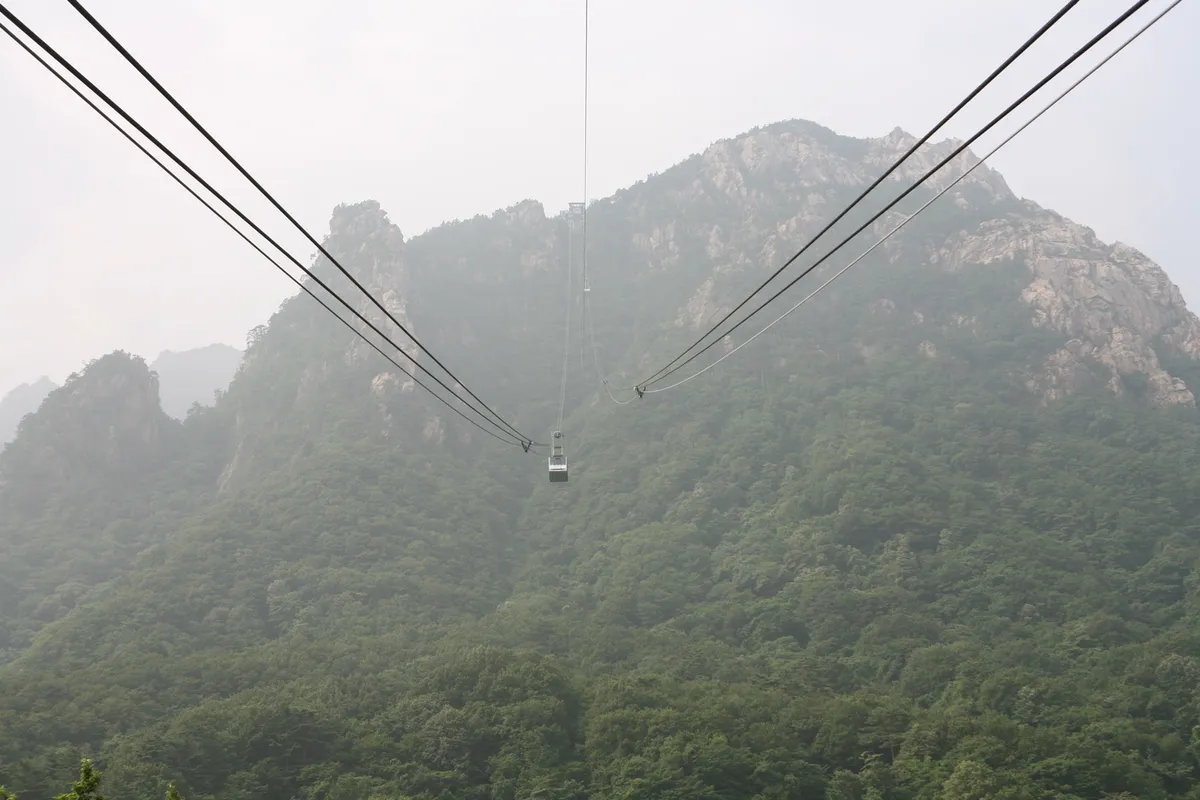
Seoraksan Cable Car (설악산 케이블카) in Sokcho is a mountain-focused day trip for travelers who want a national-park setting without planning a full hike. The cable car station is inside Seoraksan National Park at 1085 Seoraksan-ro, Sokcho-si, Gangwon-do. The ride takes about 10 minutes to reach Gwongeumseong Fortress, which is listed at 700 meters above sea level. One-way tickets are not available; passengers purchase a round-trip ticket. Round-trip fees are listed as 15,000 won for adults and 11,000 won for children, with free rides for children aged 3 or under. Operating hours are announced one day in advance on the official website.
For no-car travelers, Sokcho works better as a full-day guided route or a longer stay. TripKorea’s listings include Seoraksan and Sokcho day tours, Seoraksan tours departing from Seoul, and Sokcho local taxi tour options.
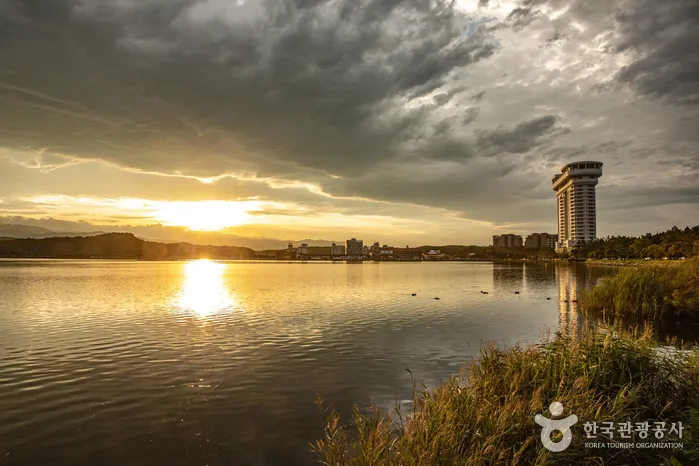
Gangneung Gyeongpo Beach (강릉 경포해수욕장) is listed at 514 Changhae-ro, Gangneung-si, Gangwon-do. The beach is formed between Gyeongpoho Lake and the ocean, with a sandy shore listed at 1.8 kilometers long. Facilities listed for the beach area include restrooms, shower booths, changing rooms, and parking, and the site is listed as open 24 hours. TripKorea’s transport listings include Seoul to Gangneung KTX train tickets and Gangneung taxi tour options.
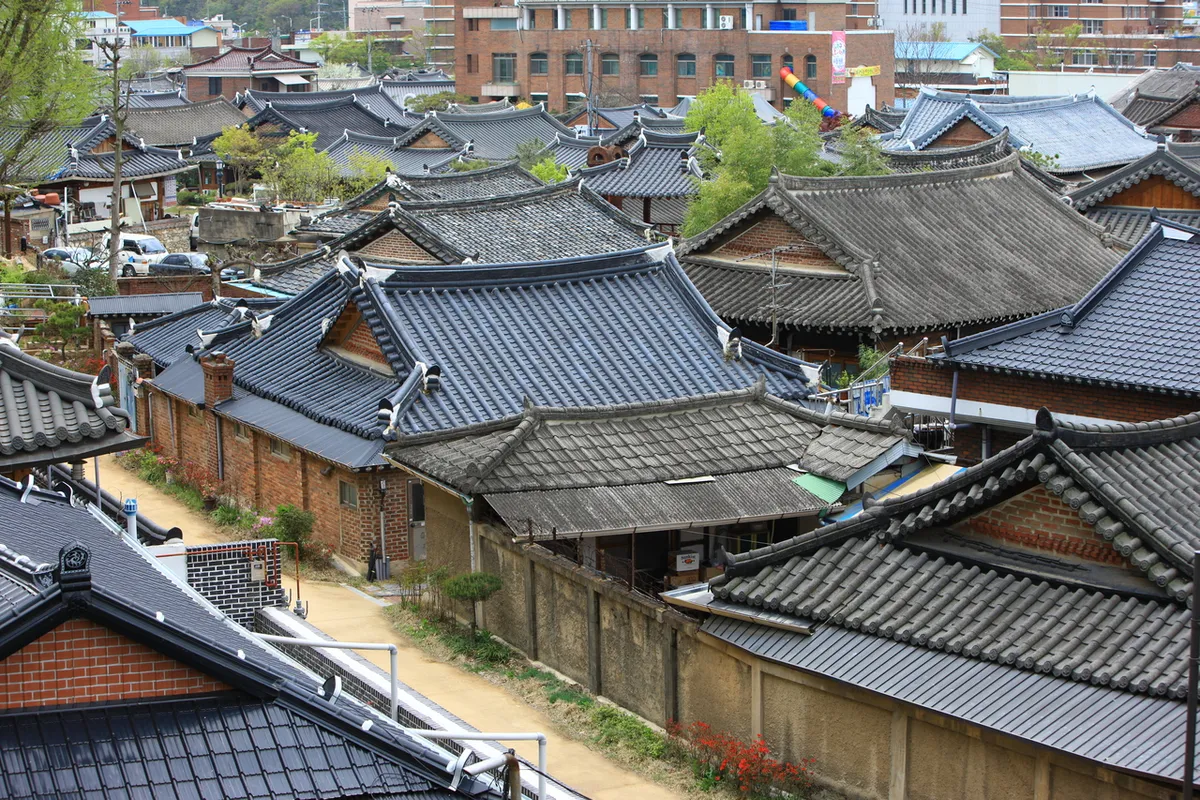
Jeonju Hanok Village [Slow City] (전북 전주 한옥마을) is listed at 99 Girin-daero, Wansan-gu, Jeonju-si, Jeonbuk-do. The village contains around 700 hanok buildings and is described as Korea’s largest and only urban traditional hanok village. Its area developed around Gyeonggijeon Shrine, Omokdae, and Jeonjuhyanggyo Confucian Academy. TripKorea’s listings include Jeonju Hanok Village tours from Seoul, Seoul to Jeonju KTX train tickets, and Jeonju Hanok Village activities.
Where to Stay Before a No-Car Day Trip
For early day tours, central Seoul is usually the simplest base. Hotels in Myeongdong work well for visitors who want central pickup access and short subway connections. Hotels in Hongdae suit travelers who prefer western Seoul and airport-rail access. Hotels in Jongno are practical for history-focused routes and central sightseeing before or after a day trip.
For longer routes, overnight stays reduce pressure. Consider hotels near Nami Island for Gapyeong and Chuncheon routes, hotels in Seorak, Sokcho for Seoraksan access, hotels in Gangneung for East Sea routes, or hotels in Jeonju for a slower hanok-village visit.
Frequently Asked Questions
What is the easiest Seoul day trip without a car?
Suwon, Gapyeong, Yongin, and Paju are among the easier choices because they are close enough for a same-day return and have guided-tour, shuttle, or transfer options. Suwon is strong for UNESCO-listed heritage, while Gapyeong is strong for packaged island, garden, and rail-bike routes.
Can visitors book day trips from Seoul before arriving in Korea?
Yes. TripKorea’s Klook-linked listings include day tours, attraction tickets, shuttles, private transfers, KTX tickets, and local taxi tours. Availability depends on date, season, meeting point, and supplier inventory.
Is the DMZ suitable as an independent no-car day trip?
Some Paju sites such as Imjingak are easier to plan than controlled DMZ access areas. For DMZ-focused routes, a guided tour or shuttle is usually safer because access rules, security conditions, and itinerary permissions can change.
Are Jeonju and Gangneung too far for day trips from Seoul?
They can work as long day trips when planned around KTX, express-bus, guided-tour, or private-transfer options. For a less compressed schedule, both cities are better with an overnight stay.
Which route works well for families?
Everland, Korean Folk Village, Nami Island, Gangchon Rail Park, and Seoul-area aquarium or theme-park ticket routes are easier family choices than long mountain or beach days. Always check operating hours, age rules, and weather conditions before booking.
Plan Your Seoul Day Trip Basecamp
1. Choose a Seoul hotel base
Start with Myeongdong hotels, Hongdae hotels, or Jongno hotels if most day trips depart from central Seoul.
2. Book the route that matches your travel style
Use Seoul day tours and tickets for Suwon, Yongin, DMZ, Jeonju, Seoraksan, ski-season routes, and theme parks. Use Gapyeong activities for Nami Island, rail bike, and garden packages.
3. Add transport only where it reduces friction
Use Seoul transport listings, Gapyeong shuttle and private transfer options, Jeonju train and transfer options, and Gangneung KTX and taxi-tour options when the route is hard to connect independently.
Seoul day trips without a car are easiest when the destination, ticket, transfer, and return plan are chosen together rather than treated as separate decisions.
Sources & References
Data Sources:
- Tourist Attraction and Leisure Information: Korea Tourism Organization (TourAPI)
- Photos: Korea Tourism Organization Photo Korea and TourAPI image records
- Activity, Ticket, and Transport Links: TripKorea Klook-linked listings snapshot
Official Sites:
Last verified: 2026-08-15
All information verified at time of drafting. Operating hours, admission fees, guided-tour inventory, security access rules, and transport schedules are subject to change. Please confirm before visiting.