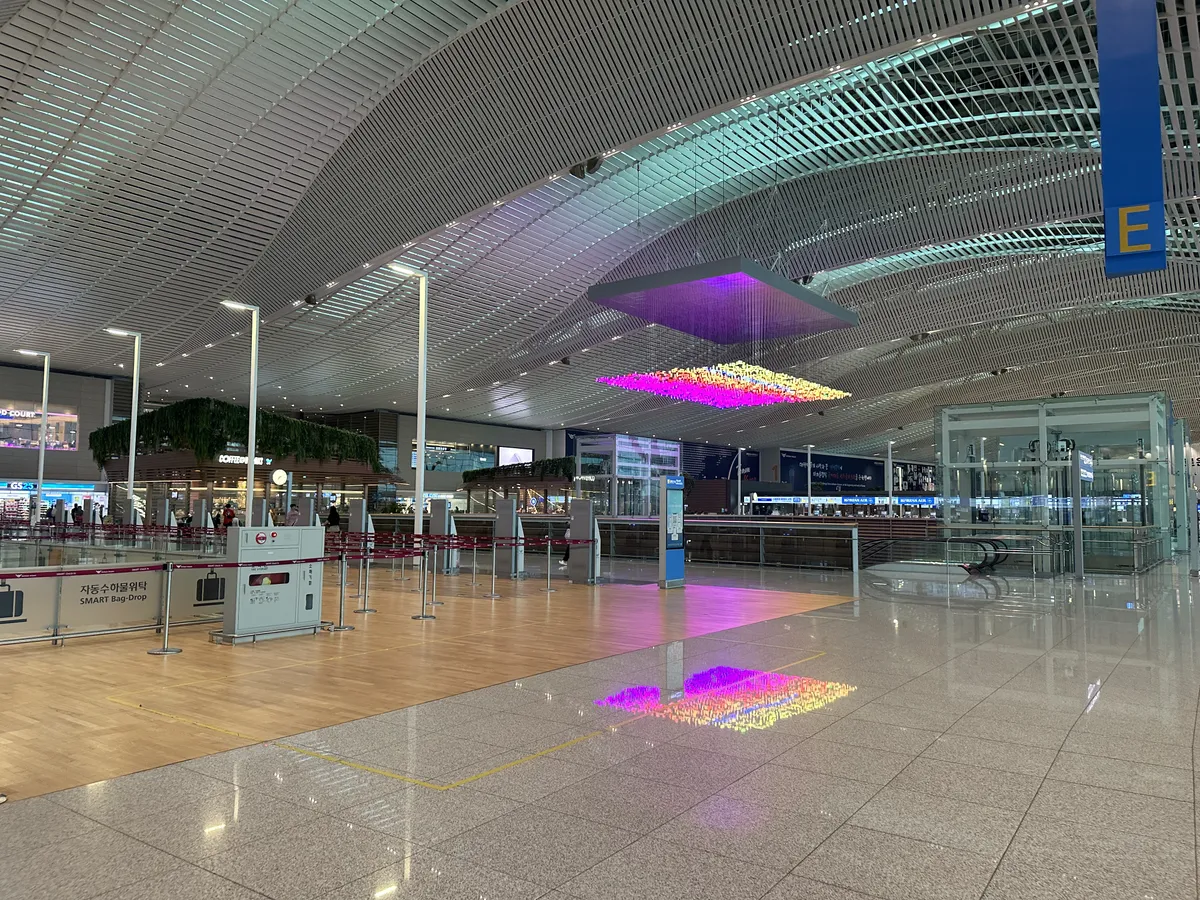
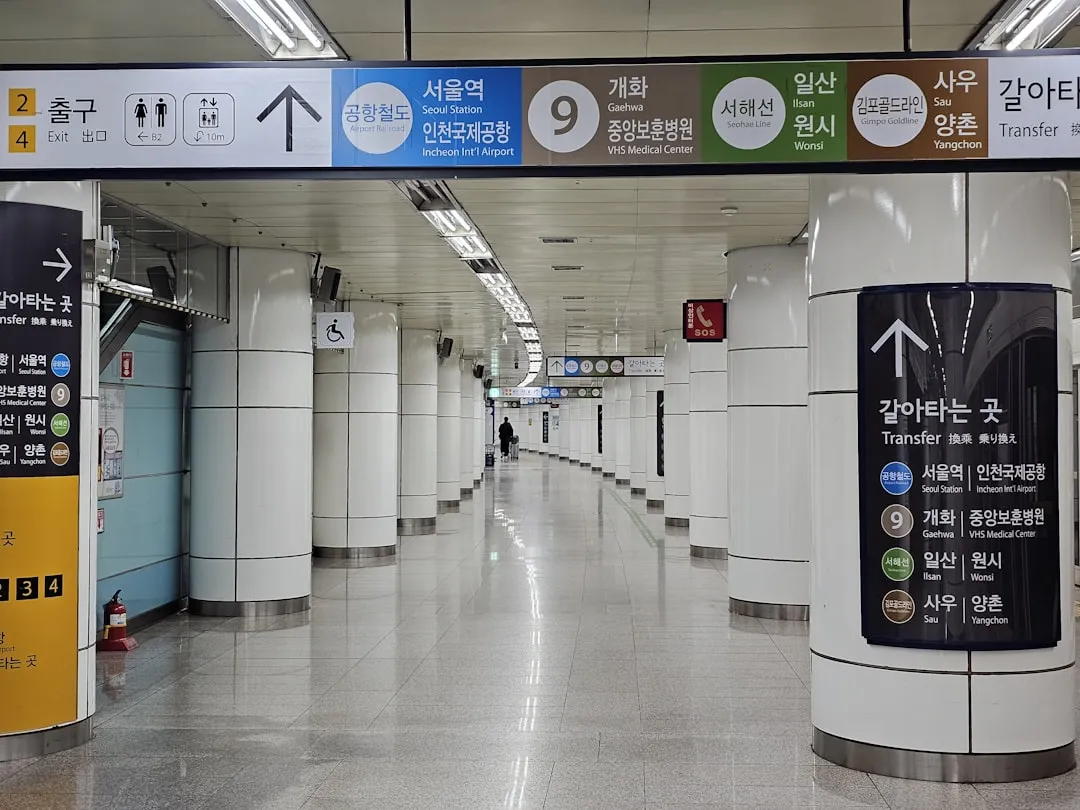
How to get around Seoul starts with three practical choices: subway for most cross-city trips, buses for neighborhood coverage, and taxis or airport transport when luggage or late-night timing matters. This Seoul transport guide explains the core methods, T-money use, KakaoMap and Naver Map routing, airport connections, and visitor precautions using official Seoul and Korea tourism sources.
1. The Problem: Seoul Transport Is Extensive, but the Details Matter
Seoul has a dense public transport network, and official tourism sources describe the subway, buses, taxis, and airport links as the main ways to move around the city. For visitors, the difficult part is usually not whether transport exists; it is choosing the right mode, knowing where to tap a card, and understanding which local apps show the most useful route information.
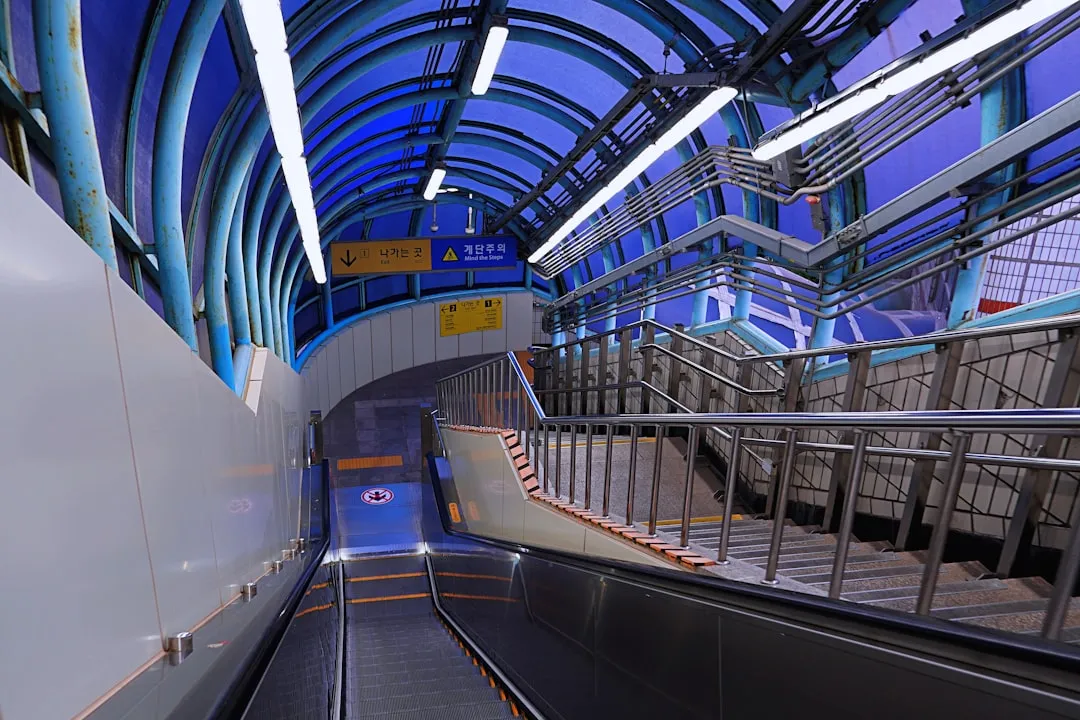
The Seoul subway is usually the simplest first method for visitors because stations are marked with line colors, station names, and exit numbers. Visit Seoul notes that subway stations are clearly marked with color-coded signs in Korean and English, and each exit is numbered. That matters because many Seoul directions are given by station exit, not by a street address.

Buses fill the gaps between subway stations and reach residential hills, riverside areas, university districts, and neighborhood markets. They are useful, but the route names and stop sequence can feel less obvious than the subway. Taxis are widely used for door-to-door trips, but they should be treated as a separate choice rather than the default for every journey, especially when central roads are congested.
Airport travel adds another decision. Incheon International Airport and Gimpo International Airport connect to Seoul by rail, bus, taxi, and private transfer. The right option depends on your arrival terminal, destination district, amount of luggage, and whether your hotel is close to a subway station or a limousine bus stop.
2. The Solution: Use a T-money Card and Local Map Apps
The most important practical step is to use a Korean transportation card. Visit Korea describes Tmoney Card, EZL Card, WOWPASS, and Climate Card as chargeable prepaid cards that can be used instead of buying a separate ticket or paying cash for each ride. For most short-term visitors, a T-money card remains the easiest general-purpose choice because it is common across subways, buses, and many taxis.
T-money and similar cards are typically sold at convenience stores and subway stations. The Seoul Metropolitan Government states that public transportation cards such as T-money and Cashbee can be purchased at convenience stores and subway stations, then reloaded after purchase. Keep some Korean won cash available because some recharge machines or store situations may not accept every foreign card.
Using the card is simple in practice: tap when entering a subway gate, tap when exiting, and keep the card separate from other contactless cards to avoid reader errors. On buses, prepare the card before boarding, tap at the front-door reader, press the stop bell before your stop, tap again at the rear-door reader, and exit through the rear door. The Seoul Metropolitan Government gives this front-door boarding and rear-door exit sequence as the standard bus process.
[Get your T-money Card here]
For routing, use KakaoMap (카카오맵) or Naver Map (네이버지도). Google Maps can be useful for orientation, but KakaoMap and Naver Map usually provide more local place-name search, bus stop details, subway exits, and route options inside Korea. Seoul’s official public transportation guidance specifically refers visitors to route information through Naver Map and Kakao Map, along with bus stop information terminals and Seoul transport systems.
Install at least one of these apps before leaving your hotel Wi-Fi. Search both the English name and the Korean name of your destination when possible. For example, search “Gyeongbokgung” and “경복궁,” or “Hongdae” and “홍대.” If the English search result looks uncertain, copy the Korean name from the attraction’s official page or your hotel confirmation and paste it into KakaoMap or Naver Map.
💡 Local Hack: Save the Korean names of your hotel, nearest subway station, and first destination in your notes app. This helps with map searches, taxi communication, and asking staff for directions without relying on pronunciation.
Navigation Apps & T-money Card Guide
3. Step-by-Step Guide to Moving Around Seoul
Step 1: Choose the right transport mode
Use the subway when your origin and destination are both close to stations, when you are crossing the city, or when road traffic is likely to slow buses and taxis. Use buses when the destination is far from a subway exit, when a map app shows a direct route, or when you are moving within the same district. Use taxis when carrying luggage, traveling with children, arriving late, or going to a place where the final walk is complicated.
For airport transfers, compare the rail and bus options before arrival. Airport rail can be efficient when your destination is near Seoul Station, Hongik University, Gongdeok, or another connected rail stop. Airport limousine buses can be easier when the stop is near your hotel, especially with luggage. Taxis or private transfers reduce walking and transfers, but road traffic and destination distance affect the final experience.

Step 2: Buy and load a transportation card
Buy a T-money or compatible transportation card at a convenience store or subway station. Ask for “T-money card” or show the phrase “티머니 카드.” Load enough value for the first day, then recharge as needed. Visit Korea notes that transportation cards remove the need to buy a ticket or pay cash each time you use public transportation, and they provide transfer benefits on public transport.
If you buy a single-use subway ticket instead, remember that Visit Seoul states single journey passes require the exact fare plus a refundable deposit. That system is workable for one ride, but it is less practical if you will use the subway and buses several times a day.
Step 3: Use subway exits as part of the address
When a route app shows “Exit 4,” treat that exit number as part of the destination. Large stations can have many exits, and leaving through the wrong one may add a long walk or require crossing major roads. If your route includes a transfer at a large station such as Seoul Station, City Hall, Express Bus Terminal, or Wangsimni, allow extra walking time inside the station.
Many stations have elevators, escalators, and accessible routes, but the closest accessible exit may not be the same as the fastest walking exit. Travelers with heavy luggage should check the station exit details in KakaoMap or Naver Map before choosing a route.
Step 4: Ride buses with the front-door and rear-door routine
Seoul buses are color-coded by service type, but visitors do not need to memorize every category before using them. The practical rule is to follow the app route, verify the bus number at the stop, board through the front door, tap your transportation card, press the stop bell before getting off, tap out at the rear reader, and exit through the rear door.
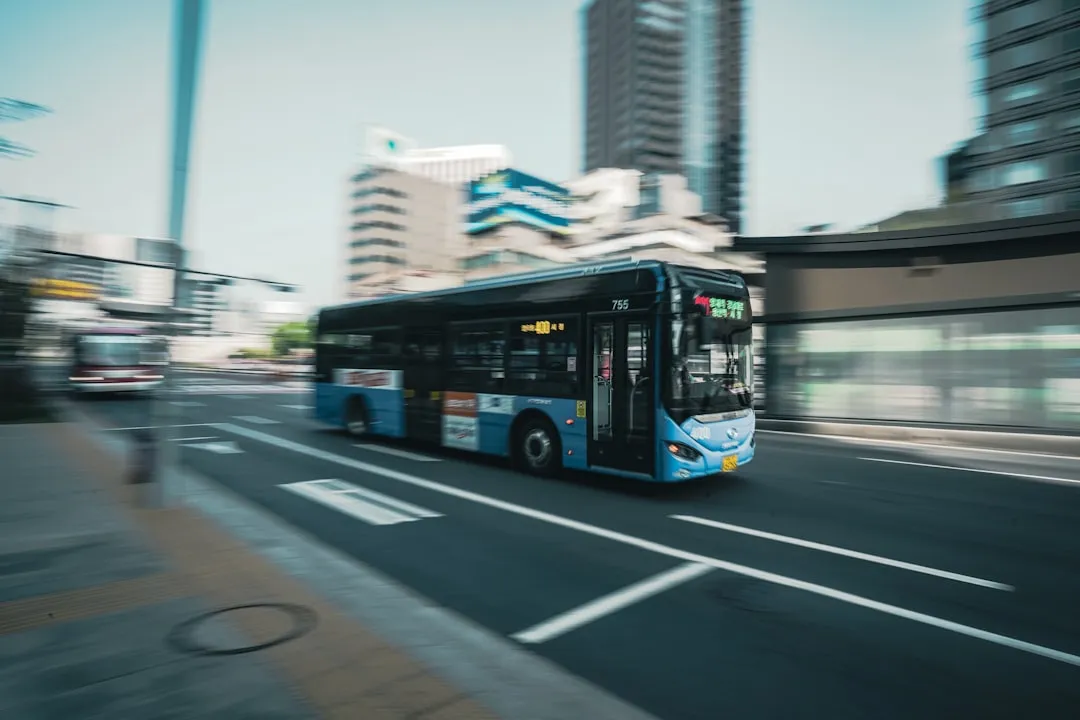
Tap-out matters because transfer discounts and route completion depend on the card record. If you forget to tap when leaving a bus, the next transfer may not be processed as expected. When buses are crowded, move toward the rear door before your stop so you can tap and exit without blocking boarding passengers.
Step 5: Use taxis when they solve a specific problem
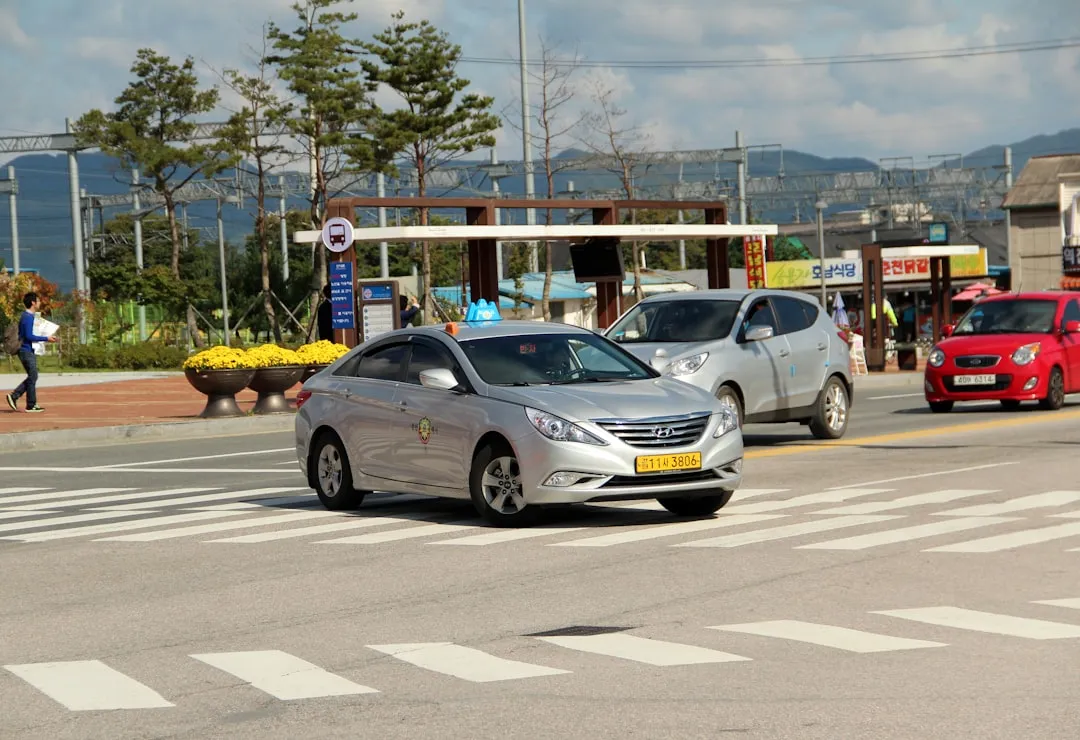
Taxis are useful for late arrivals, luggage, mobility needs, and destinations away from subway lines. Have the destination written in Korean, ideally with the road address and phone number. Many drivers can follow navigation from the Korean address more reliably than an English landmark name.
Use official taxi stands, hotel assistance, or recognized taxi-hailing apps where available. Before starting, confirm that the destination shown in the navigation is correct. For airport or intercity trips, ask staff at the airport desk or hotel desk if you need help matching the correct taxi or transfer type.
4. Pro Tips and Warnings for Visitors
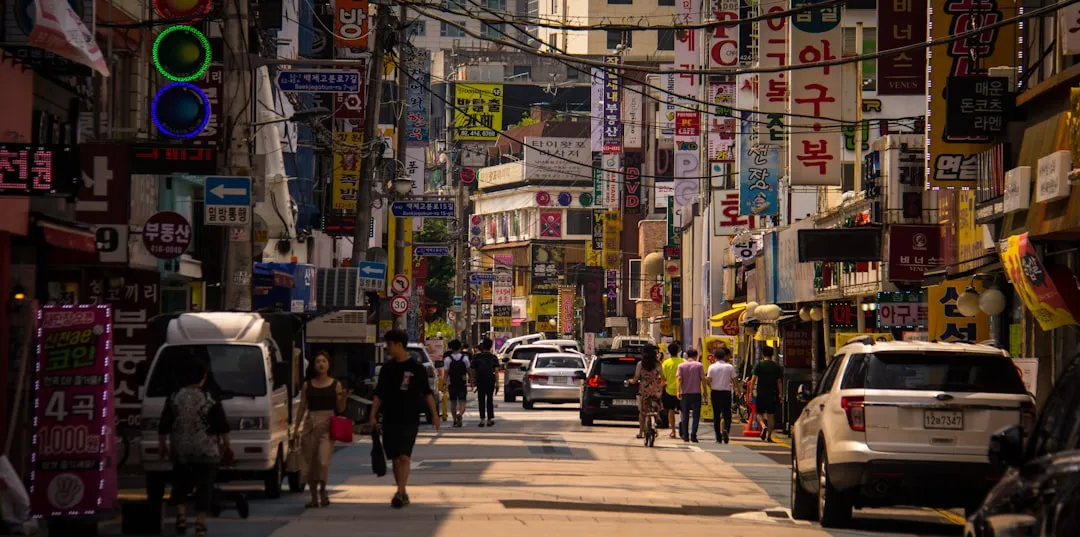
Do not plan Seoul travel only by straight-line distance. A destination that looks close on a map may require a river crossing, a hill climb, or a long station transfer. Route apps usually show the more realistic difference between walking, bus, subway, and taxi options.
Check the final train or bus timing in your map app for late-night returns. Official schedules and operating information can change, and nightlife districts may not match your hotel’s rail direction after the last train. If you will return late, save a taxi plan in advance with your hotel name in Korean.
Carry a small amount of Korean won cash for card loading, station deposits, and backup situations. International cards work in many places, but public transport card purchase and recharge procedures can vary by machine, store, and card type. A cash backup prevents a small payment issue from becoming a missed train or bus.
🚨 Important Warning: Do not include today’s weather, exchange rate, or real-time train arrival in your transport plan as fixed information. Use live apps on the day of travel, but treat this guide as an evergreen method guide.
If you are unsure which stop or exit to use, call 1330 for tourist interpretation support. For broader foreigner assistance, 1345 is the Immigration Contact Center, and 110 is the government call center. In emergencies, call 119 for fire or medical emergency and 112 for police.
Internal planning also helps. If you are arranging activities by district, check Seoul transport options on TripKorea and group nearby attractions to reduce transfers. If your itinerary starts early or ends late, choose a base near a major station; Seoul hotels near transport hubs can reduce late-night transfer risk.
5. FAQ: How to Get Around Seoul
What is the easiest way to get around Seoul for visitors?
The subway is usually the clearest first choice for cross-city travel because stations have line colors, English signage, and numbered exits. Buses are useful for shorter district-level routes or places away from subway exits. Taxis are most useful when luggage, late-night timing, or accessibility makes door-to-door travel more practical.
Should tourists buy a T-money card in Seoul?
Yes, most visitors should use a T-money or compatible transportation card if they plan to ride public transport more than once. Visit Korea describes Korean transportation cards as prepaid cards that reduce the need to buy a separate ticket for each ride. They are commonly used on subways, buses, and many taxis.
Which map app should foreigners use in Seoul?
KakaoMap and Naver Map are the most practical route apps for Seoul because they handle local place names, subway exits, and bus information well. Search with Korean names when English results are unclear. Keep your hotel name and address saved in Korean for taxis and route checks.
How do Seoul buses work?
Board through the front door, tap your transportation card, watch or listen for your stop, press the stop bell, tap at the rear-door reader, and exit through the rear door. Seoul’s official public transportation guidance gives this sequence as the standard process. Tapping out is important for transfer handling.
How should I travel from Incheon Airport to Seoul?
Compare airport rail, airport limousine bus, taxi, and private transfer by destination district and luggage. Rail works well for destinations connected to major stations, while airport buses can be easier when the stop is near your hotel. Taxis and private transfers are useful for late arrivals, large luggage, or door-to-door needs.
🎒 Stay Connected and Moving in Seoul
Seoul transport works best when routing, payment, and accommodation location are planned together. Use a transportation card, keep KakaoMap or Naver Map ready, and choose hotels or activities with realistic subway exits and bus stops in mind.
Sources and References
Official Transport Sources:
Helplines: Tourist interpretation 1330 / Foreigner assistance 1345 / Government call center 110 / Emergency medical and fire 119 / Police 112 / BBB Korea interpretation 1588-5644
Image Credits: Seoul subway station: KS KYUNG / Unsplash. Subway platform: Ryoo Geon Uk / Unsplash. Subway escalator: IRa Kang / Unsplash. Seoul bus: Sean Lee / Unsplash. Airport train station: Mathew Schwartz / Unsplash. Seoul taxi: Dave Kim / Unsplash. Seoul street: Luke Paris / Unsplash.
Last verified: 2026-05-30. Public transport fares, operating hours, routes, and card rules can change. Always verify current details with official transport sources before travel.